
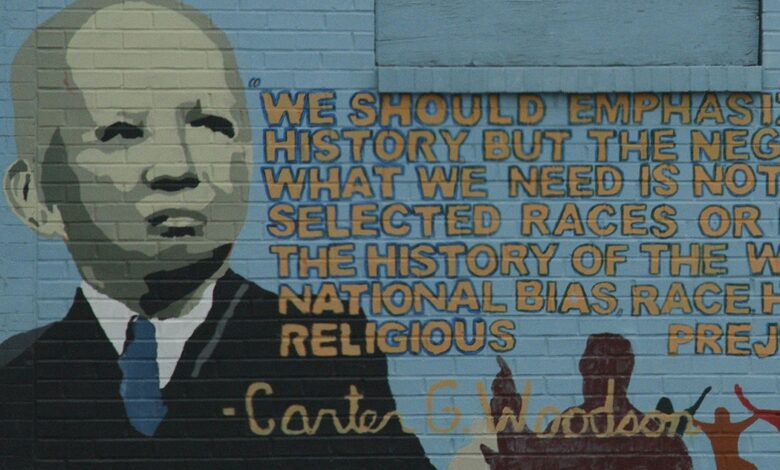
Black History Month Woodson A Legacy of Impact
Black History Month Woodson commemorates the profound influence of Carter G. Woodson on the celebration of Black history. Woodson’s vision for promoting African American history laid the groundwork for the month we know today. His dedication to research and accurate representation continues to resonate in modern society, shaping how we understand and celebrate the contributions of Black individuals throughout American history.
This exploration delves into Woodson’s life, his pivotal role in establishing Black History Month, and the lasting impact of his work on education and contemporary understanding of race relations. We’ll examine key figures, events, and the evolution of the month’s themes, highlighting the ongoing significance of celebrating Black history.
Black History Month’s Contemporary Relevance
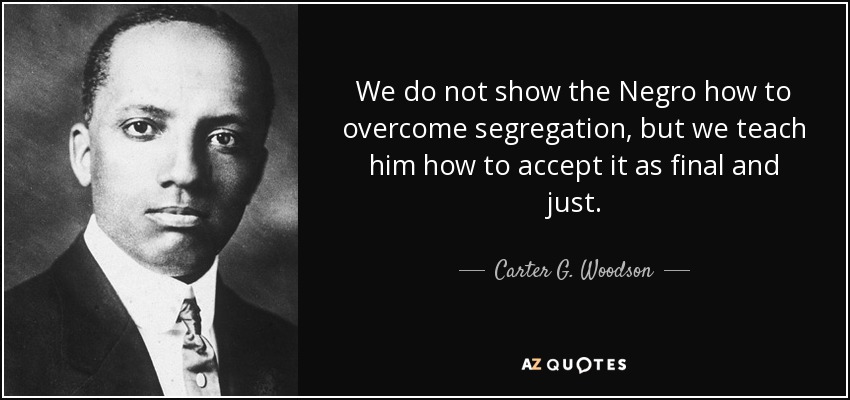
Black History Month, while rooted in the historical commemoration of Black achievements, retains significant contemporary relevance. It serves as a vital platform for ongoing dialogues about race, equality, and the enduring impact of systemic racism. This month provides an opportunity to examine the progress made and the challenges that persist in building a more just and equitable society.Black History Month is not just about celebrating the past; it’s about actively engaging with the present and shaping a more inclusive future.
Understanding the historical context of Black experiences is crucial to fostering empathy and challenging stereotypes that continue to impact individuals and communities today.
Impact on Contemporary Discussions on Race and Equality
Black History Month fuels crucial discussions about race and equality by highlighting the ongoing disparities faced by Black communities. These discussions often lead to a deeper understanding of systemic issues and inspire actions towards positive change. The month serves as a platform for sharing personal stories, amplifying marginalized voices, and challenging harmful narratives. This can lead to increased awareness and empathy among individuals and groups.
Role in Shaping the Understanding of American History
Black History Month plays a crucial role in expanding and enriching the understanding of American history. It corrects the historical omissions and inaccuracies that have often marginalized Black experiences and contributions. By providing a more complete and nuanced account of American history, Black History Month helps to build a more accurate and inclusive narrative. This includes acknowledging the profound impact of slavery, segregation, and other forms of oppression on the social, economic, and political landscape of the nation.
Inspiring and Motivating Future Generations
Black History Month serves as a powerful source of inspiration and motivation for future generations. It showcases the resilience, determination, and achievements of Black individuals throughout history, providing role models and highlighting the potential for positive change. By learning about the triumphs and struggles of those who came before them, young people can develop a deeper understanding of their own heritage and a stronger sense of purpose.
Celebrating Black History Month, we honor Carter G. Woodson’s pivotal role in establishing this important observance. His dedication to preserving and promoting Black history is truly inspiring. Meanwhile, hockey fans are buzzing about the talented Canucks prospect, Tom Willander, who’s making waves at Boston University. Canucks prospect Tom Willander Boston University is a great example of young talent, and it’s a reminder that honoring past figures like Woodson helps pave the way for future generations to excel in all fields.
Ultimately, the importance of Woodson’s work continues to resonate strongly.
Strategies for Inclusive and Accurate Celebration, Black history month woodson
To ensure Black History Month remains inclusive and accurate, it is crucial to actively involve diverse voices and perspectives in the planning and execution of events. This includes actively seeking out and amplifying the stories of Black individuals from various backgrounds and experiences. It’s essential to engage with diverse perspectives and communities, ensuring that the celebration accurately reflects the richness and complexity of Black history.
Celebrating Black History Month, honoring Carter G. Woodson’s legacy, often prompts reflection on pivotal figures in history. This month, it’s interesting to consider how political figures like Ricardo Martinelli, who served as president of Panama and has a history connected to Nicaragua, ricardo martinelli panama nicaragua , might fit into the broader narrative of social and political progress.
Ultimately, Woodson’s vision of promoting accurate historical understanding of Black experiences remains relevant today.
Examples of Black History Month Celebrations in Different Communities
| Community Type | Examples of Celebration |
|---|---|
| Schools | Guest speakers, workshops, film screenings, art exhibits, and historical reenactments. Classroom lessons focusing on Black figures and achievements. |
| Libraries | Book displays, author talks, historical exhibits, and community events that showcase Black authors and writers. |
| Museums | Special exhibits, educational programs, and workshops that explore Black history and culture. |
| Community Centers | Cultural performances, workshops on Black arts and crafts, storytelling events, and community gatherings. |
Illustrative Examples and Figures: Black History Month Woodson
Delving into the rich tapestry of Black history requires a close examination of pivotal figures, transformative events, and enduring legacies. Understanding these elements illuminates the struggles, triumphs, and enduring resilience of Black communities throughout time. This exploration provides a deeper understanding of the historical context that continues to shape the present.The stories of these individuals and events offer crucial insights into the complex interplay of social, political, and economic forces that have influenced Black communities and society as a whole.
By examining these examples, we gain a more profound appreciation for the historical contributions and enduring impact of Black individuals on American society.
Celebrating Black History Month always reminds me of Carter G. Woodson and his pivotal role in establishing this important observance. His dedication to recognizing the contributions of Black individuals throughout history is truly inspiring. This year, I’m particularly drawn to the exhibit at the Met, featuring the work of Abney Bey, Fordjour Simmons, and others, highlighting the Harlem Renaissance and its impact on art and culture abney bey fordjour simmmons harlem renaissance met.
It’s fascinating to see how these artistic expressions connect to the broader narrative of Black history month. Woodson’s vision continues to resonate powerfully today.
The Life and Contributions of Rosa Parks
Rosa Parks, a pivotal figure in the Civil Rights Movement, became an iconic symbol of resistance to racial segregation. Born in Tuskegee, Alabama, in 1913, Parks’ life was profoundly shaped by the pervasive racism of the Jim Crow South. Her refusal to give up her seat on a Montgomery, Alabama, bus in 1955 sparked the Montgomery Bus Boycott, a watershed moment in the struggle for civil rights.Parks’ quiet act of defiance ignited a movement.
Her courageous decision challenged the unjust laws and norms of the era, leading to widespread activism and eventually, significant legal changes. Her profound impact extended beyond the boycott, influencing countless individuals and organizations dedicated to achieving racial equality.
The Montgomery Bus Boycott
The Montgomery Bus Boycott, a pivotal event in the Civil Rights Movement, demonstrated the power of collective action and nonviolent resistance. Beginning in December 1955, following Rosa Parks’ arrest, African Americans in Montgomery, Alabama, refused to ride the city’s buses in protest against segregation.This widespread act of defiance, organized and led by the Montgomery Improvement Association, lasted for over a year.
The boycott’s success significantly weakened the system of segregation on public transportation and paved the way for further advancements in the Civil Rights Movement. The boycott showcased the potential for collective action to effect meaningful social change, inspiring similar movements across the nation.
Key Historical Documents and Artifacts
Several historical documents and artifacts hold significant value in understanding Black history. The Emancipation Proclamation, issued by President Abraham Lincoln in 1863, declared slaves in Confederate states to be free. This document marked a turning point in the fight against slavery and foreshadowed the eventual abolition of slavery throughout the United States. It is a crucial part of understanding the ongoing fight for equality.The “Declaration of Sentiments” of the Seneca Falls Convention in 1848, while not exclusively focused on Black history, represents a pivotal moment in the fight for women’s rights and has had significant influence on the broader fight for equality and justice.
Celebrating Black History Month, inspired by Carter G. Woodson, is crucial. It’s amazing to see how companies like Costar Group are using their platform, like in their recent Super Bowl ads costar group super bowl ads , to connect with diverse audiences. This innovative approach, while potentially controversial, still underscores the importance of representation and inclusivity, echoing Woodson’s dedication to highlighting the accomplishments of Black individuals throughout history.
Comparing and Contrasting Key Historical Figures
| Figure | Key Contributions | Impact on Black Community |
|---|---|---|
| Martin Luther King Jr. | Leader of the Civil Rights Movement, advocate for nonviolent resistance. | Inspired generations of activists and promoted racial equality. |
| Malcolm X | Civil rights activist, advocate for Black empowerment. | Challenged prevailing norms and advocated for Black self-determination. |
| Sojourner Truth | Abolitionist and women’s rights activist. | Prominent voice for both racial and gender equality. |
This table highlights the diverse contributions of influential figures in Black history, illustrating the multifaceted nature of their legacies and impact on the community. Their individual actions and philosophies reflect the complexities of the struggle for racial equality.
Woodson’s Legacy in Education
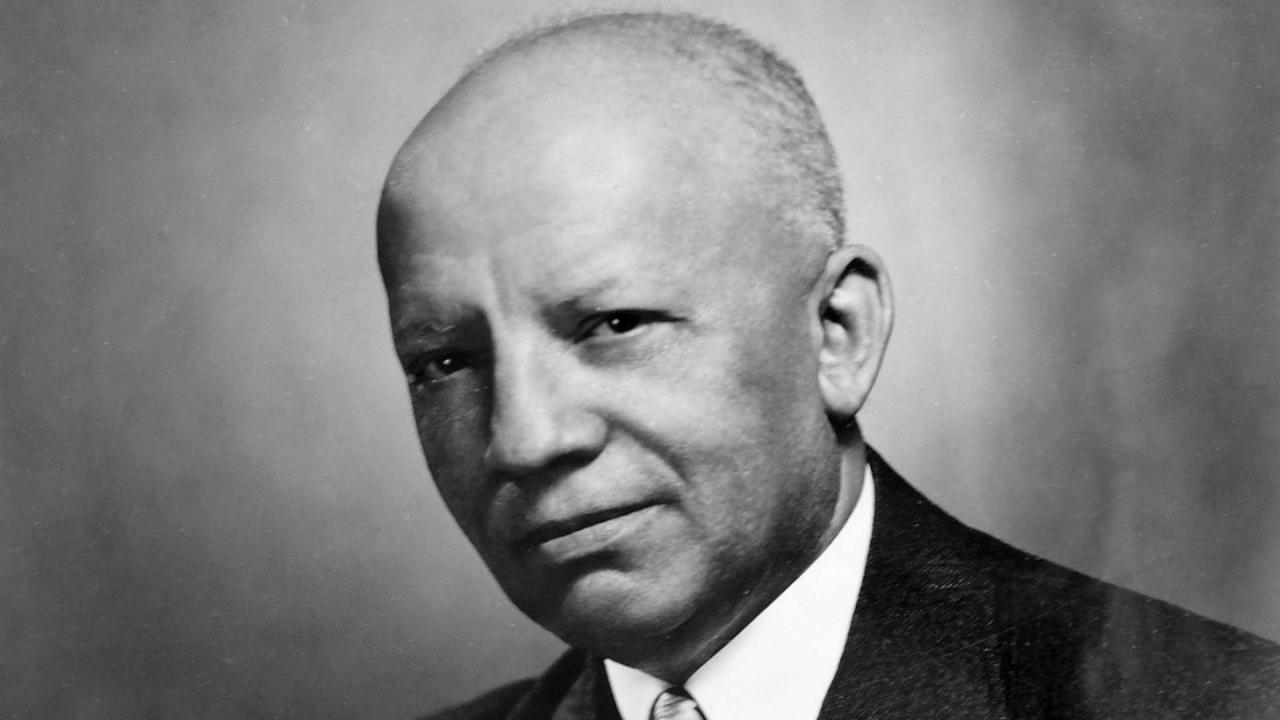
Carter G. Woodson’s profound impact on Black history education reverberates through contemporary classrooms. His tireless advocacy for accurate and comprehensive representation of Black experiences laid the groundwork for the inclusion of Black narratives in educational curricula. This legacy, now deeply ingrained in the fabric of American education, continues to shape how young minds understand their history and the diverse contributions of African Americans.Woodson’s meticulous research and unwavering commitment to the historical truth of the Black experience directly influence the content and approach of Black history instruction today.
Celebrating Black History Month, honoring Carter G. Woodson’s legacy, feels a bit bittersweet this year. Thinking about the fight for equality and justice, it’s hard to ignore the current headlines like the NRA lawsuit against Wayne LaPierre, nra lawsuit wayne lapierre. These seemingly disparate issues highlight the ongoing struggle for fairness and progress in our society, reminding us of the importance of Woodson’s work in preserving and celebrating Black history.
His methods, emphasizing rigorous scholarship and community engagement, are integral to contemporary efforts to create robust and inclusive learning experiences. The pursuit of historical accuracy and the promotion of Black agency are fundamental tenets of Woodson’s legacy, continuing to drive curriculum development.
The Role of Black History Education in Shaping Young Minds
Black history education fosters a deeper understanding of the richness and complexity of American history. By exploring the contributions of Black individuals and communities, students gain a more complete and nuanced perspective on the nation’s past. This knowledge equips students with critical thinking skills, encourages empathy, and promotes a sense of pride and belonging for all students. The study of Black history helps to dismantle stereotypes and biases, while building a foundation for social justice and equity.
It allows students to connect with their own identities and the broader narrative of American society.
How Woodson’s Work Continues to Influence Curriculum Development
Woodson’s emphasis on rigorous historical research and community involvement has shaped modern approaches to curriculum development. His work underscores the importance of primary source analysis, oral histories, and diverse perspectives in crafting accurate and inclusive accounts of Black history. Contemporary educators draw inspiration from his commitment to uncovering the untold stories and achievements of African Americans, and this commitment directly influences the content and pedagogical approaches used in modern classrooms.
This translates to the inclusion of lesser-known figures, events, and narratives within the framework of Black history.
Examples of Resources for Teaching Black History
Numerous resources are available to support the teaching of Black history. These resources include primary source documents, archival materials, biographies of significant figures, and museum exhibits. Many organizations, like the NAACP and the National Museum of African American History and Culture, offer educational materials and resources designed to enrich classroom learning experiences. Online platforms, educational websites, and documentaries also serve as valuable tools for students and teachers alike.
A key principle for teachers is to use multiple resources to offer students a comprehensive understanding of Black history.
The Importance of Accurate and Comprehensive Representation of Black History in Schools
A comprehensive approach to Black history education necessitates the inclusion of diverse perspectives, experiences, and achievements. Students should not be limited to the portrayal of Black history as a monolithic narrative. Instead, the emphasis should be on the multifaceted and rich history of African Americans, reflecting their diverse contributions to various fields of life, including science, art, music, literature, and politics.
This approach not only acknowledges the contributions of Black individuals but also promotes a more accurate and nuanced understanding of American history.
Challenges in Incorporating Black History into Educational Systems
Despite significant progress, challenges remain in effectively integrating Black history into educational systems. These challenges include limited resources, insufficient teacher training, and a lack of accurate and comprehensive materials. Bias in existing curricula and the limited time allocated for Black history instruction often hinder the development of a truly inclusive understanding of American history. Furthermore, cultural insensitivity and a lack of understanding among educators and administrators can contribute to perpetuating harmful stereotypes and inaccuracies.
Table Comparing and Contrasting Different Approaches to Teaching Black History
| Approach | Strengths | Weaknesses |
|---|---|---|
| Traditional | May offer a basic overview of key events and figures. | Often overlooks the complexities and nuances of Black experiences, focusing on singular narratives. |
| Culturally Responsive | Provides opportunities for deeper understanding and empathy, recognizing diverse experiences. | May require additional resources and training for educators to implement effectively. |
| Social Justice Focused | Encourages critical thinking and action, connecting history to contemporary issues. | Can be challenging to implement without appropriate context and support. |
Lesson Plan Template to Teach a Particular Aspect of Black History
This lesson plan focuses on the contributions of Black women during the Civil Rights Movement. Subject: American History Grade Level: 9-12 Topic: The Role of Black Women in the Civil Rights Movement Learning Objectives: Students will be able to identify key figures, analyze their contributions, and evaluate the impact of their activism on the movement. Materials: Primary source documents, biographies, images, videos, and class discussion.
Activities:* Primary source analysis of letters, speeches, and articles by key figures.
- Group discussions and presentations focusing on the contributions of specific individuals.
- Creating timelines of key events and identifying the roles of Black women.
Assessment: Class participation, presentations, written reflections, and a class debate on the impact of Black women’s activism.
Final Thoughts
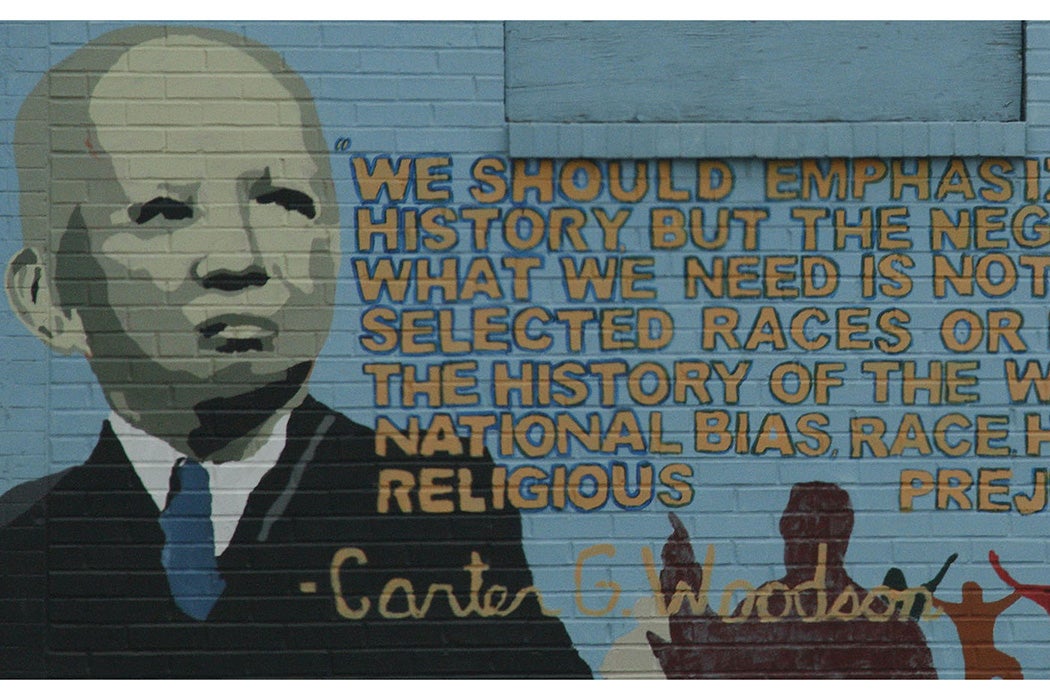
In conclusion, Black History Month Woodson stands as a testament to the enduring power of historical narratives and the importance of recognizing the contributions of marginalized communities. Woodson’s legacy extends far beyond the month itself, inspiring continued efforts to promote accurate and inclusive representations of Black history in education and society. His work serves as a constant reminder of the vital role Black individuals have played in shaping American history and culture.
Let us continue to learn, remember, and celebrate.
Frequently Asked Questions
What is the connection between Black History Month and Carter G. Woodson?
Carter G. Woodson was instrumental in establishing Black History Week, later expanded to a month, to recognize and celebrate the contributions of Black individuals to society. His advocacy for accurate and comprehensive Black history education laid the foundation for the observance we know today.
What are some of the ongoing challenges in promoting Black history and culture?
Ensuring accurate representations, countering stereotypes, and achieving inclusive participation are crucial ongoing challenges. The struggle to overcome systemic biases and provide diverse perspectives in narratives is vital for a more complete understanding of Black history.
How can Black History Month inspire future generations?
By showcasing the achievements and resilience of past generations, Black History Month can inspire future generations to pursue their dreams and contribute to society. It instills pride and a sense of belonging, fostering a deeper understanding of their heritage.
Why is it important to recognize Black contributions to American history?
Black individuals have made significant contributions to all facets of American life, from the arts and sciences to politics and social activism. Recognizing these contributions enriches our understanding of American history as a whole and promotes a more complete and nuanced perspective.