Congress Ukraine Israel Aid A Deep Dive
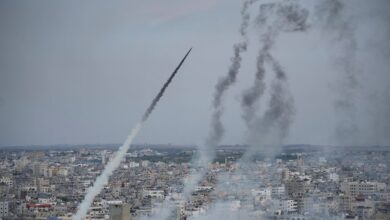
Congress Ukraine Israel aid is a crucial topic in international relations, demanding careful consideration. This post delves into the historical context, recent legislative actions, public opinion, and the impact of aid on the ground for both Ukraine and Israel. We’ll explore the motivations behind these packages, the various arguments for and against them, and the potential consequences for each nation and the global stage.
The complex interplay of political motivations, public pressure, and international implications are all examined, along with a comparison of the aid provided to both countries. This analysis provides a comprehensive overview of the situation, offering insights into the intricacies of these aid packages.
Overview of Congressional Aid to Ukraine and Israel
The United States has a long history of providing aid to both Ukraine and Israel, driven by various geopolitical and strategic considerations. These aid packages reflect a complex interplay of foreign policy goals, national security concerns, and domestic political pressures. The current context of ongoing conflicts necessitates a deeper understanding of the nature and extent of this aid, which is critical for evaluating the effectiveness of these policies.Recent legislative actions demonstrate a strong commitment to supporting both nations in their respective struggles.
The level and type of aid, however, differ significantly, reflecting the unique circumstances and challenges faced by each country. Analyzing these differences illuminates the nuanced approach to foreign policy in the face of global crises.
Historical Context of US Aid to Ukraine
The United States has historically provided limited direct military aid to Ukraine. However, the situation dramatically shifted following the 2014 Russian annexation of Crimea and the ongoing conflict in the Donbas region. This marked a turning point, with the US recognizing the need for increased support for Ukraine’s defense capabilities. Before 2014, US aid to Ukraine focused primarily on economic and humanitarian assistance.
Recent Legislative Actions Regarding Aid Packages for Ukraine
Substantial legislative actions have been taken since 2014, resulting in numerous aid packages aimed at strengthening Ukraine’s military and bolstering its resilience against Russian aggression. These packages have evolved from initial financial and humanitarian assistance to substantial military aid, including advanced weaponry and training. Examples include the Ukraine Security Assistance Initiative (USAI) and various supplemental appropriations bills.
Historical Context of US Aid to Israel
The United States has consistently provided significant military and economic aid to Israel, stemming from a long-standing strategic alliance and shared values. This aid has played a crucial role in Israel’s defense capabilities and economic development, particularly in the face of regional conflicts. The aid has also been tied to the broader Middle East policy of the United States.
Recent Legislative Actions Regarding Aid Packages for Israel
Regular appropriations and supplemental appropriations have consistently provided military and economic assistance to Israel. These packages reflect the enduring commitment to Israel’s security and defense, with a focus on maintaining its qualitative military edge in the region. The aid often includes advanced military equipment and technology.
Comparison of Aid Types Provided to Ukraine and Israel
The types of aid provided to Ukraine and Israel, while both encompassing military and economic components, differ significantly in their specifics. Ukraine primarily receives military aid to bolster its defense against ongoing aggression, while Israel receives a combination of military aid to maintain its defensive posture and economic aid to support its economic stability and resilience.
Congress is debating aid packages for Ukraine and Israel, and it’s a complex issue. While politicians debate, the simple joy of a shared meal, like a delicious hot pot, reminds us that communal experiences like this – as seen in hot pot is for everyone – can bridge divides and bring people together. Ultimately, the discussions about aid will need to address the needs of everyone involved, just like a good hot pot brings everyone together, whether they’re from different countries or just different tables.
Key Actors Involved in the Legislative Processes, Congress ukraine israel aid
The legislative processes for both aid packages involve numerous actors, including members of Congress, the executive branch, and various lobbying groups. Congressional committees, such as the House Foreign Affairs Committee and the Senate Foreign Relations Committee, play a critical role in shaping and approving aid legislation.
Political Motivations Behind the Aid Packages
Political motivations behind these aid packages are multifaceted and often interconnected. These motivations include national security concerns, strategic alliances, and domestic political considerations. The aid packages reflect a combination of geopolitical considerations, the need to counter Russian aggression, and the enduring US-Israel strategic partnership.
Comparison Table of Aid to Both Countries
| Country | Type of Aid | Amount | Timeline |
|---|---|---|---|
| Ukraine | Military, Humanitarian | Various amounts, with recent packages exceeding several billion USD | 2014 to present |
| Israel | Military, Economic | Significant amounts, consistently provided over decades | Decades |
Public Opinion and Congressional Debates
Public opinion on providing aid to Ukraine and Israel has been a significant factor in shaping congressional debates. Varying perspectives on the strategic, humanitarian, and economic implications of these aid packages have fueled intense discussions within the political arena. The debate often transcends simple partisan lines, reflecting a complex interplay of public sentiment and political motivations.The public perception of aid to Ukraine has been largely influenced by the ongoing war and the perceived threat to global security.
While significant support exists for assisting Ukraine in its defense, there are also concerns about the financial burden and potential long-term consequences of such aid. Similar sentiments exist regarding aid to Israel, with public opinion shaped by regional tensions and the perceived need to support a key ally. These competing perspectives have created a dynamic and often contentious environment for congressional decision-making.
Public Perception of Aid
Public opinion regarding aid to Ukraine and Israel is multifaceted. Surveys and polls often reveal a broad spectrum of views, ranging from strong support to considerable skepticism. Factors such as perceived strategic value, humanitarian concerns, and economic impacts heavily influence public perception. The media plays a crucial role in shaping public discourse, often highlighting various viewpoints and arguments for and against the aid packages.
Congress’s ongoing aid to Ukraine and Israel is crucial, but the recent return of Romeo Gigli to Marrakech, as reported by Hitz News , highlights a fascinating global dynamic. While the details of Gigli’s return remain unclear, it’s an intriguing piece of the larger puzzle of international relations, which inevitably impacts the geopolitical landscape that shapes aid packages for Ukraine and Israel.
The need for continued support for these countries remains paramount, despite the complexities of global events.
These public perceptions frequently become a catalyst for political discourse within the congressional arena.
Arguments For and Against Aid Packages
The arguments for and against aid packages to both countries are numerous and complex. Proponents of aid often emphasize the strategic importance of supporting Ukraine’s defense against Russian aggression and Israel’s security in a volatile region. Economic considerations, including potential long-term impacts and trade relations, are also frequently debated. Conversely, opponents raise concerns about the financial burden of such aid on American taxpayers, potential risks of escalation, and alternative solutions to address the issues at hand.
Political Party Viewpoints
The debate over aid packages often reflects differing viewpoints between political parties. While specific stances may vary among individual members of each party, general patterns can be observed. Democrats frequently advocate for increased aid to both countries, often emphasizing the humanitarian crisis and the strategic importance of maintaining international stability. Republicans often express more nuanced views, sometimes supporting aid but with greater emphasis on scrutinizing the allocation of funds and the long-term implications.
These contrasting perspectives often create tension and highlight the political divisions surrounding these issues.
Key Figures in the Debate
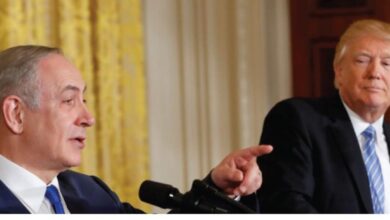
Several key figures have played prominent roles in the public debate surrounding aid packages. These individuals, often holding positions of influence within the government or prominent in media, frequently express their opinions and advocate for specific positions. These individuals’ statements and actions frequently shape public perception and congressional discourse. Examples include prominent members of Congress, influential lobbyists, and respected journalists.
Congressional Votes on Aid Packages
Congressional votes on aid packages often reveal a complex interplay of factors. Factors such as party affiliation, regional interests, and individual member priorities often influence voting patterns. Detailed records of these votes provide insights into the prevailing political climate and the evolution of public opinion on these critical issues.
Congress’s ongoing aid to Ukraine and Israel is definitely a hot topic right now. While that’s important, it’s interesting to see how big companies like Costar Group are using the Super Bowl to showcase their brand. Their Super Bowl ads, detailed in this article on effectsnews.com, costar group super bowl ads , offer a glimpse into the world of commercial strategy.
All of this ultimately ties back to the complex geopolitical landscape and the significant financial support needed for these nations.
Impact of Public Opinion on Political Debate
Public opinion significantly shapes the political debate surrounding aid packages. Public sentiment, reflected in surveys, media coverage, and constituent outreach, often influences the positions taken by elected officials and their legislative decisions. The level of public support or opposition directly affects the likelihood of successful passage of these aid packages.
Summary of Arguments
| Argument | Proponents | Opponents | Evidence |
|---|---|---|---|
| Strategic Importance of Supporting Ukraine’s Defense | Defense experts, policymakers, international relations scholars | Some fiscal conservatives, isolationists | Analysis of Russian military capabilities and potential regional consequences |
| Humanitarian Crisis in Ukraine and Israel | Humanitarian organizations, aid groups, international organizations | Some fiscal conservatives, those questioning the effectiveness of aid | Reports of refugee flows, destruction of infrastructure, and civilian casualties |
| Financial Burden on American Taxpayers | None | Fiscal conservatives, some members of Congress | Government budget reports, economic forecasts |
| Potential for Escalation of Conflict | None | Some international relations experts, fiscal conservatives | Historical precedents of military interventions, geopolitical analysis |
Impact of Aid on the Ground
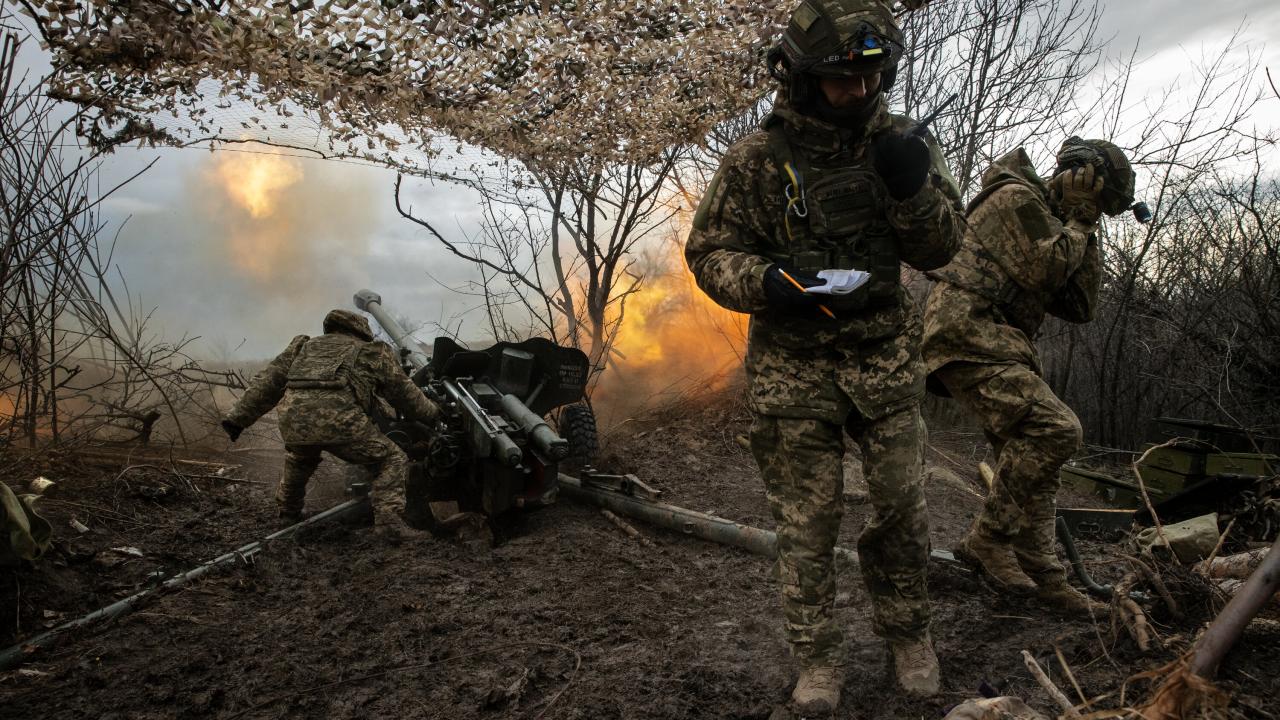
The substantial aid packages sent to Ukraine and Israel have had a tangible impact on the ground, though its nature and effectiveness vary. This examination delves into the specifics of these impacts, acknowledging the complexities and potential pitfalls inherent in large-scale international aid.The influx of weaponry and financial resources to Ukraine has demonstrably altered the battlefield dynamics. However, the effectiveness of this aid hinges on various factors, including the training and experience of Ukrainian forces, the tactical implementation of the supplied equipment, and the ongoing geopolitical situation.
Impact on Ukraine’s War Effort
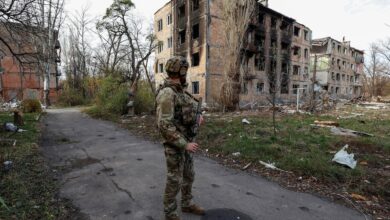
The aid packages, comprising sophisticated weaponry, ammunition, and financial support, have bolstered Ukraine’s ability to defend against the Russian invasion. This includes crucial air defense systems, which have mitigated the impact of Russian air attacks. Reports from the Ukrainian military and independent defense analysts indicate that these supplies have been instrumental in countering specific Russian offensive operations. The provision of advanced anti-tank weapons, for instance, has significantly hampered Russian armored columns.
Moreover, financial aid has sustained critical infrastructure and allowed the Ukrainian government to maintain essential services.
Impact on Regional Security in Israel
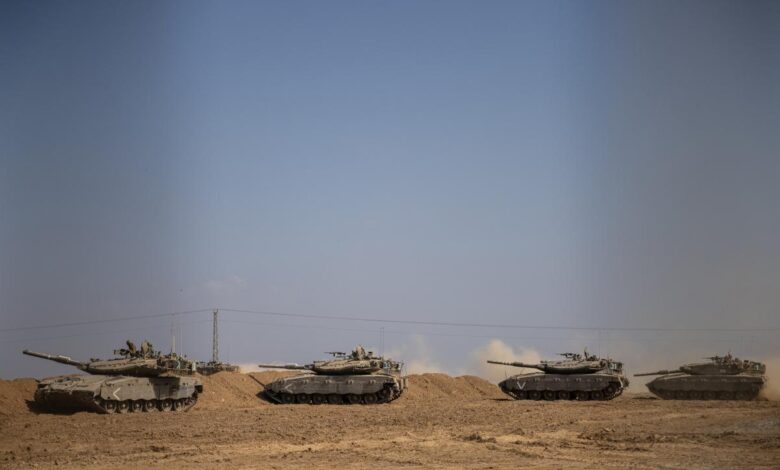
The substantial military aid to Israel has bolstered its defensive capabilities, reinforcing its deterrence against regional threats. This includes upgrading existing air defense systems and procuring advanced weaponry. This aid has contributed to maintaining a relative stability in the region, discouraging potential aggressors.
Evidence of Effectiveness
Evidence of the effectiveness of the aid packages is multifaceted. Independent defense analysts have published reports assessing the battlefield performance of the supplied weapons systems, highlighting their impact on the operational capabilities of Ukrainian forces. Furthermore, public statements from Ukrainian officials and military commanders corroborate the effectiveness of the aid. Similarly, Israel’s consistent military posture and its ability to deter aggression, are strong indicators of the effectiveness of the aid package.
Long-Term Implications
The long-term implications of the aid packages are complex. In Ukraine, the aid’s success depends on the ability of the Ukrainian military to integrate and utilize the advanced equipment effectively. The sustainability of the war effort and the eventual outcome are intricately tied to the effectiveness of this aid. In Israel, the ongoing support ensures a continued deterrent against regional adversaries, but the long-term security environment will depend on the dynamic nature of the conflicts and the geopolitical landscape.
Congress’s ongoing discussions about aid to Ukraine and Israel are definitely crucial, but the recent developments regarding a potential Biden-brokered cease-fire in the Israel-Hamas conflict are also deeply intertwined. This is a complex situation, and the potential implications for future aid packages to Ukraine are significant. Understanding the intricacies of the Biden Israel Hamas cease fire situation is essential to comprehending the broader geopolitical landscape, which in turn affects the decisions about aid for Ukraine.
So, back to Congress’s role, the delicate balance of these factors will likely influence their approach to future aid packages.
Comparison of Aid Effectiveness
Comparing the effectiveness of aid packages is challenging due to the distinct contexts and objectives. Ukraine’s war effort faces an immediate, ongoing conflict, requiring a more immediate and substantial response. Israel’s defense posture requires a more proactive and preventative approach, emphasizing deterrence.
Logistical Challenges
Delivering aid to both countries presents significant logistical challenges. The need to maintain security, the complexity of equipment, and the urgency of the situation pose major obstacles. For instance, the transportation and distribution of sophisticated military equipment require careful planning and coordination. The efficient delivery and integration of this equipment into the respective armed forces are essential.
Potential Risks and Unintended Consequences
Potential risks include the misallocation of aid, the unintended escalation of conflict, and the potential for the aid to be used for purposes other than those intended. In Ukraine, an overreliance on foreign aid could hinder the development of independent defense capabilities. In Israel, the potential for aid to be perceived as an endorsement of specific policies could lead to unintended consequences in the region.
Summary Table
| Country | Impact Area | Positive Impact | Negative Impact |
|---|---|---|---|
| Ukraine | Military | Enhanced air defense, hampered Russian offensives, sustained critical infrastructure. | Potential overreliance on foreign aid, risk of misallocation. |
| Israel | Regional Security | Maintained relative stability, deterred potential aggression. | Potential for aid to be perceived as an endorsement of specific policies. |
International Relations and Global Context
The international community’s response to the ongoing crises in Ukraine and Israel, particularly the substantial aid packages provided by various nations, is a complex tapestry woven with geopolitical threads. Understanding this context requires analyzing the motivations, concerns, and potential consequences of these actions. The global landscape is significantly impacted by these decisions, influencing alliances, trade relations, and security dynamics.The provision of aid, while seemingly humanitarian, often reflects underlying political and strategic interests.
The international relations context surrounding aid packages necessitates an examination of the broader geopolitical factors at play, including existing alliances, economic dependencies, and historical rivalries. This examination is crucial for understanding the motivations behind support and the potential ramifications of these decisions.
International Relations Context Surrounding Aid to Ukraine
The aid provided to Ukraine is heavily intertwined with the ongoing conflict and Russia’s invasion. Many nations view Ukraine’s defense as crucial to the stability of the international order, particularly in the face of perceived Russian aggression. This perspective fuels support for Ukraine’s sovereignty and territorial integrity. Economic sanctions imposed on Russia further illustrate the international condemnation of the invasion and the interconnected nature of the global response.
International Relations Context Surrounding Aid to Israel
Israel’s security concerns, particularly in the context of regional conflicts and threats from Hamas and other groups, have historically driven international support. The ongoing conflicts in the Middle East have shaped the international response to Israel, with many countries recognizing the need for Israel’s security in a volatile region. Aid to Israel, therefore, is often seen as a preventative measure against escalating violence and maintaining regional stability.
Congress’s ongoing aid to Ukraine and Israel is definitely a hot topic right now. But there are other significant issues bubbling up, like the recent controversy surrounding “Read Like Wind” recommendations, which have sparked a lot of debate. This scandal, detailed in a recent report on read like wind recommendations scandal , is raising questions about the decision-making processes behind the same congressional funding for Ukraine and Israel.
Ultimately, the implications of these revelations could significantly affect future aid packages.
Role of Other Countries in Supporting Ukraine and Israel
Numerous countries have pledged support to Ukraine, offering military assistance, humanitarian aid, and financial backing. The support is diverse, reflecting differing geopolitical priorities and historical relationships. Similarly, many nations have consistently supported Israel, providing security assistance and financial support. These actions often reflect the country’s geopolitical interests and strategic alliances.
Global Consequences of Aid Decisions
The consequences of aid decisions extend beyond the immediate recipient nations. The provision of substantial military aid can shift the balance of power in regional conflicts, potentially leading to further escalation or, conversely, deterring further aggression. Economic sanctions and trade restrictions imposed on countries that support the conflict can also have widespread ripple effects on global markets and trade relations.
Potential for International Conflicts Stemming from Aid Packages
Aid packages, particularly military aid, can exacerbate existing tensions between nations. The perceived shift in power dynamics can provoke reactions from opposing sides, potentially leading to escalating conflicts. For example, the provision of advanced weaponry could trigger retaliatory actions or arms races, increasing the risk of conflict.
Comparison of International Responses to Aid for Both Countries
The international response to aid for Ukraine and Israel differs in several key aspects. The degree of international support for Ukraine is more widespread, reflecting a broader condemnation of Russia’s actions. In contrast, the support for Israel often focuses on maintaining regional security, with varying levels of support depending on geopolitical considerations and historical relationships. The international responses are influenced by the unique circumstances of each conflict and the complex interplay of international relations.
Role of International Organizations in Supporting Aid Efforts
International organizations play a critical role in coordinating and delivering aid to both Ukraine and Israel. These organizations, such as the United Nations, provide crucial support for humanitarian relief, reconstruction efforts, and diplomatic initiatives. The UN’s involvement often provides a neutral platform for coordinating aid and ensuring its effectiveness.
| Organization | Role | Focus Area |
|---|---|---|
| United Nations | Coordinating humanitarian aid, providing logistical support, and mediating diplomatic efforts. | Humanitarian assistance, peacekeeping, conflict resolution. |
| International Monetary Fund (IMF) | Providing financial assistance and technical support to countries affected by the conflict. | Economic stabilization, financial reforms, and aid packages. |
| World Bank | Financing reconstruction efforts and providing technical expertise for development projects. | Infrastructure development, economic growth, and poverty reduction. |
Future Considerations and Projections
The ongoing conflicts in Ukraine and Israel demand a nuanced understanding of future aid packages. Predicting the precise form and amount of assistance is inherently complex, dependent on evolving geopolitical landscapes and the dynamic needs of both nations. However, certain factors and potential scenarios can be considered to anticipate the future shape of these aid programs.The need for sustained support for Ukraine and Israel remains critical.
Assessing the long-term implications of aid, considering potential challenges, and exploring alternative strategies are vital to ensure the efficacy and sustainability of these programs.
Potential Future Aid Packages
Predicting precise aid amounts and types is difficult, but historical trends and current circumstances offer some insight. Recent aid packages have focused on critical areas like military equipment, humanitarian aid, and economic stabilization. Future packages will likely mirror these priorities, adapting to evolving needs. For example, as Ukraine’s counteroffensive progresses, aid might shift towards specialized equipment or training.
The ongoing need for humanitarian support for both countries will likely remain a significant component of future aid packages.
Potential Challenges and Considerations for Future Aid
Several challenges could hinder future aid efforts. The sustained financial burden on donor countries is a significant factor. Maintaining public support for these programs in the face of potential economic downturns or other competing priorities will be crucial. Additionally, bureaucratic hurdles and logistical complexities can delay or impede the delivery of aid. Furthermore, the potential for corruption or misappropriation of funds in recipient countries is a serious concern that must be addressed with robust oversight mechanisms.
Alternative Strategies for Supporting Ukraine and Israel
Beyond direct financial aid, alternative strategies can enhance the effectiveness of support. These include: training programs for Ukrainian and Israeli military personnel, diplomatic initiatives to facilitate peace talks, and long-term development aid to rebuild infrastructure and foster economic growth. Supporting local organizations and NGOs can ensure that aid reaches those most in need, and potentially strengthen local capacities in the long run.
Investing in sustainable solutions, such as renewable energy projects or agricultural development, can be particularly beneficial in the long term.
Potential Long-Term Implications of Aid Packages
The long-term implications of aid packages are multifaceted. The strengthening of Ukrainian and Israeli defense capabilities, for instance, can contribute to regional stability. Economic assistance can help stimulate growth and alleviate suffering, potentially fostering more resilient societies. However, long-term aid can also create dependency and hinder the development of indigenous solutions. Careful consideration of these implications, along with the fostering of self-reliance, is paramount.
Potential Impact of Geopolitical Shifts on Future Aid Decisions
Geopolitical shifts in the region, or broader global tensions, can significantly impact future aid decisions. For instance, an escalation of the conflict in Ukraine could necessitate an increase in military aid. Conversely, a de-escalation might lead to a shift towards economic or development assistance. Similarly, changes in global power dynamics, or regional alliances, could influence the priorities and strategies of donor countries.
It is essential to be aware of the dynamic nature of these factors and their potential influence on aid programs.
Table of Potential Future Aid Strategies
| Strategy | Rationale | Potential Outcomes |
|---|---|---|
| Increased Military Aid (Ukraine) | To bolster defensive capabilities and enhance counter-offensive efforts. | Enhanced defense, potential for more decisive outcomes in the conflict. |
| Humanitarian and Economic Aid (Israel) | To alleviate suffering and facilitate recovery from ongoing conflict. | Reduced hardship, potentially enhanced resilience of civilian population. |
| Training Programs for Military Personnel | To strengthen local capacity and build self-sufficiency. | Empowered local forces, reduced long-term dependency on external aid. |
| Investment in Infrastructure and Economic Development | To foster sustainable growth and create jobs. | Long-term resilience, reduced vulnerability to external shocks. |
Conclusive Thoughts
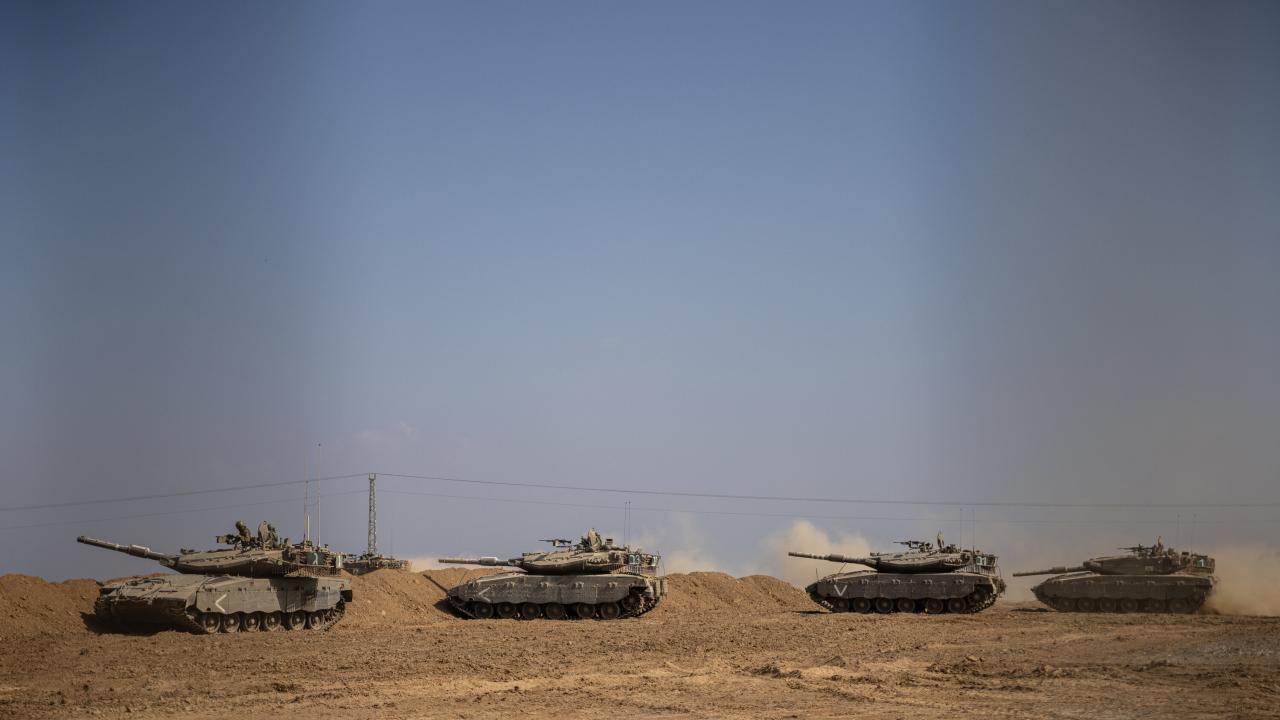
In conclusion, Congress Ukraine Israel aid represents a critical juncture in global affairs. The aid packages, while seemingly straightforward, are deeply intertwined with complex geopolitical realities and have significant implications for both the recipient nations and the international community. This analysis highlights the need for careful consideration of the multifaceted factors involved and the potential long-term consequences of these decisions.
Further investigation into the nuances of this aid will undoubtedly be vital for understanding the future trajectory of the situation.
Clarifying Questions: Congress Ukraine Israel Aid
What are the different types of aid being provided to Ukraine and Israel?
Ukraine receives primarily military and humanitarian aid, while Israel’s aid packages often include both military and economic support.
What is the role of international organizations in supporting these aid efforts?
Several international organizations play crucial roles in coordinating and delivering aid, including logistics, funding, and expertise. The specifics vary based on the type of aid and the particular needs of each nation.
How does public opinion influence congressional decisions on aid packages?
Public opinion, shaped by media coverage, political debates, and personal experiences, often influences the legislative process and can sway votes on aid packages. Politicians must navigate these varying viewpoints while considering the overall strategic objectives.
What are some potential long-term implications of these aid packages?
Long-term implications could include strengthening alliances, escalating tensions, or shifting regional power dynamics. The ongoing situation and future actions will influence the long-term outcomes.