
Teriyaki Chicken Stir Fry
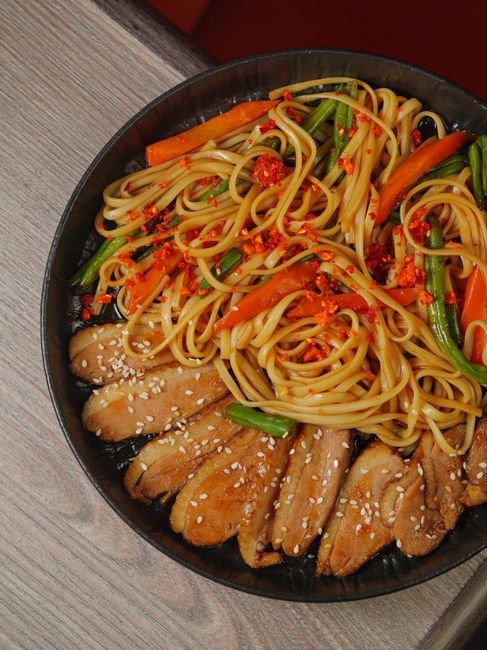
The Ultimate Teriyaki Chicken Stir Fry: A Step-by-Step Guide to Flavorful Perfection
Teriyaki chicken stir fry is a beloved dish, celebrated for its perfect balance of savory, sweet, and umami flavors, combined with the satisfying textures of tender chicken and crisp-tender vegetables. This versatile stir fry can be customized to suit individual preferences, making it an ideal weeknight meal for busy families or an impressive dish for entertaining. The foundation of any great teriyaki chicken stir fry lies in the quality of its ingredients and the execution of its cooking technique. Mastering this dish involves understanding the principles of stir-frying, where high heat and constant movement are key to achieving optimal results. This comprehensive guide will delve into every aspect of creating an exceptional teriyaki chicken stir fry, from selecting the finest ingredients to mastering the art of the sauce and the stir-frying process itself.
The cornerstone of this dish is, of course, the chicken. For teriyaki chicken stir fry, boneless, skinless chicken thighs are generally preferred over breasts. Thighs offer a richer flavor and remain more moist and tender during the high-heat cooking process, minimizing the risk of dryness. However, chicken breasts can also be used if preferred, though care must be taken to avoid overcooking. When preparing the chicken, uniform bite-sized pieces are crucial for even cooking. Aim for pieces approximately 1-inch in size. Before stir-frying, marinating the chicken is a critical step that infuses it with flavor and tenderizes it further. A simple marinade can consist of soy sauce, mirin (Japanese sweet rice wine), sake (Japanese rice wine), and a touch of sugar. Allow the chicken to marinate for at least 30 minutes, or up to several hours in the refrigerator for deeper flavor penetration. This marinating liquid will also contribute to the final teriyaki sauce, so reserving a portion of it before adding the chicken is a good practice.
Beyond the chicken, the vibrant array of vegetables is what elevates a teriyaki chicken stir fry from good to extraordinary. The beauty of stir-fry lies in its adaptability, allowing for the inclusion of a wide variety of produce. Classic choices include broccoli florets, bell peppers (various colors for visual appeal and distinct sweetness), snap peas or snow peas for their crisp texture, carrots for sweetness and crunch, and onions for their aromatic depth. Mushrooms, such as shiitake or cremini, add an earthy umami note. Garlic and ginger are indispensable aromatics that form the flavor base of many Asian cuisines and are absolutely essential for a robust teriyaki stir fry. Finely mince fresh garlic and ginger for maximum flavor release. When preparing vegetables, consistency in size is again important for even cooking. Broccoli florets should be similar in size, bell peppers and onions cut into bite-sized pieces, and carrots thinly sliced or cut into matchsticks. The order in which vegetables are added to the wok or pan is also crucial. Denser vegetables that require longer cooking times, like broccoli stems and carrots, should be added first, followed by quicker-cooking items like bell peppers and snap peas. This ensures that all vegetables are tender-crisp at the end of the cooking process, avoiding a mushy or undercooked texture.
The teriyaki sauce is arguably the soul of this dish. A truly authentic and delicious teriyaki sauce is a delicate balance of sweet and savory. While pre-made sauces are convenient, crafting your own from scratch offers superior flavor and allows for precise control over sweetness, saltiness, and thickness. The core components of a homemade teriyaki sauce are soy sauce, mirin, sake, and sugar. The soy sauce provides the salty, umami base. Mirin, a sweet rice wine, adds a subtle sweetness and a glossy sheen to the sauce. Sake contributes a depth of flavor and helps to tenderize the meat. Sugar, typically granulated or brown sugar, balances the saltiness and caramelizes during cooking, contributing to the characteristic glaze. A common ratio for a basic teriyaki sauce is 4 parts soy sauce, 2 parts mirin, 1 part sake, and 1 part sugar, but this can be adjusted to taste. For example, if you prefer a sweeter sauce, increase the sugar and mirin. For a saltier profile, slightly increase the soy sauce. A thickening agent is often incorporated to give the sauce its signature sticky consistency. Cornstarch or arrowroot powder, mixed with a little cold water to form a slurry, is typically whisked into the sauce towards the end of cooking. This slurry, when heated, will emulsify and thicken the sauce, allowing it to cling beautifully to the chicken and vegetables.
Beyond these core ingredients, there are several optional additions that can further enhance the complexity and appeal of your teriyaki chicken stir fry. A touch of honey or maple syrup can be used in place of some or all of the sugar for a different kind of sweetness and depth. A teaspoon of sesame oil, added at the very end of cooking or as a finishing drizzle, imparts a nutty, aromatic flavor that is characteristic of many Asian dishes. A pinch of red pepper flakes or a splash of sriracha can introduce a welcome hint of heat, catering to those who enjoy a spicier profile. For an extra layer of umami, a teaspoon of oyster sauce can be incorporated into the teriyaki sauce mixture. Freshly grated orange zest can add a bright, citrusy counterpoint to the rich flavors of the teriyaki sauce.
The cooking vessel is as important as the ingredients themselves. A wok is the traditional and ideal tool for stir-frying due to its sloped sides and large surface area, which allow for rapid and even heating. The curved bottom also facilitates efficient tossing and turning of ingredients, ensuring that everything is exposed to the heat. If a wok is not available, a large, heavy-bottomed skillet or frying pan will suffice. The key is to ensure that the pan is large enough to accommodate all the ingredients without overcrowding, as overcrowding will lead to steaming rather than stir-frying, resulting in soggy food.
The process of stir-frying demands precision and speed. Heat the wok or skillet over high heat until it is very hot, but not smoking excessively. Add a neutral, high-smoke-point oil, such as vegetable oil, canola oil, or peanut oil. Once the oil is shimmering, add the marinated chicken in a single layer. Avoid overcrowding the pan; cook the chicken in batches if necessary. Sear the chicken until it is golden brown on all sides and cooked through. Remove the chicken from the wok and set it aside. This searing process develops a delicious crust and locks in the juices.
Next, add a little more oil to the hot wok if needed. Add the minced garlic and ginger, and stir-fry for about 30 seconds until fragrant. Be careful not to burn them, as burnt garlic and ginger can impart a bitter taste. Add the harder vegetables, such as carrots and broccoli stems, and stir-fry for 2-3 minutes until they begin to soften. Then, add the quicker-cooking vegetables like bell peppers, snap peas, and broccoli florets. Continue to stir-fry for another 3-5 minutes, or until the vegetables are crisp-tender. The goal is to achieve vegetables that are cooked through but still have a pleasant bite.
Once the vegetables are nearing their desired tenderness, return the cooked chicken to the wok. Pour the prepared teriyaki sauce over the chicken and vegetables. Stir well to coat everything evenly. If you reserved some of the marinade liquid, you can add it now for extra flavor. Bring the sauce to a simmer and continue to cook for another 1-2 minutes, stirring constantly, until the sauce thickens and coats the ingredients. If you are using a cornstarch slurry, whisk it into the simmering sauce and cook until it thickens to your desired consistency.
The final presentation of your teriyaki chicken stir fry is also an important consideration. Serve the stir fry immediately, as it is best enjoyed fresh. It is traditionally served over steamed white rice, but brown rice, quinoa, or even noodles are excellent alternatives. Garnish the dish with toasted sesame seeds for a nutty crunch and a visual appeal. Thinly sliced scallions (green onions) add a fresh, oniony bite and a vibrant green color. A sprinkle of chopped peanuts or cashews can add another layer of texture and flavor.
Troubleshooting common stir-fry issues can elevate your cooking. If your vegetables are too soft, you may have overcrowded the pan, leading to steaming. Ensure you are using high heat and cooking in batches if necessary. If your sauce is too thin, you may need to add more cornstarch slurry or simmer it for a bit longer. If it’s too thick, a splash of water or broth can help to thin it out. Overcooked chicken is a frequent problem; remember that chicken thighs are more forgiving, and cooking chicken breasts requires precise timing. Marinating is your best friend for tender, flavorful chicken.
For those looking to adapt this recipe for dietary needs, modifications are straightforward. For a gluten-free teriyaki chicken stir fry, substitute tamari or coconut aminos for soy sauce. Ensure that any pre-made sauces or ingredients are certified gluten-free. For a vegetarian or vegan version, replace the chicken with firm or extra-firm tofu or tempeh. Press the tofu to remove excess water before cubing and marinating. Plant-based proteins will absorb the teriyaki flavors beautifully. Vegetable broth can be used in place of sake if desired.
Exploring regional variations of teriyaki chicken stir fry can also be an interesting culinary journey. While the core concept remains, different regions or families may incorporate unique ingredients or flavor profiles. Some might add a touch of pineapple for a tropical sweetness, while others might lean into spicier elements with the addition of chilies. Understanding these subtle differences can inspire further culinary experimentation.
In conclusion, mastering teriyaki chicken stir fry involves a holistic approach. From the careful selection of high-quality chicken and fresh, crisp vegetables to the artful creation of a balanced and flavorful teriyaki sauce, each element plays a vital role. The principles of high-heat stir-frying, understanding ingredient cooking times, and the importance of not overcrowding the pan are fundamental to achieving a delicious and visually appealing dish. By following these detailed steps and embracing the flexibility of this classic recipe, you can consistently create a teriyaki chicken stir fry that is both satisfying and spectacular. This dish is more than just a meal; it’s an experience that brings together vibrant flavors, appealing textures, and a touch of culinary mastery.
