
Roasted Tomatoes With Garlic 2
The Ultimate Guide to Roasting Tomatoes with Garlic: Flavor, Technique, and Versatility
Roasting tomatoes with garlic is a fundamental culinary technique that transforms humble ingredients into a flavor powerhouse. The process caramelizes the natural sugars within the tomatoes, intensifies their sweetness, and mellows their acidity, while the garlic becomes sweet, fragrant, and spreadable. This simple preparation unlocks a depth of flavor that elevates a wide array of dishes, from simple pasta sauces and bruschetta to complex stews and dips. Understanding the nuances of roasting tomatoes and garlic, including ingredient selection, optimal temperatures, and common pitfalls, is crucial for achieving consistently delicious results. This comprehensive guide will delve into the science behind the transformation, the best practices for preparation, and the astonishing versatility of this cornerstone ingredient.
The magic of roasting tomatoes with garlic lies in the chemical reactions that occur under heat. Tomatoes are rich in glutamic acid, a compound responsible for the umami flavor, and sugars like fructose and glucose. When exposed to the dry heat of an oven, these sugars caramelize, a process where sugar molecules break down and reform into more complex compounds, creating brown pigments and a sweet, nutty flavor. Simultaneously, the water content within the tomatoes evaporates, concentrating their natural juices and intensifying their inherent taste. The heat also causes the cell walls of the tomatoes to break down, releasing more flavor compounds and creating a softer, more yielding texture. Garlic, composed primarily of sulfur compounds, undergoes a similar transformation. The allicin, responsible for raw garlic’s pungent bite, is converted into less pungent, sweeter compounds like diallyl disulfide and ajoene. This conversion not only mellows the sharp intensity of raw garlic but also imparts a distinct, complex sweetness and a creamy, almost buttery texture. The combination of these intensified tomato flavors and the softened, sweet garlic creates a synergistic effect, producing a flavor profile far greater than the sum of its parts.
Selecting the right tomatoes is paramount for successful roasting. While almost any tomato can be roasted, certain varieties lend themselves particularly well to this preparation due to their flavor and water content. Roma tomatoes, also known as plum tomatoes, are an excellent choice. Their thick flesh and lower seed and water content make them less prone to becoming watery and mushy during roasting. They also possess a robust, sweet flavor that intensifies beautifully. Cherry tomatoes, including grape, grape, and Juliet varieties, are also fantastic for roasting. Their small size means they cook relatively quickly, and their skins burst, releasing their sweet juices and creating a delightful, concentrated flavor. Heirloom tomatoes, with their diverse shapes, colors, and flavor profiles, can also be spectacular when roasted, although their higher water content might require slightly longer roasting times or more careful observation to prevent overcooking. Avoid tomatoes that are overly mealy or have soft spots, as these indicate an inferior flavor and texture that roasting will not be able to salvage. The ripeness of the tomato is also key. Look for tomatoes that are firm but yield slightly to gentle pressure, with vibrant, unblemished skin. Overripe tomatoes may become mushy, while underripe tomatoes will lack sweetness and can be mealy.
Garlic selection is equally important. While any garlic will technically work, using fresh, firm heads of garlic is best. The cloves should be plump and free from soft spots or discoloration. For roasting, garlic cloves are typically left whole or halved, allowing them to roast gently without burning. The papery outer skins are usually left on, acting as a natural protective wrapper that steams the garlic from within, contributing to its creamy texture and sweet flavor. If you are using garlic that has already begun to sprout, the green shoot can impart a slightly bitter flavor, so it’s generally advisable to remove it if present. The quantity of garlic is a matter of personal preference, but a good starting point is at least one clove per pound of tomatoes, with many opting for significantly more to achieve a richer garlic flavor.
The roasting process itself is straightforward but requires attention to detail for optimal results. Preheat your oven to a moderate temperature, typically between 375°F (190°C) and 425°F (220°C). Lower temperatures will result in a slower, more gradual caramelization, while higher temperatures will yield a quicker roast with potentially more charring. A common recommendation is to start with 400°F (200°C). Prepare your tomatoes by washing them and cutting them into manageable pieces. For larger tomatoes like Romas or heirlooms, quartering or halving them is usually sufficient. Cherry tomatoes can be left whole or halved if they are particularly large. Toss the cut tomatoes with olive oil, salt, and pepper. The olive oil helps to conduct heat, promote browning, and prevent sticking. Salt is crucial for drawing out moisture and enhancing flavor. Freshly cracked black pepper adds a subtle warmth and complexity. Arrange the seasoned tomatoes in a single layer on a baking sheet. Overcrowding the pan will steam the tomatoes rather than roast them, leading to a less desirable texture and flavor. If using whole garlic cloves, trim off the top quarter-inch to expose the cloves. You can also add whole, unpeeled garlic cloves to the baking sheet alongside the tomatoes, or if you prefer the garlic more integrated, you can cut larger tomatoes and stuff the garlic cloves into their crevices. Drizzle the garlic with a little olive oil and season with salt and pepper.
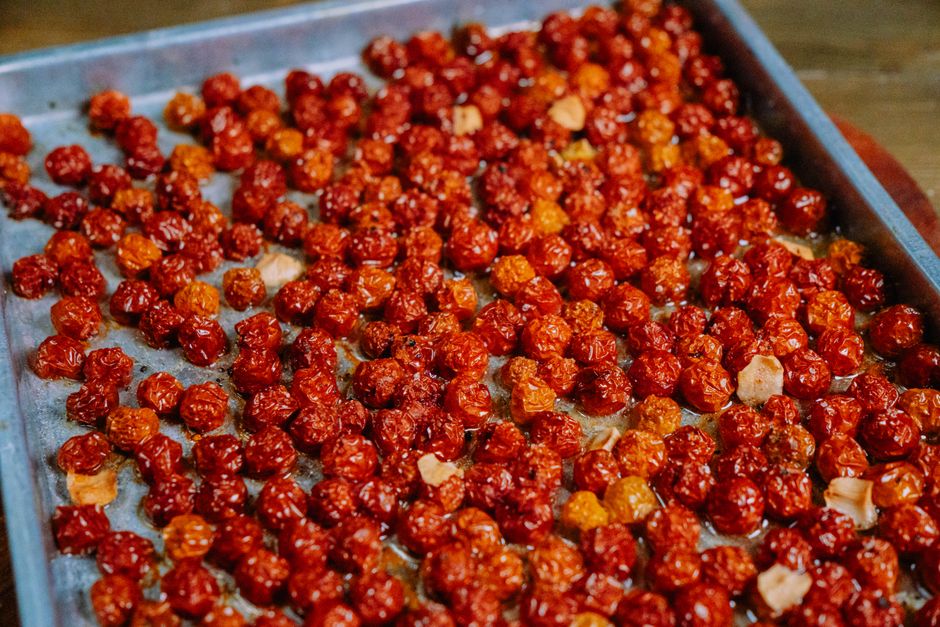
The roasting time will vary depending on the size and type of tomatoes, as well as the oven temperature. For cherry tomatoes, expect them to roast for 15-25 minutes, until they begin to soften and their skins blister. For larger tomato pieces, roasting time can range from 30-45 minutes, or even up to an hour for very large pieces or when aiming for a more concentrated, jammy consistency. The tomatoes are ready when they are tender, slightly shriveled, and have developed caramelized edges. The garlic should be soft and fragrant, easily mashed with a fork. It’s important to monitor the roasting process to prevent burning, especially with smaller tomatoes or at higher temperatures. If the garlic or tomatoes start to brown too quickly, you can loosely tent the baking sheet with foil.
Once roasted, the tomatoes and garlic can be used immediately or stored for later use. Cool them slightly before handling. The roasted garlic cloves can be easily squeezed out of their skins and mashed into a paste. The roasted tomatoes can be used whole, chopped, or pureed. Roasted tomatoes and garlic can be stored in an airtight container in the refrigerator for up to 5 days. They can also be frozen, either as a puree or as whole pieces, for longer storage. Freezing may slightly alter the texture, but the flavor will remain excellent.
The versatility of roasted tomatoes with garlic is truly remarkable, making them a staple ingredient for any home cook. Here are just a few of the many ways to incorporate them into your cooking:
Sauces and Pastas: This is perhaps the most obvious and popular application. Roasted tomatoes with garlic form the foundation of an incredibly flavorful and easy marinara sauce. Simply puree the roasted tomatoes and garlic with a touch of reserved roasting oil and any desired seasonings. Toss with your favorite pasta for a quick and delicious meal. The roasted flavor adds a depth that raw or simmered sauces can’t replicate. You can also add them to creamy sauces, pesto, or ragùs to enhance their complexity.
Bruschetta and Toasts: Spread mashed roasted garlic onto toasted bread, then top with the roasted tomatoes. A drizzle of balsamic glaze, a sprinkle of fresh basil, or a crumble of feta cheese can elevate this simple appetizer to gourmet status. It’s a fantastic way to showcase the concentrated flavor of the roasted ingredients.
Soups and Stews: Adding roasted tomatoes and garlic to the beginning stages of soup or stew recipes will imbue the entire dish with their rich flavor. They can be added directly to the pot or pureed and stirred in for a smoother texture. Think lentil soup, minestrone, or a hearty beef stew.
Dips and Spreads: Blend roasted tomatoes and garlic with cream cheese, ricotta, or even cannellini beans to create a vibrant and flavorful dip. A touch of herbs like rosemary or thyme further enhances the taste. This makes for an excellent party appetizer or a flavorful spread for sandwiches.
Salads: Toss whole roasted cherry tomatoes with your favorite greens. The warm, sweet tomatoes provide a delightful contrast to crisp lettuce. They can also be added to grain salads, bean salads, or potato salads for an extra burst of flavor.
Roasted Vegetable Medleys: Combine roasted tomatoes and garlic with other vegetables like bell peppers, zucchini, or onions for a beautiful and flavorful side dish. The combined roasting process allows the flavors to meld together beautifully.
Pizza Toppings: Scatter roasted tomatoes and garlic over your pizza dough before baking. The intense flavor of the roasted ingredients will transform a basic pizza into something extraordinary.
Omelets and Frittatas: Chop roasted tomatoes and garlic and mix them into your egg base for a flavorful and colorful omelet or frittata.
Marinades and Glazes: Pureed roasted tomatoes and garlic can be used as a base for marinades for chicken, fish, or pork. They also make a delicious glaze for roasted meats.
Flavor Enhancer for Grains: Stir chopped roasted tomatoes and garlic into cooked quinoa, rice, or farro for a quick and flavorful side dish.
When considering troubleshooting common issues with roasted tomatoes and garlic, several factors can lead to less-than-ideal results. One common problem is watery tomatoes. This can be caused by overcrowding the pan, which leads to steaming, or by using very juicy tomato varieties without adequate roasting time for evaporation. Ensure tomatoes are cut into pieces that allow for good air circulation on the baking sheet and that they are not packed too tightly. Another issue is burnt garlic or tomatoes. This often results from too high an oven temperature or roasting for too long. Keep a close eye on the ingredients, especially towards the end of the cooking time, and adjust the temperature or remove them from the oven as needed. Under-roasted tomatoes can be mealy or lack the desired sweetness. This can be addressed by increasing the roasting time or slightly increasing the oven temperature. Inconsistent cooking can also occur if the tomato pieces are of vastly different sizes. Aim for uniform cuts to ensure even roasting. Finally, a lack of flavor can be attributed to insufficient seasoning. Don’t be shy with the salt and pepper; they are essential for bringing out the best in the tomatoes and garlic.
The nutritional benefits of roasted tomatoes and garlic are also noteworthy. Tomatoes are an excellent source of vitamins C and K, as well as potassium and folate. They are also rich in lycopene, a powerful antioxidant that has been linked to various health benefits, including reducing the risk of certain cancers and heart disease. Lycopene is more readily absorbed by the body when tomatoes are cooked, making roasted tomatoes particularly beneficial. Garlic, renowned for its medicinal properties, is a good source of manganese, vitamin B6, and vitamin C. It contains allicin, which is believed to have antibacterial, antiviral, and antifungal properties, as well as contributing to heart health by helping to lower cholesterol and blood pressure. The roasting process does not significantly diminish these nutritional values, making roasted tomatoes with garlic a healthy and flavorful addition to any diet.
In conclusion, mastering the art of roasting tomatoes with garlic is a culinary skill that offers immense rewards. Its simplicity belies its profound impact on flavor, transforming everyday ingredients into a versatile and delicious component of countless dishes. By understanding the principles of ingredient selection, precise technique, and recognizing potential pitfalls, home cooks can consistently achieve exceptional results. From elevating pasta sauces to creating vibrant appetizers, the applications are virtually limitless. This fundamental preparation is not just about cooking; it’s about unlocking inherent flavors and creating culinary magic that satisfies the palate and nourishes the body. Investing the time to roast tomatoes with garlic is an investment in deliciousness and culinary creativity.
