
Banana Chocolate Chip Cookies 3
Banana Chocolate Chip Cookies: A Comprehensive Guide to Perfecting Your Batch
Achieving the perfect banana chocolate chip cookie is a culinary endeavor that marries the sweet, natural moisture of ripe bananas with the rich indulgence of melted chocolate. This guide delves deep into the science and art of creating these beloved treats, offering insights into ingredient selection, method optimization, troubleshooting common issues, and variations to elevate your cookie game. We will explore the critical role of banana ripeness, the impact of fat types, the nuances of flour and leavening agents, and the optimal chocolate pairings. Understanding these elements will empower bakers to consistently produce cookies that are moist, chewy, and bursting with flavor.
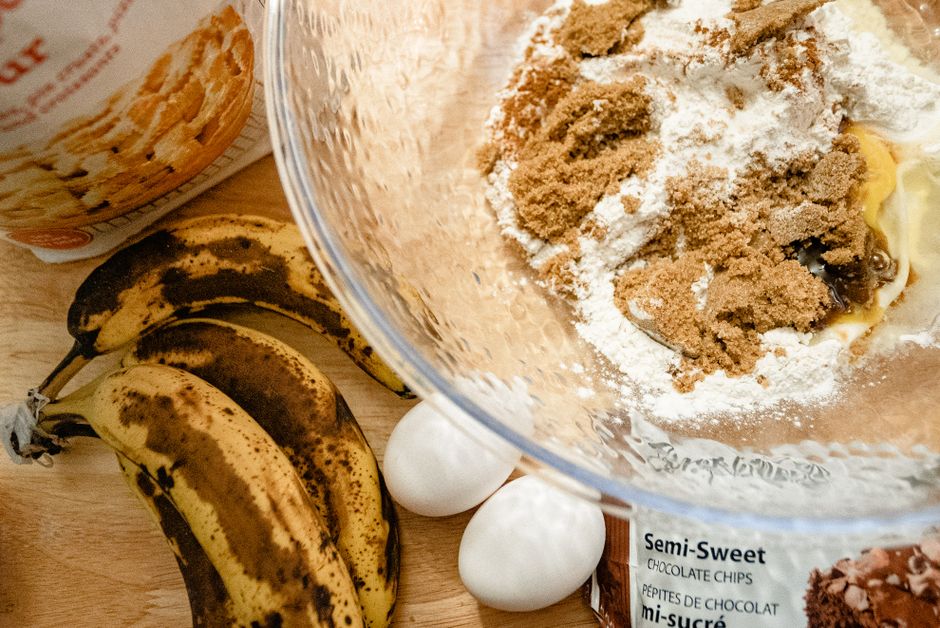
The foundation of any exceptional banana chocolate chip cookie lies in the bananas themselves. For optimal flavor and moisture, extremely ripe bananas are non-negotiable. Look for bananas with a speckled brown peel, bordering on black. These bananas have a higher sugar content and a softer, more yielding texture, which translates directly into a more intensely flavored and tender cookie. Underripe or even just yellow bananas will not provide the same depth of flavor or contribute the necessary moisture to the cookie dough. The sugar in the ripe bananas caramelizes during baking, adding a rich, complex sweetness that complements the chocolate beautifully. Mash the bananas thoroughly, aiming for a smooth consistency with minimal lumps. Some bakers prefer to mash them with a fork, while others opt for a food processor for a truly uniform texture. The amount of banana used is also crucial. Too little, and you won’t detect the banana flavor. Too much, and the cookies can become excessively cakey or even gummy. A good starting point is usually around one cup of mashed banana for a standard batch of cookies.
The choice of fat significantly influences the texture and spread of banana chocolate chip cookies. Butter, specifically unsalted butter, is the traditional choice and offers unparalleled flavor. For banana chocolate chip cookies, it’s often beneficial to use softened, but not melted, butter. Softened butter creates a creamy texture when creamed with sugar, incorporating air that contributes to a lighter cookie. Browned butter can add a delightful nutty depth, but it requires an extra step and can sometimes make cookies too crisp if not managed carefully. A combination of butter and a neutral oil, like vegetable or canola oil, can also yield excellent results. Oil contributes to moisture and chewiness, preventing the cookies from drying out. If using oil, a smaller amount might be necessary compared to an all-butter recipe to avoid greasiness. Some recipes also incorporate shortening. While it can contribute to a tender crumb, it lacks the flavor of butter and can result in a less desirable mouthfeel for those who prefer the rich taste of dairy fat. Experimentation with fat ratios can lead to a personalized perfect texture.
Sugar plays a multifaceted role in cookie baking, impacting sweetness, texture, and browning. A common combination in banana chocolate chip cookies involves both granulated sugar and brown sugar. Granulated sugar contributes to crispness and spread, while brown sugar, with its molasses content, adds moisture, chewiness, and a richer, caramel-like flavor. The ratio of these sugars is key. A higher proportion of brown sugar will lead to a chewier, more moist cookie, while a higher proportion of granulated sugar will result in a crisper cookie. For a classic banana chocolate chip cookie, a balance is often sought, with brown sugar slightly outweighing granulated sugar. Ensure the brown sugar is fresh and moist. Dry, hardened brown sugar will not dissolve properly, leading to a grainy texture. If your brown sugar has hardened, a quick fix involves microwaving it with a damp paper towel for a few seconds or storing it with a slice of apple overnight.
The binding and structural components of the cookie dough are primarily handled by eggs and flour. Eggs provide moisture, richness, and act as a binder, holding the ingredients together. For banana chocolate chip cookies, one large egg is typically sufficient for a standard batch. Overuse of eggs can lead to a cakey texture. The type of flour also matters. All-purpose flour is the most common choice, offering a good balance of gluten development for structure without excessive toughness. For a chewier cookie, some bakers opt for bread flour, which has a higher protein content, leading to more gluten. Conversely, cake flour, with its lower protein content, can result in a more tender, cake-like cookie. Many bakers find success using a combination of all-purpose flour and a small amount of cake flour for a desirable balance. Proper flour measurement is paramount. Spooning flour into your measuring cup and leveling it off with a straight edge is the most accurate method, as scooping directly from the bag can compact the flour, leading to too much flour in the dough and consequently, dry, tough cookies.
Leavening agents are crucial for achieving the desired rise and texture in cookies. Baking soda and baking powder are the most common. Baking soda requires an acidic ingredient to activate, which is provided by the bananas and brown sugar. It promotes browning and spread. Baking powder, on the other hand, contains both an acid and a base and provides leavening when moisture is added. For banana chocolate chip cookies, a combination of both is often used. The baking soda will react with the acidic components, while the baking powder will provide a slower, more sustained rise. Ensure your leavening agents are fresh. Expired baking soda and baking powder will not effectively leaven the dough, resulting in flat, dense cookies. A simple test for baking soda is to add a small amount to vinegar; it should fizz vigorously. For baking powder, add a teaspoon to hot water; it should bubble.
The inclusion of chocolate is, of course, a defining characteristic of these cookies. The type and quality of chocolate significantly impact the overall flavor. Semisweet chocolate chips are a classic choice, offering a good balance of sweetness and cocoa flavor that complements the banana. Milk chocolate chips provide a creamier, sweeter profile, while dark chocolate chips offer a more intense cocoa flavor that can cut through the sweetness of the banana and provide a delightful contrast. For a more sophisticated flavor, consider using chopped chocolate bars instead of chips. This allows for meltier pockets of chocolate and a more artisanal appearance. The amount of chocolate is a matter of personal preference, but a generous hand is often appreciated. Some bakers like to reserve a handful of chocolate chips to press onto the tops of the cookies before baking for an attractive finish.
The mixing method for banana chocolate chip cookies is essential for texture. The creaming method, where softened butter and sugars are beaten until light and fluffy, is a cornerstone for incorporating air. This air contributes to the cookie’s rise and tender crumb. Once the butter and sugar are creamed, add the mashed banana and egg, beating until just combined. Overmixing at this stage can toughen the dough. In a separate bowl, whisk together the dry ingredients: flour, baking soda, baking powder, and salt. Gradually add the dry ingredients to the wet ingredients, mixing on low speed or by hand until just combined. Do not overmix the dough once the flour is added, as this develops gluten, which can lead to tough cookies. Finally, gently fold in the chocolate chips.
Chilling the cookie dough is a highly recommended, yet often overlooked, step that dramatically improves the texture and flavor of banana chocolate chip cookies. Chilling allows the flour to hydrate more thoroughly, resulting in a tenderer cookie. It also solidifies the fat, which prevents excessive spreading during baking, leading to thicker, chewier cookies. Furthermore, chilling allows the flavors to meld and deepen, creating a more complex taste profile. Aim for at least 30 minutes of chilling, but an hour or even overnight in the refrigerator is ideal. For truly superior cookies, consider freezing scoops of dough for even slower melting and spreading.
Baking temperature and time are critical variables. Most banana chocolate chip cookie recipes call for a moderate oven temperature, typically between 350°F (175°C) and 375°F (190°C). A slightly higher temperature can promote quicker browning and a crisper edge, while a slightly lower temperature can result in a softer, chewier cookie. The baking time will vary depending on the size of the cookies and your oven. Cookies are typically done when the edges are set and lightly golden, while the centers still appear slightly soft and underbaked. They will continue to cook and firm up on the baking sheet after being removed from the oven. Overbaking is a common mistake that leads to dry, hard cookies. It’s better to err on the side of slightly underbaking and letting them finish on the pan.
Troubleshooting common issues can help refine your banana chocolate chip cookie technique. If your cookies are spreading too much, consider chilling the dough for longer, using less fat, or reducing the amount of granulated sugar. If your cookies are too cakey, you may have used too much flour, too much egg, or overmixed the dough. Conversely, if they are too dense, ensure your leavening agents are fresh and that you haven’t overmixed. For a dry cookie, review your flour measurement and baking time. Ensure your bananas are sufficiently ripe and contributing enough moisture. If the banana flavor is too subtle, try using even riper bananas or a slightly higher proportion.
Variations on the classic banana chocolate chip cookie are abundant and can elevate this beloved treat. Adding chopped nuts, such as walnuts or pecans, provides a delightful crunch and nutty flavor. A pinch of cinnamon or nutmeg can add warmth and spice. For a more decadent experience, try drizzling melted chocolate over the cooled cookies or incorporating a swirl of peanut butter into the dough. White chocolate chips offer a different sweet profile that pairs well with banana. For a gluten-free option, experiment with a high-quality gluten-free all-purpose flour blend, and be mindful that gluten-free doughs may require slightly different hydration levels and baking times. Vegan versions can be achieved by substituting the egg with a flax egg (1 tablespoon ground flaxseed mixed with 3 tablespoons water, left to sit for 5-10 minutes) or a commercial egg replacer, and using plant-based butter or coconut oil.
The storage of banana chocolate chip cookies is also important for maintaining their freshness. Once completely cooled, store them in an airtight container at room temperature. They will typically stay fresh for 3-4 days. For longer storage, they can be frozen. Individually wrap cooled cookies in plastic wrap, then place them in a freezer-safe bag or container. They will keep for up to 3 months. To thaw, remove them from the freezer and let them come to room temperature. Reheating them briefly in a low oven can help restore some of their initial texture. Understanding these storage methods ensures you can enjoy your delicious creations for an extended period.
