
Twice Baked Potatoes For The Freezer
Twice Baked Potatoes for the Freezer: A Comprehensive Guide to Make-Ahead Success
Freezing twice-baked potatoes offers a convenient and delicious solution for busy individuals and families seeking to enjoy a comforting, home-cooked meal with minimal effort. The process, when executed correctly, results in perfectly cooked potatoes with a creamy, flavorful filling that reheats beautifully, making them an ideal make-ahead option. This guide provides a detailed, SEO-friendly approach to preparing and freezing twice-baked potatoes, covering ingredient selection, preparation techniques, freezing methods, reheating instructions, and storage best practices, ensuring optimal taste and texture.
The foundation of an excellent frozen twice-baked potato lies in selecting the right potato variety. Russet potatoes (also known as Idaho potatoes) are universally recognized as the superior choice for twice-baked potatoes due to their high starch content and fluffy texture when baked. This inherent fluffiness translates well to reheating, preventing a gummy or dense outcome. Aim for medium to large-sized Russets, ensuring they are firm, free from blemishes, and have smooth, unbroken skins. Avoid potatoes with green spots, which indicate solanine, a naturally occurring toxin that can impart a bitter taste. Thoroughly wash and scrub the potatoes under cool running water to remove any dirt or debris. Pricking each potato several times with a fork before baking is crucial. This allows steam to escape during the initial baking process, preventing them from bursting and ensuring even cooking.
The initial baking of the potatoes is a critical step that impacts their texture after freezing and reheating. Preheat your oven to 400°F (200°C). While some recipes advocate for wrapping potatoes in foil, this method steams them, resulting in a less fluffy interior. For optimal results, bake the potatoes directly on the oven rack or on a baking sheet. This allows the skin to crisp slightly and the flesh to become tender and mealy. The baking time will vary depending on the size of the potatoes, but generally, aim for 50-70 minutes, or until a fork or skewer easily pierces the flesh. The goal is for the potatoes to be fully cooked but not mushy. Overbaking at this stage can lead to a tougher texture upon reheating. Once baked, remove the potatoes from the oven and allow them to cool sufficiently to handle safely.
The scooping and filling stage is where the magic of twice-baked potatoes truly happens. Once cooled, carefully slice each potato lengthwise, about two-thirds of the way through, creating a boat-like cavity. Use a spoon to gently scoop out the cooked potato flesh into a separate mixing bowl, leaving a thin layer of flesh (about ¼ inch) attached to the skin. This remaining flesh provides structural integrity to the potato skin, preventing it from collapsing. The scooped-out potato flesh should be mashed thoroughly, breaking down any large lumps. This mashed potato will form the base of your filling.
The classic twice-baked potato filling typically includes butter, milk or cream, salt, and pepper. For optimal freezing, it’s advisable to use whole milk or heavy cream, as these fats contribute to a richer, more decadent texture that holds up better after thawing. A good starting ratio is approximately 2-3 tablespoons of butter and ¼ cup of milk or cream per 2 medium potatoes worth of scooped flesh. Season generously with salt and pepper to taste. Other popular additions that freeze well include shredded cheese (cheddar, Monterey Jack, or a blend are excellent choices), cooked and crumbled bacon, chopped chives or green onions, and sour cream. When incorporating cheese, be mindful that some cheeses can become oily when frozen and reheated. Harder cheeses like cheddar tend to fare better. If using sour cream, it can sometimes separate upon thawing; consider adding it just before reheating or opting for crème fraîche which is more stable. Mix all ingredients thoroughly until well combined and creamy. Avoid overmixing, which can develop the starches and make the filling gummy.
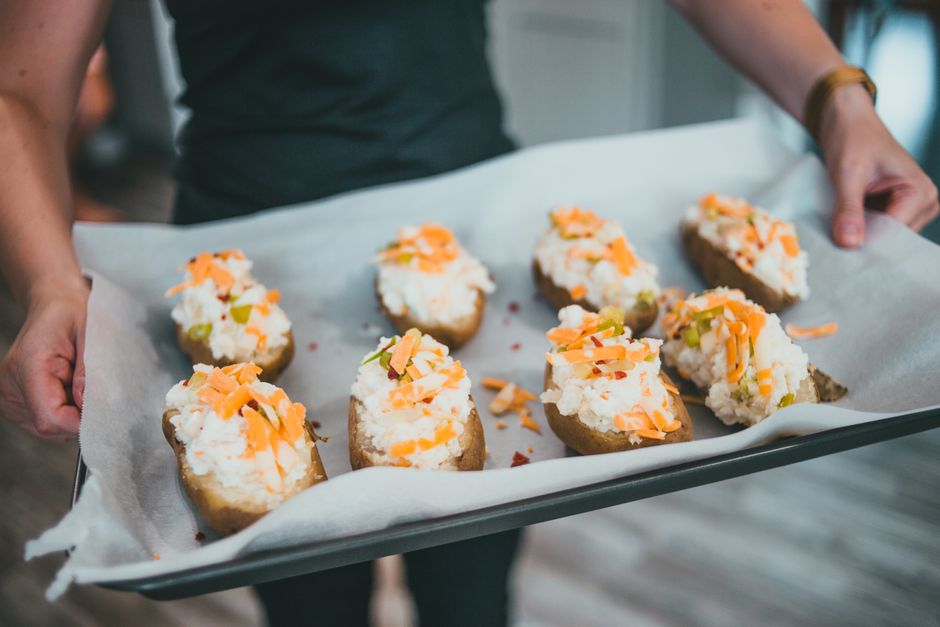
Once the filling is prepared, it’s time to stuff the potato skins. Generously spoon the filling back into the hollowed-out potato skins, mounding it slightly. Aim for an even distribution of filling. For a visually appealing finish, you can use a fork to create decorative lines or peaks on top of the filling. This also helps the top brown nicely during the final baking. At this point, you have a few options for preparing the potatoes for freezing.
Option 1: Fully Baked and Cooled. For this method, after stuffing, you would proceed to the second baking. Preheat your oven to 350°F (175°C). Bake the stuffed potatoes for 20-25 minutes, or until the filling is heated through and the topping is golden brown and slightly crispy. Once baked, allow them to cool completely before proceeding to the freezing step. This method offers the quickest reheating time but can sometimes result in a slightly softer skin after freezing.
Option 2: Stuffed and Unbaked. This is the preferred method for optimal texture preservation. After stuffing the potato skins, you will not bake them again before freezing. This allows for a more thorough second baking upon reheating, resulting in a fresher taste and better texture.
Regardless of which preparation method you choose, the cooling stage before freezing is paramount. Allowing the twice-baked potatoes to cool completely to room temperature prevents condensation from forming inside the packaging. Condensation can lead to ice crystals, which damage the texture of the potatoes and can cause freezer burn.
Proper packaging is essential for successful freezer storage and preventing freezer burn. Once the twice-baked potatoes have cooled completely, wrap each individual potato tightly in plastic wrap. Ensure there are no air pockets. After wrapping in plastic wrap, place the individually wrapped potatoes in a heavy-duty freezer bag or an airtight freezer-safe container. If using freezer bags, remove as much air as possible before sealing. This double-layer of protection is crucial for maintaining quality. Label each bag or container with the date of freezing and the contents. This helps you keep track of your frozen goods and ensures you use them within their optimal storage period. For best quality, consume frozen twice-baked potatoes within 1-2 months.
When it comes to reheating frozen twice-baked potatoes, the goal is to heat them through without drying them out or making them soggy. The best reheating method will depend on whether you fully baked them before freezing or froze them after stuffing but before the second bake.
If you fully baked and cooled the potatoes before freezing (Option 1), reheating is straightforward. Preheat your oven to 350°F (175°C). Place the frozen, individually wrapped potatoes directly on a baking sheet. Bake for 20-30 minutes, or until heated through. You can remove the plastic wrap for the last 5-10 minutes of baking if you desire a crispier skin. Alternatively, you can microwave them for 3-5 minutes, or until hot, but this method may result in a softer skin.
If you stuffed the potatoes and froze them unbaked (Option 2), the reheating process will involve the second baking. Preheat your oven to 375°F (190°C). Remove the plastic wrap from the frozen potatoes and place them on a baking sheet. Bake for 40-50 minutes, or until the potatoes are heated through and the filling is bubbling and golden brown. If the potato skins start to brown too quickly before the filling is heated, you can loosely tent the potatoes with aluminum foil. Microwaving unbaked frozen twice-baked potatoes is not recommended, as it is unlikely to heat them through evenly and achieve the desired crispy exterior.
Another effective reheating method for both types of frozen twice-baked potatoes is using an air fryer. Preheat your air fryer to 375°F (190°C). Place the frozen potatoes in the air fryer basket, ensuring not to overcrowd. Air fry for 15-25 minutes, flipping halfway through, until heated through and crispy. This method often yields excellent results with a nicely crisped skin.
The versatility of twice-baked potatoes makes them a perfect base for various toppings. Once reheated, consider adding fresh toppings like a dollop of sour cream or Greek yogurt, a sprinkle of fresh chives or parsley, a drizzle of hot sauce, or even some extra crumbled bacon. These fresh additions can elevate the flavor and presentation of your reheated potatoes.
To maximize the longevity and quality of your frozen twice-baked potatoes, adhere to proper food safety guidelines. Ensure all ingredients used in the filling are fresh and handled properly before cooking. Cool the potatoes completely before freezing. Use high-quality freezer bags or containers to minimize air exposure. Practice the "first-in, first-out" principle for your frozen goods. Regularly check your freezer for any signs of freezer burn, which may manifest as dry, discolored patches on the potatoes. If you notice significant freezer burn, it’s best to discard the affected portion or the entire potato if the quality has been compromised.
Twice-baked potatoes, when prepared with freezing in mind, are a culinary workhorse. They offer a convenient and satisfying meal solution that can be enjoyed weeks after their initial preparation. By focusing on ingredient quality, proper cooking techniques, meticulous packaging, and appropriate reheating methods, you can ensure that your frozen twice-baked potatoes deliver the same deliciousness and comfort as their freshly made counterparts. This guide provides the essential knowledge to master the art of freezing twice-baked potatoes, making them a go-to option for quick and easy meals.
