
Chewy Strawberry Sugar Cookies
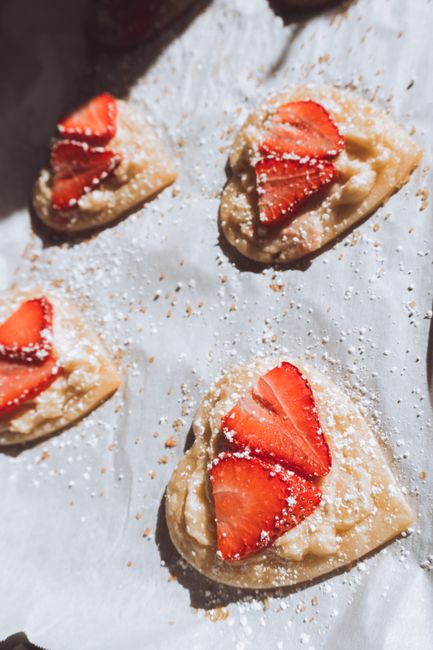
Chewy Strawberry Sugar Cookies: A Guide to Baking Perfect, Fruit-Infused Treats
The pursuit of the perfect chewy sugar cookie is a culinary quest for many bakers. Achieving that ideal balance of soft, yielding centers and slightly crisp edges, all while imparting a delightful sweetness, can be elusive. When strawberries are introduced into this classic equation, the result is an elevated experience: chewy strawberry sugar cookies. This article delves deep into the science and art of creating these vibrant, fruit-kissed delights, covering ingredient selection, precise techniques, common pitfalls, and variations to inspire your next baking adventure. Understanding the fundamental principles behind cookie structure and flavor infusion is key. The moisture content of the strawberries, the type of fat used, the ratio of sugar to flour, and the baking temperature all play critical roles in the final texture and taste.
Ingredient selection is paramount for achieving optimal chewiness and strawberry flavor in your sugar cookies. For the butter, unsalted butter is the preferred choice as it allows for greater control over the salt content, which can subtly influence flavor and texture. Using softened butter, not melted, is crucial for creating the airy structure that contributes to chewiness. The fat crystals in softened butter trap air when creamed with sugar, and this trapped air expands during baking, leading to a lighter, chewier cookie. Granulated sugar provides sweetness and also contributes to spread and crispness. A portion of brown sugar, specifically light brown sugar, is highly recommended. Brown sugar contains molasses, which is hygroscopic, meaning it attracts and retains moisture. This retained moisture is a primary driver of chewiness in baked goods, preventing them from becoming dry and crumbly. The combination of granulated and brown sugar offers a complex sweetness and the ideal moisture balance.
Eggs are another vital component. For chewy cookies, using an extra egg yolk in addition to a whole egg is a technique commonly employed by bakers. Egg yolks are rich in fat and lecithin, an emulsifier. The fat contributes to a richer, more tender cookie, while the lecithin helps bind the ingredients together, creating a smoother, chewier texture. The protein in egg whites, when cooked, can contribute to structure, but too many can lead to a drier, cake-like cookie. Therefore, the carefully calibrated inclusion of an egg yolk enhances chewiness without compromising the desired soft interior.
The flour choice directly impacts the cookie’s texture. All-purpose flour is generally suitable, but for maximum chewiness, consider using a flour with a lower protein content. Cake flour, for instance, has less gluten-forming protein than all-purpose flour. Gluten provides structure, but excessive gluten development can lead to tough cookies. By using a flour with a lower protein content, or by carefully managing mixing, you can minimize gluten formation, resulting in a more tender and chewy cookie. Always measure flour by weight using a kitchen scale for accuracy. Spooning flour into a measuring cup and leveling it can lead to as much as 20% more flour than intended, resulting in dense, dry cookies.
The star of this recipe, strawberries, requires careful preparation to avoid making the cookies soggy. Fresh strawberries are ideal for their vibrant flavor and natural sweetness. However, their high water content can be detrimental to cookie texture. Freeze-dried strawberries are an excellent alternative. When pulverized into a powder, they provide intense strawberry flavor without introducing excess moisture. If using fresh strawberries, they must be finely diced and then either lightly cooked down to reduce moisture or gently patted dry with paper towels. A common method is to sauté finely diced fresh strawberries in a dry pan over medium heat until the moisture evaporates and the berries begin to caramelize slightly. This concentrates their flavor and significantly reduces their water content. Alternatively, toss finely diced, well-dried strawberries with a tablespoon of cornstarch before incorporating them into the dough. The cornstarch will help absorb any residual moisture.
Incorporating the strawberry component is a nuanced step. If using freeze-dried strawberry powder, it can be added directly to the dry ingredients or creamed with the butter and sugar. This method ensures even distribution and intense flavor. If using prepared fresh strawberries (either cooked down or dried), they should be gently folded into the dough after the main ingredients are combined. Overmixing at this stage can break down the strawberries further, releasing more moisture, and can also overwork the gluten, leading to tougher cookies. The goal is to distribute the strawberry pieces evenly without agitating the dough excessively.
The creaming of butter and sugar is a foundational technique for achieving chewy cookies. Begin with softened, room-temperature butter. Cream it with both granulated and brown sugar until the mixture is light and fluffy, pale yellow in color, and significantly increased in volume. This process incorporates air into the fat, which will expand during baking, creating air pockets that contribute to a softer, chewier texture. This stage can take anywhere from 3 to 5 minutes with an electric mixer, or longer if done by hand. Do not rush this step. The airy structure created here is non-negotiable for chewiness.
Adding the eggs and vanilla extract follows the creaming process. Beat in the egg and then the extra egg yolk one at a time, ensuring each is fully incorporated before adding the next. This emulsifies the mixture, creating a stable base for the dry ingredients. Vanilla extract enhances the overall flavor profile and complements the strawberry.
The dry ingredients – flour, baking soda, and salt – should be whisked together separately. Baking soda is the primary leavening agent in most chewy cookie recipes. It reacts with acidic ingredients (in this case, the subtle acidity of strawberries and brown sugar) to produce carbon dioxide gas, which causes the cookies to spread and puff. Salt balances the sweetness and enhances the flavors of both the butter and the strawberries. Add the dry ingredients to the wet ingredients in two or three additions, mixing on low speed until just combined. It is crucial to avoid overmixing. Stop mixing as soon as you no longer see streaks of dry flour. Overmixing develops gluten, which will result in tough, cakey cookies.
Chilling the dough is a non-negotiable step for achieving the perfect chewy sugar cookie, especially when incorporating fruit. Chilling allows the fat to re-solidify, which slows down the spread of the cookies during baking, resulting in thicker, chewier cookies. It also allows the flour to fully hydrate, leading to a more tender texture. Furthermore, chilling the dough allows the flavors to meld and deepen. A minimum of 30 minutes is usually recommended, but several hours, or even overnight, will yield superior results. For strawberry sugar cookies, chilling is especially important to manage the moisture from the fruit and prevent excessive spread.
Scooping the dough evenly is essential for consistent baking. Use a cookie scoop of uniform size to ensure all cookies bake at the same rate. Rolling the dough into balls is an alternative, but a scoop provides more uniform results and avoids overworking the dough. Place the dough balls onto baking sheets lined with parchment paper. Parchment paper prevents sticking and facilitates easy cleanup, and it also helps promote even baking by creating a slight barrier between the dough and the hot baking sheet. Leave ample space between the cookie dough balls, as they will spread during baking.
Baking temperature and time are critical for achieving the desired texture. Preheat your oven to 350°F (175°C). This moderate temperature allows the cookies to bake through without burning the edges. The baking time will vary depending on the size of your cookies and your oven, but typically ranges from 9 to 12 minutes. The cookies are done when the edges are lightly golden brown, and the centers still appear slightly soft and underbaked. They will continue to set and firm up as they cool on the baking sheet. Overbaking is a common mistake that leads to dry, crispy cookies, so err on the side of caution.
Cooling is the final crucial step in the cookie-making process. Allow the cookies to cool on the baking sheet for 5 to 10 minutes before transferring them to a wire rack to cool completely. This resting period on the hot baking sheet allows the cookies to firm up sufficiently, preventing them from breaking when moved. Cooling on a wire rack promotes air circulation, preventing the bottoms from becoming soggy.
Troubleshooting common issues ensures success. If your cookies spread too much, your butter may have been too soft, or you may have over-creamed the butter and sugar. Another reason for excessive spread is baking at too low a temperature or not chilling the dough sufficiently. If your cookies are too cakey, you likely used too much flour, overmixed the dough, or overbaked them. For cookies that are too hard, you’ve likely overbaked them or used too much flour. The introduction of strawberries, especially fresh ones, can contribute to sogginess if not properly prepared. If your strawberry flavor is weak, ensure you are using enough freeze-dried powder or that your fresh strawberries have been cooked down effectively to concentrate their flavor.
Variations on the chewy strawberry sugar cookie theme offer endless possibilities. For a brighter, more pronounced strawberry flavor, consider adding a teaspoon of strawberry extract to the dough. A touch of lemon zest can also beautifully complement the strawberry flavor, adding a subtle citrus note. For a more decadent treat, consider drizzling the cooled cookies with a white chocolate glaze infused with a hint of strawberry or a simple lemon icing. Adding a few fresh, finely diced strawberries directly to the dough can be done, but this significantly increases the risk of sogginess and requires very careful drying and a potentially longer baking time. Incorporating white chocolate chips or chunks into the dough alongside the strawberries creates a delightful textural contrast and a complementary flavor pairing. For a festive touch, consider adding a few drops of pink food coloring to the dough to enhance the visual appeal, though this is purely aesthetic.
Storage is straightforward. Once completely cooled, chewy strawberry sugar cookies can be stored in an airtight container at room temperature for up to 3-4 days. For longer storage, they can be frozen. Place them in a single layer on a baking sheet until firm, then transfer them to a freezer-safe bag or container. They will keep well in the freezer for up to 3 months. Thaw at room temperature before enjoying.
The appeal of chewy strawberry sugar cookies lies in their vibrant flavor, delightful texture, and visual charm. By understanding the interplay of ingredients and mastering the fundamental baking techniques, you can consistently create these beloved treats that are sure to impress. From the precise measurement of flour to the crucial chilling of the dough, each step contributes to the final success of these fruity, chewy delights. Experimenting with variations allows for personalized creations, ensuring that the perfect chewy strawberry sugar cookie is always within reach. This comprehensive guide provides the knowledge to achieve bakery-quality results in your own kitchen.
