
High Protein Oatmeal For Athletes 2
High Protein Oatmeal for Athletes: Fueling Performance and Recovery
The quest for optimal athletic performance hinges on precise nutrition, and for many athletes, oatmeal has long been a foundational breakfast. While standard oatmeal provides complex carbohydrates for sustained energy, it often falls short in delivering the protein essential for muscle repair, growth, and overall recovery. This article delves into the science and practical application of high-protein oatmeal, specifically for athletes, exploring its benefits, optimal ingredient combinations, preparation methods, and strategic integration into training diets. Understanding how to maximize protein content in oatmeal transforms it from a simple carbohydrate source into a potent nutritional tool for demanding physical regimens.
The fundamental role of protein in an athlete’s diet cannot be overstated. During intense training sessions, muscle fibers experience micro-tears. Protein, composed of amino acids, serves as the building blocks to repair these tears, leading to muscle hypertrophy (growth) and increased strength. Furthermore, protein plays a crucial role in enzyme and hormone production, vital for metabolic processes and energy utilization. For endurance athletes, protein also contributes to the synthesis of enzymes involved in energy production and can be utilized as an energy source during prolonged exertion when carbohydrate stores are depleted. The recommended daily protein intake for athletes typically ranges from 1.2 to 2.0 grams per kilogram of body weight, depending on the sport, training intensity, and phase of training. Meeting these requirements consistently is paramount, and breakfast, being the first meal of the day, presents an ideal opportunity to kickstart protein intake. High-protein oatmeal offers a convenient and versatile vehicle to achieve this.
The limitations of traditional oatmeal in meeting these protein demands are clear. A typical serving of plain rolled oats (approximately 1/2 cup dry) contains around 5-6 grams of protein. While this contributes to the overall daily intake, it is insufficient as a primary protein source for an athlete seeking to optimize recovery and muscle adaptation. The high glycemic index of some oat preparations, coupled with low protein content, can also lead to rapid blood sugar spikes and subsequent crashes, hindering sustained energy levels and focus during training or competition. Therefore, strategic fortification of oatmeal with additional protein sources is not merely beneficial; it is a nutritional imperative for athletes aiming to push their performance boundaries.
Several scientifically validated strategies exist for elevating the protein content of oatmeal. The most direct and effective method involves incorporating protein powders. Whey protein, derived from dairy, is a popular choice due to its rapid absorption rate and complete amino acid profile, making it ideal for post-workout recovery. Casein protein, also dairy-based, digests more slowly, providing a sustained release of amino acids, which can be beneficial for overnight muscle repair. Plant-based protein powders, such as soy, pea, or rice protein, offer excellent alternatives for vegan or lactose-intolerant athletes. Combining different protein sources can further optimize the amino acid profile and absorption rates. For instance, mixing whey with casein or combining a plant-based blend can provide a more comprehensive nutritional benefit. The typical addition of 20-30 grams of protein powder to a standard oatmeal serving can elevate its protein content to 25-36 grams, significantly impacting its anabolic and recovery-promoting capabilities.
Beyond protein powders, whole food additions can substantially boost the protein content and overall nutritional value of oatmeal. Greek yogurt, with its thicker consistency and higher protein density compared to regular yogurt, is an excellent addition. A half-cup serving of plain Greek yogurt can contribute an additional 10-12 grams of protein. Cottage cheese, another dairy powerhouse, offers a similar protein punch and a slightly savory profile that can complement certain oatmeal flavorings. For plant-based options, nuts and seeds, such as almonds, walnuts, chia seeds, and flax seeds, provide not only protein but also healthy fats and fiber, which contribute to satiety and sustained energy release. Almond butter or peanut butter, when stirred into oatmeal, adds both protein and healthy fats. Even a tablespoon of each can contribute an additional 4-8 grams of protein. Legumes, while not a traditional oatmeal ingredient, can be creatively incorporated. Cooked lentils or black beans, blended and stirred in, can add a significant amount of plant-based protein and fiber, though this approach requires careful flavor balancing.
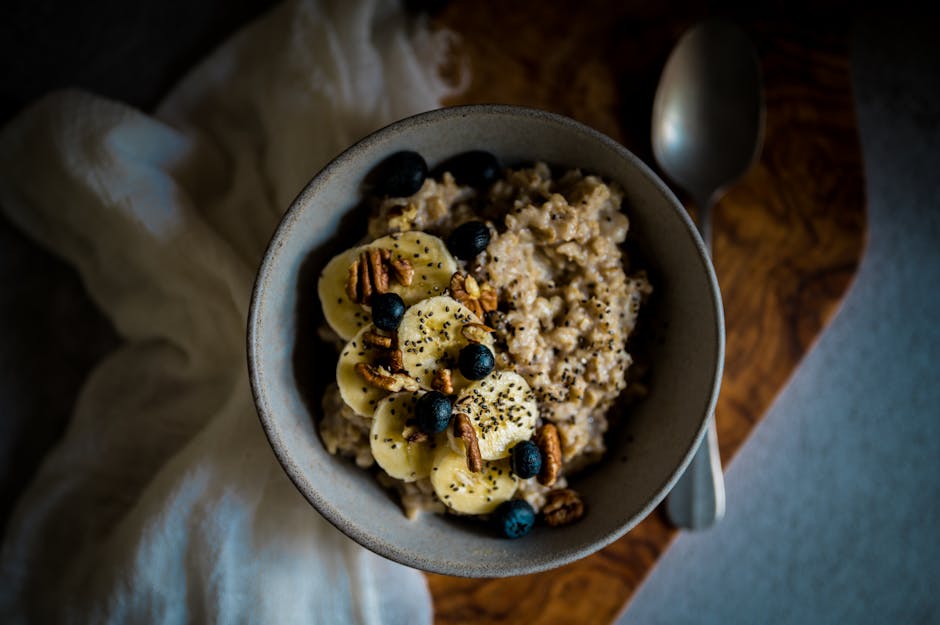
The preparation of high-protein oatmeal is crucial for maximizing nutrient absorption and palatability. Cooking oats with water or milk (dairy or non-dairy) forms the base. For individuals seeking maximum protein and calcium, using milk over water is advantageous. The protein powder is typically stirred in after the oats have cooked and the heat has been removed to prevent denaturation and clumping. Overheating protein powder can degrade its structure and reduce its bioavailability. Incorporating whole food protein sources like Greek yogurt or cottage cheese can be done towards the end of the cooking process or as toppings to maintain their texture and probiotic benefits (in the case of yogurt). Experimentation with flavorings is key to making high-protein oatmeal a sustainable part of an athlete’s diet. Natural sweeteners like honey, maple syrup, or stevia can be used sparingly. Spices such as cinnamon, nutmeg, and cardamom add depth of flavor without extra calories or sugars. Fruits, like berries or sliced bananas, provide essential vitamins, minerals, and antioxidants, complementing the protein and carbohydrate base.
The timing of high-protein oatmeal consumption is as important as its composition. For athletes, consuming a protein-rich breakfast within 1-2 hours of waking is ideal for initiating muscle protein synthesis after an overnight fast. This meal can also serve as an excellent pre-workout option, providing sustained energy and muscle-building support for training sessions. For endurance athletes, a larger portion of high-protein oatmeal can be consumed 2-3 hours before a long training session. For strength athletes, a high-protein breakfast can be particularly beneficial in supporting muscle recovery throughout the day. The satiety effect of protein and fiber in oatmeal can also help manage appetite and prevent overeating later in the day, aiding in body composition goals. Post-workout, while immediate protein and carbohydrate replenishment is often emphasized, a high-protein oatmeal can be a convenient and effective meal option within the post-exercise anabolic window, especially if training occurs later in the morning or early afternoon.
Specific athlete profiles can benefit from tailored high-protein oatmeal strategies. For bodybuilders and powerlifters focused on muscle hypertrophy, prioritizing protein sources like whey and casein, combined with nutrient-dense toppings such as nuts and seeds, is crucial. The emphasis is on maximizing amino acid availability for muscle repair and growth. For endurance athletes, the focus shifts towards sustained energy release and adequate protein for muscle preservation and repair. Complex carbohydrates from oats, combined with moderate protein from sources like Greek yogurt and additions of healthy fats from chia seeds or nut butters, provide this sustained fuel. For vegan athletes, plant-based protein powders, nuts, seeds, soy yogurt, and even blended silken tofu can be incorporated to ensure a complete amino acid profile and sufficient protein intake. Understanding the unique demands of their sport allows for precise customization of high-protein oatmeal.
Beyond the direct impact on muscle, high-protein oatmeal contributes to overall athletic well-being. The sustained energy release from complex carbohydrates prevents energy slumps, improving focus and endurance during training and competition. The satiety provided by protein and fiber can assist in weight management and body composition goals, crucial for athletes in weight-class sports or those aiming for optimal power-to-weight ratios. The diverse micronutrients found in fruits, nuts, and seeds added to oatmeal contribute to immune function and reduce exercise-induced inflammation. A well-nourished athlete is less susceptible to illness and injury, allowing for more consistent and effective training.
The integration of high-protein oatmeal into an athlete’s diet should be viewed within the context of their overall nutritional plan. It is not a singular solution but a powerful component of a balanced intake. Athletes must consider their total daily macronutrient and micronutrient targets, ensuring that their oatmeal choices complement other meals and snacks. Consulting with a sports nutritionist or registered dietitian can provide personalized guidance on optimal protein sources, quantities, and timing based on individual training regimens, goals, and dietary preferences. They can also help athletes navigate potential digestive sensitivities to certain protein powders or ingredients.
In conclusion, high-protein oatmeal represents a significant nutritional upgrade for athletes. By strategically incorporating protein powders and whole food sources, athletes can transform this breakfast staple into a potent fuel for performance, recovery, and muscle adaptation. Its versatility in preparation and adaptability to various dietary needs makes it a highly effective and sustainable dietary strategy. Prioritizing protein in the morning meal through fortified oatmeal provides a powerful foundation for athletes to meet their demanding training objectives and achieve their peak physical potential.
