
Gorton French Canadian Pork Spread
Gorton French Canadian Pork Spread: A Culinary Deep Dive into a Quebecois Staple
Gorton French Canadian pork spread, often referred to simply as "Gorton" or "pâté de porc," is a beloved and distinctly Quebecois culinary creation. Its rich, savory flavor and versatile texture have cemented its place on charcuterie boards, as a sandwich filling, and even as a component in more elaborate dishes. This article explores the history, ingredients, preparation, variations, and cultural significance of Gorton, providing comprehensive information for food enthusiasts, home cooks, and those seeking to understand this iconic Quebecois product. Understanding Gorton goes beyond a simple recipe; it delves into the heart of traditional French Canadian cuisine, highlighting resourcefulness, flavor development, and the enduring appeal of simple, honest ingredients. Its ubiquity in Quebecois homes and artisanal shops speaks to its deep cultural roots and continued relevance in contemporary gastronomy.
The foundational elements of Gorton French Canadian pork spread are remarkably straightforward, yet their combination creates a complex and satisfying flavor profile. At its core, Gorton is a pork spread, meaning pork is the primary ingredient. Typically, fattier cuts of pork are utilized, such as pork belly, shoulder, or even trimmings from other pork products. The fat content is crucial, as it provides the spread with its characteristic unctuousness and richness. This fat also plays a vital role in the texture, preventing the spread from becoming dry or crumbly. Beyond the pork itself, the seasonings are what truly elevate Gorton from a mere pork paste to a culinary delight. Common additions include salt and black pepper, essential for enhancing the natural flavors of the pork. Onions are almost universally included, finely minced and often sautéed to a point of translucence or even caramelization. This sautéing process mellows the sharpness of the onion and introduces a subtle sweetness that complements the pork. Garlic is another frequent addition, providing a pungent depth of flavor.
Regional and artisanal variations introduce a spectrum of additional ingredients that contribute to the unique character of different Gorton products. Spices such as nutmeg, cloves, and allspice are commonly found, adding warmth and aromatic complexity. These spices are often used sparingly, allowing the pork and onion to remain the dominant flavors. Some producers incorporate small amounts of brandy or cognac, which not only adds a subtle alcoholic note but also helps to tenderize the pork and introduce a layer of refined flavor. Liver, either pork or chicken, is a frequent addition, particularly in more traditional or artisanal versions. Liver contributes an earthy depth and a finer texture to the spread. The amount of liver can vary, with some Gortons being almost entirely pork-based while others have a more pronounced liver presence. This inclusion of liver is reminiscent of traditional European pâtés, reflecting historical culinary influences in Quebec.
The preparation of Gorton French Canadian pork spread, while seemingly simple, requires attention to detail and an understanding of flavor development. The process typically begins with the preparation of the pork. The chosen cuts of pork are usually cooked until tender, often by simmering or braising. This initial cooking stage is critical for breaking down the connective tissues and ensuring a smooth, spreadable final product. While some modern recipes might utilize pre-cooked pork, traditional methods emphasize cooking the pork from raw. Once cooked, the pork is cooled slightly to allow for easier handling. The finely minced onions and garlic are then typically sautéed in a bit of pork fat or butter until softened and aromatic. This sautéing step is essential for developing their sweetness and preventing a raw, harsh onion flavor from dominating the spread.
The cooked pork and sautéed aromatics are then combined. The textural goal of Gorton is typically a coarse pâté or spread, not a perfectly smooth purée. This is often achieved through a combination of grinding and manual chopping or mashing. Many traditional methods involve passing the cooked pork and aromatics through a meat grinder, using a coarse or medium grind plate. This ensures that the pork is broken down into smaller pieces while still retaining some texture. Alternatively, or in conjunction with grinding, the mixture might be finely chopped with a knife or processed briefly in a food processor. The key is to avoid over-processing, which can lead to a gummy or paste-like consistency. The aim is to have discernible pieces of pork and onion suspended within a rich, savory base.
Seasoning is a critical step that occurs during or after the grinding and chopping process. Salt and pepper are adjusted to taste, and any additional spices are incorporated at this stage. Many recipes recommend tasting and adjusting the seasoning before the final chilling. The mixture is then typically packed into molds or containers. Traditionally, Gorton might be set in small earthenware crocks or ramekins. In commercial production, it is often packaged in plastic tubs or cans. The spread is then chilled thoroughly, allowing the fats to solidify and the flavors to meld and deepen. This chilling process is essential for achieving the characteristic firm yet spreadable texture of Gorton.
The cultural significance of Gorton French Canadian pork spread in Quebec is profound and multifaceted. It is more than just a food item; it is a symbol of Quebecois culinary heritage, a connection to the past, and an enduring expression of tradition. Gorton’s roots can be traced back to the resourceful cooking traditions of early French settlers in Quebec. In a region with harsh winters and a reliance on preserving food, the development of flavorful and shelf-stable products like pork spreads was essential. The use of readily available ingredients like pork, onions, and common spices speaks to this history of practicality and ingenuity. The inclusion of ingredients like liver, common in European pâtés, also reflects the culinary influences that shaped Quebecois cuisine.
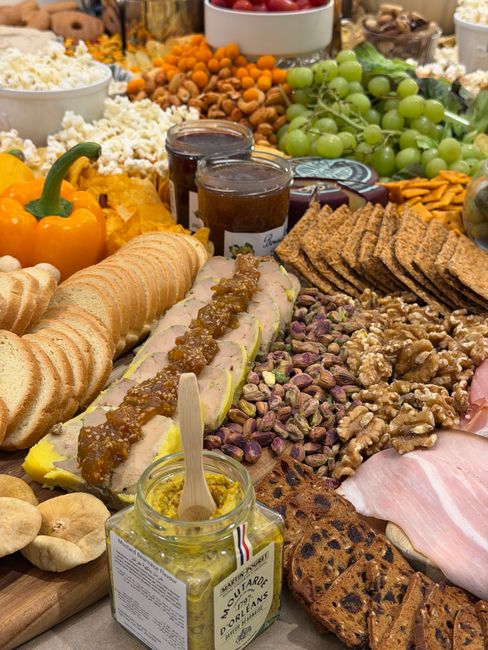
Gorton is a staple at Quebecois gatherings, particularly during holiday seasons and family celebrations. It is an indispensable component of any self-respecting charcuterie board, often served alongside cured meats, cheeses, pickles, and crusty bread. Its presence signifies hospitality and a respect for traditional flavors. For many Quebecers, the taste of Gorton evokes memories of childhood, of family meals, and of their cultural identity. It is a flavor that is deeply ingrained and instantly recognizable. The commercial availability of Gorton, from supermarket shelves to artisanal butcher shops, underscores its popularity and widespread consumption. While many families may still prepare Gorton from scratch, the convenience of pre-made versions has ensured its continued accessibility.
The versatility of Gorton French Canadian pork spread extends beyond the charcuterie board. Its rich, savory flavor makes it an excellent filling for sandwiches, particularly when paired with sharp cheeses, pickles, or a dollop of Dijon mustard. It can be spread on crackers or toasted baguette slices for a simple yet elegant appetizer. In a more culinary context, Gorton can be used as a flavor enhancer in other dishes. It can be incorporated into stuffings for poultry or pork, added to sauces for a depth of umami, or even used as a base for savory tarts or quiches. Its ability to lend a rich, porky flavor without overpowering other ingredients makes it a valuable culinary tool for home cooks and professional chefs alike.
The market for Gorton French Canadian pork spread is diverse, ranging from large-scale commercial producers to small, artisanal charcuteries. Commercial Gorton is widely available in supermarkets across Quebec and in specialty food stores in other regions. These products are typically made to be consistent in flavor and texture, catering to a broad consumer base. Artisanal Gorton, on the other hand, often emphasizes higher-quality ingredients, unique spice blends, and a more traditional, hand-crafted approach to preparation. These products can be found in local butcher shops, farmers’ markets, and specialty delicatessens. The price point for artisanal Gorton is generally higher, reflecting the premium ingredients and labor involved. The distinction between commercial and artisanal Gorton is often evident in the texture, with artisanal versions typically offering a more rustic and varied consistency.
When seeking out Gorton, consumers might encounter a variety of names and preparations. While "Gorton" is a common and widely understood term, especially in reference to commercially produced versions originating from companies like Gorton’s of Gloucester (though their primary focus is seafood, the name has become associated with pork spread in Quebec), other terms such as "pâté de porc," "rillettes de porc" (though rillettes are typically more coarsely shredded and cooked in fat), or simply "spread de porc" might be used. Understanding these variations is helpful for navigating Quebecois food culture. The quality of Gorton can be assessed by its ingredient list, the presence of recognizable and wholesome components, and the overall aroma and appearance. A good Gorton should have a rich, porky aroma with subtle hints of spice and onion. The texture should be firm but yielding, with visible pieces of pork and onion.
For home cooks interested in replicating the taste of Gorton, there are numerous recipes available online and in Quebecois cookbooks. These recipes often provide guidance on the types of pork cuts to use, the ideal fat-to-meat ratio, and the appropriate quantities of aromatics and spices. Experimentation with different spice blends can lead to personalized variations. For instance, some recipes might call for a pinch of allspice for warmth, while others might lean into the earthiness of a small amount of clove. The crucial elements remain the quality of the pork, the careful sautéing of the aromatics, and the achievement of the desired coarse, spreadable texture. Grinding the cooked pork with a coarse plate, or finely chopping it by hand, are key techniques for achieving authenticity.
The future of Gorton French Canadian pork spread appears secure, deeply embedded as it is within the culinary identity of Quebec. While culinary trends evolve, the enduring appeal of traditional, flavorful comfort foods remains strong. Gorton, with its rich history, satisfying taste, and inherent versatility, is well-positioned to continue its reign as a beloved Quebecois staple. The growing interest in artisanal food production and the appreciation for authentic regional cuisine further solidify its place. As new generations discover and embrace the flavors of their heritage, Gorton will undoubtedly continue to be a part of family tables, festive gatherings, and the ongoing narrative of Quebecois gastronomy. Its simplicity, combined with its depth of flavor, ensures its lasting appeal in a world that often seeks connection to authentic culinary traditions. The continued innovation by artisanal producers, offering unique flavor profiles and high-quality ingredients, will also contribute to its sustained relevance and popularity.
