
Sunday Afternoon Slow Cooked Spare Ribs
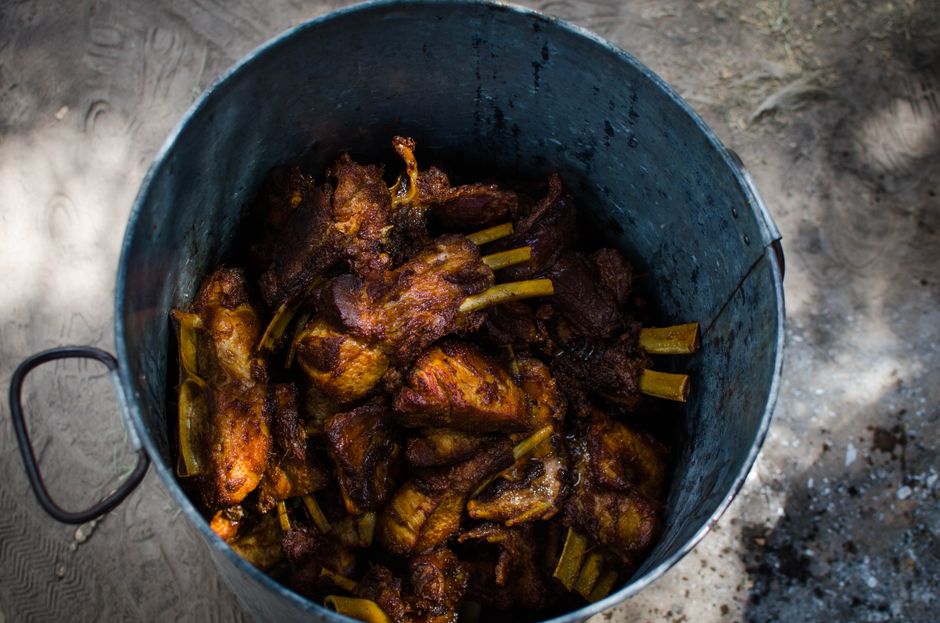
Sunday Afternoon Slow Cooked Spare Ribs: The Ultimate Guide to Unbeatable Flavor and Fall-Off-The-Bone Tenderness
Achieving perfectly tender, deeply flavorful spare ribs on a Sunday afternoon doesn’t require restaurant-level expertise or specialized equipment. The magic lies in a patient, slow cooking process that breaks down the connective tissues, transforming tough cuts into melt-in-your-mouth delights. This comprehensive guide will walk you through every step, from selecting the right ribs to achieving that irresistible smoky depth, ensuring your Sunday dinner is a resounding success. We’ll delve into the science behind slow cooking, explore essential seasoning techniques, and offer practical tips for achieving optimal results, whether you’re a novice or an experienced pitmaster. Understanding the nuances of different cooking methods and the role of low temperatures over extended periods is paramount. Spare ribs, by their nature, are a tougher cut of pork, containing a significant amount of connective tissue and fat. This is precisely what makes them ideal for slow cooking. The prolonged exposure to gentle heat slowly gelatinizes the collagen within the connective tissues, transforming it into a rich, unctuous liquid that coats the meat and contributes to its incredible tenderness and moisture. Conversely, high-heat cooking methods, while faster, often fail to penetrate this tough tissue effectively, resulting in chewy, dry ribs.
The first crucial step in your Sunday afternoon rib endeavor is selecting the right spare ribs. There are two primary types you’ll encounter: spare ribs and St. Louis-style ribs. Spare ribs are the more traditional cut, taken from the belly side of the pig. They are typically larger, meatier, and have more bone and cartilage, offering a more robust flavor and a slightly chewier texture. St. Louis-style ribs are a trimmed version of spare ribs, with the sternum bone and cartilage removed. This results in a more uniform rack with less wastage, making them easier to handle and cook evenly, and often appealing to those who prefer a cleaner bite. For this slow-cooked recipe, either will work, but spare ribs, with their extra fat and connective tissue, often yield an even more luxurious and forgiving result when cooked low and slow. When purchasing, look for ribs with good marbling – the flecks of fat within the meat. This intramuscular fat will render during the slow cooking process, basting the meat from within and contributing significantly to moisture and flavor. Avoid ribs that appear overly dry or have a pale pink color; a healthy, vibrant red hue is indicative of freshness. The thickness of the ribs is also a factor; thicker ribs will naturally require a longer cooking time. Aim for racks that are relatively uniform in thickness to ensure even cooking. Don’t be afraid to ask your butcher for advice; they can often recommend specific racks or even trim them to your preference.
Preparing your spare ribs for their slow-cooked journey involves a few key steps, the first of which is removing the membrane. Located on the bone side of the ribs, this thin, papery skin is tough and chewy and will prevent seasonings from penetrating the meat effectively. To remove it, slide a butter knife or the tip of a sharp knife under the membrane at one end of the rack. Gently lift the membrane and then grasp it with a paper towel (for better grip) and pull it away from the bone. It should peel off in one or two large pieces. If it tears, don’t worry; just work at it until it’s mostly removed. This simple step significantly enhances the texture and flavor absorption of your ribs. Next, it’s time for the dry rub. This is where you build the foundation of flavor. A classic dry rub for pork ribs typically includes brown sugar, paprika (sweet or smoked), garlic powder, onion powder, black pepper, and a touch of cayenne for heat. However, the beauty of ribs lies in their versatility, and you can customize your rub to your palate. Consider adding chili powder, cumin, coriander, mustard powder, or even a touch of espresso powder for an unexpected depth. The brown sugar in the rub acts as a tenderizer and contributes to a beautiful caramelization during the cooking process, creating that sought-after bark. Ensure the rub is applied generously and evenly over all surfaces of the ribs, working it into the nooks and crannies.
While dry rubs are excellent for building a flavorful crust, a binder can help them adhere better. Common binders include yellow mustard, hot sauce, or even olive oil. Apply a thin, even layer of your chosen binder to the ribs before applying the dry rub. The mustard, in particular, is a popular choice as its tanginess complements the pork, and its flavor virtually disappears during the long cooking process, leaving behind only its binding and tenderizing benefits. Once coated with the binder and thoroughly seasoned with your dry rub, the ribs are ready for their initial cooking phase. The goal of this phase is to begin the tenderizing process and develop a base layer of flavor and texture.
The core of this Sunday afternoon ritual is the slow cooking method itself. While ovens are perfectly capable, for an authentic smoky flavor that truly elevates spare ribs, grilling or smoking are the preferred approaches. However, this guide will focus on an oven-based approach that still delivers exceptional results for those without smokers. Preheat your oven to a low temperature, typically between 225°F and 275°F (107°C and 135°C). This low and slow approach is crucial. Higher temperatures will cook the ribs too quickly, leading to dryness and toughness. Wrap the seasoned ribs tightly in heavy-duty aluminum foil. This foil-wrapping technique, often referred to as the "Texas Crutch," is a game-changer for tender ribs. It traps steam and moisture released from the meat, essentially braising them in their own juices. This creates an incredibly tender interior while still allowing the exterior to develop a good bark when unwrapped later. Place the foil-wrapped ribs on a baking sheet, bone-side down.
The initial cooking time in the foil will vary depending on the thickness of your ribs and the exact oven temperature, but generally, expect to cook them for 2 to 3 hours. The goal is to reach an internal temperature of around 195°F to 205°F (90°C to 96°C), where the meat is tender and beginning to pull away from the bone. A meat thermometer is your best friend here. Resist the urge to unwrap and check too early. Patience is key. Once the initial cooking period is complete, carefully remove the ribs from the oven. Allow them to rest in the foil for about 15-20 minutes. This resting period is essential for allowing the juices to redistribute throughout the meat, ensuring maximum moisture and tenderness.
After the rest, it’s time for the second phase of cooking: unwrapping and glazing. This is where you’ll achieve that beautiful, sticky, and slightly caramelized exterior. Carefully unwrap the ribs, reserving any accumulated juices. You can either discard these juices, strain them and add them to a sauce, or even reduce them slightly to drizzle back over the ribs. Place the unwrapped ribs back on the baking sheet, bone-side down, or if you have a grill or smoker, you can move them to a cooler part of the grill or into a smoker at a slightly higher temperature (around 300°F/150°C) to finish. If using the oven, increase the oven temperature to 350°F to 400°F (175°C to 200°C).
Now comes the glazing. Brush your favorite barbecue sauce generously over the top of the ribs. Don’t be shy; this is where you build that signature sweet and smoky finish. Popular choices include classic tomato-based sauces, Kansas City-style sauces (sweet and tangy), or Carolina-style sauces (vinegar-based). You can also create your own homemade barbecue sauce, which offers ultimate control over flavor profiles. Allow the ribs to cook, unwrapped, for another 30 to 60 minutes, or until the sauce is sticky, caramelized, and slightly charred in places. During this final cooking stage, keep a close eye on the ribs to prevent the sauce from burning. You may need to flip them halfway through to ensure even glazing on both sides. The internal temperature should now be well into the 200°F range (93°C+), indicating supreme tenderness. The meat should be so tender that it easily pulls away from the bone with a gentle tug.
To further enhance the "fall-off-the-bone" experience and ensure maximum tenderness, consider a brief resting period after the glazing phase. Once they’ve reached your desired level of caramelization, remove the ribs from the oven or grill. Tent them loosely with foil and let them rest for at least 10-15 minutes before slicing and serving. This allows the meat to relax and reabsorb any juices that may have surfaced during the high-heat finishing phase. This final rest is just as important as the initial rest after the foiled cooking.
Serving your perfectly slow-cooked spare ribs is the culmination of your efforts. Slice the ribs between the bones using a sharp knife. The meat should be incredibly tender, practically falling off the bone. Serve them hot, with extra barbecue sauce on the side for dipping, if desired. They are a perfect centerpiece for a Sunday dinner, paired with classic sides like coleslaw, potato salad, cornbread, and baked beans. The rich, smoky flavor and unparalleled tenderness will make these ribs a memorable meal and a recurring Sunday tradition.
For those seeking to elevate their rib game further, consider incorporating wood smoke into your cooking process. If you have a smoker, the ideal temperature for smoking spare ribs is 225°F (107°C). Use wood chips or chunks like hickory, mesquite, or applewood to impart a distinct smoky flavor. Start by smoking the ribs for 2-3 hours, then wrap them in foil (the Texas Crutch) and continue cooking until tender, before unwrapping and glazing. If you don’t have a smoker, you can achieve a smoky flavor in your oven by adding a smoker box filled with wood chips to your oven or by using liquid smoke in your dry rub or barbecue sauce, though it’s generally recommended to use natural smoke for superior results.
Understanding the science behind slow cooking is key to mastering spare ribs. The prolonged exposure to low temperatures allows the collagen in the connective tissues to break down into gelatin. This gelatin acts as a natural tenderizer, saturating the muscle fibers and contributing to the ribs’ succulence and yielding texture. Fat also plays a crucial role; as it renders, it bastes the meat, adding moisture and flavor. The Maillard reaction, responsible for browning and the development of complex flavors, occurs at higher temperatures. This is why the initial slow cooking is done at a low temperature, and the temperature is raised for the final glazing phase to encourage this reaction and create a desirable bark.
Troubleshooting common issues can also enhance your success. If your ribs are coming out dry, it’s likely due to insufficient fat, cooking at too high a temperature, or not cooking them long enough to break down the connective tissues. Conversely, mushy ribs can result from overcooking, especially if cooked at too high a temperature for too long in foil. The key is to find that sweet spot where the meat is tender but still has a pleasant bite. Experimentation is encouraged; the perfect rib is often a matter of personal preference and learning your own equipment. The following keywords are relevant for SEO: "slow cooked spare ribs," "fall off the bone ribs," "oven baked ribs," "barbecue ribs recipe," "how to cook spare ribs," "tender pork ribs," "Sunday dinner ribs," "homemade BBQ ribs," "easy spare rib recipe," "smoked ribs at home." Incorporating these terms naturally throughout the article will improve its search engine visibility, attracting readers looking for this specific culinary experience.
The ultimate goal is a rib that is moist, tender, and packed with flavor. The combination of a well-seasoned dry rub, the tenderizing power of low and slow cooking, and the irresistible glaze achieved in the final stage creates a dish that is both comforting and impressive. This method transcends simple cooking; it’s a process that rewards patience and attention to detail, transforming humble spare ribs into a culinary masterpiece perfect for any Sunday afternoon gathering. The visual appeal is also significant; the deep mahogany color, the sticky sheen of the glaze, and the meat pulling cleanly from the bone are all indicators of a perfectly executed dish. This guide has provided the foundational knowledge and techniques to achieve these results consistently, empowering you to create truly exceptional slow-cooked spare ribs.