
Famous Japanese Restaurant Style Salad Dressing
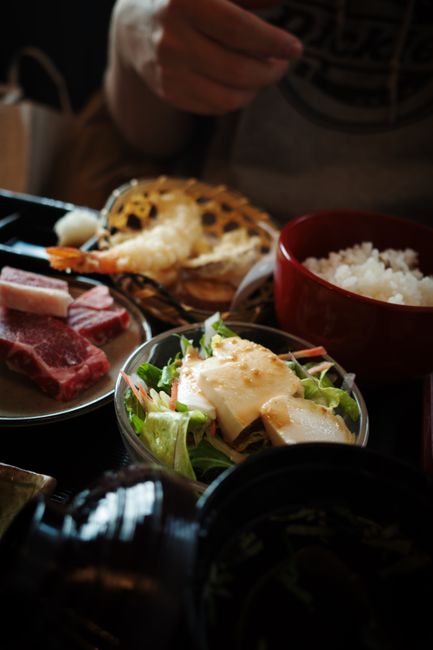
The Quintessential Japanese Restaurant Salad Dressing: A Deep Dive into Flavor, Versatility, and Global Appeal
Japanese restaurant salad dressing transcends the typical Western concept of a creamy, oil-based concoction. It is a distinct culinary category characterized by its bright, nuanced flavors, often built upon a foundation of soy sauce, vinegar, and a touch of sweetness, elevated by aromatic elements like ginger, garlic, and sesame. This style of dressing has achieved widespread popularity not only within Japan but globally, becoming a staple in home kitchens and a defining feature of Japanese restaurant experiences. Its versatility is a key factor in its success, lending itself to a wide array of dishes beyond the conventional salad, from marinades and dipping sauces to stir-fry flavorings and even sandwich spreads. Understanding the core components and variations of these dressings is crucial for appreciating their impact on Japanese cuisine and their adaptability in diverse culinary contexts.
At the heart of many famous Japanese restaurant salad dressings lies a trinity of fundamental ingredients: soy sauce, vinegar, and oil. Soy sauce, a fermented soybean product, provides a rich, savory umami depth. The type of soy sauce used can significantly influence the final flavor profile. For lighter, brighter dressings, a lighter soy sauce (usukuchi shoyu) might be preferred, while for a more robust flavor, a standard koikuchi shoyu is common. Rice vinegar is the most prevalent vinegar in Japanese dressings, offering a clean, slightly sweet acidity that complements the soy sauce without overpowering other ingredients. Its milder profile, compared to Western vinegars like white wine or apple cider, makes it ideal for dressings where subtlety is desired. Neutral oils, such as vegetable oil or canola oil, are typically used to emulsify the dressing and carry the flavors. However, toasted sesame oil plays a crucial, albeit often supplementary, role. Its intensely nutty and aromatic quality is a hallmark of many Japanese dressings, adding a layer of complexity and a distinct toasted fragrance that elevates the entire composition.
Beyond these foundational elements, a spectrum of aromatic ingredients contributes to the characteristic flavor profiles of Japanese restaurant salad dressings. Fresh ginger, grated or finely minced, introduces a zesty, pungent warmth that awakens the palate. Its spiciness can be adjusted based on personal preference. Garlic, similarly, adds a pungent depth, often used in smaller quantities than in Western dressings to avoid overwhelming the delicate balance. The interplay between ginger and garlic is a recurring theme, creating a harmonious balance of sharp and savory notes. Sweeteners are also essential for rounding out the flavors and achieving that signature sweet-and-tangy profile. Sugar is the most common sweetener, but mirin, a sweet rice wine, offers a more nuanced sweetness with a slight alcohol content that can contribute to a richer mouthfeel. Honey can also be used, though it is less traditional.
The combination of these ingredients leads to several iconic Japanese restaurant salad dressing styles. Perhaps the most recognizable is the Goma Dressing (Sesame Dressing). This dressing is characterized by its creamy, nutty richness, achieved through the generous inclusion of ground or pureed sesame seeds, often toasted for intensified flavor. The base typically includes soy sauce, rice vinegar, sugar, and often a touch of mayonnaise or a neutral oil emulsion to create its signature creamy texture. The ratio of sesame paste to other ingredients is crucial, with some versions leaning heavily on sesame for a deeply decadent flavor, while others use it as a prominent accent. Goma dressing is incredibly versatile, perfect for a wide range of leafy greens, as well as more robust vegetables like broccoli or cauliflower. It’s also a popular choice for dipping fried foods and as a sauce for grilled chicken or tofu. The toasting of the sesame seeds before grinding is a critical step, as it unlocks their full aromatic potential and contributes significantly to the dressing’s depth of flavor. Some recipes also incorporate miso paste for an extra layer of umami and a subtle salty tang, further enhancing its complexity.
Another beloved style is the Ginger Dressing, also known as "shoga dressing." This dressing is celebrated for its bright, zesty, and invigorating flavor. Its defining ingredient is, of course, fresh ginger, often grated raw to impart its full pungency and warmth. The base typically consists of soy sauce, rice vinegar, oil, and a sweetener like sugar or mirin. Garlic is frequently included to add a savory counterpoint to the ginger’s spice. Ginger dressing is exceptionally refreshing and pairs beautifully with delicate greens, making it a classic accompaniment to a Japanese restaurant’s house salad. Its clean, bright acidity cuts through richness, making it a versatile choice for lighter meals. The quality of the ginger is paramount; fresh, firm ginger will yield a more vibrant and potent flavor. Some variations might include a touch of orange juice for added citrusy brightness, or a pinch of white pepper for a subtle, lingering heat. The emulsification process is key to a smooth ginger dressing; ensuring the oil is slowly drizzled into the vinegar and soy sauce mixture while whisking vigorously will create a homogenous and appealing texture.
The Wasabi Dressing offers a distinctly pungent and fiery kick. While not as universally common as Goma or Ginger dressing, it’s a popular option for those who enjoy a spicier element. The heat of wasabi, whether from freshly grated root or paste, is balanced by the classic components of soy sauce, vinegar, and a sweetener. This dressing is less about creaminess and more about a sharp, invigorating flavor that can awaken even the most jaded palate. Wasabi dressing is excellent with grilled meats, seafood, and heartier vegetables. The amount of wasabi used can be significantly adjusted to control the level of heat, making it adaptable to different spice preferences. It’s important to use good quality wasabi for the best flavor and heat; artificial wasabi often lacks the nuanced complexity of the real thing. Some recipes might include a touch of mayonnaise or yogurt to temper the heat and add a slight creaminess, creating a more approachable version.
Beyond these core examples, many Japanese restaurants feature unique house dressings that often incorporate regional ingredients or personal twists. These can include the addition of Yuzu dressing, utilizing the fragrant and tart Japanese citrus fruit, offering a sophisticated floral and citrus aroma. Miso dressing can also be a star, leveraging the fermented soybean paste for its deep umami and salty complexity, often combined with sesame, ginger, or vinegar. Some dressings might lean into sweetness with the liberal use of honey or maple syrup, while others embrace a more savory profile with additional seasonings like dashi powder or a hint of fish sauce. The exploration of these variations highlights the inherent adaptability and creative potential within the Japanese restaurant salad dressing framework.
The popularity of these dressings extends far beyond the confines of Japanese restaurants. Their inherent versatility and appealing flavor profiles have made them staples in home kitchens worldwide. They are incredibly easy to prepare, requiring minimal ingredients and often no cooking. This accessibility is a significant factor in their widespread adoption. A basic Japanese-style vinaigrette can be whipped up in minutes, making it an ideal choice for busy weeknights. The ability to customize these dressings – adjusting the sweetness, acidity, spice, and umami – allows individuals to tailor them to their specific tastes and dietary needs. For example, individuals seeking to reduce their sodium intake can opt for low-sodium soy sauce, while those looking for vegan options can easily substitute traditional ingredients with plant-based alternatives.
Furthermore, the application of Japanese restaurant salad dressings is not limited to salads. Their bright, balanced flavors make them excellent marinades for meats, poultry, and tofu, imparting savory notes and tenderizing the proteins. A soy-ginger marinade, for instance, is a classic for grilled chicken or salmon. They also function brilliantly as dipping sauces for tempura, gyoza, or spring rolls, providing a refreshing counterpoint to fried or savory items. Stir-fries can be given an instant flavor boost by tossing them with a pre-made Japanese dressing, adding a harmonious blend of sweet, salty, and tangy notes. Even sandwiches and wraps can benefit from a smear of a creamy sesame dressing, adding a unique dimension to familiar flavors. Their ability to transform simple ingredients into something more exciting and flavorful is a testament to their culinary prowess.
The concept of umami, a savory taste often described as "deliciousness," plays a pivotal role in the appeal of Japanese restaurant salad dressings. Soy sauce, miso, and even the subtle savory notes in toasted sesame oil contribute significantly to this fifth taste. This depth of flavor makes these dressings incredibly satisfying and complex, even with a relatively simple ingredient list. In Western cuisines, umami is often achieved through ingredients like aged cheeses, cured meats, or mushrooms. Japanese dressings, however, unlock this savory dimension through fermentation and aromatic ingredients, offering a distinct and sophisticated flavor experience.
The visual appeal of these dressings also contributes to their allure. Their often light, translucent hues, ranging from pale golden for ginger dressing to richer, creamy beige for sesame dressing, are inviting and indicative of their fresh, clean flavors. Garnishes of toasted sesame seeds, slivers of ginger, or finely chopped scallions add further visual interest and textural contrast, enhancing the overall dining experience. This attention to detail, from flavor to presentation, is a hallmark of Japanese cuisine and is fully embodied in their celebrated salad dressings.
In conclusion, the famous Japanese restaurant salad dressing is more than just a condiment; it is a culinary icon. Its foundation of soy sauce, vinegar, and oil, elevated by aromatic ginger, garlic, and the indispensable sesame, creates a symphony of flavors that is both complex and accessible. The versatility of these dressings, extending their reach beyond salads to marinades, dipping sauces, and more, solidifies their position as a global favorite. The inherent balance of sweet, savory, and tangy notes, coupled with the concept of umami, makes them exceptionally satisfying. As home cooks and professional chefs alike continue to explore and adapt these flavor profiles, the legacy of Japanese restaurant salad dressing as a cornerstone of modern, international cuisine is assured. Their ease of preparation, customizable nature, and ability to elevate a multitude of dishes ensure their continued relevance and widespread enjoyment for years to come. The subtle nuances between a light ginger dressing and a rich sesame goma dressing, or the exciting kick of a wasabi-infused concoction, offer a world of flavor exploration within this seemingly simple category of culinary artistry.
