
Jakarta, Indonesia – The Indonesian Ministry of Communication and Digital Affairs (Komdigi) has initiated a comprehensive, nationwide investigation into allegations that the Indonesian Game Rating System (IGRS) prematurely exposed sensitive information and unreleased gameplay footage of several upcoming video games. This move comes after a series of incidents, including the alleged leaking of highly anticipated titles such as IO Interactive’s 007: First Light and Bandai Namco’s Echoes of Aincrad. In response to the escalating crisis of confidence and to facilitate a thorough review, Komdigi has announced a temporary suspension of all IGRS rating processes.
Sonny Hendra Sudaryana, Komdigi’s Director of Digital Ecosystem Development, confirmed the extensive nature of the inquiry from Jakarta Selatan on Friday, April 17th. "To avoid assumptions circulating on social media or among peers, the current process is a comprehensive investigation covering policy, system, processes, tools, technology, organization, and human resources," Sudaryana stated, emphasizing the ministry’s commitment to a holistic assessment. He added, "We want the results to be complete, not piecemeal. That’s why this investigation is thorough, and we will report the findings to eliminate any further assumptions." The ministry has pledged to involve all relevant stakeholders, including game publishers, in the investigative process, underscoring the collaborative approach needed to address the issue. Sudaryana reassured the public and industry partners that updates on the investigation’s findings would be provided at the earliest possible opportunity, once the results are conclusive.
The Genesis of the Controversy: A Timeline of Concerns
The IGRS saga began to unfold with seemingly innocuous but ultimately alarming discrepancies observed on the Steam digital storefront. Gamers and industry observers first noted a series of "unusual" content ratings attributed to IGRS for games available in the Indonesian market. In several instances, titles featuring mature themes and violence were inexplicably assigned a 3+ rating, typically reserved for universally suitable content. Conversely, some children’s games were erroneously categorized with an 18+ rating, raising initial questions about the accuracy and integrity of the rating system. These initial inconsistencies, while seemingly minor, served as an early warning sign of potential systemic flaws within IGRS.
The situation escalated dramatically when reports from online communities and international media outlets began to surface, detailing allegations of a more severe vulnerability: the premature exposure of data from unreleased games. This vulnerability was reportedly exploited, leading to the public dissemination of sensitive material.
A key turning point in the controversy was the alleged leak of footage from 007: First Light, the highly anticipated James Bond game currently under development by IO Interactive. According to reports cited by Video Games Chronicle, over an hour of gameplay footage from the unreleased title began circulating online. This footage not only showcased early gameplay but also reportedly included significant plot points, potentially even revealing parts of the game’s ending. Such a leak represents a catastrophic breach for a developer, undermining years of secrecy, marketing strategy, and the player experience.
Adding to the gravity of the situation, the leaked recordings also purportedly included unreleased gameplay footage from Bandai Namco’s Echoes of Aincrad. This leak reportedly featured cut-scenes that appeared to contain pivotal moments from the game’s storyline, further highlighting the extent of the alleged data exposure and its potential impact on multiple high-profile titles. These incidents collectively painted a concerning picture of IGRS’s security protocols and data handling practices.
The Role of IGRS and the Broader Context of Game Ratings
The Indonesian Game Rating System (IGRS) was established to provide a classification system for video games available in Indonesia, akin to systems like the Entertainment Software Rating Board (ESRB) in North America, the Pan European Game Information (PEGI) system in Europe, or the Computer Entertainment Rating Organization (CERO) in Japan. The primary objective of such systems is to inform consumers, particularly parents, about the content of video games, allowing them to make educated decisions about what is appropriate for themselves or their children. This includes assessing content related to violence, language, sexual themes, drug use, and other potentially sensitive material.
Globally, game rating systems operate with stringent protocols to ensure accuracy, consistency, and, critically, data security. Developers and publishers submit their games, often in late alpha or beta stages, to these rating bodies for evaluation. This submission typically includes gameplay footage, design documents, and detailed content descriptors. The integrity of this process relies heavily on the confidentiality maintained by the rating organization. Any breach of this confidentiality, especially involving unreleased content, can have profound implications for intellectual property rights, marketing strategies, and ultimately, the financial success of a game.
Indonesia, with its rapidly expanding digital economy and a burgeoning gaming market, has placed increasing emphasis on regulating online content. The nation boasts one of the largest and fastest-growing gaming communities in Southeast Asia. According to various market analyses, Indonesia’s gaming market revenue is projected to reach significant figures, driven by a young, tech-savvy population and increasing internet penetration. In 2023, the Indonesian gaming market was estimated to be worth over a billion US dollars, with millions of active gamers. This makes a robust and trustworthy rating system crucial, not just for consumer protection but also for fostering a healthy and predictable environment for both local and international game developers and publishers looking to enter or expand within the Indonesian market. The Komdigi, as the leading digital authority, is tasked with overseeing this vital regulatory framework, ensuring it serves both industry and public interests effectively.
The Decision to Suspend and the Scope of the Investigation
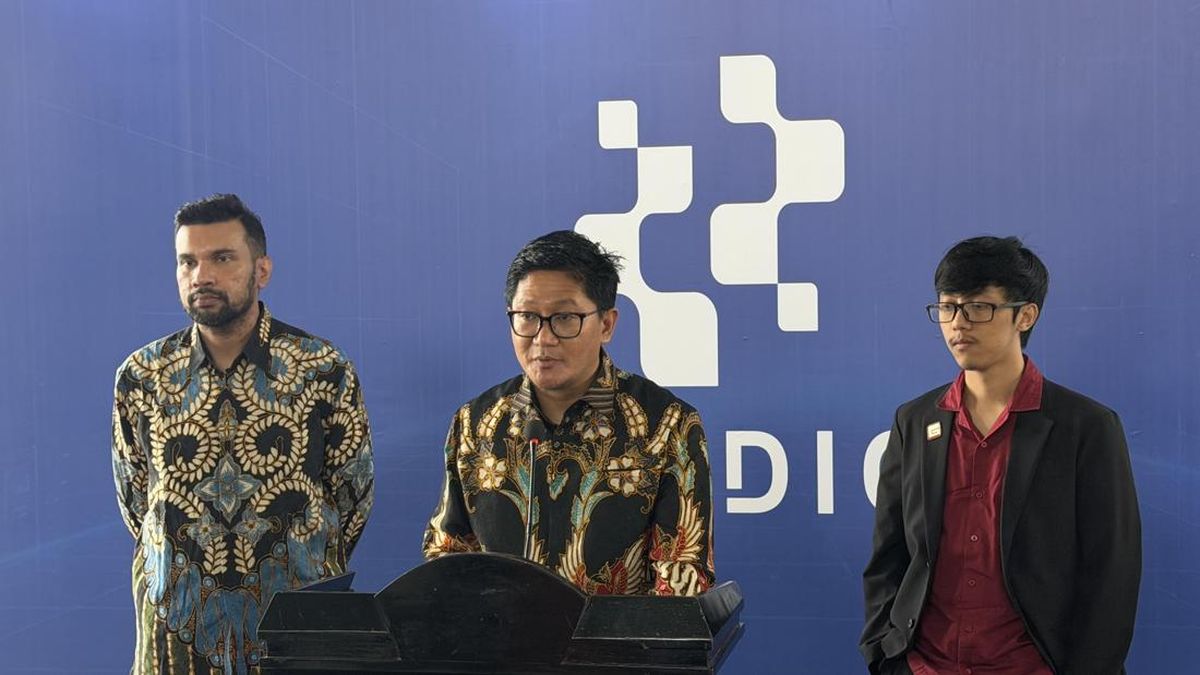
Following the series of unsettling incidents, Komdigi took the decisive step to temporarily suspend all IGRS rating processes. Sonny Hendra Sudaryana reiterated this decision, stating, "Currently, we are continuously investigating and evaluating IGRS comprehensively, both from the system, process, and governance, as well as its results. While awaiting the completion of all investigation and evaluation processes, we have decided to temporarily suspend the entire IGRS rating process." He further clarified that this suspension is a temporary measure, to be lifted only after the comprehensive investigation is complete and necessary improvements are implemented. The overarching goal of this action is to ensure that the IGRS system, once reinstated, operates with enhanced robustness, credibility, and trustworthiness for all stakeholders, including industry players and the general public.
The investigation’s scope is notably broad, reflecting the complexity of the issues at hand. It will delve into:
- Policy: Examining the existing policies and guidelines governing IGRS operations, identifying any loopholes or ambiguities that might have contributed to the vulnerabilities.
- System: A thorough audit of the IGRS’s technological infrastructure, including its databases, servers, network security, and software applications, to pinpoint technical weaknesses or points of compromise.
- Process: Reviewing the operational procedures for receiving, handling, evaluating, and releasing rating information, looking for human error, procedural lapses, or inadequate controls.
- Tools and Technology: Assessing the specific tools and technologies used by IGRS for content evaluation and data management.
- Organization and Human Resources: Investigating the organizational structure, staff training, security awareness, and accountability mechanisms within IGRS to determine if human factors or internal governance issues played a role in the breaches.
By adopting such a comprehensive approach, Komdigi aims to leave no stone unturned, ensuring that the root causes of the alleged leaks and rating inconsistencies are fully identified and addressed.
Implications and Broader Impact
The IGRS controversy carries significant implications for various stakeholders within and beyond Indonesia’s gaming ecosystem.
For Game Developers and Publishers, particularly those whose unreleased content was allegedly leaked, the impact is severe. Leaks can severely disrupt carefully planned marketing campaigns, diminish pre-release hype, and potentially lead to reduced sales. The creative control over how a game is first presented to the public is paramount for developers; losing that control due to a breach by a regulatory body is a major blow. It also raises concerns about intellectual property protection and the trustworthiness of national rating systems, which are meant to be secure custodians of sensitive information. International publishers may become hesitant to submit games for rating in Indonesia until confidence in IGRS’s security and integrity is fully restored, potentially delaying game releases or even limiting market access for Indonesian players.
For Komdigi and the Indonesian Government, the incident poses a challenge to their credibility as regulators of the digital space. Rebuilding trust will require not only a transparent investigation but also concrete, demonstrable improvements to IGRS’s operational security and governance. The incident could also spur broader discussions about data protection regulations and cybersecurity standards for all digital services operating in Indonesia. A robust and reliable rating system is essential for the government’s efforts to cultivate a thriving and safe digital economy.
For the Indonesian Gaming Community, the situation presents a mixed bag. While some may actively seek out leaked content, the broader community often values the excitement of official reveals and the integrity of the game development process. The delays in rating processes due to the suspension could mean longer waits for new international titles to officially launch in Indonesia, impacting access to new content. Moreover, a lack of a credible rating system could leave consumers, especially parents, without clear guidance on game content.
Industry Reactions and Future Outlook
While Komdigi’s statements have primarily come from Sonny Hendra Sudaryana, the broader industry reaction, though not explicitly quoted in the original report, can be inferred. Game publishers and developers, both domestic and international, would likely be watching the investigation closely, hoping for swift resolution and robust reforms. Their primary concerns would revolve around data security, intellectual property protection, and the ability to confidently launch games in the Indonesian market without fear of premature exposure. The commitment to involve publishers in the investigation is a positive step towards addressing these concerns and ensuring that the revamped IGRS meets industry expectations for security and transparency.
The temporary suspension of IGRS ratings, while necessary, will undoubtedly create a backlog for game releases in Indonesia. Publishers seeking to launch new titles will face delays as they await the system’s re-establishment. This highlights the critical need for Komdigi to not only conduct a thorough investigation but also to implement a reformed, secure, and efficient rating process as quickly as possible.
Looking ahead, the outcome of this investigation will be pivotal for the future of game regulation in Indonesia. It presents an opportunity for Komdigi to learn from these challenges, implement best practices from global rating systems, and emerge with a stronger, more reliable IGRS. This will involve significant investment in cybersecurity infrastructure, staff training on data handling protocols, and possibly a re-evaluation of the entire submission and review process. The goal is to establish a system that not only effectively classifies game content but also safeguards the intellectual property of developers and maintains the trust of both the industry and the millions of gamers in Indonesia. The eyes of the global gaming industry are now on Jakarta, awaiting the results of this crucial investigation and the subsequent steps taken to restore confidence in Indonesia’s commitment to a secure and credible digital ecosystem.