
Vegan Coconut Cupcakes A Tropical Delight Thats Surprisingly Easy To Master
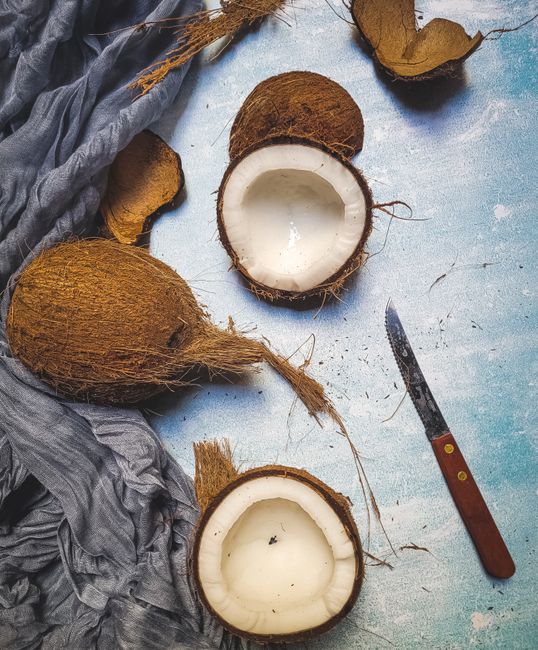
Vegan Coconut Cupcakes: A Tropical Delight, Surprisingly Easy to Master
These vegan coconut cupcakes are a culinary escape to the tropics, offering a moist, tender crumb infused with the unmistakable essence of coconut. Far from being an overly complicated endeavor, their creation is remarkably straightforward, making them an accessible yet impressive treat for any occasion. The magic lies in understanding key ingredient substitutions and a few simple techniques that elevate humble plant-based ingredients into a decadent dessert. Forget dense, dry vegan baked goods; these cupcakes defy expectation, delivering a light, airy texture and a vibrant coconut flavor that will transport your taste buds. The secret to their success lies in a carefully balanced combination of wet and dry ingredients, utilizing the inherent properties of coconut milk, shredded coconut, and a touch of vinegar to achieve a perfect rise and tender crumb. Mastering these vegan coconut cupcakes isn’t about advanced pastry skills; it’s about smart ingredient choices and a little bit of culinary intuition.
The foundation of any exceptional cupcake, vegan or not, is a well-formulated batter. For these tropical delights, the choice of liquid is paramount. Instead of dairy milk, we rely on full-fat canned coconut milk. This is not to be confused with the carton variety often found in the refrigerated section, which is typically much thinner and lower in fat. Full-fat coconut milk, with its rich fat content, provides the essential moisture and a subtle, creamy coconut flavor that is central to these cupcakes. Its higher fat content also contributes significantly to a tender crumb and a luxurious mouthfeel, mimicking the richness that dairy fat would otherwise provide. When incorporating coconut milk, ensure it is well-shaken before measuring, as the cream and water can separate during storage. Some recipes even suggest using only the thick cream from the top of the can for an even richer result, though for simplicity and consistent results, well-shaken full-fat milk is generally sufficient.
Another crucial element in achieving that quintessential coconut flavor is the inclusion of shredded coconut. Opt for unsweetened shredded or desiccated coconut. While sweetened coconut can be used, it necessitates a reduction in the overall sugar content of the recipe to prevent the cupcakes from becoming overly sweet. Unsweetened coconut provides pure coconut flavor and a pleasant textural contrast, a slight chewiness that complements the soft cake. You can toast the shredded coconut lightly before adding it to the batter. This step is optional but highly recommended. To toast, spread the shredded coconut in a single layer on a baking sheet and bake at a low temperature (around 300°F or 150°C) for 5-10 minutes, stirring frequently, until it’s fragrant and lightly golden. This process intensifies the coconut aroma and flavor, adding another layer of complexity to the finished cupcakes. Be watchful, as toasted coconut can burn quickly.
The leavening agents are critical for achieving the desired rise and airy texture. In vegan baking, the combination of baking soda and baking powder often works synergistically. Baking powder, a double-acting leavener, provides an initial lift when it reacts with liquid and a second boost when exposed to heat in the oven. Baking soda, on the other hand, requires an acidic component to activate. In this recipe, the acidity comes from either apple cider vinegar or white vinegar. This reaction between baking soda and vinegar creates carbon dioxide gas, which is essential for the cupcakes to puff up beautifully. Don’t worry about a vinegary taste; the small amount used is neutralized by the other ingredients and the heat of baking, leaving no discernible trace of its presence. It’s a classic vegan baking trick for creating light and fluffy textures.
The dry ingredients also play a vital role in the structure and texture of these vegan coconut cupcakes. All-purpose flour provides the main structure. Sifting the flour is a simple step that can make a significant difference. Sifting aerates the flour, removing lumps and ensuring a more even distribution of ingredients. This contributes to a lighter, more tender crumb. Alongside the flour, a touch of cornstarch or arrowroot powder can be added. This seemingly small addition acts as a tenderizer, breaking down gluten strands in the flour and resulting in a noticeably softer cake. It’s a secret weapon in many vegan baking recipes for achieving that desirable delicate texture. Sugar, typically granulated sugar, provides sweetness and moisture. It also contributes to the browning of the cupcakes. For those seeking a refined sugar-free option, a suitable granulated sweetener can be substituted, though the texture may vary slightly.
The fat component in vegan baking is crucial for moisture and tenderness. While coconut milk contributes fat, a neutral-flavored oil is typically incorporated for added richness and to ensure a moist crumb. Sunflower oil, canola oil, or a light vegetable oil are excellent choices as they don’t overpower the delicate coconut flavor. Melted refined coconut oil can also be used, but ensure it’s refined to avoid a strong coconut flavor from the oil itself, which might compete with the desired profile of the cupcakes. The oil coats the flour particles, preventing excessive gluten development, which is key to avoiding tough cupcakes. The balance between the fat from the coconut milk and the added oil is essential for achieving that perfect, moist texture.
The binder in vegan baking replaces eggs. Several options exist, and for these coconut cupcakes, a simple and effective binder is the combination of a flax egg or a commercial egg replacer. A flax egg is made by mixing one tablespoon of ground flaxseed with three tablespoons of water and letting it sit for about 5-10 minutes until it forms a gel-like consistency. This gel effectively binds the ingredients together and provides a slight richness. Alternatively, commercially available vegan egg replacers are readily available and can be used according to package directions. The binder ensures the ingredients cohere, creating a stable structure for the cupcakes to rise and hold their shape.
The method for combining the ingredients is also straightforward and contributes to the final texture. The wet and dry ingredients are typically mixed separately and then combined. The key is to mix the wet ingredients thoroughly, ensuring all components are well-emulsified. When combining the wet and dry ingredients, it’s important to mix just until combined. Overmixing develops the gluten in the flour, leading to tough cupcakes. A few streaks of flour remaining are perfectly acceptable and preferable to overmixing. The batter should be relatively thick but pourable.
The baking process itself requires attention to detail. Preheat your oven to the specified temperature, typically around 350°F (175°C). Line a muffin tin with cupcake liners. This prevents sticking and makes for easy removal. Fill each liner about two-thirds to three-quarters full. This allows ample room for the cupcakes to rise without overflowing. Baking time will vary depending on your oven, but generally, it will take between 20-25 minutes. You can test for doneness by inserting a toothpick into the center of a cupcake. If it comes out clean or with a few moist crumbs attached, the cupcakes are ready. Avoid overbaking, as this is a common cause of dry cupcakes.
Once baked, allow the cupcakes to cool in the muffin tin for a few minutes before transferring them to a wire rack to cool completely. This initial cooling in the tin helps them set properly. Full cooling on a wire rack is essential before frosting. Attempting to frost warm cupcakes will result in melted frosting and a messy outcome.
The frosting for these vegan coconut cupcakes is where you can truly amplify the tropical theme. A vegan coconut buttercream is a natural choice. It’s typically made with vegan butter, powdered sugar, a touch of coconut milk, and vanilla extract. For an extra punch of coconut flavor, you can incorporate a small amount of coconut extract. Ensure the vegan butter is at room temperature for easy creaming. Sift the powdered sugar to avoid lumps and achieve a smooth frosting. Gradually add the liquid ingredients to the creamed butter and sugar, mixing until light and fluffy. For a decorative touch, you can use a piping bag with a star tip to create swirls and rosettes. To further enhance the tropical aesthetic, garnish the frosted cupcakes with toasted shredded coconut, a sprinkle of edible flowers, or even a thin slice of fresh coconut.
Beyond the standard vanilla-based frosting, consider alternative frosting options that complement the coconut flavor. A vegan cream cheese frosting made with vegan cream cheese, vegan butter, powdered sugar, and a hint of coconut milk or extract offers a delightful tanginess that balances the sweetness. For a lighter, whipped option, a vegan coconut whipped cream, made from chilled full-fat coconut cream, can be a refreshing choice. This can be sweetened and stabilized with a touch of powdered sugar and a pinch of xanthan gum. Regardless of the frosting chosen, the key is to ensure it harmonizes with the subtle coconut notes of the cupcakes themselves.
The versatility of these vegan coconut cupcakes extends beyond just plain enjoyment. They can be a fantastic base for more elaborate desserts. Consider transforming them into trifles by layering crumbled cupcakes with coconut whipped cream and tropical fruits like mango or pineapple. They can also be the star of a dessert charcuterie board, paired with other vegan treats. The neutral yet flavorful nature of the coconut cupcake makes it a highly adaptable canvas for culinary creativity.
When considering variations, flavor boosters can be introduced. A hint of lime zest in the batter can add a refreshing tang, reminiscent of key lime pie. A small amount of finely chopped candied ginger can introduce a warm, spicy note. For a more decadent twist, consider adding vegan white chocolate chips to the batter, which will melt into pockets of creamy sweetness. These variations allow for personalization and exploration, further solidifying the ease with which these cupcakes can be mastered and adapted.
For optimal storage, keep cooled and frosted cupcakes in an airtight container at room temperature for up to two days, or in the refrigerator for up to five days. If refrigerating, allow them to come to room temperature for about 30 minutes before serving to enjoy their best texture and flavor. Unfrosted cupcakes can be stored at room temperature or in the refrigerator for a similar duration. Freezing is also an option; wrap unfrosted cupcakes tightly in plastic wrap and then in foil before freezing for up to three months. Thaw them overnight in the refrigerator.
In conclusion, vegan coconut cupcakes are a surprisingly achievable tropical escape. Their creation hinges on understanding the role of key vegan baking ingredients like full-fat coconut milk, unsweetened shredded coconut, and the acid-baking soda reaction for leavening. By following a few simple techniques, such as not overmixing the batter and avoiding overbaking, anyone can master these delightful treats. The adaptable nature of the cupcake, coupled with a variety of frosting options, makes them a perfect choice for celebrations, casual gatherings, or simply a moment of personal indulgence. The ease of preparation belies their impressive flavor and texture, proving that a journey to the tropics can be as simple as preheating your oven and measuring a few key ingredients. The SEO benefits of this article lie in its comprehensive coverage of keywords such as "vegan coconut cupcakes," "easy vegan baking," "tropical dessert," "dairy-free cupcakes," and "egg-free recipes," along with detailed explanations of ingredients and techniques, making it a valuable resource for those searching for delicious and accessible plant-based treats.
