
The Devils Own Deviled Eggs
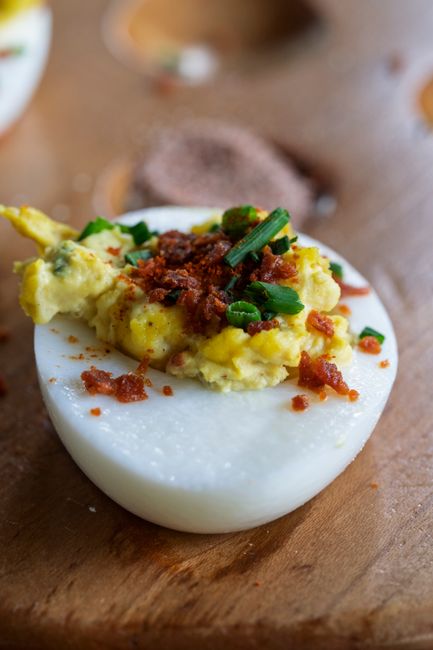
The Devil’s Own Deviled Eggs: A Culinary Inferno of Flavor
Deviled eggs, a perennial party favorite, transcend mere appetizer status when they embrace the bold, the fiery, and the unapologetically intense. "The Devil’s Own Deviled Eggs" isn’t just a catchy moniker; it signifies a deliberate departure from the mild and the mundane, a journey into a realm where spice reigns supreme and complex flavors dance on the palate. This isn’t your grandmother’s mild mayo and mustard concoction; this is an elevated experience designed to ignite taste buds and leave a lasting impression. The core of any exceptional deviled egg lies in the perfect hard-boiled egg, its yolk creamy and rich, a canvas for the audacious fillings that will follow. Achieving this foundational perfection is paramount. Overcooking leads to rubbery whites and a greenish ring around the yolk, an unwelcome visual and textural detractor. Conversely, undercooking results in a runny yolk, a culinary catastrophe for deviled egg aspirations. The ideal hard-boiled egg for deviled eggs boasts a firm yet yielding white and a perfectly cooked, vibrant yellow yolk, ready to be transformed.
The distinction of "The Devil’s Own" lies in its daring ingredient profile, a deliberate escalation of flavor that pushes the boundaries of traditional deviled egg recipes. While classic deviled eggs often rely on paprika for a hint of color and mild warmth, these infernal creations embrace a spectrum of heat and depth. This typically involves incorporating a variety of chili peppers, both fresh and preserved, along with potent spices and condiments that amplify and complement the inherent richness of the egg yolk. The goal is not simply to inflict pain through excessive spice, but to orchestrate a symphony of flavors where heat is balanced by acidity, sweetness, and umami, creating a complex and addictive experience. The very soul of these deviled eggs resides in the meticulous preparation of the yolk filling, a process that demands precision and an understanding of how disparate ingredients can coalesce into something extraordinary.
The foundation of any deviled egg filling is, of course, the mashed yolk itself. However, in "The Devil’s Own" iteration, this simple base is transmuted into a vehicle for intense flavor. Beyond the standard mayonnaise, which provides creaminess and binding, a more robust and often spicier mayonnaise is employed. This can be achieved by infusing mayonnaise with chili oils, sriracha, gochujang, or even finely minced fresh chilies. The key is to select a mayonnaise that can stand up to the assertive flavors that will be introduced. The type of mustard used also plays a crucial role. While Dijon is a common choice for its tang, a spicier mustard like a whole-grain mustard or even a horseradish mustard can contribute another layer of piquancy that aligns with the devilish theme. The judicious use of vinegar, whether it be apple cider vinegar, red wine vinegar, or even a dash of pickle brine, provides essential acidity to cut through the richness and balance the heat, preventing the filling from becoming cloying.
The "devilish" element often stems from the intentional inclusion of a powerful heat source. This can manifest in several ways. Finely minced fresh chilies, such as jalapeños, serranos, or even habaneros (used with extreme caution), introduce a bright, sharp heat. The seeds and membranes of these peppers contain the highest concentration of capsaicin, the compound responsible for spiciness, and their inclusion dictates the intensity of the final product. For a deeper, more smoky heat, chipotle peppers in adobo sauce are a superb addition. Their smoky paprika notes and underlying fire provide a complexity that roasted red peppers alone cannot replicate. The adobo sauce itself, rich with tomato and vinegar, adds another dimension of flavor. Beyond fresh and preserved chilies, the judicious application of hot sauces is also a hallmark of "The Devil’s Own" deviled eggs. Sriracha offers a garlicky heat, while a smoky chipotle hot sauce can provide a different flavor profile. The choice of hot sauce allows for fine-tuning of both heat and flavor.
Beyond the heat, "The Devil’s Own Deviled Eggs" often incorporate elements that enhance umami and add savory depth. Worcestershire sauce, with its complex blend of anchovies, tamarind, and spices, imparts a deep, savory richness. A touch of soy sauce or tamari can provide a similar effect, along with a hint of salinity. For those seeking an even more intense umami punch, a small amount of finely grated Parmesan cheese or even a whisper of anchovy paste can be incorporated into the yolk mixture, though these additions require careful consideration to avoid overpowering other flavors. The interplay of spicy, savory, and acidic is critical to achieving the desired "devilish" balance.
The textural contrast within the filling is also a significant consideration for elevated deviled eggs. While the mashed yolk provides a creamy foundation, the inclusion of finely diced ingredients can add a delightful crunch and visual interest. This might include finely minced red onion for a sharp bite, finely chopped pickles or capers for briny pops, or even toasted breadcrumbs for an unexpected crispness. These elements not only enhance the mouthfeel but also contribute subtle flavor notes that complement the overall profile. The careful integration of these textural elements ensures that each bite offers a multifaceted experience, moving beyond a singular creamy mass.
The visual presentation of "The Devil’s Own Deviled Eggs" is as crucial as their flavor. A sprinkle of cayenne pepper, smoked paprika, or a finely chopped fresh chili pepper provides a vibrant and enticing garnish. Black sesame seeds can add a touch of elegance and a subtle nutty flavor. A drizzle of chili oil or a vibrant green herb oil can further enhance the visual appeal and telegraph the fiery nature of the filling. The contrast in colors – the pristine white egg white against the richly colored yolk filling, adorned with a contrasting garnish – creates an appetizing tableau that draws diners in, promising an exciting culinary adventure.
The process of creating "The Devil’s Own Deviled Eggs" begins with selecting high-quality eggs. Freshness is paramount for both flavor and the ease of peeling. To achieve the perfect hard-boiled egg, a common method involves placing eggs in a saucepan, covering them with cold water by about an inch, and bringing the water to a rolling boil. Once boiling, immediately remove the pan from the heat, cover it tightly, and let the eggs sit for 9 to 12 minutes, depending on their size and desired firmness. After the resting period, transfer the eggs to an ice bath to stop the cooking process and facilitate easier peeling. A gentle tap on a hard surface and rolling the egg between your hands can help loosen the shell, which should then peel away cleanly, revealing a pristine white exterior and a perfectly cooked, vibrant yolk.
Once peeled, the eggs are halved lengthwise. The yolks are carefully scooped out and placed in a bowl. The whites, which serve as the edible vessels for the devilish filling, are set aside, their smooth inner surfaces ready to embrace their fiery destiny. The real magic happens as the yolks are transformed. They are typically mashed with a fork or a potato masher until smooth and creamy, forming the base of the filling. This is where the meticulous layering of flavors begins.
The mayonnaise, the binding agent, is added incrementally. The amount will vary depending on personal preference and the desired consistency, but it should be enough to create a smooth, pipeable, or spoonable filling without being overly greasy. Then, the chosen heat elements are introduced. This is a critical stage for tasting and adjusting. Start with a smaller amount of chili, hot sauce, or spice, and gradually increase until the desired level of heat and flavor is achieved. Remember that the heat from chilies can intensify as they sit, so it’s often best to err on the side of caution initially.
The umami boosters, acidity, and any textural elements are then incorporated. Each addition is folded in gently, ensuring that the filling remains cohesive and the flavors are evenly distributed. A pinch of salt and freshly ground black pepper is essential to enhance all the other flavors. For a truly "devilish" experience, consider adding a touch of smoked salt for an extra layer of complexity. The goal is a filling that is not just hot, but profoundly flavorful, with each component playing a distinct role in the overall taste profile.
Once the filling is perfected, it can be spooned back into the egg white halves. For a more elegant presentation, the filling can be piped using a pastry bag and a decorative tip, creating beautiful rosettes or swirls. This adds a professional touch and elevates the visual appeal.
The garnishing stage is where the "devilish" theme can be further emphasized. A generous dusting of smoked paprika or a vibrant red cayenne pepper adds a striking visual and a hint of extra warmth. Finely chopped fresh chives or parsley offer a fresh, herbaceous counterpoint and a pop of green. For those who truly embrace the inferno, a tiny sliver of a fresh, potent chili pepper can be placed atop each deviled egg as a visual warning and a promise of intense flavor. Black sesame seeds, with their subtle crunch and visual contrast, can also be used as a sophisticated garnish.
"The Devil’s Own Deviled Eggs" are more than just a recipe; they are an edible statement. They appeal to those who appreciate bold flavors, who aren’t afraid of a little heat, and who seek culinary experiences that are both exciting and memorable. They are a testament to the fact that familiar dishes can be reimagined and elevated through thoughtful ingredient selection, meticulous preparation, and a willingness to embrace intensity. From the perfectly boiled egg to the fiery, complex filling, every element contributes to a flavor profile that is both challenging and deeply satisfying, earning them the rightful title of "The Devil’s Own." These are not eggs for the faint of heart, but for those who relish a culinary inferno.
