
Perfect Pan Seared Filet Mignon
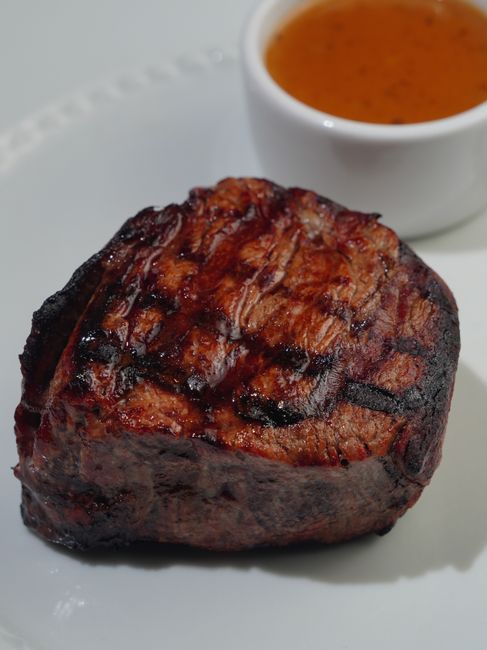
The Ultimate Guide to Pan-Seared Filet Mignon: A Step-by-Step Masterclass in Culinary Perfection
Pan-searing a filet mignon is an art form, a delicate dance of heat, fat, and protein resulting in a steak that is simultaneously tender, juicy, and crowned with a deeply caramelized crust. This guide provides an exhaustive breakdown of the process, from selecting the finest cut to achieving steakhouse-caliber results in your own kitchen. Mastering pan-seared filet mignon elevates any meal, transforming a simple dinner into an unforgettable culinary experience. The key lies in understanding the science behind searing, the nuances of heat control, and the importance of precise timing. This article will equip you with the knowledge and techniques to consistently produce flawlessly cooked filet mignon, eliminating guesswork and ensuring succulent, flavorful results every time.
Understanding Filet Mignon: The Pinnacle of Beef Tenderloin
Filet mignon, also known as the tenderloin, is the most tender cut of beef. It comes from the psoas major muscle, located along the backbone. This muscle does very little work, contributing to its exceptionally soft texture and mild, buttery flavor. Its leanness means it benefits greatly from precise cooking to prevent dryness. When selecting filet mignon, look for a steak that is at least 1.5 to 2 inches thick. Thicker cuts are more forgiving, allowing for a better sear without overcooking the interior. The color should be a vibrant, cherry-red, indicating freshness. Marbling, the flecks of fat within the muscle, is minimal in filet mignon compared to other cuts like ribeye or New York strip, which is why its inherent tenderness is its primary selling point. The shape of a filet mignon typically tapers, with the thicker center portion being the most prized. For optimal results, aim for center-cut filets. Consider the source of your beef; locally sourced or prime-grade beef will always yield superior flavor and texture. Dry-aged filet mignon offers an even more concentrated flavor profile due to the enzymatic breakdown of proteins and moisture evaporation over time, though this is a more advanced and often pricier option. When purchasing, inspect the steak for any discoloration or off-putting smells, which are indicators of poor quality. The fat cap, if present, should be uniform and white.
The Crucial Role of Seasoning: Enhancing, Not Overpowering
Filet mignon’s delicate flavor profile requires seasoning that enhances, rather than masks, its natural richness. Generous application of coarse kosher salt and freshly cracked black pepper is paramount. Salt draws out moisture, which then gets reabsorbed, seasoning the steak from within and contributing to a better sear by aiding in the Maillard reaction. Black pepper adds a subtle warmth and complexity. Apply the salt and pepper liberally, ensuring all surfaces of the steak are coated. The best time to season is immediately before cooking. While some advocate for seasoning well in advance to allow the salt to penetrate, for a quick sear like that of filet mignon, immediate seasoning is most effective. The coarse nature of kosher salt ensures it adheres well to the steak’s surface and dissolves during cooking, creating a flavorful crust. Freshly cracked black pepper offers a more potent and nuanced flavor than pre-ground pepper. For those who enjoy additional flavor, consider a pinch of garlic powder or onion powder. However, keep these additions minimal to respect the inherent quality of the beef. The goal is to create a simple yet effective flavor base that complements the steak’s natural succulence. Avoid fine table salt, as it can lead to a salty exterior with an under-seasoned interior. The surface of the steak should feel slightly gritty with salt before it hits the pan.
The Science of the Sear: The Maillard Reaction Explained
The pan sear is the cornerstone of perfect filet mignon. This process, known as the Maillard reaction, is a complex chemical reaction between amino acids and reducing sugars that occurs at high temperatures. It is responsible for the desirable browning and rich, savory flavor of seared meats. Achieving a deep, even crust requires high heat and proper fat. The Maillard reaction begins around 300°F (150°C) and intensifies as temperatures rise. Overcooking the steak beyond this point will lead to dryness, so a controlled sear is vital. The browning process creates hundreds of flavor compounds, contributing significantly to the overall taste experience. It’s not just about appearance; the crust is where much of the steak’s deliciousness is generated. A good sear also helps to lock in moisture, although this is a debated point. The primary benefit of the sear is flavor development and texture contrast. The exterior becomes slightly crisp and chewy, while the interior remains tender and yielding. This textural interplay is what makes a perfectly pan-seared steak so appealing. Understanding that the goal is to caramelize the natural sugars and proteins on the surface of the steak without cooking the interior too much is key to success. This reaction happens relatively quickly, so monitoring the steak is essential to prevent burning.
Choosing the Right Pan and Fat: Essential Tools for Success
The pan is as crucial as the steak itself. A heavy-bottomed skillet, such as cast iron or stainless steel, is ideal. These pans retain heat exceptionally well, providing consistent temperature for an even sear. Cast iron is particularly prized for its superior heat retention and ability to develop a magnificent crust. If using stainless steel, ensure it’s a high-quality, thick-bottomed pan that won’t warp over high heat. Non-stick pans are not suitable for searing as they cannot achieve the necessary high temperatures or develop the same caliber of crust. The fat used for searing also plays a significant role. A high smoke point oil is necessary to prevent the fat from burning and imparting an acrid flavor. Common choices include grapeseed oil, avocado oil, or clarified butter (ghee). Grapeseed and avocado oils have very high smoke points and a neutral flavor. Clarified butter offers a slightly richer flavor but must be pure butterfat, as regular butter will burn. A combination of oil and butter can be used once the initial sear is complete to add flavor and aid in basting. The amount of fat used should be enough to coat the bottom of the pan thinly, preventing sticking and facilitating heat transfer. Too much fat can lead to a greasy steak. The pan should be screaming hot before the steak is added; this is indicated by a faint shimmer in the oil or a wisp of smoke.
The Cooking Process: A Precise Method for Perfection
- Bring Steak to Room Temperature: Remove the filet mignon from the refrigerator at least 30-60 minutes before cooking. This allows the steak to cook more evenly. A cold steak will cook unevenly, with the exterior overcooking before the interior reaches the desired temperature.
- Preheat the Pan: Place your chosen skillet over medium-high to high heat. Add 1-2 tablespoons of high smoke point oil. Allow the pan to heat until the oil is shimmering and just beginning to smoke.
- Sear the Filet: Carefully place the seasoned filet mignon into the hot pan. It should sizzle immediately. Do not overcrowd the pan; cook steaks in batches if necessary. Let the steak sear undisturbed for 2-4 minutes per side, depending on thickness and desired doneness. The goal is to develop a deep brown crust.
- Reduce Heat and Add Aromatics (Optional): Once both sides are seared, reduce the heat to medium. Add 2-3 tablespoons of unsalted butter, a few sprigs of fresh thyme or rosemary, and a crushed clove or two of garlic to the pan.
- Basting for Flavor and Even Cooking: Tilt the pan and use a spoon to continuously baste the steak with the melted butter and aromatics. This not only adds flavor but also helps to cook the steak evenly and keep the surface moist. Continue basting for another 2-5 minutes, turning the steak occasionally.
- Monitor Internal Temperature: Use an instant-read meat thermometer to check the internal temperature of the steak. For rare, aim for 120-125°F (49-52°C). For medium-rare, 130-135°F (54-57°C). For medium, 140-145°F (60-63°C). Remember that the temperature will rise an additional 5-10 degrees during resting. Insert the thermometer into the thickest part of the steak, avoiding any fat pockets.
- Resting is Non-Negotiable: Once the desired temperature is reached, immediately remove the steak from the pan and place it on a clean cutting board or a wire rack set over a plate. Tent it loosely with aluminum foil. Allow the steak to rest for at least 5-10 minutes. This resting period is crucial for allowing the juices to redistribute throughout the steak. If cut too soon, the juices will run out, resulting in a dry steak.
Achieving Your Desired Doneness: A Temperature Guide
- Rare: 120-125°F (49-52°C) – Cool red center. The steak will feel very soft and yielding to the touch.
- Medium-Rare: 130-135°F (54-57°C) – Warm red center. The steak will have a slight spring to it. This is often considered the optimal doneness for filet mignon, balancing tenderness with a satisfying warmth.
- Medium: 140-145°F (60-63°C) – Pink center. The steak will feel firmer.
- Medium-Well: 150-155°F (66-68°C) – Slightly pink center. The steak will feel noticeably firmer.
- Well-Done: 160°F (71°C) and above – No pink, cooked through. While achievable, this doneness is generally not recommended for filet mignon as it diminishes its inherent tenderness.
The touch test can also be used as a rough guide, comparing the firmness of the steak to the fleshy part of your hand. However, a thermometer is by far the most accurate method. The carryover cooking during the resting period is significant, so it’s advisable to pull the steak from the heat a few degrees below your target temperature.
Troubleshooting Common Filet Mignon Issues
- Steak is Tough or Dry: This is usually a result of overcooking or not allowing sufficient resting time. Ensure you are using a thermometer and resting the steak properly. Filet mignon is lean; it does not have the same margin for error as fattier cuts.
- Uneven Cooking: This can happen if the steak is too cold when it hits the pan or if the heat is not consistent. Bringing the steak to room temperature and using a heavy-bottomed pan are key.
- Poor Sear: Insufficient pan heat or overcrowding the pan can lead to a weak sear. Ensure the pan is smoking hot before adding the steak and cook in batches if needed. Using the correct type of fat is also crucial.
- Sticking to the Pan: This often indicates the pan wasn’t hot enough when the steak was added or that insufficient fat was used. Ensure the pan is adequately preheated and has a thin layer of oil.
Elevating Your Pan-Seared Filet Mignon: Sauces and Pairings
While a perfectly pan-seared filet mignon is delicious on its own, it pairs exceptionally well with a variety of sauces. A classic red wine reduction, a creamy mushroom sauce, or a simple pan sauce made by deglazing the skillet with wine or broth can add another layer of complexity. Bearnaise sauce, a rich emulsion of egg yolks, butter, and tarragon, is another classic accompaniment. For sides, consider roasted asparagus, garlic mashed potatoes, creamed spinach, or a simple arugula salad with a lemon vinaigrette. The mild flavor of filet mignon allows it to complement a wide range of flavors without being overpowered.
Conclusion: The Rewarding Practice of Pan-Searing
Mastering the art of pan-searing filet mignon is a rewarding culinary achievement. By understanding the quality of the cut, the principles of seasoning, the science of searing, and the meticulous attention to heat and timing, you can consistently produce a steak that rivals those from the finest steakhouses. The pursuit of the perfect sear and the ideal internal temperature is a journey that refines your palate and elevates your home cooking. This comprehensive approach ensures that each filet mignon cooked using these techniques will be a testament to culinary precision and a delight for any discerning diner. The simplicity of the ingredients required belies the sophisticated result, making it an accessible yet impressive dish.
