
Sweet Potato Bread I 2
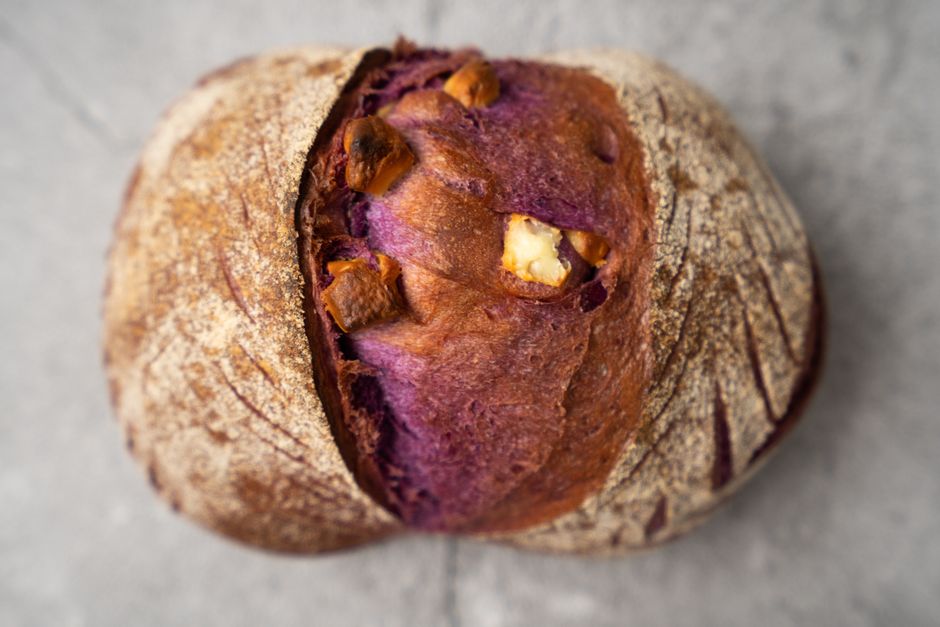
Sweet Potato Bread: A Nutritious and Delicious Baking Staple
Sweet potato bread, a surprisingly versatile and remarkably nutritious baked good, offers a delightful blend of earthy sweetness and comforting texture. Far from being a mere indulgence, this bread harnesses the inherent goodness of sweet potatoes, transforming them into a moist, flavorful loaf that can be enjoyed at breakfast, as a snack, or even as a side dish. The vibrant orange flesh of the sweet potato not only imparts a beautiful hue to the bread but also contributes a wealth of vitamins, minerals, and fiber, elevating it beyond the nutritional profile of many standard quick breads. Its natural sugars provide a subtle sweetness that often reduces the need for added refined sugars, making it a more wholesome choice for health-conscious bakers. The moisture content of mashed sweet potato also plays a crucial role, contributing to an exceptionally tender crumb that remains moist for days, a significant advantage over many drier baked goods.
The journey of sweet potato bread begins with the selection of the star ingredient. Choosing ripe, firm sweet potatoes is paramount for optimal flavor and texture. Look for sweet potatoes with smooth, unblemished skin and a firm flesh that yields slightly to pressure but isn’t soft or mushy. Varieties like Jewel, Beauregard, or Garnet are excellent choices due to their deep orange flesh and sweet, earthy flavor. The preparation of the sweet potato is typically straightforward, involving either baking or boiling until fork-tender. Baking, often considered the superior method for bread-making, concentrates the natural sugars and results in a richer, more intense flavor. To bake, simply wash the sweet potatoes, prick them with a fork, and bake in a preheated oven at 400°F (200°C) until they are soft when pierced, usually between 45 minutes to an hour, depending on size. Once cooled enough to handle, the skin is easily peeled away, and the flesh can be mashed. Boiling is a quicker alternative, but care must be taken not to overcook the potatoes, as excess water can lead to a gummy texture in the finished bread. Regardless of the cooking method, the mashed sweet potato should be smooth and free of lumps for an even distribution of flavor and moisture throughout the batter.
The foundational ingredients for sweet potato bread are generally the same as those found in most quick bread recipes: flour, leavening agents, fat, eggs, and liquid. All-purpose flour is the most common choice, providing structure to the loaf. Whole wheat flour can be incorporated to boost fiber and nutrient content, though it may result in a slightly denser bread. A combination of all-purpose and whole wheat flour often strikes a good balance. Leavening agents, typically baking soda and baking powder, are crucial for achieving a light and airy texture. Baking soda, when activated by an acidic ingredient (often provided by buttermilk or brown sugar), reacts to produce carbon dioxide gas, causing the bread to rise. Baking powder contains both an acid and a base, providing an extra lift. The fat component, usually butter or vegetable oil, contributes to tenderness and moisture. Melted butter adds a rich, buttery flavor, while oil generally results in a moister crumb that stays fresh longer. Eggs bind the ingredients together, add richness, and contribute to the bread’s structure and color. The liquid in the recipe, in addition to the moisture from the sweet potato, can come from milk, buttermilk, or even a bit of the water used to boil the potatoes. Buttermilk, in particular, adds a subtle tang that complements the sweetness of the potato.
Beyond the basic ingredients, the true magic of sweet potato bread lies in the additions that enhance its flavor and texture. Spices are non-negotiable for this bread. Cinnamon, nutmeg, and cloves are classic pairings that evoke warmth and coziness, perfectly complementing the earthy sweetness of the sweet potato. A generous amount of cinnamon is essential, while nutmeg and cloves should be used more sparingly to avoid overpowering the other flavors. Ground ginger can also add a pleasant spicy note. Sweeteners play a vital role, and while the sweet potato provides natural sweetness, a little extra is usually desired. Brown sugar, with its molasses content, not only adds sweetness but also moisture and a rich caramel undertone that harmonizes beautifully with the sweet potato. White granulated sugar can also be used, but brown sugar is generally preferred for its flavor profile. Some recipes may also incorporate honey or maple syrup for a more natural sweetness. In terms of texture, chopped nuts, such as walnuts or pecans, are a popular addition, providing a satisfying crunch and nutty flavor. Dried fruits like raisins, cranberries, or chopped dates can also introduce bursts of chewy sweetness and vibrant color. A pinch of salt is crucial to balance the sweetness and enhance the overall flavor of the bread.
The process of combining these ingredients into a delicious loaf is a relatively simple undertaking, characteristic of quick bread baking. The dry ingredients – flour, leavening agents, salt, and spices – are whisked together in one bowl. In a separate, larger bowl, the wet ingredients are combined. This typically involves creaming together the softened butter or oil with the sugar until light and fluffy, then beating in the eggs one at a time. The mashed sweet potato and any other liquid ingredients, such as milk or buttermilk, are then incorporated into the wet mixture. Once the wet ingredients are thoroughly combined, the dry ingredients are gradually added to the wet, mixing only until just combined. Overmixing can develop the gluten in the flour, leading to a tough and dense bread. Gently folding in any additions, such as nuts or dried fruit, at this stage is important to ensure they are evenly distributed without overworking the batter.
Baking sweet potato bread is a straightforward process that typically involves a preheated oven and a prepared loaf pan. Greasing and flouring the loaf pan, or lining it with parchment paper, prevents the bread from sticking and ensures easy removal. Pour the batter into the prepared pan, smoothing the top with a spatula. The baking time and temperature will vary depending on the recipe and oven, but a common temperature is 350°F (175°C). Baking time typically ranges from 50 to 70 minutes, or until a wooden skewer or toothpick inserted into the center comes out clean. It’s important to monitor the bread during the latter stages of baking, as oven temperatures can vary. If the top of the bread begins to brown too quickly, it can be loosely tented with aluminum foil. Once baked, the bread should be allowed to cool in the pan for about 10-15 minutes before being inverted onto a wire rack to cool completely. This cooling process is crucial for the bread’s structure to set properly and for the flavors to meld.
The versatility of sweet potato bread extends beyond its inherent deliciousness. It serves as an excellent base for various toppings and accompaniments. A simple spread of butter is a classic choice, highlighting the bread’s natural sweetness. Cream cheese offers a creamy tang that contrasts beautifully with the earthy notes of the sweet potato. For a more indulgent experience, a drizzle of honey or maple syrup can enhance its sweetness. When served warm, it can even act as a base for a breakfast spread, perhaps topped with a dollop of Greek yogurt and fresh berries. As a savory accompaniment, its subtle sweetness can cut through the richness of roasted meats or hearty stews. Its tender crumb and moist texture also make it an ideal candidate for French toast, where it absorbs custard beautifully, creating a delightful breakfast or brunch option.
Storage is an important consideration for maintaining the freshness and quality of sweet potato bread. Due to its high moisture content, it tends to stay moist for a longer period than many other baked goods. Once completely cooled, the bread can be wrapped tightly in plastic wrap or aluminum foil and stored at room temperature for 2-3 days. For longer storage, it can be refrigerated, which will extend its shelf life to about a week. Freezing is an excellent option for preserving sweet potato bread for extended periods. After cooling completely, wrap the loaf tightly in plastic wrap, then in aluminum foil, or place it in a freezer-safe bag. It can be frozen for up to 3 months. To thaw, remove from the freezer and let it come to room temperature. For a warm treat, slices can be gently reheated in a toaster oven or a conventional oven.
The nutritional benefits of sweet potato bread are significant and contribute to its growing popularity as a healthier alternative. Sweet potatoes are a powerhouse of nutrients, particularly beta-carotene, which the body converts into vitamin A. Vitamin A is essential for vision, immune function, and skin health. They are also a good source of vitamin C, which acts as an antioxidant and supports the immune system, and potassium, which plays a role in blood pressure regulation and muscle function. The fiber content in sweet potatoes, both soluble and insoluble, is beneficial for digestive health, promoting satiety, and helping to regulate blood sugar levels. When whole wheat flour is used in the recipe, the fiber content is further enhanced, along with a broader spectrum of B vitamins and minerals. The natural sugars in sweet potatoes, when consumed in moderation and as part of a balanced diet, provide energy without the drastic blood sugar spikes associated with refined sugars. This makes sweet potato bread a more satisfying and beneficial choice for a snack or breakfast.
Beyond the standard sweet potato bread recipe, countless variations and flavor profiles can be explored, catering to diverse palates and dietary needs. Vegan sweet potato bread can be achieved by substituting eggs with flax eggs (flaxseed meal mixed with water) or commercial egg replacers, and using plant-based milk and oil. Gluten-free versions can be made by substituting all-purpose flour with a blend of gluten-free flours like almond flour, oat flour, or a commercial gluten-free flour mix. For those seeking a less sweet option, the amount of added sugar can be reduced, and savory additions like roasted garlic, herbs, or even a hint of chili powder can be incorporated to create a more sophisticated bread suitable for cheese boards or as a complement to savory meals. The adaptability of sweet potato bread ensures its enduring appeal and its ability to be customized to meet specific culinary preferences and health goals. Its inherent goodness, combined with the boundless possibilities for flavor and texture enhancement, solidifies sweet potato bread’s position as a beloved and beneficial staple in kitchens worldwide. The rich, comforting flavor, coupled with its impressive nutritional profile, makes it a guilt-free indulgence and a wise addition to any dietary regimen. Its ability to be enjoyed at any time of day, in myriad ways, further cements its status as a truly remarkable baked good.
