
German Chocolate Cake Frosting
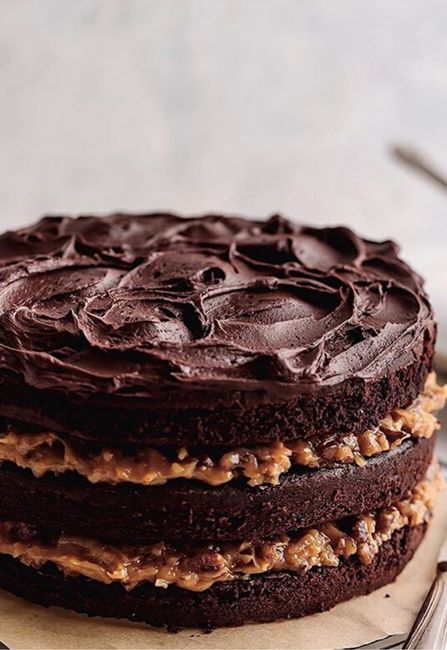
German Chocolate Cake Frosting: A Deep Dive into the Quintessential Pecan-Coconut Topping
The iconic German chocolate cake frosting, a rich, decadent, and utterly delicious concoction, is as integral to the cake’s identity as the moist chocolate layers themselves. Often mistakenly believed to have originated in Germany, this distinctive topping actually owes its name and existence to an American baker, Samuel German, who developed a type of dark baking chocolate for the Baker’s Chocolate Company in 1852. This "German’s sweet chocolate" became the cornerstone for what would eventually evolve into the beloved frosting we know and adore today. The true magic of this frosting lies in its unique combination of flavors and textures: the creamy sweetness of evaporated milk and butter, the satisfying crunch of pecans, and the chewy, tropical notes of shredded coconut. This article will provide a comprehensive guide to understanding, creating, and optimizing this classic frosting for both culinary excellence and online visibility.
Understanding the Core Components and Their Roles
At its heart, German chocolate cake frosting is a cooked frosting, typically made with evaporated milk, butter, sugar, egg yolks, and vanilla, to which pecans and coconut are added. Each ingredient plays a crucial role in achieving the characteristic flavor profile and desirable texture.
Evaporated Milk: This shelf-stable, concentrated milk product is the foundation of the frosting’s liquid base. Its concentrated nature contributes to a richer, thicker consistency than fresh milk. When heated with sugar, it undergoes caramelization, adding a subtle depth of flavor and contributing to the frosting’s characteristic tan hue. The Maillard reaction, a complex series of chemical reactions between amino acids and reducing sugars, is also at play here, further enhancing browning and developing nuanced flavors.
Butter: Unsalted butter is preferred for its clean flavor and ability to provide richness and a smooth mouthfeel. It emulsifies with the other ingredients, creating a stable and glossy frosting. The fat content of butter is essential for carrying flavors and contributing to the overall luxurious texture. When melted and incorporated into the cooked base, it imparts a velvety smoothness that coats the palate.
Sugar: Granulated sugar is the primary sweetener. When cooked with the evaporated milk and butter, it contributes to the caramelization process, adding complexity beyond simple sweetness. The exact amount of sugar can be adjusted slightly based on preference, but it’s crucial for achieving the correct viscosity and preventing crystallization. The interaction of sugar with water molecules in the evaporated milk at elevated temperatures is key to achieving the frosting’s unique texture.
Egg Yolks: These provide richness, act as a binder, and contribute to the frosting’s creamy texture and golden color. The lecithin in egg yolks acts as an emulsifier, helping to stabilize the frosting and prevent it from separating. When cooked gently in the sugar and milk mixture, the egg yolks thicken the frosting and create a custard-like consistency. Overheating the egg yolks can lead to scrambling, so careful temperature control is paramount.
Vanilla Extract: A good quality vanilla extract is essential for rounding out the flavors and adding aromatic complexity. It complements the sweetness of the sugar and the richness of the butter and egg yolks, providing a subtle but crucial layer of fragrance. Pure vanilla extract is recommended over imitation for its superior flavor profile.
Pecans: Toasted pecans are a signature ingredient, providing a delightful crunch and a nutty, slightly sweet flavor that contrasts beautifully with the sweet frosting base. Toasting the pecans enhances their flavor and aroma, making them more intensely nutty. The texture of chopped pecans is crucial for textural interest; varying the chop size can offer different sensory experiences.
Shredded Coconut: Sweetened or unsweetened shredded coconut adds a chewy texture and a distinct tropical sweetness that is characteristic of this frosting. Unsweetened coconut allows for more control over the overall sweetness, while sweetened coconut will contribute more sugar. The moisture content of the coconut also plays a role in its chewiness. Toasted coconut can add an extra layer of nutty flavor and visual appeal.
The Process: Achieving the Perfect Consistency and Flavor
The traditional method for making German chocolate cake frosting involves gently cooking the base ingredients until thickened. This cooking process is what distinguishes it from buttercream frostings and contributes significantly to its unique texture and flavor.
-
Combine Base Ingredients: In a saucepan, typically over medium heat, combine evaporated milk, sugar, and butter. Stir continuously until the butter is melted and the sugar is dissolved.
-
Incorporate Egg Yolks: In a separate bowl, whisk the egg yolks until smooth. Gradually temper the egg yolks by slowly whisking a small amount of the hot milk mixture into the yolks. This gradual heating prevents the yolks from scrambling. Once tempered, pour the yolk mixture back into the saucepan with the remaining milk mixture.
-
Cook and Thicken: Continue to cook the mixture over low to medium-low heat, stirring constantly. This is a critical stage. The frosting will gradually thicken as the egg yolks cook. It should reach a consistency that coats the back of a spoon, similar to a thin custard. Overcooking can lead to a grainy or scrambled texture, so vigilance is key. Using a double boiler can provide more gentle and even heating, reducing the risk of scorching or scrambling.
-
Add Vanilla and Nuts/Coconut: Once the desired thickness is achieved, remove the saucepan from the heat. Stir in the vanilla extract and then fold in the toasted pecans and shredded coconut. The residual heat will continue to cook the ingredients slightly and meld the flavors.
-
Cool and Use: Allow the frosting to cool to room temperature before spreading it on the cake. As it cools, it will thicken further. If it becomes too stiff, a little more evaporated milk or a splash of cream can be stirred in to loosen it. Conversely, if it’s too thin, a brief period of refrigeration, stirring occasionally, can help it thicken.
Variations and Enhancements
While the classic pecan-coconut combination is beloved, there are several popular variations and enhancements that can elevate this frosting further.
Bourbon or Rum: A tablespoon or two of good quality bourbon or dark rum can add a sophisticated depth of flavor, complementing the chocolate and nut notes. The alcohol will largely evaporate during cooking, leaving behind a subtle warmth and complexity.
Espresso Powder: A teaspoon of instant espresso powder dissolved in a little warm water can intensify the chocolate flavor of the cake layers and provide a subtle coffee undertone to the frosting.
Dark Chocolate Chips: For a richer, more intensely chocolatey frosting, a handful of dark chocolate chips can be stirred in at the end of the cooking process, allowing them to melt into the warm mixture.
Different Nuts: While pecans are traditional, walnuts or even macadamia nuts can offer interesting flavor and textural alternatives. Toasting these nuts is also recommended to enhance their flavor.
Toasted Coconut: Toasting the shredded coconut before adding it to the frosting significantly boosts its nutty flavor and adds a pleasant crunch. This can be done in a dry skillet over medium heat or spread on a baking sheet and toasted in a low oven.
Sweetened vs. Unsweetened Coconut: The choice of coconut impacts the overall sweetness. Unsweetened coconut offers a more natural coconut flavor and allows for greater control over the frosting’s sweetness. Sweetened coconut will contribute additional sugar and a more pronounced sweet coconut flavor.
SEO Optimization Strategies for German Chocolate Cake Frosting Content
To ensure that articles and recipes related to German chocolate cake frosting are discoverable online, strategic SEO practices are essential.
Keyword Research: Identify relevant keywords that users are searching for. This includes:
- "German chocolate cake frosting recipe"
- "easy German chocolate frosting"
- "best German chocolate cake frosting"
- "pecan coconut frosting"
- "how to make German chocolate frosting"
- "authentic German chocolate frosting"
- "German chocolate cake topping"
- "chocolate cake with pecan coconut frosting"
Content Quality and Depth: Create comprehensive, informative, and engaging content. This article, by delving deep into the components, process, and variations, aims to provide substantial value. Longer-form content often ranks better as it demonstrates expertise.
Title Optimization: The title should be clear, concise, and incorporate primary keywords. For example: "The Ultimate Guide to German Chocolate Cake Frosting: Pecan-Coconut Perfection" or "Authentic German Chocolate Cake Frosting Recipe: Rich, Creamy, and Perfectly Topped."
Meta Descriptions: Craft compelling meta descriptions that accurately summarize the content and entice users to click. Include primary keywords and a call to action (e.g., "Learn how to make the classic pecan-coconut frosting for your German chocolate cake. Get our easy recipe!").
Header Tags (H1, H2, H3): Structure the content logically using header tags. The main title should be an H1, with subheadings for sections like "Understanding the Core Components," "The Process," and "Variations and Enhancements" as H2s, and further sub-points as H3s. This improves readability and helps search engines understand the content hierarchy.
Image Optimization: Use high-quality images of the frosting and the cake. Optimize image file names with relevant keywords (e.g., "german-chocolate-cake-frosting-pecans-coconut.jpg"). Add descriptive alt text to images, incorporating keywords for accessibility and SEO.
Internal and External Linking: Link to other relevant content on your website (e.g., a German chocolate cake recipe). Link to authoritative external sources if referencing specific historical facts or culinary techniques.
User Experience (UX): Ensure the website is mobile-friendly, loads quickly, and is easy to navigate. A positive user experience leads to longer dwell times and lower bounce rates, which are positive SEO signals.
Recipe Schema Markup: If providing a recipe, use schema markup (e.g., Recipe schema) to help search engines understand the recipe details (ingredients, instructions, cook time, yield). This can lead to rich snippets in search results, increasing click-through rates.
Regular Updates: Periodically review and update content to ensure accuracy and relevance. Adding new information or addressing common user questions can keep the content fresh and improve its ranking over time.
Conclusion
German chocolate cake frosting is more than just a sweet topping; it’s a symphony of textures and flavors that perfectly complements the rich chocolate cake. From the creamy, cooked base to the satisfying crunch of pecans and the chewy sweetness of coconut, every element contributes to its enduring popularity. By understanding the science behind its creation and employing strategic SEO practices in content creation, this beloved frosting can be shared and enjoyed by an even wider audience, ensuring its place in the pantheon of classic dessert components for years to come. Whether you’re a seasoned baker or a novice in the kitchen, mastering this frosting is a rewarding culinary endeavor that promises delicious results and ample opportunities for online discoverability.
