
Coconut Cheese Flan Flan De Coco Y Queso
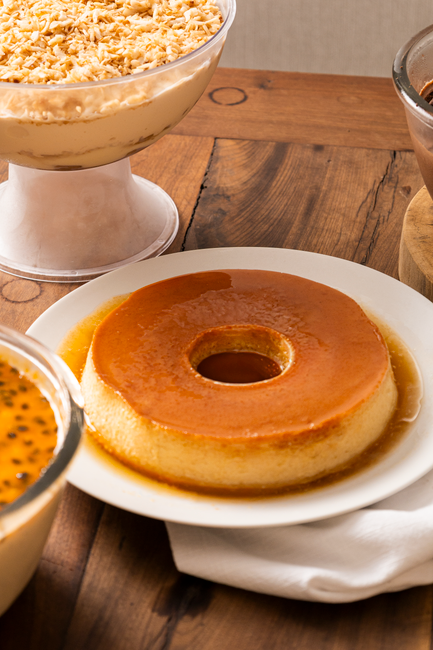
Coconut Cheese Flan: A Culinary Embrace of Tropical Richness and Creamy Indulgence
Coconut cheese flan, or flan de coco y queso, is a dessert that masterfully marries the velvety sweetness of coconut with the subtle tang and creamy luxury of cheese, all encased within the silken embrace of a classic flan. This fusion transcends the traditional, offering a sophisticated yet comforting dessert that is as visually appealing as it is delicious. The base of this decadent treat is typically a rich custard, infused with the tropical aroma and flavor of fresh coconut milk and shredded coconut. This creamy foundation is then elevated by the inclusion of cheese, which can range from mild cream cheese to sharper varieties, adding a nuanced depth and preventing the sweetness from becoming overwhelming. The signature caramel topping, a bittersweet liquid gold, provides a delightful contrast to the smooth flan, creating a multi-layered sensory experience. This dessert is a testament to how seemingly disparate ingredients can harmonize to create something truly extraordinary, making it a beloved choice for special occasions and a cherished indulgence for anyone seeking a taste of tropical paradise with an unexpected savory twist.
The foundation of an exceptional coconut cheese flan lies in the quality of its core ingredients. The coconut milk is paramount, and for the most authentic and flavorful result, fresh, homemade coconut milk is highly recommended. This involves grating fresh, mature coconut flesh and then pressing it with hot water to extract its rich, creamy essence. The resulting milk is intensely aromatic and possesses a subtle sweetness that artificial or canned varieties often lack. If fresh coconut is unavailable, high-quality canned full-fat coconut milk can be used, but caution should be exercised to avoid those with added stabilizers or preservatives, which can affect the texture and flavor profile. The shredded coconut, too, plays a crucial role. Desiccated coconut can be employed, but toasted shredded coconut, either fine or medium shred, offers a more profound, nutty flavor and a pleasing textural element. Toasting the coconut gently in a dry pan until golden brown unlocks its latent sweetness and intensifies its aroma.
The cheese component is where the flan de coco y queso truly distinguishes itself. Cream cheese is a popular and accessible choice, its mildness and creamy texture blending seamlessly with the coconut custard. It imparts a subtle tang that cuts through the richness and adds a layer of complexity. For those who prefer a bolder flavor, queso fresco, a Mexican fresh cheese known for its crumbly texture and slightly salty, milky taste, can be incorporated. Its mild acidity and subtle salinity complement the sweetness of the coconut and caramel beautifully. Other cheese options that can be explored include ricotta, which lends a light, airy texture and a delicate sweetness, or even a small amount of mascarpone for an exceptionally rich and smooth finish. The key is to select a cheese that complements, rather than overpowers, the coconut and egg custard, and to ensure it is well-blended to avoid any chalky or grainy inconsistencies in the final product.
The custard base itself is built upon the classic flan method, typically involving eggs, sugar, and milk. For flan de coco y queso, the milk is largely replaced or augmented by the coconut milk. The eggs, usually whole eggs and egg yolks, provide the structure and characteristic silky texture. The yolks contribute to the richness and a smoother mouthfeel. The balance of eggs to liquid is critical; too few eggs will result in a flan that is too soft and may not set properly, while too many can lead to a rubbery or eggy texture. Sugar is used for sweetness, but its quantity can be adjusted based on the inherent sweetness of the coconut milk and the chosen cheese. A touch of vanilla extract or a strip of vanilla bean can enhance the overall flavor profile, adding aromatic complexity. Some recipes might also incorporate a pinch of salt to further balance the sweetness and amplify the other flavors.
The preparation of the caramel is a foundational step in any flan recipe, and flan de coco y queso is no exception. This molten sugar creates the iconic topping and infuses the bottom of the flan with its bittersweet essence as it bakes. Granulated sugar is the standard for caramel, heated gently in a heavy-bottomed saucepan until it melts and transforms into a translucent amber liquid. The process requires vigilance, as sugar can quickly transition from perfectly caramelized to burnt and bitter. A dark amber color is usually desired for a pleasant bittersweet note. Once caramelized, this liquid gold is carefully poured into the bottom of the flan mold, coating its surface. The caramel will harden as it cools, forming a delicate shell that will later melt and meld with the flan during baking. Some recipes suggest adding a few drops of lemon juice or a tablespoon of water to the sugar as it caramelizes. Water can help to prevent crystallization, ensuring a smoother caramel. Lemon juice can add a subtle tang and a touch more complexity to the caramel’s flavor.
The baking process for coconut cheese flan, like traditional flan, typically involves a bain-marie, or water bath. This gentle cooking method ensures even heat distribution, preventing the custard from cooking too quickly or unevenly, which could lead to a grainy texture or curdling. The flan mold, often a ring mold or individual ramekins, is placed within a larger baking dish filled with hot water. The water should come about halfway up the sides of the flan mold. This prevents the edges from overcooking before the center is set. The oven temperature is usually moderate, typically around 300-325°F (150-160°C), allowing the custard to cook slowly and develop its characteristic silky smoothness. The baking time will vary depending on the size and depth of the mold, but it’s generally until the edges are set and the center is just barely jiggly when gently shaken. Overbaking is a common pitfall, leading to a rubbery texture.
The cooling and chilling stages are just as critical as the preparation and baking for achieving the perfect flan de coco y queso. Once removed from the oven, the flan should be allowed to cool at room temperature for a period before being refrigerated. This gradual cooling prevents thermal shock, which can cause the flan to crack. Refrigeration is essential for the flan to fully set and for the flavors to meld. Typically, a minimum of four hours, and preferably overnight, is recommended. This allows the custard to firm up completely and the caramel to soften into a luscious sauce. The chilling process also intensifies the coconut flavor and allows the subtle tang of the cheese to become more pronounced.
The unmolding and serving of coconut cheese flan is the final act of this culinary performance. After thorough chilling, the flan mold is gently inverted onto a serving platter. A sharp knife can be run around the edge of the flan to help loosen it from the mold, if necessary. The caramel, now a delectable sauce, should cascade down the sides of the flan, creating a visually stunning presentation. The flan is best served chilled. Garnishes can elevate the dessert further. Toasted coconut flakes provide an additional layer of texture and intensify the coconut flavor. A few fresh berries, such as raspberries or blueberries, offer a pop of color and a refreshing contrast. A dollop of lightly sweetened whipped cream can add another layer of creamy indulgence. For those who enjoy a bit more complexity, a sprinkle of finely grated lime zest can add a bright, citrusy note that beautifully complements the coconut and cheese.
The versatility of flan de coco y queso allows for numerous creative interpretations. Beyond the classic cream cheese and queso fresco, experimenting with different cheeses can lead to exciting new flavor profiles. A mild goat cheese, for instance, can introduce a delightful tang and earthiness. For a truly decadent version, mascarpone or even a touch of ricotta salata, a firm, salty Italian ricotta, could be explored. The sweetness of the caramel can also be nuanced. Adding a pinch of sea salt to the caramel can create a salted caramel effect, providing a more sophisticated sweet and salty balance. Incorporating spices like cinnamon, nutmeg, or even a hint of cardamom into the custard can add warmth and complexity, particularly during cooler months. For a more pronounced tropical flair, a small amount of pureed passion fruit or mango could be swirled into the custard before baking, creating a vibrant and exotic variation. The texture of the shredded coconut can also be manipulated. Using finely ground coconut in the custard will create a smoother flan, while larger flakes will offer more distinct textural elements.
When considering SEO optimization for "coconut cheese flan" and "flan de coco y queso," several keywords and phrases are crucial. The primary keywords are "coconut cheese flan" and "flan de coco y queso." These should be strategically integrated throughout the article, in headings, subheadings, and the body text. Secondary keywords that can attract relevant traffic include "tropical dessert," "creamy custard," "caramel flan," "easy flan recipe" (if a recipe is implied or provided), "dessert with coconut," "dessert with cheese," "Latin American dessert," "Filipino dessert" (as flan variations are popular there), and "best flan recipe." Long-tail keywords, such as "how to make coconut cheese flan," "flan de coco y queso recipe," "easy homemade coconut flan," and "best cheese for flan" can also draw in users with specific search intent.
To further enhance SEO, the article structure is vital. Clear headings and subheadings break up the text, making it more readable for users and easier for search engines to understand the content’s hierarchy. Using bullet points or numbered lists for ingredients or steps, if a recipe were included, would also be beneficial. Image alt text should incorporate relevant keywords. For instance, an image of the finished flan could have alt text like "Decadent Coconut Cheese Flan (Flan de Coco y Queso) with Caramel Topping." Internal linking to other relevant recipes or articles on a website, and external linking to reputable sources, can also boost SEO. The use of a meta description that accurately summarizes the article and includes primary keywords is essential for click-through rates from search results pages. The overall goal is to create comprehensive, informative, and keyword-rich content that directly addresses user search queries related to coconut cheese flan.
The cultural significance of flan, and by extension, flan de coco y queso, cannot be overstated. Flan is a beloved dessert across Latin America, Spain, and many other parts of the world. Its presence at family gatherings, celebrations, and restaurants speaks to its enduring appeal. The addition of coconut and cheese introduces a delightful fusion, bringing together the familiar comfort of flan with the distinct flavors of tropical regions. In places where coconut is abundant, it’s a natural progression to incorporate it into a classic dessert. The addition of cheese, while perhaps less traditional in some contexts, taps into a broader culinary trend of blending sweet and savory elements. This makes flan de coco y queso a dessert that is both rooted in tradition and boldly innovative, appealing to a wide range of palates and culinary curiosities. It represents a delicious intersection of cultures and flavors, a testament to the ever-evolving landscape of dessert creation.
The nutritional profile of coconut cheese flan is, as expected, rich and indulgent. It is typically high in calories, fat, and sugar, owing to the heavy cream, eggs, sugar, and caramel. The coconut milk contributes saturated fats, which are prevalent in coconut products, and is a source of medium-chain triglycerides (MCTs). The cheese adds protein and calcium. While not a health food, it is a dessert meant to be enjoyed in moderation as a treat. The portion size is crucial. A small slice can provide a satisfying level of sweetness and creaminess. For those seeking to make a slightly lighter version, options might include using reduced-fat coconut milk (though this can affect texture), or adjusting the sugar content, although this can impact the caramelization and overall flavor balance. The addition of fruit as a garnish can also provide some vitamins and fiber, offering a welcome contrast to the richness of the flan itself.
The popularity of coconut cheese flan can be attributed to its unique flavor profile and luxurious texture. The combination of sweet coconut and the subtle tang of cheese is a winning formula for many palates. The smooth, melt-in-your-mouth texture of the custard, contrasted with the slightly firm caramel, creates a delightful sensory experience. It’s a dessert that feels both comforting and sophisticated, making it suitable for casual family dinners and more formal entertaining alike. The visual appeal, with its glistening caramel and creamy white surface, also contributes to its desirability. As global culinary influences continue to blend, desserts like flan de coco y queso, which marry familiar comfort with exciting new flavors, are likely to grow in popularity. It represents a perfect example of how culinary creativity can elevate a classic dessert into something new and captivating, a true celebration of taste and texture.
