
Cold Macaroni And Tuna Salad
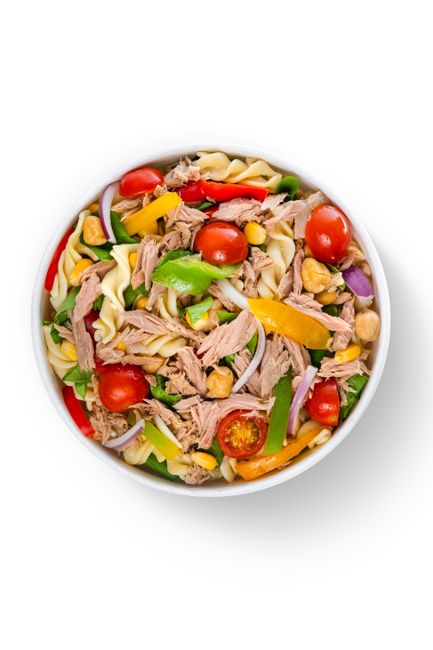
The Ultimate Guide to Cold Macaroni and Tuna Salad: A Culinary Staple
Cold macaroni and tuna salad is a universally recognized and beloved dish, a cornerstone of picnic baskets, potlucks, and quick weeknight meals. Its enduring popularity stems from a harmonious balance of textures and flavors: the satisfying chew of al dente pasta, the flaky protein of tuna, and the creamy embrace of a well-seasoned dressing. This comprehensive guide explores every facet of this culinary classic, from its core components and essential techniques to variations, storage, and SEO optimization for online culinary content. Understanding the nuances of each element is crucial for achieving a truly exceptional macaroni and tuna salad, one that transcends mere sustenance and becomes a delightful gastronomic experience. The foundation of any great macaroni and tuna salad lies in the quality of its ingredients. Selecting the right type of pasta is paramount. While elbow macaroni is the traditional choice, its short, curved shape perfectly cradles the dressing and other ingredients, myriad alternatives exist. Ditalini, a tiny tube, offers a similar textural experience on a smaller scale. Rotini, with its spiraled form, provides nooks and crannies for maximum dressing adherence. Shells, both small and medium, are excellent for capturing the creamy mixture. The key is to cook the pasta al dente – tender but with a slight bite. Overcooked pasta becomes mushy, detracting significantly from the salad’s overall appeal. A generous pinch of salt in the boiling water is non-negotiable, infusing the pasta with flavor from the inside out. Once cooked, draining the pasta thoroughly and rinsing it under cold water is essential to halt the cooking process and prevent clumping. This step is critical for maintaining the desired texture and preventing the salad from becoming a homogenous, sticky mass.
The star protein, tuna, also demands careful consideration. Canned tuna is the most accessible and widely used option. Opt for high-quality tuna packed in oil or water, depending on personal preference and desired richness. Tuna packed in oil generally offers a richer flavor and more tender texture, while tuna in water is a lighter, leaner choice. Solid white albacore tuna is often preferred for its firmer texture and milder flavor, making it a versatile canvas for other ingredients. Chunk light tuna, while more affordable and readily available, can have a stronger flavor and flakier texture, which can be desirable or undesirable depending on the overall flavor profile you aim for. Draining the tuna meticulously is a crucial step. Excess liquid can dilute the dressing and lead to a watery salad. Gently pressing the tuna in a sieve or using a paper towel to absorb any remaining moisture ensures a more cohesive and flavorful final product. The flakiness of the tuna should be appealing, not disintegrated. Avoid over-mashing or pulverizing the tuna; it should retain some structural integrity.
The dressing is the unifying element, the creamy binder that brings all the components together. The classic base for macaroni and tuna salad dressing is mayonnaise. The quality and type of mayonnaise significantly impact the final taste. Full-fat, premium mayonnaise generally provides the richest flavor and creamiest texture. Light or reduced-fat versions can be used but may require additional seasoning to achieve a comparable depth of flavor. The tanginess of mayonnaise is a key characteristic, providing a welcome counterpoint to the richness of the tuna and pasta. Beyond mayonnaise, a touch of Dijon mustard is a common and highly recommended addition. Dijon mustard adds a subtle sharpness and complex flavor that elevates the dressing beyond simple creaminess. Its emulsifying properties also contribute to a smoother, more cohesive dressing. The acidity from a splash of vinegar (white vinegar, apple cider vinegar, or even lemon juice) is another crucial component. Acidity brightens the flavors, cuts through the richness, and prevents the salad from tasting cloying. The amount of vinegar should be adjusted to personal preference; too much can make the salad sour, while too little can leave it flat. Seasoning is the final, critical element of the dressing. Salt and freshly ground black pepper are the fundamental building blocks. Beyond these basics, consider adding a pinch of sugar to balance the acidity and enhance the overall sweetness. A whisper of garlic powder or onion powder can introduce subtle aromatic notes. Freshly chopped herbs, such as parsley, dill, or chives, offer vibrant freshness and visual appeal. The goal is to create a dressing that is creamy, tangy, well-seasoned, and complements rather than overpowers the other ingredients.
The art of assembling cold macaroni and tuna salad lies in the careful integration of its components. Once the pasta is cooked, cooled, and drained, and the tuna is prepared, the remaining ingredients are introduced. Finely diced celery is a classic addition, providing a delightful crunch and a fresh, slightly peppery flavor. The crispness of celery offers a textural contrast that is essential for a well-rounded salad. Red onion, finely minced, offers a sharp, pungent bite and a vibrant color. Soaking the diced red onion in cold water for a few minutes can help to mellow its intensity for those who prefer a less assertive onion flavor. Other popular additions include chopped hard-boiled eggs, which contribute to the creaminess and add another layer of protein. Pickles or relish, either dill or sweet, provide a briny tang and a burst of acidity. Sweet pickle relish is a particularly popular choice, its sweetness a delightful counterpoint to the savory tuna. The judicious use of these additions is key; too many can overwhelm the delicate balance of flavors. When combining the ingredients, gentle mixing is paramount. Over-mixing can break down the tuna and create a mushy texture. Fold the ingredients together, ensuring an even distribution of all components within the creamy dressing.
Storage and food safety are paramount when preparing and serving cold macaroni and tuna salad. Due to its mayonnaise-based dressing, cold macaroni and tuna salad is highly perishable and must be kept at or below 40°F (4°C) at all times. Promptly refrigerate any leftovers. The salad is best consumed within three to four days of preparation. When transporting the salad to picnics or potlucks, use insulated coolers with plenty of ice packs to maintain a safe temperature. Avoid leaving the salad out at room temperature for extended periods, especially in warm weather, as this can lead to bacterial growth and foodborne illness. Properly stored, cold macaroni and tuna salad can be a safe and delicious addition to any gathering.
For culinary content creators and those looking to optimize their online presence, several SEO strategies can be employed for articles on cold macaroni and tuna salad. The primary keyword, "cold macaroni and tuna salad," should be prominently featured in the title, headings, and throughout the body of the article. Secondary keywords such as "tuna pasta salad recipe," "classic macaroni salad," "picnic salad," "potluck recipe," "easy tuna salad," and "creamy tuna pasta" should also be strategically integrated. Using long-tail keywords, such as "best cold tuna pasta salad with celery and relish," can attract highly targeted traffic. High-quality images of the finished dish and its key ingredients are essential for visual appeal and can improve engagement. Structured data markup, particularly for recipes, can help search engines understand the content and display it in rich snippets, enhancing visibility. Internal linking to other relevant recipes or articles on your website (e.g., other pasta salads, picnic ideas) can improve user navigation and SEO. External linking to reputable sources for ingredients or culinary techniques can add credibility. A clear, concise, and informative writing style, coupled with logical paragraph structure, enhances readability, a crucial factor for user experience and SEO. Encouraging comments and social shares can also signal to search engines that the content is valuable and engaging. The use of descriptive alt text for all images, incorporating relevant keywords, is another important SEO practice.
Variations on the classic cold macaroni and tuna salad abound, allowing for personalization and catering to diverse palates. For a spicier kick, consider incorporating a dash of hot sauce into the dressing or adding finely chopped jalapeños or pickled pepper rings. For a Mediterranean twist, introduce Kalamata olives, sun-dried tomatoes, and a sprinkle of feta cheese. Herbs like fresh oregano or basil can also complement these flavors. A lighter, tangier version can be achieved by reducing the mayonnaise and increasing the amount of Greek yogurt or sour cream, along with more lemon juice. Adding other vegetables such as peas, corn, or bell peppers can introduce sweetness and color. For a heartier salad, consider adding crumbled bacon or chopped cooked chicken alongside the tuna. The key to successful variation is to maintain a balanced flavor profile, ensuring that no single ingredient overpowers the others. Experimentation is encouraged, but a foundational understanding of the classic components will guide you towards delicious and harmonious creations.
The versatility of cold macaroni and tuna salad extends to its serving suggestions. While it shines as a standalone dish, it also complements a wide range of other foods. It’s the quintessential accompaniment to grilled meats and burgers at barbecues. It pairs wonderfully with sandwiches and wraps, adding a creamy, flavorful dimension. As part of a larger buffet or potluck spread, it offers a familiar and comforting option. For a lighter meal, it can be served alongside a crisp green salad or a bowl of soup. The visual presentation also plays a role in its appeal. Serving the salad in a decorative bowl, garnished with fresh herbs or a sprinkle of paprika, enhances its visual allure. Individual servings in ramekins or small cups are perfect for elegant entertaining or portion control.
In conclusion, cold macaroni and tuna salad is more than just a recipe; it’s a culinary icon. Its enduring appeal lies in its simplicity, its adaptability, and its ability to evoke feelings of comfort and nostalgia. By understanding and mastering the fundamental principles of ingredient selection, preparation techniques, and flavor balancing, one can create a cold macaroni and tuna salad that is both exceptionally delicious and highly searchable. The meticulous attention to detail, from the al dente pasta to the perfectly seasoned dressing, transforms this humble dish into a true gastronomic delight, capable of satisfying a wide array of tastes and preferences. The strategic implementation of SEO best practices ensures that this beloved recipe can be discovered and enjoyed by a global audience, further cementing its status as a culinary staple for generations to come.
