
Homemade Mac And Cheese 2
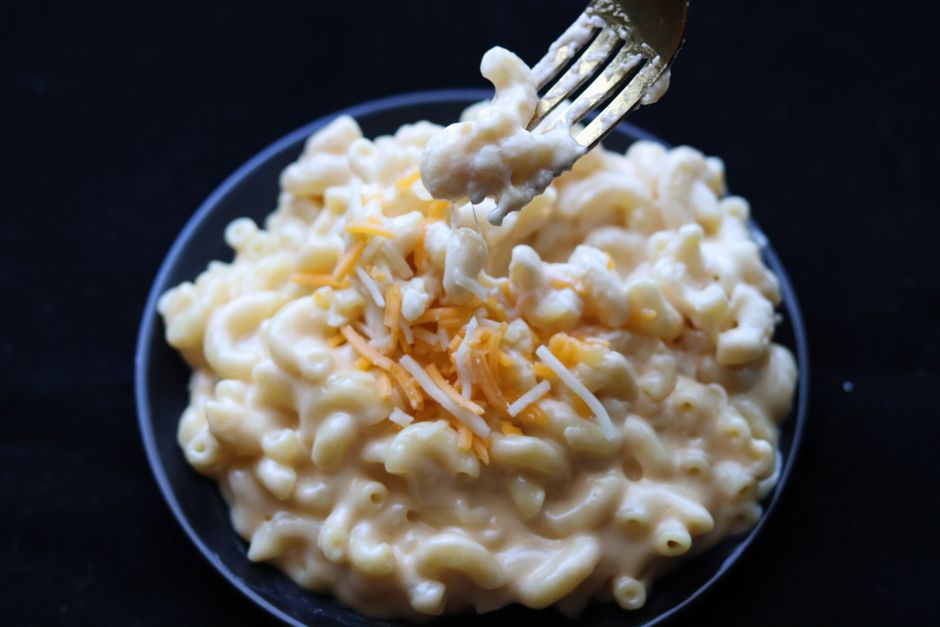
The Ultimate Guide to Homemade Mac and Cheese 2.0: Beyond the Basics
Homemade mac and cheese, a universally beloved comfort food, often conjures images of simple, stovetop preparations with a basic cheese sauce. However, "Mac and Cheese 2.0" signifies an elevation of this classic dish, moving beyond the rudimentary to explore richer flavors, more sophisticated techniques, and a wider spectrum of ingredients. This isn’t about reinventing the wheel, but about perfecting it, layering complexity and customization to create a mac and cheese experience that is both deeply satisfying and remarkably impressive. The foundation of any exceptional mac and cheese, regardless of its iteration, lies in a well-executed cheese sauce. While the béchamel base remains a cornerstone, understanding the nuances of its creation is paramount for Mac and Cheese 2.0. A proper béchamel begins with a roux, the careful cooking of equal parts fat and flour. The type of fat matters. While butter is traditional, clarified butter offers a higher smoke point, preventing the roux from burning prematurely and imparting a cleaner flavor. For an even deeper, nuttier flavor profile, browned butter can be incorporated, its caramelized notes adding a sophisticated depth. The flour used also influences the final texture. All-purpose flour is standard, but a finely milled bread flour can provide a slightly chewier texture, while a gluten-free blend can be adapted for dietary needs, though it requires careful balancing to avoid graininess. The key to a smooth béchamel is gradual liquid addition and constant whisking. Milk is the traditional liquid, but exploring alternatives like half-and-half or heavy cream can dramatically enhance richness and luxuriousness. For a lighter yet still creamy sauce, a combination of milk and vegetable broth can be employed, adding subtle savory undertones. Warming the milk before adding it to the roux is crucial, preventing lumps from forming and ensuring a silky consistency. The roux should be cooked until it reaches the desired color – pale for a light sauce, golden for medium, and darker for a more robust flavor. Overcooking the roux can lead to a bitter taste, so vigilance is key.
The heart of any mac and cheese is, undeniably, the cheese. Mac and Cheese 2.0 embraces a more thoughtful approach to cheese selection, moving beyond pre-shredded bags, which often contain anti-caking agents that can hinder smooth melting. Grating your own cheese is non-negotiable. A blend of cheeses offers a complexity that a single variety rarely achieves. The cornerstone of many excellent cheese sauces is cheddar, but experimenting with different ages and types can yield vastly different results. Sharp cheddar provides a pronounced tang, while mild cheddar offers a sweeter, creamier profile. Aged cheddars, with their crystalline texture and intensified flavor, can add a delightful crunch and depth. Beyond cheddar, consider incorporating Gruyère for its nutty, slightly sweet, and earthy notes, often accompanied by a subtle hint of fruit. Fontina, with its exceptionally creamy texture and mild, milky flavor, melts beautifully and adds a luxurious mouthfeel. Monterey Jack, a semi-hard cheese with a smooth texture, is an excellent melting cheese and can add a subtle sweetness. For a bolder, more piquant flavor, a touch of Parmesan Reggiano or Pecorino Romano can be added for its sharp, salty, and umami-rich character. The key is balance. Aim for a blend that offers a spectrum of flavors – sharp, nutty, sweet, and creamy – while ensuring good melting properties. The ratio of cheeses is also a matter of personal preference and culinary experimentation. A common starting point is a 50/50 blend, but adjusting based on the intensity of individual cheeses is vital. For instance, if using a very sharp aged cheddar, you might reduce the proportion and increase a milder melting cheese like Monterey Jack. The order of addition also plays a role; adding harder cheeses first, allowing them to begin melting, then incorporating softer cheeses can help achieve a more uniform sauce.
Elevating Mac and Cheese 2.0 involves more than just a superior cheese sauce; it extends to the pasta itself. The shape of the pasta is crucial for optimal sauce adhesion. While elbow macaroni is the classic, exploring other shapes can significantly enhance the eating experience. Large shells (conchiglie) are perfect for cradling generous amounts of sauce. Cavatappi, with its corkscrew shape, traps sauce in its grooves. Rigatoni, with its ridged surface and wide opening, is another excellent choice for maximizing sauce coverage. Even orecchiette, meaning "little ears," can provide delightful little pockets for sauce. The cooking of the pasta is equally important. Overcooked pasta will become mushy and detract from the overall texture. Aim for al dente, meaning "to the tooth," with a slight bite remaining. This firmness is essential, as the pasta will continue to cook in the sauce, especially if baked. For a more complex flavor profile, consider cooking the pasta in broth instead of water, or infusing the cooking water with aromatics like bay leaves, peppercorns, or even a clove of garlic. Draining the pasta thoroughly before adding it to the sauce is also a critical step to prevent a watery mac and cheese.
The "2.0" in homemade mac and cheese signifies a willingness to experiment with flavor enhancements and additions that go beyond the conventional. This is where the creative aspect truly shines. Aromatics are fundamental. Sautéed onions and garlic form a foundational flavor base that complements almost any cheese combination. Leeks, with their milder, sweeter onion flavor, offer a more delicate aromatic profile. Shallots provide a more refined sweetness. Cooking these aromatics until translucent and softened, not browned, allows their sweetness to develop without introducing bitterness. Spices are another powerful tool. A pinch of nutmeg is a classic pairing with béchamel-based sauces, its subtle warmth enhancing the creaminess. White pepper, with its less aggressive bite than black pepper, provides a gentle heat without visible specks. A touch of smoked paprika can introduce a hint of smokiness, reminiscent of a grilled cheese experience. For a spicier kick, cayenne pepper, red pepper flakes, or even a finely diced jalapeño pepper, sautéed with the aromatics, can add a welcome warmth. Mustard, in its various forms, is a secret weapon for mac and cheese. Dijon mustard, with its sharp tang, cuts through the richness of the cheese and adds a delightful complexity. Whole grain mustard offers a textural element and a more robust flavor. A touch of honey or maple syrup can also be used to balance sharp flavors and add a subtle sweetness, but it should be used sparingly to avoid overpowering the cheese.
Beyond aromatics and spices, textural elements and protein additions transform mac and cheese from a side dish to a substantial meal. Crispy bacon, rendered to perfection, is an obvious but always welcome addition. Pancetta, with its cured pork belly flavor, offers a richer, more savory alternative. Caramelized onions, cooked low and slow until deeply browned and sweet, add an incredible depth of flavor and a pleasant chew. Roasted vegetables, such as broccoli florets, cauliflower, asparagus, or even sweet potato cubes, can add color, nutrients, and complementary flavors. Roasting these vegetables beforehand concentrates their sugars and adds a pleasing textural contrast. For a heartier dish, consider incorporating proteins. Pulled pork, shredded chicken breast, or even crumbled Italian sausage, sautéed and seasoned, can be folded into the mac and cheese. For a seafood twist, cooked shrimp or crab meat can be a luxurious addition. The possibilities are virtually endless, limited only by one’s culinary imagination.
Baking mac and cheese, while not always necessary for a delicious stovetop version, offers a transformative element for Mac and Cheese 2.0. The baking process allows the flavors to meld, the sauce to thicken further, and a beautiful, golden-brown crust to form. The choice of baking dish can influence the outcome. A shallow, wide dish promotes even cooking and a greater surface area for browning. Ceramic or cast iron dishes are excellent for retaining heat and achieving a superior crust. The topping is where the true artistry of baked mac and cheese often lies. The classic breadcrumb topping, when done correctly, adds a delightful crunch. Panko breadcrumbs, with their larger, irregular flakes, offer superior crispiness compared to standard breadcrumbs. Tossing the panko with melted butter, a pinch of garlic powder, and a sprinkle of Parmesan cheese before scattering them over the mac and cheese creates a truly irresistible topping. For an even richer, more decadent crust, consider incorporating finely grated Parmesan cheese directly into the cheese sauce before pouring it into the baking dish. Alternatively, a layer of shredded Gruyère or cheddar can be added on top for an extra cheesy crust. The baking temperature and time are crucial for achieving the perfect texture. A moderate oven temperature (around 375-400°F or 190-200°C) allows the mac and cheese to heat through and the topping to crisp without burning. Baking until the edges are bubbly and the topping is golden brown is the visual cue for doneness. Resting the mac and cheese for a few minutes after removing it from the oven is also important, allowing the sauce to set slightly and preventing it from being too runny when served.
For those seeking to push the boundaries further, the concept of "Mac and Cheese 2.0" also encompasses explorations into global flavor influences and dietary adaptations. Incorporating elements from international cuisines can add exciting new dimensions. Think of a Mexican-inspired mac and cheese with chipotle peppers, corn, and cotija cheese, topped with a sprinkle of cilantro. Or an Italian-inspired version with fontina, Gorgonzola, and a drizzle of truffle oil. Even a Thai-inspired mac and cheese, incorporating elements like coconut milk and red curry paste, can be surprisingly delicious. For individuals with dietary restrictions, Mac and Cheese 2.0 offers pathways to inclusive and equally satisfying versions. Gluten-free pasta options are readily available and can be used with a standard béchamel base, ensuring the sauce is thickened with cornstarch or a gluten-free flour blend. For dairy-free mac and cheese, a cashew-based sauce, blended with nutritional yeast for a cheesy flavor, or a carefully crafted sauce using plant-based milks and vegan cheeses, can be incredibly successful. The key to successful dietary adaptations lies in understanding the properties of alternative ingredients and experimenting to achieve the desired texture and flavor. Ultimately, the "2.0" designation in homemade mac and cheese is an invitation to innovate, to personalize, and to experience this beloved comfort food in its most elevated and satisfying form. It’s a journey of culinary exploration, where understanding fundamental techniques unlocks a universe of flavor possibilities, transforming a simple dish into an extraordinary culinary creation.
