
Slow Cooker Ground Beef Stew
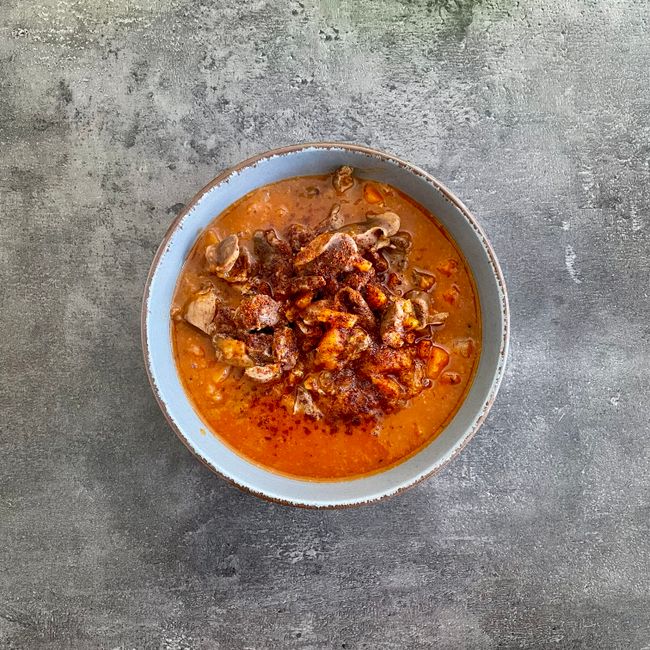
The Ultimate Slow Cooker Ground Beef Stew: A Comfort Food Masterpiece
Slow cooker ground beef stew transcends the ordinary, offering a deeply satisfying and remarkably simple approach to a classic comfort food. This recipe leverages the magic of low and slow cooking to transform humble ingredients into a rich, flavorful, and incredibly tender stew. Unlike traditional stovetop or oven-baked stews that can require constant monitoring, the slow cooker handles the heavy lifting, allowing busy individuals and families to enjoy a hearty, home-cooked meal with minimal active preparation. The foundation of this exceptional stew lies in the quality of its components and the patient development of its flavors. Ground beef, when cooked low and slow, breaks down beautifully, infusing the broth with its savory essence. Paired with an assortment of hearty vegetables, aromatic herbs, and a deeply flavorful liquid base, this slow cooker iteration delivers unparalleled taste and texture with remarkable ease. Whether you’re seeking a comforting weeknight dinner or a robust meal to share with loved ones, this slow cooker ground beef stew recipe provides a foolproof path to culinary success.
The key to an outstanding slow cooker ground beef stew begins with selecting the right ground beef. While leaner options like 90% lean are available, a slightly higher fat content, around 80% to 85% lean, is often preferable for this type of dish. The rendered fat contributes significantly to the richness and depth of flavor in the stew, preventing it from tasting flat or one-dimensional. Furthermore, the fat acts as a natural tenderizer, adding to the overall succulence of the beef. When browning the ground beef, it’s crucial to do so thoroughly. This step, often overlooked in "dump-and-go" slow cooker recipes, is paramount for developing a complex flavor profile. Browning the beef in a skillet over medium-high heat until it’s nicely caramelized creates the Maillard reaction, a chemical process responsible for the browning and distinctive savory taste of cooked meats. It’s important to drain off most of the excess fat after browning, leaving behind just enough to impart flavor without making the stew greasy. This initial searing also helps to break down some of the connective tissues in the beef, contributing to its tenderness during the slow cooking process.
The vegetable component of this stew provides not only essential nutrients and vibrant color but also contributes crucial texture and sweetness. A classic combination for ground beef stew includes robust root vegetables like potatoes, carrots, and celery. Potatoes, particularly starchy varieties like Russet or Yukon Gold, absorb the rich flavors of the broth and become wonderfully tender. Carrots, with their inherent sweetness, offer a delightful counterpoint to the savory beef, and their vibrant orange hue adds visual appeal. Celery, aromatic and slightly bitter, provides a foundational savory note. For this slow cooker recipe, it’s recommended to cut these vegetables into uniform, bite-sized pieces, typically around 1 to 1.5 inches. This ensures they cook evenly alongside the ground beef and remain distinct rather than dissolving into mush. Some recipes incorporate onions and garlic as aromatics, and for this stew, finely chopped yellow or white onions are ideal. They soften and sweeten considerably during the slow cooking, forming an integral part of the flavor base. Minced garlic, added in conjunction with the onions, provides that pungent, irresistible aroma that defines many hearty stews. Consider adding a few bay leaves to the slow cooker. These aromatic leaves infuse the liquid with a subtle, woodsy flavor that complements the beef and vegetables beautifully. Remember to remove them before serving.
The liquid base is the unsung hero of any stew, and in a slow cooker ground beef stew, it’s responsible for marrying all the flavors together. A combination of beef broth and tomato paste is highly effective. High-quality beef broth provides a robust foundation, while a good quality tomato paste, when sautéed briefly with the onions and garlic before adding other ingredients, deepens the umami flavor and adds a touch of acidity that brightens the stew. Canned diced tomatoes, with their juice, also contribute to the liquid volume and add another layer of tomato flavor and texture. Worcestershire sauce is another essential ingredient for adding depth and complexity. Its unique blend of vinegar, molasses, anchovies, and spices provides a savory, tangy, and slightly sweet profile that elevates the beef flavor. A splash of red wine can also be incorporated if desired, adding an extra layer of richness and sophistication to the broth. If opting for wine, ensure it’s a dry red variety like Cabernet Sauvignon or Merlot. For those seeking a slightly thicker stew without relying solely on a cornstarch slurry at the end, a tablespoon or two of all-purpose flour can be whisked into the browned beef and vegetables before adding the liquids. This flour will then absorb moisture and contribute to thickening the stew as it cooks.
The method for assembling and cooking your slow cooker ground beef stew is remarkably straightforward, emphasizing the convenience of this cooking appliance. Begin by browning the ground beef in a large skillet over medium-high heat, breaking it up as it cooks. Once browned, drain off the excess fat. In the same skillet (or after removing the beef, if you prefer), sauté the chopped onions and minced garlic for a few minutes until softened and fragrant. Add the tomato paste to the skillet and cook for another minute, stirring constantly, allowing it to caramelize slightly. This step is crucial for developing its full flavor. Once the aromatics and tomato paste are prepared, transfer the browned ground beef and the sautéed onion and garlic mixture to the insert of your slow cooker. Add the chopped potatoes, carrots, and celery to the slow cooker. Pour in the beef broth, diced tomatoes (with their juice), and Worcestershire sauce. If using red wine or flour, incorporate them at this stage. Add the bay leaves and any dried herbs you’re using, such as thyme or rosemary. Stir everything gently to ensure the ingredients are well combined and mostly submerged in the liquid.
The cooking time and temperature are critical for achieving the desired tenderness and flavor development. For a slow cooker ground beef stew, the most effective cooking method is low and slow. Set your slow cooker to the "Low" setting and cook for 6 to 8 hours, or until the vegetables are fork-tender and the beef is easily shredded. Alternatively, if you’re in a time crunch, you can cook the stew on the "High" setting for 3 to 4 hours, but be aware that the flavors may not develop as deeply, and the texture of the vegetables might be slightly less yielding. It’s important to avoid lifting the lid of the slow cooker too frequently during the cooking process, as this releases precious heat and steam, prolonging the cooking time. Resist the temptation to peek! The slow cooker’s sealed environment is what allows the magic to happen. Once the cooking time is complete, carefully remove the bay leaves.
Seasoning is an ongoing process, and it’s important to taste and adjust the seasoning of your slow cooker ground beef stew towards the end of the cooking cycle. The initial seasoning with salt and pepper should be done when adding the ingredients, but the full depth of flavor will only become apparent as the stew simmers. Taste a spoonful of the broth and add more salt and freshly ground black pepper as needed. Consider adding a pinch of red pepper flakes for a subtle kick of heat, or a touch of sugar to balance any acidity if you feel the stew is too sharp. For those who prefer a thicker stew, there are several options. You can mix 2 tablespoons of cornstarch with 4 tablespoons of cold water in a small bowl to create a slurry, then stir this slurry into the hot stew in the slow cooker during the last 30 minutes of cooking. Alternatively, you can remove some of the liquid from the stew, thicken it separately on the stovetop with a cornstarch slurry or a roux (equal parts butter and flour cooked together), and then return it to the slow cooker. Another method for thickening involves mashing some of the cooked potatoes against the side of the slow cooker.
Serving your slow cooker ground beef stew is an exercise in comforting simplicity. It’s a complete meal on its own, but it pairs wonderfully with a variety of accompaniments. Crusty bread, such as a baguette or a hearty sourdough, is perfect for soaking up every last drop of the rich broth. A side of fluffy mashed potatoes or rice can further enhance the meal’s heartiness. For a touch of freshness, a simple green salad with a light vinaigrette provides a refreshing contrast to the richness of the stew. Garnishes can elevate both the appearance and flavor of the finished dish. Freshly chopped parsley adds a burst of color and herbaceous freshness. A dollop of sour cream or plain Greek yogurt can add a creamy tang. Some individuals enjoy a sprinkle of grated cheddar cheese on top for added savory indulgence. When serving, ladle generous portions of the stew into bowls, ensuring each serving has a good balance of beef and vegetables. The aroma alone will be enough to entice everyone to the table.
Storage and reheating are also straightforward, making this slow cooker ground beef stew an ideal candidate for meal prepping. Once the stew has cooled completely, it can be stored in an airtight container in the refrigerator for up to 3-4 days. The flavors often meld and improve overnight, making it even more delicious on the second day. To reheat, you can do so gently on the stovetop over low heat, stirring occasionally, or in the microwave until heated through. For longer storage, slow cooker ground beef stew freezes exceptionally well. Allow the stew to cool completely, then portion it into freezer-safe containers or heavy-duty freezer bags. It can be stored in the freezer for up to 3 months. When ready to enjoy, thaw the stew overnight in the refrigerator and then reheat as described above. The convenience of having a hearty, homemade meal ready to go from the freezer is a significant advantage of this recipe.
Beyond the basic recipe, there are numerous ways to customize and enhance your slow cooker ground beef stew. For a richer, more robust flavor, consider adding a splash of balsamic vinegar or a tablespoon of Dijon mustard towards the end of the cooking time. If you enjoy a bit of spice, incorporate a chopped jalapeño pepper along with the onions and garlic, or add a teaspoon of smoked paprika for a smoky depth. For a more complex vegetable medley, try adding chunks of parsnips, turnips, or even sweet potatoes. Mushrooms, such as cremini or shiitake, can also add an earthy dimension. For a heartier stew, consider adding a can of drained and rinsed cannellini beans or kidney beans during the last hour of cooking. For a gluten-free version, omit the flour when browning the beef and thicken the stew with a cornstarch slurry or arrowroot starch. Ensure all other ingredients, such as broth and Worcestershire sauce, are certified gluten-free. The beauty of this slow cooker ground beef stew lies in its adaptability; it’s a forgiving recipe that welcomes creative additions and adjustments to suit your personal preferences and dietary needs. The foundational principles of browning the beef, building flavor with aromatics, and allowing the slow cooker to do its work will consistently yield a delicious and satisfying meal. This recipe is not just about convenience; it’s about creating a deeply comforting and flavorful dish that nourishes both body and soul. The investment of time in browning the meat and sautéing the aromatics pays dividends in the final taste, transforming simple ingredients into a culinary triumph. The low and slow cooking process ensures that every component contributes its unique character to the harmonious blend of flavors, making each spoonful a testament to the power of patience and quality ingredients.
