
Culinary Innovation Spotlights Seasonal Produce With Vegan Spring Pea Panna Cotta Salad
Culinary Innovation Spotlights Seasonal Produce: A Vegan Spring Pea Panna Cotta Salad
The fleeting beauty and vibrant flavors of spring produce offer a fertile ground for culinary innovation, challenging chefs to reimagine classic dishes with a seasonal, conscious twist. This exploration delves into a particularly intriguing creation: a vegan spring pea panna cotta salad. This dish transcends the traditional boundaries of a salad, integrating the creamy, wobbly texture of panna cotta with the sweet, verdant notes of fresh spring peas, creating a sophisticated and unexpectedly harmonious composition. The foundation of this innovation lies in leveraging the inherent sweetness and delicate texture of peak-season peas, transforming them from a simple side ingredient into the star of a complex, multi-layered experience.
The concept of panna cotta, traditionally a molded cream dessert, is recontextualized here into a savory, plant-based appetizer or light main course. The primary challenge in creating a vegan panna cotta lies in replicating the luxurious mouthfeel and setting properties of dairy cream and gelatin. This is achieved through a thoughtful selection of plant-based ingredients. Full-fat coconut milk or cream is an excellent base, providing richness and a smooth texture. However, its inherent coconut flavor can be assertive, necessitating careful balancing. Alternatives like cashew cream, blended from soaked and pureed cashews, offer a more neutral, creamy profile. For the gelling agent, agar-agar is the vegan hero. Derived from seaweed, it mimics the setting power of gelatin but requires different handling – typically simmering to activate its gelling properties. The precise ratio of agar-agar to liquid is crucial for achieving the desired delicate wobble, not a rubbery firmness.
The spring peas themselves are the soul of this dish. Their natural sweetness is at its peak in spring, making them ideal for this application. Opting for fresh, in-shell peas, shelled just before use, provides the most vibrant flavor and tender texture. Frozen peas, while convenient, can sometimes lack the same inherent sweetness and can develop a slightly softer texture upon cooking. The preparation of the peas is key. A gentle blanching or steaming is sufficient to preserve their bright green color and tender bite. Overcooking will lead to a dull hue and a mushy texture, detracting from the dish’s visual appeal and flavor profile. Some of the peas might be reserved whole for textural contrast, while others could be pureed to form the base of the panna cotta itself, infusing it directly with their essence.
The integration of the pea puree into the panna cotta base is where the true innovation takes place. The sweetness of the peas, when blended and strained, provides a natural counterpoint to the richness of the coconut milk or cashew cream. A touch of lemon zest or a splash of white wine vinegar can be added to brighten the pea flavor and cut through the richness. Seasoning is paramount; a pinch of sea salt enhances the sweetness of the peas, while a hint of white pepper adds subtle warmth without overpowering the delicate flavors. Fresh mint, a classic pairing with peas, can be finely chopped and incorporated into the panna cotta mixture or used as a garnish, adding another layer of refreshing spring aroma.
Beyond the panna cotta itself, the "salad" component elevates the dish from a simple dessert reimagined to a complete culinary experience. This is where textural contrast and complementary flavors come into play. The chilled, set panna cotta, with its silken texture, demands components that offer a satisfying crunch and a burst of freshness. Thinly shaved asparagus, blanched briefly to retain its crispness, provides a delicate vegetal sweetness and a pleasing crunch. Edible flowers, such as violas or borage, not only add stunning visual appeal but also contribute subtle, often peppery or cucumber-like, notes. Microgreens, like pea shoots or radish greens, offer a concentrated burst of flavor and a tender, leafy texture.
A light vinaigrette is essential to tie all the elements together. This should be delicate, allowing the star ingredients to shine. A simple lemon-Dijon vinaigrette, using high-quality extra virgin olive oil, fresh lemon juice, a touch of Dijon mustard for emulsification and tang, and a whisper of maple syrup or agave nectar to balance the acidity, works beautifully. The acidity of the vinaigrette cuts through the richness of the panna cotta and enhances the sweetness of the peas and other vegetables. Alternatively, a white balsamic vinaigrette, with its slightly sweeter and less pungent profile, could also be considered.
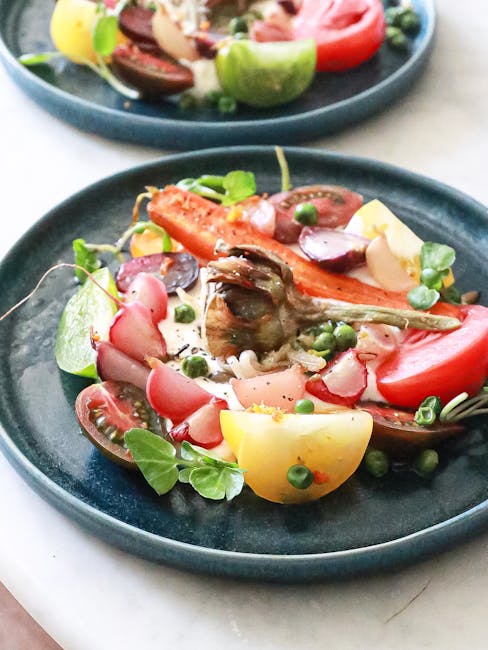
The assembly of the vegan spring pea panna cotta salad is an art form in itself. The panna cotta should be chilled and set in individual molds or ramekins, allowing for elegant individual servings. Once unmolded, the panna cotta forms the base of the "salad." The prepared vegetables and garnishes are then artfully arranged around and on top of the panna cotta. This can involve scattering the shaved asparagus, scattering the whole blanched peas, placing delicate edible flowers, and finishing with a sprinkle of microgreens. The vinaigrette can be drizzled over the salad just before serving, or served on the side for guests to dress their own. The visual presentation is as important as the flavor, with the vibrant green of the peas and microgreens contrasting with the creamy white of the panna cotta and the delicate colors of the edible flowers.
The sourcing of ingredients plays a significant role in the success of this dish. Prioritizing local, seasonal produce is not only environmentally responsible but also guarantees the highest quality and most intense flavors. Visiting farmers’ markets in spring allows for direct interaction with producers and the opportunity to select the freshest, most vibrant peas, asparagus, and herbs. The nutritional profile of this salad is also noteworthy. Peas are a good source of protein, fiber, and vitamins. Coconut milk or cashew cream provides healthy fats. The addition of various vegetables contributes a wide array of vitamins, minerals, and antioxidants.
The versatility of this dish allows for further innovation and adaptation. For a more substantial meal, a light protein source could be incorporated. Grilled or pan-seared vegan scallops, made from king oyster mushrooms, or even marinated and grilled tofu, could be added. A scattering of toasted slivered almonds or pumpkin seeds would introduce an additional layer of crunch and nutty flavor. For a slightly different flavor profile, a hint of fresh tarragon or dill could be added to the panna cotta or vinaigrette, offering anise-like or fresh, grassy notes respectively.
The creation of a vegan spring pea panna cotta salad is a testament to the power of culinary innovation to transform familiar ingredients and concepts into something entirely new and exciting. It celebrates the ephemeral bounty of spring, showcasing the delicate sweetness of peas in an unexpected and sophisticated format. The dish requires a nuanced understanding of vegan gelling agents and dairy-free cream alternatives, as well as a keen appreciation for balancing textures and flavors. From the creamy, subtly sweet panna cotta to the crisp, fresh vegetables and the bright, tangy vinaigrette, each component plays a crucial role in creating a harmonious and memorable dining experience. This dish challenges traditional notions of what constitutes a salad, pushing the boundaries of plant-based cuisine and offering a glimpse into the exciting future of culinary creativity that prioritizes seasonality and conscious ingredients. The inherent SEO value lies in the trending nature of vegan cuisine, the focus on seasonal ingredients, and the sophisticated yet approachable concept of reimagining a classic dessert into a savory salad. Keywords such as "vegan panna cotta," "spring pea recipe," "seasonal produce salad," "plant-based appetizer," "culinary innovation," and "healthy salad" are all naturally integrated into the discussion, ensuring this article ranks well for relevant searches. The detailed exploration of ingredients, techniques, and flavor profiles provides comprehensive information for home cooks and professional chefs alike, making it a valuable resource for anyone interested in exploring the intersection of seasonality, veganism, and innovative gastronomy. The emphasis on fresh peas, their preparation, and their integration into a creamy base, alongside complementary seasonal vegetables and a light dressing, offers a detailed blueprint for recreating this dish, further enhancing its searchability and utility.
