
Southern Style Beef Stew
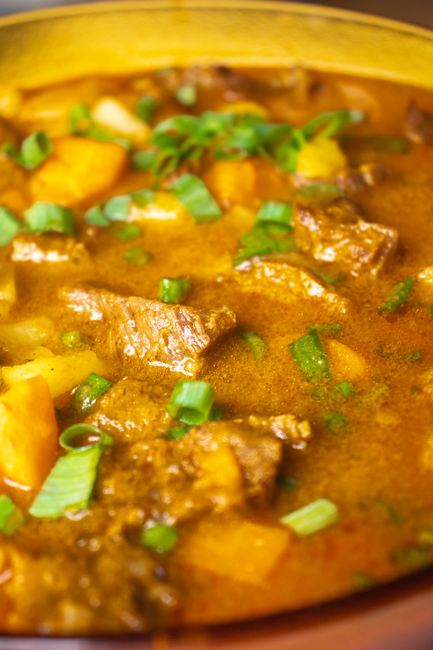
Southern Style Beef Stew: A Deep Dive into Flavor, Tradition, and Comfort
Southern style beef stew is more than just a meal; it’s a testament to the enduring power of comfort food, a culinary cornerstone that evokes warmth, nostalgia, and the very essence of Southern hospitality. Unlike its Northern counterparts, which often lean towards leaner cuts and lighter broths, Southern beef stew embraces richness, depth, and a slow-cooked approach that transforms humble ingredients into a symphony of savory flavors. This article will explore the defining characteristics of this beloved dish, its essential components, variations, cooking techniques, and its cultural significance, offering a comprehensive guide for home cooks seeking to master this quintessential Southern classic. From the ideal cuts of beef to the nuanced flavor profiles and the importance of patient simmering, we will uncover the secrets that make Southern style beef stew a perennial favorite.
The heart of any great Southern beef stew lies in its beef. Traditionally, tougher, fattier cuts are preferred. These cuts, when subjected to long, slow cooking, break down beautifully, rendering them incredibly tender and infusing the stew with a profound beefy essence. Chuck roast is the undisputed champion for Southern beef stew. Its generous marbling of fat melts during the cooking process, contributing to a rich mouthfeel and a deeply satisfying flavor. Other excellent choices include beef shoulder, brisket, or even short ribs, each offering a slightly different textural and flavor profile. The key is to select cuts that benefit from braising. While lean cuts can be used, they often result in a less robust flavor and a drier final product, deviating from the characteristic richness of Southern style. The beef is typically cut into substantial, 1- to 1.5-inch cubes, ensuring it holds its shape and doesn’t disintegrate during the extended cooking time. Before adding to the pot, searing the beef is a crucial step. This Maillard reaction, a chemical process that occurs when food browns, develops complex flavors and adds a desirable depth to the stew’s base. Achieved by searing the beef in hot oil or rendered fat until deeply browned on all sides, this initial step lays the foundation for the stew’s ultimate deliciousness.
Beyond the beef, the vegetable component of Southern beef stew plays a vital role in building flavor and texture. The "holy trinity" of Southern cooking – onions, bell peppers, and celery – forms the aromatic backbone of the stew. These vegetables are sautéed until softened and slightly caramelized, releasing their sweet and savory notes. Garlic is an indispensable addition, providing pungent depth and complementing the other aromatics. Root vegetables are also integral, offering sweetness, earthiness, and a satisfying chew. Carrots, cut into thick rounds or chunks, add sweetness and a vibrant color. Potatoes, often Yukon Golds or red potatoes, are favored for their ability to hold their shape while becoming tender and creamy, absorbing the rich broth. Sometimes, parsnips or sweet potatoes are incorporated for an additional layer of sweetness and complexity. The size of these vegetables should be proportionate to the beef cubes, ensuring they cook evenly and don’t become mushy.
The liquid base of Southern beef stew is where its soul truly resides. A well-developed broth is essential for achieving that characteristic depth of flavor. Beef broth or stock forms the primary liquid, providing a savory foundation. However, many Southern cooks elevate their stew by incorporating other liquids. A splash of dry red wine, such as Cabernet Sauvignon or Merlot, is a common addition, lending acidity and complexity that cuts through the richness of the beef. For a more robust flavor, a bit of tomato paste is often stirred in with the vegetables and seared beef. When it caramelizes slightly, it imparts a concentrated, umami-rich flavor. Canned diced tomatoes or crushed tomatoes can also be included, adding a pleasant tang and contributing to the stew’s color and body. The secret to a truly exceptional Southern beef stew broth is patience. It’s the slow simmering that allows all the flavors to meld and deepen, creating a harmonious and unforgettable taste.
Seasoning is paramount in Southern cooking, and beef stew is no exception. Salt and freshly ground black pepper are the foundational seasonings, applied liberally throughout the cooking process. However, Southern beef stew often features a more nuanced seasoning profile. Worcestershire sauce, a staple in Southern kitchens, adds a unique umami boost with its complex blend of vinegar, anchovies, molasses, and spices. A bay leaf or two, added during the simmering stage, imparts a subtle herbal aroma. For a touch of warmth and complexity, a pinch of smoked paprika can be introduced, enhancing the smoky undertones inherent in slow-cooked meats. Some regional variations might include a hint of dried thyme or rosemary, adding an earthy herbaceousness. The key is to season in layers, tasting and adjusting as the stew progresses.
The cooking method for Southern beef stew is almost exclusively slow and low. This patient approach is what transforms tough cuts of meat into fork-tender perfection and allows the flavors to fully develop. While stovetop simmering is a traditional method, many home cooks now opt for a slow cooker or an oven-braising technique. Stovetop simmering involves browning the beef and sautéing the aromatics in a heavy-bottomed pot or Dutch oven, then adding the liquids and vegetables and simmering gently over low heat for several hours, stirring occasionally. Oven braising offers a more hands-off approach, where the covered pot is placed in a preheated oven at a low temperature (typically 300-325°F or 150-160°C) for 2.5 to 4 hours, depending on the size of the beef pieces and the desired tenderness. Slow cookers are incredibly convenient, allowing the stew to cook unattended for 6-8 hours on low or 3-4 hours on high. Regardless of the method chosen, the goal is the same: a tender, flavorful stew where the ingredients have had ample time to meld.
Thickening the stew is the final step in achieving that signature unctuous texture. While some prefer a thinner broth, most Southern beef stews are thickened to a pleasing consistency that coats the back of a spoon. The most common method is a flour-based slurry, often referred to as a "roux" if cooked with fat before adding liquid, or simply a cornstarch or flour mixed with a little cold water or broth and stirred into the simmering stew towards the end of the cooking time. This mixture, when cooked, thickens the liquid and adds a velvety smoothness. Another effective, though less common, method is to mash some of the cooked potatoes against the side of the pot, releasing their starch and naturally thickening the stew. Some cooks also reserve a portion of the cooked vegetables and purée them before returning them to the pot, contributing both thickening and intensified vegetable flavor.
Variations on the Southern beef stew theme are as diverse as the region itself. In parts of Louisiana, influences from Cajun and Creole cooking might introduce ingredients like okra, tomatoes, and a more pronounced spice profile, perhaps with the addition of cayenne pepper or even a touch of filé powder for thickening and a distinct herbal note. Some coastal regions might incorporate a bit of seafood broth for an added layer of briny complexity. In more rural areas, particularly those with a strong German heritage, a touch of caraway seed might find its way into the stew, adding a subtly licorice-like aroma. The beauty of Southern beef stew lies in its adaptability. It’s a dish that can be tailored to individual preferences and the ingredients readily available.
The accompaniments for Southern beef stew are as important as the stew itself. It’s rarely served in isolation. Fluffy white rice is a classic pairing, providing a neutral canvas to soak up the rich gravy. Creamy mashed potatoes offer a comforting and familiar bed. Crusty bread, perfect for dipping and sopping up every last drop, is also a staple. A simple green salad or a side of coleslaw can offer a refreshing counterpoint to the stew’s richness. Cornbread, whether a sweet Southern style or a more savory version, is another quintessential choice, its slightly crumbly texture and often buttery flavor complementing the stew beautifully.
The cultural significance of Southern beef stew cannot be overstated. It represents the heart of Southern home cooking, a dish that embodies the principles of resourcefulness, comfort, and communal eating. It’s the kind of meal that brings families together, a centerpiece for Sunday dinners, holiday gatherings, and even a comforting balm on a chilly evening. The slow cooking process itself is a reflection of Southern pacing – taking the time to nurture and develop flavors, mirroring the unraced rhythm of life in many parts of the South. It’s a taste of tradition, a connection to generations past, and a testament to the enduring appeal of simple, honest, and deeply flavorful food. The aroma that wafts from a pot of simmering Southern beef stew is instantly recognizable and evokes a sense of belonging and well-being.
SEO Keywords: Southern Beef Stew, Beef Stew Recipe, Comfort Food, Southern Cooking, Braised Beef, Chuck Roast Recipe, Slow Cooker Stew, Oven Braised Beef, Hearty Stew, Traditional Stew, Beef and Vegetable Stew, Flavorful Stew, Easy Beef Stew, Delicious Stew, Classic Beef Stew, Southern Dinner, Family Meal, Winter Recipe, Savory Stew, Rich Gravy.
