
Bbq Country Style Ribs
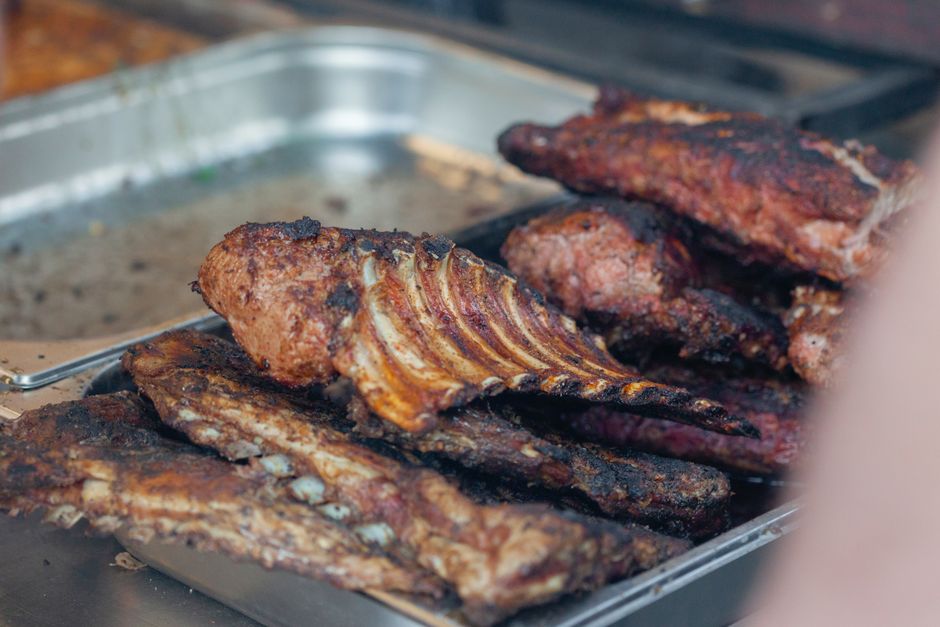
The Ultimate Guide to Smoking and Grilling Country Style Ribs: Flavor, Technique, and Perfect Results
Country style ribs, a cut that often sparks debate regarding its "rib" designation, are undeniably a powerhouse of flavor and a crowd-pleaser on any grill or smoker. These are not true ribs in the anatomical sense; rather, they are a section of the pork shoulder, sometimes called the blade steak, cut into thick, meaty strips. Their characteristic bone, which is often a section of the shoulder blade or rib bone, is usually trimmed, leaving behind a substantial, boneless or bone-in piece of pork bursting with intramuscular fat. This fat content is precisely what makes country style ribs so forgiving and incredibly delicious, capable of transforming from tough and chewy to melt-in-your-mouth tender with the right approach to cooking. Their thick, irregular shapes present a unique grilling challenge and opportunity, demanding techniques that penetrate the meat without drying out the exterior. Whether you favor the deep, smoky embrace of a low-and-slow barbecue session or the quick char and caramelization of direct grilling, mastering country style ribs unlocks a world of barbecue possibilities. This article will delve into the nuances of preparing these versatile cuts, covering everything from selecting the best slabs to achieving that perfect bark and tender interior, making them a staple in your outdoor cooking repertoire.
Selecting the right country style ribs is the foundational step towards achieving exceptional results. While they are readily available in most supermarkets, the quality can vary significantly. Look for ribs that are well-marbled, meaning you can see thin streaks of fat interspersed throughout the lean muscle. This intramuscular fat is the key to moisture and tenderness. Avoid ribs that appear overly lean or uniformly red; these will likely result in a dry and less flavorful final product. The thickness of the cut is also important. Thicker ribs, typically 1.5 to 2 inches, are more forgiving and allow for a longer cooking time, which is crucial for breaking down connective tissues and achieving tenderness. If the ribs are bone-in, a single, relatively flat bone fragment is common. While bone-in ribs can offer a slightly richer flavor due to the marrow and fat near the bone, boneless varieties are often more consistent in thickness and easier to handle. When purchasing, pay attention to the color; a healthy, fresh pork color is a pinkish-red. Avoid anything that looks gray or has an off odor. Buying from a reputable butcher can often yield higher quality cuts, as they can advise on the specific origin and characteristics of the pork. Consider the quantity needed based on your guests; country style ribs are typically portioned into 2-3 pieces per person, as they are quite filling.
The seasoning for country style ribs is where personal preference truly shines, but a solid foundation is essential for building complex flavor. A good rub is a dry mixture of spices and aromatics that adheres to the surface of the meat, forming a flavorful crust, or "bark," as it cooks. A classic barbecue rub typically includes salt, black pepper, paprika, garlic powder, and onion powder. The salt draws out moisture initially, which then reabsorbs the other seasonings, creating a concentrated flavor layer. Black pepper provides a subtle heat and bite, while paprika, especially smoked paprika, adds color and a smoky sweetness. Garlic and onion powder offer savory depth. Beyond this basic framework, you can introduce a world of variations. For a spicier profile, incorporate cayenne pepper, chili powder, or chipotle powder. For sweetness, a touch of brown sugar or turbinado sugar can aid in caramelization and create a delightful sweet and savory contrast. Mustard powder adds a tangy kick, and cumin introduces an earthy, warm note. Some recipes call for a binder, such as mustard, hot sauce, or even a thin layer of olive oil, applied before the rub to help it adhere more effectively, particularly on very lean cuts or during longer cooks. The amount of rub to apply is generous; you want to coat the ribs thoroughly on all sides, ensuring no bare spots. Don’t be afraid to pack it on; much of it will render off during the cooking process.
When it comes to cooking methods, both smoking and grilling offer distinct advantages for country style ribs. Smoking, the quintessential barbecue technique, excels at imparting deep, complex smoky flavors and achieving unparalleled tenderness through low-and-slow cooking. This method is ideal for those who prioritize the rich, authentic barbecue experience. Grilling, on the other hand, offers a quicker path to deliciousness, with the potential for intense char, crispy edges, and a more pronounced smoky flavor derived directly from the coals or wood used. It’s a fantastic option for weeknight meals or when time is a constraint. Both methods require careful temperature management and an understanding of how heat interacts with the meat. The choice between them often comes down to personal preference, available equipment, and the desired outcome. For the ultimate in flavor and texture, many aficionados advocate for a combination of both methods, often referred to as a reverse sear or a two-stage cook, where the ribs are initially smoked and then finished over direct heat.
Smoking country style ribs is a journey into the heart of barbecue tradition. The goal is to cook the ribs at a low temperature, typically between 225°F and 275°F, for an extended period. This prolonged exposure to gentle heat breaks down the tough collagen in the pork shoulder into gelatin, which lubricates the meat and creates that signature melt-in-your-mouth texture. Before placing the ribs in the smoker, ensure your smoker is preheated and set to your desired temperature. For added smoke flavor, introduce wood chunks or chips. Popular choices for pork include hickory, oak, apple, and cherry wood. Hickory provides a strong, classic smoke flavor, while fruitwoods offer a milder, sweeter profile. Oak is a good all-rounder. Some pitmasters advocate for a "smoke ring," a pinkish hue that develops around the outer edge of the meat due to the chemical reaction between carbon monoxide from the smoke and the myoglobin in the meat. To achieve a good smoke ring, start with a clean, unbrined pork shoulder and ensure a good initial smoke phase. The ribs are typically cooked unwrapped for the first few hours, allowing the rub to form a bark. Then, they are often wrapped in butcher paper or aluminum foil, a process known as the "Texas Crutch." This steaming process helps to push the ribs through the "stall," a period where the internal temperature plateaus due to evaporative cooling. Wrapping also helps to tenderize the meat more rapidly and retain moisture. The ribs are considered done when they reach an internal temperature of around 200°F to 205°F, and a probe inserted into the thickest part of the meat slides in with very little resistance, much like probing butter. The exact cooking time can vary greatly depending on the thickness of the ribs, the smoker’s temperature, and whether they are wrapped, but expect anywhere from 3 to 6 hours.
Grilling country style ribs offers a more direct and often quicker route to deliciousness. There are two primary grilling approaches: direct and indirect heat. Direct grilling involves cooking the ribs directly over the heat source. This method is best suited for thinner country style ribs or for finishing thicker ribs that have been pre-cooked. It allows for rapid searing and caramelization, creating a beautiful char and crispy exterior. However, it’s crucial to manage the heat carefully to avoid burning the outside before the inside is cooked through. Indirect grilling involves setting up your grill so that the heat source is on one side, and the ribs are placed on the cooler side. This mimics the low-and-slow environment of a smoker and is ideal for cooking thicker ribs thoroughly without scorching them. You can achieve a smoky flavor on the grill by adding wood chips or chunks to the coals or in a smoker box. For a hybrid approach, begin by grilling over indirect heat to cook the ribs through, then finish over direct heat for a few minutes per side to develop a nice crust. Regardless of the method, preheating your grill is essential for even cooking. If grilling over charcoal, aim for a medium-high heat. For gas grills, set your burners to medium-high. The cooking time on the grill will be significantly shorter than smoking, typically ranging from 1 to 3 hours depending on the thickness and the cooking method used. Internal temperature is still your best guide for doneness, aiming for that 200°F to 205°F range and the probe-tender feel.
The "two-stage cook" or "reverse sear" is a highly recommended technique for country style ribs, especially for those who want to combine the benefits of smoking and grilling. This method begins with a low-and-slow smoke, allowing the ribs to develop a deep smoky flavor and tenderize significantly. Once the ribs have reached an internal temperature of around 160°F to 170°F and have a well-formed bark, they are removed from the smoker and rested briefly. Then, the grill is fired up to a higher temperature, typically medium-high to high heat. The ribs are then placed over direct heat for a short period, just a few minutes per side, to achieve a beautiful sear and crisp up the exterior. This finishing step adds an extra layer of texture and intense flavor that is difficult to replicate with smoking alone. It also allows you to control the final bark development more precisely. This technique offers the best of both worlds: the deep, smoky penetration of a slow cook followed by the irresistible char and caramelized finish of a quick sear.
Resting the meat is a non-negotiable step in achieving tender and juicy country style ribs. After the ribs have finished cooking, whether smoked or grilled, it’s crucial to let them rest for at least 10 to 15 minutes, and ideally up to 30 minutes for larger cuts, before slicing and serving. During the cooking process, the muscle fibers contract and push out moisture. Resting allows these fibers to relax, and the juices that have been pushed to the center to redistribute themselves throughout the entire piece of meat. Skipping this step will result in juices running out onto the cutting board, leaving you with dry ribs. You can rest the ribs by tenting them loosely with aluminum foil or placing them in a warm, unheated oven or cooler. This allows the internal temperature to continue to rise slightly, a process known as "carryover cooking," and further ensures even moisture distribution.
Serving country style ribs is as diverse as their preparation. They are a natural fit for classic barbecue accompaniments: creamy coleslaw, baked beans, cornbread, and potato salad. A tangy barbecue sauce is a ubiquitous partner, whether brushed on during the last stages of cooking or served on the side for dipping. However, their versatility extends beyond traditional barbecue fare. They can be pulled and used in sandwiches, tacos, or even as a topping for loaded baked potatoes. The rich, porky flavor also pairs wonderfully with slightly acidic or sweet elements. Consider serving them with a fresh, bright green salad to cut through the richness, or with a sweet and tangy pineapple salsa. For a more adventurous twist, experiment with Asian-inspired glazes, such as hoisin or teriyaki, for a sweet and savory fusion. The possibilities are truly endless, limited only by your culinary imagination.
Troubleshooting common issues with country style ribs ensures a consistently successful outcome. One of the most prevalent problems is dryness. This is often a result of overcooking, cooking at too high a temperature, or insufficient marbling in the cut of meat. To combat dryness, always use a meat thermometer to monitor internal temperature and aim for that 200°F-205°F range with probe tenderness. If the ribs are cooking too quickly and the bark isn’t developing, consider wrapping them in foil or butcher paper to retain moisture and continue cooking. Another issue can be a lack of tenderness. This is typically due to insufficient cooking time. Tough ribs indicate that the connective tissues haven’t had enough time to break down. Patience is key; if they aren’t tender, let them cook longer. Uneven cooking can also occur, particularly with thicker cuts or inconsistent heat. Rotating the ribs on the grill or smoker periodically can help ensure even heat exposure. Finally, if the bark is not forming as desired, ensure you are using a rub with adequate salt and sugar, and that you are cooking at a temperature that promotes Maillard reactions without burning. A binder can also help the rub adhere better. By understanding these common pitfalls and their solutions, you can confidently tackle country style ribs and achieve consistently delicious results.
