
Tag Uk Royal Academy
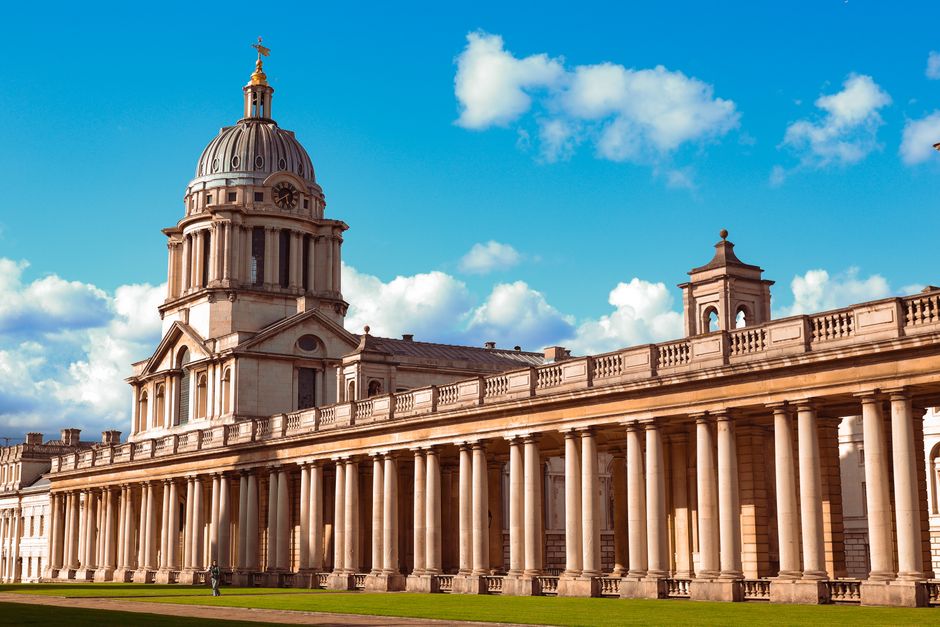
The Royal Academy of Arts: A Pillar of Artistic Innovation and Legacy in the UK
The Royal Academy of Arts (RA) stands as a venerable institution at the heart of London’s cultural landscape, a testament to centuries of artistic dedication, innovation, and the nurturing of creative talent. Founded in 1768 by King George III, the RA was conceived with the dual purpose of establishing a school for the arts and a public exhibition space, a mission that continues to define its relevance and impact today. Unlike other art institutions of its time, the RA was established by artists for artists, a principle that underpins its democratic and inclusive ethos, fostering a vibrant community of practitioners and patrons. Its very name, “Royal,” signifies a deep-seated connection to the Crown, a patron that has historically lent prestige and support to the arts in Britain.
The RA’s origins are intrinsically linked to the Enlightenment’s burgeoning interest in the arts and sciences, and the desire to elevate the status of artists within society. Its founders, a group of prominent artists and architects including Sir Joshua Reynolds, who became its first President, envisioned an academy that would provide formal training, encourage critical discourse, and showcase the finest artistic achievements of the nation. This foundational vision has proven remarkably enduring, allowing the RA to adapt and evolve while remaining true to its core principles. The establishment of a formal art school was revolutionary, providing structured curricula that emphasized classical training, drawing from life, and the study of masterworks. This pedagogical approach significantly influenced art education across Britain and beyond, shaping generations of artists. The RA’s commitment to teaching remains a cornerstone of its identity, with its contemporary schools continuing to offer world-class postgraduate programs that challenge and inspire emerging talent.
A defining characteristic of the Royal Academy is its unique governance structure: it is an independent, privately funded institution run by artists and architects themselves. Membership in the Royal Academy is by election, a rigorous process that recognizes artists and architects who have achieved eminence in their field. This ensures that the institution is led by those with practical experience and a deep understanding of contemporary artistic practice, fostering a dynamic and relevant outlook. The current Academicians and their Associates form a living link to the RA’s historical lineage, contributing their expertise and vision to its ongoing development. This artist-led model is crucial to the RA’s ability to remain at the forefront of artistic discourse, free from the direct influence of governmental or commercial agendas. It allows for a greater degree of experimentalism and a willingness to champion challenging or unconventional art.
The RA’s commitment to public exhibition is perhaps its most visible and celebrated aspect. For over two centuries, the Summer Exhibition, a cornerstone of the RA calendar, has been a testament to this commitment. This annual event, the world’s oldest and largest open submission exhibition, provides an unparalleled platform for both established and emerging artists to display their work to a broad audience. The open submission policy is a radical act of inclusivity, offering artists from all backgrounds and at all stages of their careers the opportunity to be seen. This democratic approach to exhibition has consistently introduced new voices and challenging perspectives to the public, making the Summer Exhibition a barometer of contemporary artistic trends and a crucial event for art lovers and collectors alike. Beyond the Summer Exhibition, the RA hosts a diverse program of temporary exhibitions, showcasing a vast array of art historical periods, artistic movements, and individual artists. These exhibitions are meticulously curated, offering in-depth explorations of specific themes, artists, or cultural phenomena, and are frequently accompanied by scholarly publications and public programming.
The Royal Academy’s physical presence in London is as significant as its artistic output. Originally housed in the newly built Somerset House, the RA moved to its iconic Burlington House on Piccadilly in 1868, a move that cemented its status as a prominent fixture in the West End. Burlington House, a magnificent Palladian mansion, provides a grand and fitting backdrop for the RA’s collections and exhibitions, its elegant interiors and expansive grounds offering a sanctuary for artistic contemplation. In recent years, the RA has undergone a transformative redevelopment, spearheaded by architect Sir David Chipperfield. This ambitious project has seen the RA expand its footprint, connecting Burlington House with the historic 6 Burlington Gardens, creating new galleries, studios, a lecture theatre, and public amenities. This revitalized RA now offers an even more comprehensive and engaging experience for visitors, seamlessly blending historical grandeur with contemporary functionality. The redevelopment has not only enhanced the visitor experience but also expanded the RA’s capacity to present ambitious exhibitions, host educational programs, and foster artistic dialogue.
The RA’s collection, while not as extensive as some national museums, is nonetheless significant, comprising works by its Academicians and Associates, as well as a growing body of acquisitions. This collection serves as a vital resource for research and study, offering insights into the history of British art and the development of artistic practice. The RA also holds important archives, including those of its founding members and historical exhibition records, which are invaluable for art historians and researchers. The ongoing acquisition policy aims to reflect the breadth and diversity of contemporary art, ensuring that the RA’s collection remains relevant and representative of the artistic landscape. The RA’s role as a custodian of artistic heritage is thus multifaceted, encompassing not only the preservation of its collections but also the active promotion of new art and artists.
Beyond its exhibition and collection activities, the Royal Academy plays a crucial role in art education. Its schools, the Royal Academy Schools, are among the oldest and most respected art schools in the world. They offer a unique postgraduate program that emphasizes individual artistic development, critical thinking, and studio-based practice. The Schools foster a strong sense of community among students and faculty, encouraging experimentation and pushing the boundaries of artistic expression. The emphasis on mentorship from practicing artists is a key feature of the RA Schools, providing students with direct access to the wisdom and experience of leading figures in the art world. This commitment to education extends to a wide range of public programs, including lectures, talks, workshops, and family activities, all designed to engage and inspire audiences of all ages and backgrounds. These programs demystify art, making it more accessible and encouraging a lifelong appreciation for creativity.
The Royal Academy’s impact on the UK art scene and its international reputation is profound. It serves as a vital hub for artistic discourse, a platform for innovation, and a bridge between the past and the present. Its dedication to supporting artists, fostering creativity, and engaging the public ensures its continued relevance and importance in the 21st century. The RA is more than just a museum or an art school; it is a living, breathing institution that actively shapes the trajectory of art in the UK and beyond. Its ongoing evolution, particularly through its recent redevelopment, signals a commitment to remaining a dynamic and essential force in the global art world. The RA’s influence can be seen in the careers of countless artists who have exhibited or studied there, and in the broader cultural understanding and appreciation of art that it cultivates.
In terms of SEO and online visibility, the Royal Academy of Arts leverages its historical significance and prestigious name to great effect. Its website serves as a primary portal for information about its exhibitions, collections, educational programs, and events. Strategic use of keywords such as "Royal Academy London," "RA exhibitions," "art school UK," "Summer Exhibition," and "British art" would be crucial for attracting organic search traffic. High-quality content, including detailed descriptions of exhibitions, artist biographies, and educational resources, further enhances its SEO performance by providing valuable information that users are searching for. Social media engagement and backlinks from reputable art and cultural websites also contribute to its online authority and discoverability. The RA’s consistent output of new content, from exhibition reviews to artist interviews, keeps its online presence fresh and engaging, further boosting its search engine rankings. The institution’s commitment to making its collections and exhibitions accessible online also plays a significant role in its digital reach, allowing a global audience to engage with its offerings.
The RA’s role as a curator of dialogue around art is paramount. Through its exhibitions, lectures, and publications, it encourages critical engagement with artistic practices, historical movements, and contemporary issues. This intellectual rigor, coupled with its commitment to showcasing a diverse range of artistic voices, positions the RA as a leading authority and a vital contributor to the global art discourse. The institution’s ability to attract world-renowned artists and scholars to its programs further solidifies its reputation as a center of excellence. This ongoing dialogue ensures that the RA remains at the cutting edge of artistic thought and practice, continuously challenging and enriching our understanding of the visual world. The RA’s enduring legacy is a testament to its ability to adapt, innovate, and consistently champion the power and importance of art.
