
Fried Mushrooms With Dipping Sauce
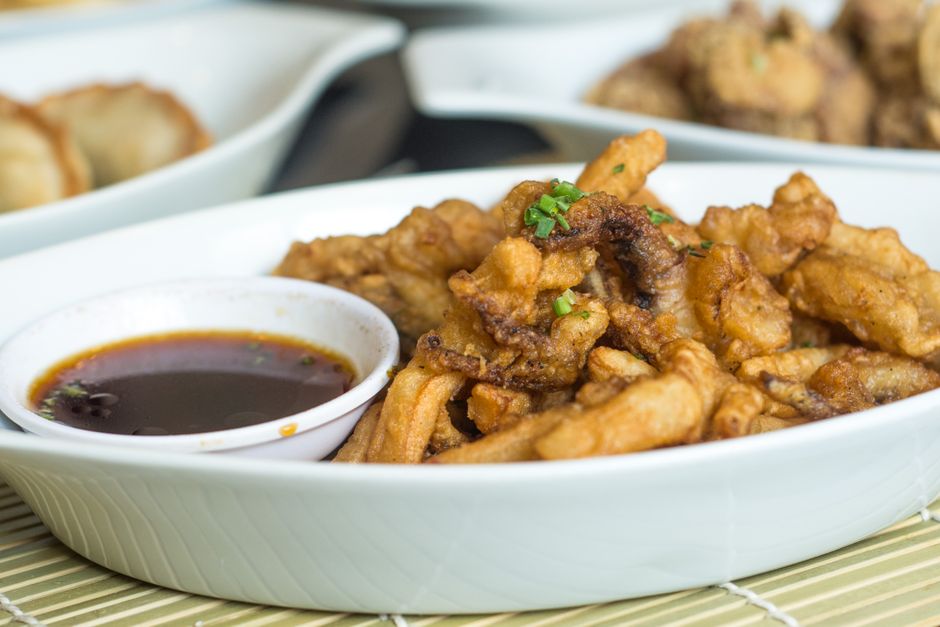
The Ultimate Guide to Crispy Fried Mushrooms with Dipping Sauces
Fried mushrooms represent a universally beloved appetizer or side dish, celebrated for their satisfying crunch, savory interior, and immense versatility. This article provides a comprehensive, SEO-optimized exploration of creating perfect fried mushrooms, delving into ingredient selection, batter techniques, frying methods, and an array of complementary dipping sauces designed to elevate the experience. Understanding the nuances of each stage is crucial for achieving restaurant-quality results at home.
Selecting the right mushrooms is the foundational step for exceptional fried mushrooms. While many varieties can be fried, certain types offer superior texture and flavor. White button mushrooms (Agaricus bisporus) are the most common and readily available. Their mild, earthy flavor holds up well to frying, and their dense texture prevents them from becoming overly mushy. Crimini mushrooms, also known as baby bellas, are a slightly more mature version of the white button and possess a richer, earthier taste with a firmer texture, making them an excellent choice. Portobello mushrooms, essentially mature cremini, offer a substantial, meaty texture that stands up exceptionally well to frying, although their larger size may require cutting into manageable pieces. Shiitake mushrooms, with their distinct umami-rich flavor and slightly chewier texture, provide a more gourmet option, though their stems should generally be removed as they can be tough. Oyster mushrooms, with their delicate, fan-like shape and subtle seafood-like notes, can also be fried, offering a lighter, more ethereal crunch. Regardless of the variety chosen, opt for fresh, firm mushrooms that are free from blemishes or signs of decay. Avoid overripe mushrooms, as they will be watery and lack the desired crispness. For optimal results, clean the mushrooms gently by wiping them with a damp paper towel rather than washing them under running water, which can introduce excess moisture that hinders crisping. If washing is unavoidable, pat them thoroughly dry immediately afterward.
The success of fried mushrooms hinges on the quality and technique of the batter or coating. A well-executed batter will adhere uniformly, create a golden-brown crust, and provide the desired crunch. The core components of a fried mushroom coating typically include flour, a leavening agent, seasonings, and a liquid. All-purpose flour serves as the primary binder. For added crispness and lightness, consider incorporating cornstarch or rice flour into the flour mixture. A ratio of roughly 3 parts flour to 1 part cornstarch often yields an excellent texture. Leavening agents, such as baking powder or baking soda, contribute to a lighter, airier crust. Baking powder is generally preferred as it requires less specific activation than baking soda. Seasonings are paramount for flavor. Salt and black pepper are essential. Garlic powder, onion powder, paprika (sweet or smoked), and dried herbs like parsley, oregano, or thyme can significantly enhance the mushroom’s profile. For a spicier kick, cayenne pepper or red pepper flakes can be incorporated. The liquid component of the batter can vary, impacting the final texture. Common choices include milk, buttermilk, water, or beer. Beer, particularly a lager or ale, is a popular choice for its carbonation, which can contribute to a lighter, crispier coating, and its subtle malty flavor that complements the mushrooms. Buttermilk offers a slight tang and helps tenderize the mushrooms, resulting in a more tender interior. The consistency of the batter is critical; it should be thick enough to coat the mushrooms without being overly heavy or clumpy. A batter that is too thin will slide off, while one that is too thick will result in a doughy, uneven coating. Experimentation is key to finding the ideal consistency for your preference. Alternatively, a dredging method using seasoned flour followed by an egg wash and then a panko breadcrumb coating can achieve a different, but equally delicious, crispy texture. Panko breadcrumbs, originating from Japanese cuisine, are coarser and airier than traditional breadcrumbs, leading to a superior crunch.
The frying process is arguably the most critical stage in achieving perfectly fried mushrooms. The choice of frying method and precise temperature control are paramount to success. Deep-frying is the most common and effective method for achieving uniform crispness. This involves immersing the coated mushrooms in hot oil. The ideal oil for deep-frying should have a high smoke point and a neutral flavor. Canola oil, vegetable oil, peanut oil, or sunflower oil are excellent choices. The oil temperature is a crucial variable. Too low, and the mushrooms will absorb excessive oil, becoming greasy and soggy. Too high, and the exterior will burn before the interior is cooked through. The optimal frying temperature for mushrooms typically ranges between 350°F and 375°F (175°C to 190°C). Using a kitchen thermometer is highly recommended for accurate temperature monitoring. It’s important not to overcrowd the frying basket or pot. Frying in batches ensures that the oil temperature remains consistent and that the mushrooms have adequate space to crisp evenly. Overcrowding will cause the oil temperature to drop significantly, leading to greasy results. Fry the mushrooms until they are golden brown and crisp, which usually takes about 3 to 5 minutes per batch, depending on the size of the mushrooms and the thickness of the coating. Once fried, remove the mushrooms from the oil using a slotted spoon or spider strainer and place them on a wire rack set over a baking sheet. This allows excess oil to drain away and prevents the bottoms from becoming soggy. Season them immediately with a sprinkle of salt while they are still hot. For those seeking a healthier alternative, oven-frying or air-frying are viable options, though they may not achieve the same level of crispness as deep-frying. For oven-frying, preheat the oven to a high temperature (around 400°F/200°C). Toss the coated mushrooms with a light mist of cooking spray or a small amount of oil and spread them in a single layer on a baking sheet. Flip them halfway through the cooking time. Air-frying involves placing the coated mushrooms in the air fryer basket in a single layer and cooking at a similar temperature, shaking the basket periodically.
Dipping sauces are the perfect companions to fried mushrooms, offering a complementary burst of flavor and texture. A diverse range of sauces can enhance the mushroom experience. Classic choices include:
-
Ranch Dressing: A creamy, herbaceous staple, ranch provides a cool, tangy counterpoint to the richness of fried mushrooms. Homemade ranch, with fresh dill, chives, and parsley, offers a superior flavor profile to store-bought versions. Key ingredients include mayonnaise, sour cream or Greek yogurt, buttermilk, garlic powder, onion powder, dried dill, dried parsley, and a touch of lemon juice.
-
Garlic Aioli: This emulsified sauce of garlic and olive oil, often enriched with egg yolk and lemon juice, delivers an intense garlicky punch. A simple version can be made by combining mayonnaise with finely minced garlic or garlic paste, lemon juice, and a pinch of salt. For a more authentic aioli, emulsification of garlic and olive oil is the traditional method.
-
Spicy Mayo (Sriracha Mayo): A quick and popular option, this sauce combines mayonnaise with Sriracha hot sauce. The ratio can be adjusted to achieve the desired level of heat. A squeeze of lime juice can add brightness. Other hot sauces like gochujang or chili garlic sauce can also be used for variation.
-
Honey Mustard: The sweet and tangy combination of honey and mustard is a crowd-pleaser. Dijon mustard, yellow mustard, and honey are the primary components. A touch of apple cider vinegar or lemon juice can add complexity.
-
Marinara or Tomato Sauce: While less common, a warm, savory marinara sauce can be a surprisingly good pairing, offering a comforting, Italian-inspired flavor. A quality store-bought sauce or a simple homemade version with crushed tomatoes, garlic, onion, and herbs works well.
Beyond these classics, explore more adventurous options:
-
Blue Cheese Dip: For those who enjoy a pungent flavor, a blue cheese dip made with crumbled blue cheese, sour cream, cream cheese, and a hint of Worcestershire sauce offers a bold and savory experience.
-
Sweet Chili Sauce: The sweet and spicy notes of sweet chili sauce provide a delightful contrast, particularly when paired with a slightly spicier mushroom coating.
-
Balsamic Glaze: A reduced balsamic vinegar creates a sweet and tangy glaze that adds a sophisticated touch. It can be drizzled over the mushrooms or served as a dipping option.
-
Lemon-Herb Vinaigrette: A lighter option, a vinaigrette made with olive oil, lemon juice, fresh herbs like parsley, chives, or dill, and a touch of Dijon mustard can offer a refreshing counterpoint to fried foods.
When developing your own dipping sauce recipes, consider the flavor profiles of the mushrooms themselves and the desired overall taste sensation. Balance sweet, sour, salty, and spicy elements for a well-rounded accompaniment. Fresh herbs, spices, and even a hint of citrus can elevate a simple sauce to something extraordinary.
The key to maximizing search engine visibility for content related to fried mushrooms and dipping sauces lies in strategic keyword integration and comprehensive content. Utilizing terms such as "crispy fried mushrooms," "best mushroom appetizer," "homemade fried mushrooms," "easy fried mushroom recipe," "dipping sauce for fried food," "ranch dipping sauce," "garlic aioli recipe," and "spicy mayo recipe" throughout the article is essential. Employing long-tail keywords, like "how to make perfectly fried mushrooms at home" or "what to serve with fried mushrooms," further refines targeting. Structuring the article with clear headings and subheadings (e.g., "Choosing the Right Mushrooms," "The Art of the Batter," "Mastering the Fry," "Essential Dipping Sauce Pairings") improves readability and allows search engines to easily understand the content’s organization. High-quality images, when possible, though not directly part of this text, are crucial for engagement and shareability. Internal linking to related recipes or articles on your site (if applicable) and external linking to reputable sources can also boost SEO. Ensuring the content is informative, actionable, and provides genuine value to the reader – answering common questions and offering detailed instructions – will naturally lead to higher rankings and organic traffic. The aim is to become a go-to resource for anyone searching for information on fried mushrooms and their accompaniments. The comprehensive nature of this article, covering all aspects from selection to sauce, ensures its utility and long-term relevance in search results.
