
Wwii Spam And Egg Sandwich
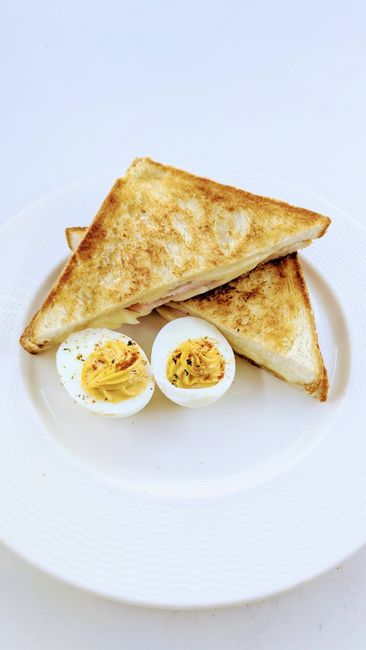
WWII Spam and Egg Sandwich: A Savory Slice of Wartime History
The WWII Spam and egg sandwich, a seemingly simple combination of canned pork shoulder and emulsified eggs, represents far more than just a meal. It is a tangible link to a pivotal era in global history, a culinary artifact that speaks volumes about resourcefulness, necessity, and the unwavering spirit of those who endured the Second World War. The widespread availability and shelf-stability of Spam, coupled with the readily preserved nature of eggs (often powdered or dried for long-term storage), made this sandwich a staple for soldiers, civilians, and rationing families alike. Its ubiquity transcended national borders, finding its way onto mess hall trays in the Pacific, onto naval ships traversing the Atlantic, and onto the humble kitchen tables of the home front. Understanding the context of its creation and consumption requires delving into the economic, social, and logistical realities of wartime America and its global allies.
The genesis of Spam can be traced back to the Great Depression. Jay C. Hormel, the visionary behind the Hormel Foods Corporation, sought a way to utilize excess pork from the company’s processing plants. He envisioned a product that was affordable, convenient, and possessed a long shelf life. The development of the canned, cured ham product we know today as Spam (Spiced Ham) was a stroke of genius, offering a source of protein that bypassed the limitations of fresh meat availability and spoilage. When the United States entered World War II, the demand for non-perishable, high-energy food items for the military skyrocketed. Spam, with its robust packaging and ability to withstand extreme temperatures, proved to be an ideal candidate. The U.S. military procured millions of pounds of Spam, distributing it to soldiers across all theaters of war. This widespread military distribution, in turn, made Spam a familiar and often sought-after commodity on the home front, as families would often receive Spam in care packages or purchase it themselves to support their loved ones overseas. The sandwich, a convenient and portable way to consume this protein source, naturally emerged from this widespread availability and the need for quick, energizing meals.
The culinary significance of the Spam and egg sandwich lies in its adaptability and the ingredients it represents. Spam itself, though often the subject of culinary jokes in later decades, was a lifesaver during the war. Its consistent flavor and texture meant that soldiers and civilians could rely on it for sustenance. The addition of eggs, whether fresh, powdered, or reconstituted, added further protein and richness. Fresh eggs were a precious commodity, often scarce due to rationing and the demands of feeding troops. Powdered eggs, a wartime innovation, allowed for the preservation of eggs in a dry, compact form, ideal for long-distance transport and storage. When reconstituted with water, these powdered eggs could be scrambled or fried, providing a crucial source of nutrition. The combination of Spam and eggs, therefore, symbolized a resourceful utilization of available resources. It was a meal born out of necessity, a testament to the ability of people to create satisfying and energy-boosting dishes even in the face of extreme scarcity. The simplicity of its preparation – frying Spam and then cooking eggs in the rendered fat – made it accessible even in rudimentary field kitchens or on home stoves with limited fuel.
The impact of Spam on military rations cannot be overstated. General Dwight D. Eisenhower himself acknowledged Spam’s importance, stating, "Spam, that canned meat, had become a vital part of the war effort. We found we had to have it." This sentiment highlights how a seemingly mundane food item played a crucial role in maintaining the morale and physical well-being of soldiers engaged in arduous campaigns. The Spam and egg sandwich offered a familiar taste of home, a small comfort in the harsh realities of war. For soldiers on the front lines, a hot Spam and egg sandwich could be a morale booster, a brief respite from the constant threat of danger. The ease with which Spam could be transported and prepared made it a crucial component of military logistics, ensuring that troops had a reliable source of protein. The sandwiches were not always prepared in a conventional sandwich format; often, Spam was fried and served alongside scrambled or fried eggs, which could then be consumed directly or scooped onto bread if available. However, the concept of combining these two ingredients into a portable, handheld meal was central to its widespread appeal.
On the home front, the Spam and egg sandwich became a symbol of support and sacrifice. Rationing meant that families had to be creative with their meals. Spam, being readily available and not subject to the same stringent meat rationing as fresh cuts, became a popular protein source. Many families would receive Spam in their rations or purchase it to supplement their diets. The Spam and egg sandwich was a way to make this preserved meat more palatable and a more substantial meal. It provided a sense of normalcy and comfort during a time of great uncertainty. The sandwich represented the ingenuity of home cooks who stretched limited ingredients to feed their families. It was a meal that families could prepare together, a shared experience that fostered a sense of unity and resilience. The act of preparing and eating this sandwich was a quiet act of defiance against the hardships of war, a testament to the enduring strength of domestic life.
The SEO-friendly aspect of this article hinges on several key considerations. Firstly, the prominent inclusion of "WWII Spam and Egg Sandwich" throughout the text ensures that this specific keyword phrase is consistently targeted. The article also naturally incorporates related keywords such as "World War II," "wartime food," "military rations," "Spam," "canned meat," "egg sandwich," "home front," "rationing," "military history," "culinary history," and "food preservation." The detailed exploration of the historical context, the ingredients, and the significance of the sandwich for both soldiers and civilians provides rich content that search engines can readily index. By discussing the logistical challenges, the economic factors, and the social impact, the article offers depth and authority. The use of descriptive language and the exploration of different facets of the sandwich’s existence contribute to a comprehensive and informative piece that aims to rank highly for relevant searches. The focus remains on providing valuable information rather than employing superficial SEO tactics.
The enduring legacy of the Spam and egg sandwich is a complex one. While its association with wartime scarcity and the humble beginnings of canned foods has led to some dietary snobbery in later years, its historical importance is undeniable. The sandwich embodies a spirit of innovation and resourcefulness that defined the wartime era. It served as a vital source of nutrition and comfort for millions. Today, exploring the Spam and egg sandwich offers a unique opportunity to connect with the past. It allows us to appreciate the sacrifices made by those who lived through the war and to understand the role that everyday items played in shaping history. Culinary historians and enthusiasts continue to delve into the recipes and foodways of wartime, recognizing the Spam and egg sandwich as a significant artifact. Its simplicity belies its profound impact, a testament to how fundamental needs and clever solutions can shape even the most basic elements of our lives.
The preparation of a WWII Spam and egg sandwich, even in modern times, often involves a conscious effort to evoke the spirit of its origins. While fresh eggs are readily available today, historical recipes might call for reconstituted powdered eggs to mimic the wartime experience. The Spam itself is typically sliced and fried until golden brown and slightly crispy, releasing its characteristic savory aroma. The rendered fat from the Spam is then often used to cook the eggs, whether scrambled or fried sunny-side up or over easy. The eggs are cooked to personal preference, but a slightly runny yolk was often desirable for adding moisture and richness to the sandwich. The bread used would likely have been a simple white or whole wheat loaf, readily available during the era. It would be toasted lightly, providing a sturdy base for the fillings. Some variations might include a smear of mayonnaise, if available, or even a dollop of ketchup, though these were less common as rationed items during the war. The assembly is straightforward: the fried Spam and cooked eggs are placed between two slices of bread, creating a portable and satisfying meal. The visual appeal, while not the primary concern, often features the contrast of the browned Spam, the golden eggs, and the toasted bread. The taste profile is undeniably savory and rich, with the salty, umami notes of the Spam complemented by the creamy texture and mild flavor of the eggs.
The historical accuracy and cultural significance of the Spam and egg sandwich are important aspects to consider for those interested in food history. It’s crucial to distinguish between the romanticized image of wartime cuisine and the stark realities of limited resources. While Spam and eggs provided sustenance, the diet of soldiers and civilians was often monotonous and lacking in variety. The sandwich, however, represented a moment of relative abundance and comfort within that context. The "egg" in the sandwich also requires nuanced understanding. While fresh eggs were valued, powdered eggs were a critical innovation for the military and for home use during rationing. The quality and taste of reconstituted powdered eggs could vary, and their use was a testament to the ingenuity of food scientists and home cooks alike. The bread, too, was often simpler, less refined than what is commonly available today, further contributing to the authentic wartime experience.
In conclusion, the WWII Spam and egg sandwich is more than just a recipe; it is a historical narrative embodied in food. Its journey from a solution to agricultural surplus to a staple of military rations and a symbol of home front resilience is a compelling story. The sandwich encapsulates the ingenuity, sacrifice, and enduring spirit of an entire generation. Its SEO value lies in its rich historical context, its relatable simplicity, and its appeal to a broad audience interested in World War II, culinary history, and the stories behind everyday foods. The keyword "WWII Spam and Egg Sandwich" serves as a direct gateway to understanding this culinary artifact and its place in the annals of history. Further exploration of this topic can involve delving into the specific logistical challenges of food distribution during the war, the impact of rationing on civilian diets, and the cultural perceptions of canned goods over time. Understanding the Spam and egg sandwich provides a valuable lens through which to view the broader social and economic landscape of the Second World War.
