
Roasted Vegetables For A Crowd
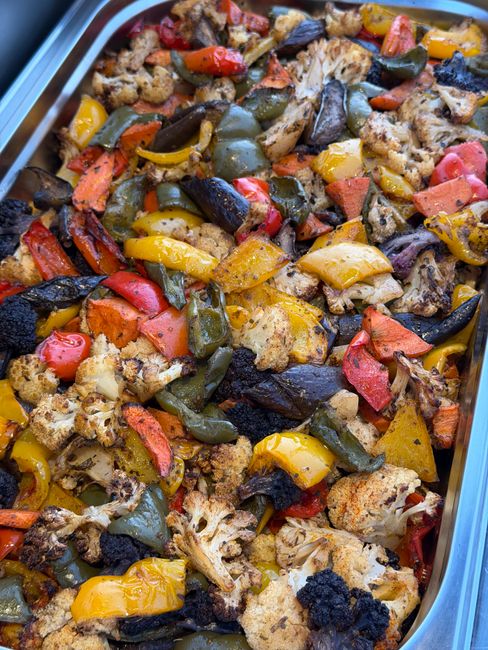
Roasted Vegetables for a Crowd: Effortless, Delicious, and Crowd-Pleasing Sides
Roasting vegetables transforms humble produce into culinary stars, offering a deeply satisfying caramelization and concentrated flavor that appeals to a wide range of palates. This method is exceptionally well-suited for feeding a crowd due to its scalability, minimal active preparation time, and inherent versatility. Unlike other cooking techniques that can demand constant attention or precise timing for individual portions, roasted vegetables are remarkably forgiving, allowing the oven to do the heavy lifting. The simplicity of tossing vegetables with oil, salt, and pepper, then letting them roast until tender and slightly browned, makes it an ideal choice for parties, potlucks, holiday gatherings, or any occasion where serving a substantial number of people is a priority. The inherent adaptability of roasting means you can cater to diverse dietary preferences, from vegan and vegetarian to gluten-free and dairy-free, by simply selecting the appropriate vegetables and seasonings. Beyond their ease of preparation and broad appeal, roasted vegetables offer a vibrant visual element to any meal, adding color and texture that can elevate even the most casual buffet. Understanding the core principles of vegetable roasting—optimal temperature, proper spacing, and judicious seasoning—unlocks a world of delicious and effortless side dishes perfect for any gathering.
The foundational elements of successful vegetable roasting for a crowd revolve around temperature, oil, and spacing. A high oven temperature, typically between 400°F (200°C) and 425°F (220°C), is crucial for achieving the desired caramelization and tender-crisp texture. This heat encourages the natural sugars in the vegetables to break down and brown, developing complex, savory flavors. The choice of oil is also important. While olive oil is a popular and versatile option, other high-heat oils like avocado oil, grapeseed oil, or canola oil can also be used. The oil facilitates even heat distribution, prevents sticking, and contributes to the glossy sheen and desirable crispiness of the roasted vegetables. Generosity with the oil is key, though not to the point of drowning the vegetables. A light coating on each piece ensures that they roast rather than steam. Spacing is perhaps the most overlooked but critical factor for crowd-sized batches. Overcrowding the baking sheets will lead to the vegetables steaming instead of roasting, resulting in a soggy texture and diminished flavor development. To combat this, utilize multiple baking sheets, ensuring each vegetable piece has ample space around it. This allows for proper air circulation, which is essential for achieving those sought-after browned edges and concentrated sweetness. If baking sheets must be placed on the same oven rack, consider rotating them halfway through the cooking process to ensure even cooking across all batches.
Selecting the right vegetables is paramount to creating a crowd-pleasing roasted medley. The best candidates for roasting are those with a firm texture that can withstand higher temperatures without disintegrating. Root vegetables like potatoes (Yukon Gold, red potatoes, sweet potatoes), carrots, parsnips, and beets are excellent choices. Their inherent sweetness intensifies during roasting, making them universally appealing. Cruciferous vegetables such as broccoli, cauliflower, Brussels sprouts, and asparagus also roast beautifully, developing a tender interior and delightfully crispy edges. Bell peppers (all colors), onions (red, yellow, white), zucchini, and squash (butternut, acorn, delicata) are other reliable options that offer varied textures and flavors. For larger gatherings, a mix of these vegetables provides a visually appealing and diverse platter. It’s important to consider vegetables that have similar cooking times, or to cut harder vegetables into smaller pieces to ensure they cook at a comparable rate to softer ones. For instance, when combining root vegetables with softer ones like zucchini, cut the root vegetables into smaller cubes or wedges. This thoughtful preparation ensures a harmonious blend of tender and slightly caramelized components rather than some being overcooked and others undercooked. Variety in color is also a strong selling point, making the dish more enticing and nutritious. Think about contrasting hues: the deep purple of beets, the vibrant orange of carrots and sweet potatoes, the earthy green of broccoli and Brussels sprouts, and the bright red and yellow of bell peppers.
Seasoning is where the magic truly happens, transforming simple roasted vegetables into a flavor sensation. While salt and freshly ground black pepper are non-negotiable basics for enhancing natural flavors, the possibilities for elevated seasoning are vast and depend on the desired flavor profile of your meal. For a classic, crowd-pleasing approach, consider a simple blend of garlic powder or minced fresh garlic, onion powder, and a touch of dried herbs like rosemary, thyme, or oregano. These common pantry staples are readily available and complement a wide array of vegetables. For a more robust flavor, smoked paprika can add a subtle smoky depth, while a pinch of red pepper flakes can introduce a gentle heat that appeals to many. If you’re serving a specific cuisine, tailor your seasonings accordingly. Italian-inspired dishes can benefit from dried basil, oregano, and a sprinkle of grated Parmesan cheese (added in the last few minutes of roasting to prevent burning). Mediterranean flavors can be enhanced with lemon zest, sumac, and a drizzle of balsamic glaze post-roasting. For a touch of sweetness, a light drizzle of maple syrup or honey can be added towards the end of the cooking time, especially with root vegetables. Don’t be afraid to experiment with spice blends like za’atar or garam masala for an unexpected twist. When seasoning for a crowd, it’s often best to err on the side of slightly more seasoning than you think you need, as the flavors can meld and mellow during the roasting process. Taste a small piece of a cooked vegetable before serving to adjust if necessary.
The practicalities of roasting vegetables for a large group involve strategic planning and efficient execution. The most significant consideration is oven space. For a substantial crowd, you will undoubtedly need multiple baking sheets. Invest in or borrow enough large, rimmed baking sheets to accommodate your needs. Rimmed sheets are essential to prevent any stray oil or vegetable juices from dripping into your oven. Plan your cooking timeline based on the oven capacity and the types of vegetables you are roasting. It’s often wise to roast vegetables that take longer to cook, such as root vegetables, first, and then add faster-cooking vegetables like asparagus or bell peppers later in the process to avoid overcooking. Alternatively, a single batch of mixed vegetables, cut to appropriate sizes, can simplify the process. Preheat your oven thoroughly to the designated temperature before you begin assembling your vegetables. This ensures that the vegetables hit the hot oven immediately, initiating the roasting process without delay. As mentioned, avoid overcrowding. If your oven is small, you may need to roast in shifts. This is where prep work becomes your ally. Wash, chop, and season all your vegetables in advance, storing them in separate airtight containers in the refrigerator. This allows for quick assembly and immediate loading into the oven when it’s ready. For example, you can chop potatoes and carrots the day before, but it’s best to cut vegetables like broccoli and bell peppers closer to roasting time to maintain their freshness and texture.
Beyond the basic salt and pepper, several complementary additions can elevate roasted vegetables for a crowd, adding layers of flavor and texture. Fresh herbs, while delicate, can be added in the last 5-10 minutes of roasting or tossed in after the vegetables come out of the oven to preserve their vibrant flavor and color. Parsley, chives, cilantro, or basil are all excellent choices. Garlic, as mentioned, is a natural fit. Minced fresh garlic added with the oil and vegetables will roast and become sweet and mellow, while whole cloves of garlic will become soft and spreadable. For a textural contrast and a nutty flavor, a sprinkle of toasted nuts or seeds, such as slivered almonds, chopped walnuts, pumpkin seeds, or sunflower seeds, can be added in the final minutes of roasting or just before serving. A drizzle of a flavorful sauce or dressing can also transform simple roasted vegetables. A balsamic glaze, lemon-tahini dressing, pesto, or even a creamy avocado dressing can add a sophisticated touch. For a touch of acidity and brightness, a squeeze of fresh lemon or lime juice over the finished product is always a welcome addition. Consider finishing touches like a sprinkle of flaky sea salt for an extra burst of flavor and visual appeal. These additions, while not strictly necessary, provide opportunities to customize and enhance the roasted vegetable offering, making it more appealing and memorable for your guests.
The versatility of roasted vegetables extends to their ability to cater to various dietary needs, making them an inclusive choice for any gathering. For vegan and vegetarian guests, roasted vegetables are inherently compliant and often a welcome, flavorful option. Ensure the oil used is plant-based (all common cooking oils are) and avoid any dairy-based seasonings or cheeses. For gluten-free guests, most roasted vegetables are naturally gluten-free. The key is to be mindful of any breaded or seasoned mixes that might contain gluten, and to ensure that any added sauces or marinades are certified gluten-free. Similarly, for dairy-free guests, most roasted vegetables are fine, but again, watch out for any creamy dressings or cheese accompaniments. For guests with nut allergies, simply omit nuts and seeds from the seasoning or garnishes. Be sure to check all pre-made spice blends and sauces for hidden allergens. When serving a mixed crowd, it’s often wise to prepare a larger portion of the basic seasoned vegetables and then offer a few optional toppings on the side, allowing individuals to customize their servings according to their dietary requirements. This approach ensures everyone feels catered to and can enjoy a delicious and safe meal. Clearly labeling any dishes that cater to specific dietary needs is also a thoughtful gesture.
Finally, presenting roasted vegetables for a crowd is as important as their preparation. A large, shallow platter or several smaller serving bowls work well. For a visually appealing presentation, arrange the vegetables artfully, showcasing their different colors and textures. A scattering of fresh herbs over the top adds a final touch of freshness and visual appeal. If you’ve incorporated nuts or seeds, a light sprinkle before serving enhances both flavor and crunch. For a buffet-style setup, provide tongs or serving spoons for each dish. Consider offering optional dipping sauces or dressings on the side, again, to allow for individual customization. If space is limited, consider serving roasted vegetables in individual portions, perhaps in small ramekins or biodegradable containers, which can be convenient for guests who are standing or mingling. The goal is to make the vegetables easily accessible and appealing, encouraging guests to help themselves to this healthy and delicious component of the meal. The inherent beauty of roasted vegetables, with their caramelized edges and vibrant hues, often requires minimal embellishment to make a statement. Their earthy, robust flavors and satisfying textures make them a dependable and celebrated addition to any large-scale meal.
