
Greek Tomato Feta Fritters Domatokeftethes
Domatokeftethes: The Ultimate Guide to Authentic Greek Tomato Feta Fritters
Domatokeftethes, meaning "tomato fritters" in Greek, are a beloved meze (appetizer) and street food staple across Greece, particularly originating from the Cycladic islands like Santorini. These small, savory fritters are a delightful explosion of flavor, showcasing the sweetness of ripe tomatoes, the salty tang of feta cheese, and the fragrant aroma of fresh herbs, all bound together in a light, crispy batter. Their simplicity belies their complexity of taste, making them a perennial favorite for both locals and tourists. The secret to exceptional domatokeftethes lies in the quality of the ingredients and the technique used to achieve their signature texture – a golden-brown, crunchy exterior giving way to a tender, flavorful interior. Understanding the nuances of their preparation unlocks a culinary experience that transports you directly to a sun-drenched Greek taverna.
The heart of any great domatokeftedes recipe is, unsurprisingly, the tomato. For the most authentic and delicious results, sun-ripened, flavorful tomatoes are paramount. Ideally, you’ll want to use varieties that are meaty and have a lower water content, such as Roma, plum, or even specific Greek heirloom varieties if available. The goal is to achieve a concentrated tomato flavor without the fritters becoming soggy. This is often achieved by draining excess moisture from the chopped tomatoes before incorporating them into the batter. Some recipes even call for halving or quartering the tomatoes and letting them drain in a sieve for a significant period, sometimes even overnight, pressing them gently to release as much liquid as possible. This crucial step ensures that the fritters hold their shape and achieve the desired crispy texture, preventing a mushy outcome. The natural sweetness of these well-drained tomatoes, especially when harvested at their peak, forms the foundational flavor profile of the fritters.
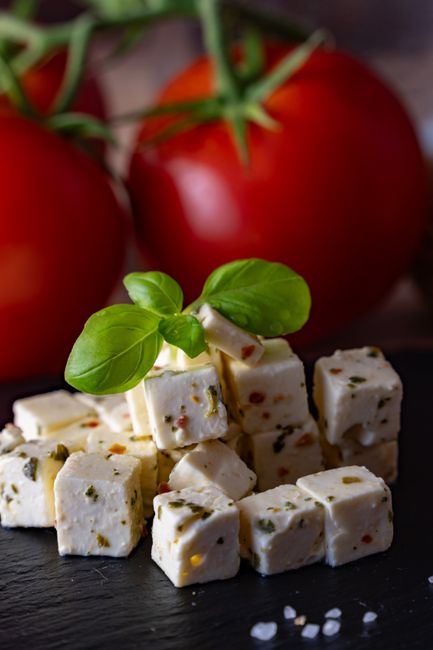
Feta cheese is the other indispensable component, providing its characteristic salty, tangy, and slightly crumbly essence. Authentic Greek feta, traditionally made from sheep’s milk or a mixture of sheep’s and goat’s milk, is superior to imitation varieties. Its briny kick cuts through the sweetness of the tomatoes and enriches the fritters with a creamy, savory depth. When selecting feta, look for a block packed in brine, as this indicates a higher quality and more intense flavor. The feta is typically crumbled or roughly chopped and then folded into the tomato mixture. It’s important not to over-process the feta; small chunks that melt slightly during frying add delightful pockets of cheesy goodness within the fritters. The interplay between the sweet, slightly acidic tomatoes and the sharp, salty feta is a classic Greek flavor combination that is expertly balanced in domatokeftethes.
Beyond tomatoes and feta, a symphony of aromatic herbs elevates domatokeftethes to their full potential. Fresh mint and parsley are almost universally included, their bright, refreshing notes providing a counterpoint to the richness of the cheese and tomatoes. Some recipes may also incorporate dried oregano, adding a more earthy, pungent herbaceousness characteristic of Greek cuisine. The freshness of these herbs is key; dried herbs can be used in a pinch, but the vibrancy of fresh mint and parsley is unparalleled. They are typically finely chopped and mixed directly into the batter, infusing every bite with their invigorating fragrance. The specific blend of herbs can vary slightly from family to family and region to region, allowing for subtle personalizations of this classic dish.
The batter for domatokeftethes is usually a simple flour-based mixture, often with a leavening agent to ensure a light and airy interior. All-purpose flour is the most common base, though some variations might include a small amount of semolina for added crispness. Baking powder is typically used to provide lift and a tender crumb. The consistency of the batter is crucial: it should be thick enough to coat the tomato and feta mixture but not so dense that it creates heavy, greasy fritters. It should be a loose yet cohesive batter that allows the fritters to fry up golden and delicate. Some cooks may add a splash of sparkling water or beer to the batter, believing it contributes to a lighter, crispier texture due to the carbonation.
The cooking process for domatokeftethes involves deep-frying, a technique that yields their signature crispy exterior. A neutral-flavored oil with a high smoke point, such as vegetable oil, canola oil, or sunflower oil, is ideal. The oil needs to be heated to the correct temperature, typically around 170-180°C (340-350°F). If the oil is too hot, the fritters will burn on the outside before the inside is cooked through. If it’s too cool, they will absorb too much oil and become greasy. Frying in batches is essential to avoid overcrowding the pan, which can lower the oil temperature and result in uneven cooking. The fritters are typically dropped into the hot oil using a spoon or by hand, forming small, bite-sized portions. They are then fried for a few minutes on each side until they are deeply golden brown and puffed up.
Proper draining after frying is as important as the frying itself. Once removed from the hot oil, the domatokeftethes are placed on a wire rack set over a baking sheet or on paper towels to absorb any excess oil. This prevents them from becoming soggy and ensures their delightful crunch. The goal is to achieve a crisp exterior that contrasts beautifully with the soft, flavorful interior.
While the basic recipe for domatokeftethes is straightforward, there are numerous regional variations and personal touches that chefs and home cooks incorporate. On Santorini, a particularly famous version of domatokeftethes uses a unique local variety of cherry tomatoes that are intensely flavorful and have a lower water content naturally. These Santorinian fritters are often even more intensely tomato-forward. Some variations might include a pinch of sugar in the batter to enhance the sweetness of the tomatoes or a whisper of cinnamon for a subtle warmth and complexity. Others might add a small amount of finely grated onion or garlic for an extra layer of savory flavor, though this is less traditional and can sometimes overpower the delicate tomato and feta notes. The addition of a small amount of ouzo or tsipouro (Greek spirits) to the batter is another intriguing variation, believed to add a subtle anise aroma and contribute to a lighter, crisper texture.
Serving domatokeftethes is typically done as a meze, accompanied by other small dishes, or as a light snack. They are best enjoyed warm, immediately after frying, when their texture is at its peak. A dollop of thick Greek yogurt or a light tzatziki sauce makes an excellent accompaniment, providing a cool, creamy contrast to the warm, savory fritters. Lemon wedges are also a popular serving suggestion, as a squeeze of fresh lemon juice can brighten the flavors. In some tavernas, they might be served with a simple garnish of fresh parsley or a sprinkle of extra feta.
The versatility of domatokeftethes extends beyond their role as a appetizer. They can be incorporated into larger dishes, such as being added to a Greek salad for a flavorful protein and carb component, or served as a side dish alongside grilled meats or seafood. Their portable nature also makes them a popular choice for picnics and outdoor gatherings.
The nutritional profile of domatokeftethes, while not traditionally considered a health food due to the frying, can be seen as a source of vitamins and minerals from the tomatoes and feta. Tomatoes are rich in vitamin C, potassium, and antioxidants like lycopene. Feta provides calcium and protein. The flour contributes carbohydrates for energy. When made with good quality ingredients and enjoyed in moderation, they offer a satisfying and flavorful culinary experience. For a slightly healthier preparation, some individuals experiment with baking or air-frying, though this will alter the texture significantly and is not the traditional method.
The history of domatokeftethes is deeply rooted in the agricultural traditions of Greece, particularly the islands where tomatoes and feta have long been local staples. The dish likely evolved as a way to utilize abundant summer produce, transforming simple ingredients into a delicious and satisfying snack. The economic and resourceful nature of Greek cuisine is evident in this dish, where humble ingredients are elevated through careful preparation and a focus on natural flavors.
To achieve the best domatokeftethes at home, several key takeaways are crucial. Firstly, prioritize high-quality, ripe tomatoes and authentic Greek feta. Secondly, ensure you drain the tomatoes thoroughly to avoid excess moisture. Thirdly, maintain the correct oil temperature for frying to achieve a golden-brown, crispy exterior and a tender interior. Finally, don’t be afraid to experiment with the herb combinations to find your personal favorite. The aroma of freshly fried domatokeftethes filling your kitchen is an invitation to experience a true taste of Greece, a testament to the power of simple, fresh ingredients prepared with care. Understanding the cultural significance and culinary nuances of this dish deepens the appreciation for this humble yet extraordinary Greek delicacy. The search for the perfect domatokeftethes is a journey that celebrates flavor, tradition, and the joy of sharing delicious food.
