
Pork Chops With Apples And Onions
Pork Chops with Apples and Onions: A Classic Comfort Food Recipe for All Seasons
The humble pork chop, when paired with the sweet and tangy notes of sautéed apples and caramelized onions, transforms into a symphony of flavors and textures. This dish, often hailed as a quintessential comfort food, offers a delightful balance that appeals to a wide range of palates. Its versatility allows for simple weeknight preparation or elevated dining for special occasions. Understanding the core components and techniques behind achieving a perfect pork chop with apples and onions is key to unlocking its full potential. This article will delve into the intricacies of selecting the right pork chops, mastering the art of searing and cooking them to juicy perfection, and creating a flavorful apple and onion accompaniment that complements the pork without overpowering it. We will explore ingredient variations, potential pitfalls to avoid, and tips for achieving restaurant-quality results in your own kitchen.
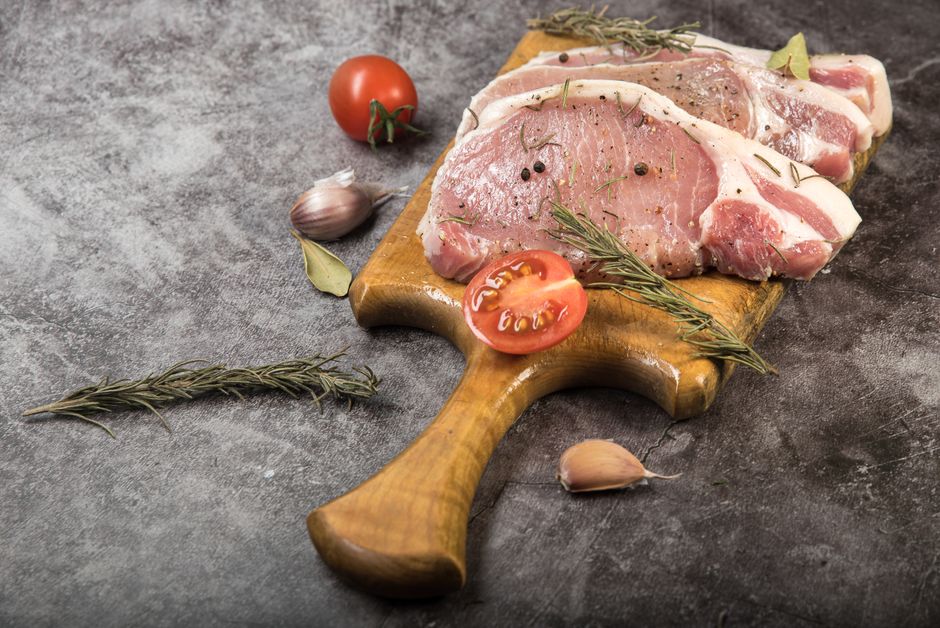
The foundation of any great pork chop dish lies in the quality of the pork itself. For pork chops with apples and onions, bone-in cuts often offer superior flavor and moisture due to the marrow within the bone and the natural fat cap. Thickness is also a crucial consideration. Aim for chops that are at least 1 to 1.5 inches thick. Thinner chops are prone to drying out quickly, making it challenging to achieve a tender and juicy result. Popular choices include bone-in rib chops, which are known for their tenderness and good marbling, and bone-in loin chops, which are a leaner option but still deliver excellent flavor. If bone-in cuts are unavailable or undesirable, boneless pork loin chops can be used, but they require more careful attention to cooking time to prevent overcooking. When selecting pork, look for meat that is a pale pink to light red color, with clear, firm fat. Avoid any pork that appears greyish or has a strong, unpleasant odor. The marbling, those thin streaks of fat running through the muscle, is essential for flavor and tenderness.
The cooking process for pork chops with apples and onions typically involves two primary stages: searing the pork and then cooking it through, often in conjunction with the apples and onions. Achieving a beautiful golden-brown crust on the pork chops is paramount. This is best accomplished by searing them in a hot, oven-safe skillet, ideally cast iron, with a high smoke point oil such as canola, grapeseed, or avocado oil. Patting the pork chops thoroughly dry with paper towels before seasoning is a critical step. Moisture on the surface of the meat will steam rather than sear, preventing the development of that desirable crust. Seasoning should be generous, utilizing kosher salt and freshly ground black pepper. Some recipes also incorporate garlic powder or onion powder for an extra layer of flavor. Once the skillet is screaming hot and the oil is shimmering, carefully place the seasoned pork chops into the pan. Avoid overcrowding the skillet, as this will lower the temperature and lead to steaming. Sear each side for 3-5 minutes, depending on thickness, until a rich, mahogany crust has formed. This initial sear locks in juices and builds immense flavor.
Following the searing process, the pork chops are often finished in the oven. This allows for more even cooking and reduces the risk of burning the exterior before the interior is cooked through. For thicker chops, transferring the skillet directly into a preheated oven (typically around 375-400°F or 190-200°C) is the most efficient method. The oven time will vary based on thickness, but a good guideline is 8-15 minutes for 1-inch thick chops, and up to 20-25 minutes for 1.5-inch thick chops. The internal temperature is the most reliable indicator of doneness. For pork, it’s crucial to cook it to at least 145°F (63°C) for medium-rare, which will yield a very juicy and tender result. Many consumers are accustomed to overcooked, dry pork, so understanding that modern guidelines recommend a lower internal temperature is important. A meat thermometer inserted into the thickest part of the chop, away from the bone, is essential for accurate temperature reading. After removing the pork from the oven, it’s vital to let it rest for at least 5-10 minutes, loosely tented with foil. This resting period allows the juices to redistribute throughout the meat, resulting in a more succulent chop.
The apple and onion component is what truly elevates this dish from a simple pork chop to a classic. The sweet, slightly acidic nature of apples and the rich, savory sweetness of caramelized onions create a perfect counterpoint to the pork. When selecting apples, firm, tart varieties are generally preferred as they hold their shape well during cooking and their tartness cuts through the richness of the pork. Gala, Honeycrisp, Fuji, Granny Smith, and Braeburn are excellent choices. Avoid very soft apples like Red Delicious, as they tend to turn mushy. For the onions, yellow or Vidalia onions are ideal for their sweetness and ability to caramelize beautifully. Red onions can also be used, offering a slightly sharper flavor and vibrant color.
The preparation of the apples and onions usually takes place in the same skillet used for searing the pork, after the pork has been removed to rest. It’s often beneficial to deglaze the pan with a liquid to capture the flavorful fond (browned bits) left from the pork. This could be chicken broth, apple cider, white wine, or even a splash of brandy. Sautéing the onions first is typically recommended, allowing them to soften and begin to caramelize. This can take 5-10 minutes over medium heat. Once the onions are translucent and starting to brown, add the sliced apples. The apples should be sliced uniformly, about ¼ inch thick, to ensure even cooking. Common additions to the apple and onion mixture include butter or olive oil for sautéing, a touch of brown sugar or maple syrup to enhance sweetness, a pinch of cinnamon or nutmeg for warmth, and sometimes a splash of apple cider vinegar or balsamic vinegar for brightness and acidity. Cook the apples and onions until they are tender but not mushy, and the onions are deeply caramelized.
The integration of the pork chops with the apples and onions can be done in a few ways. Some recipes have the pork chops return to the skillet to finish cooking in the apple and onion mixture, absorbing their flavors. Others serve the cooked pork chops directly from the resting plate, topped generously with the warm apple and onion medley. A simple pan sauce can also be created by simmering some chicken broth or apple cider in the pan after the apples and onions have cooked, scraping up any browned bits and reducing it to a glossy consistency. This sauce can then be spooned over the pork and apples and onions.
Exploring ingredient variations can lead to exciting twists on this classic. For a spicier kick, consider adding a pinch of red pepper flakes to the apple and onion mixture or a dash of cayenne pepper to the pork seasoning. Herbs like fresh thyme or rosemary are also excellent additions that complement both pork and apples. A touch of Dijon mustard mixed into the apple and onion sauté can add a subtle tang. For a richer sauce, incorporating a tablespoon or two of heavy cream towards the end of cooking the apples and onions can create a luscious glaze. Alternatively, for a lighter, more refreshing take, consider adding a handful of fresh cranberries to the apple and onion mixture for a burst of tartness and color.
Common pitfalls to avoid when preparing pork chops with apples and onions are crucial for success. Overcooking the pork is perhaps the most frequent mistake, leading to dry, tough meat. As mentioned earlier, using a meat thermometer and resting the pork are the best defenses against this. Another mistake is not getting the skillet hot enough for searing, which results in pale, unappealing pork chops. Similarly, overcrowding the pan during searing can prevent proper browning. For the apples and onions, cooking them over too high heat can cause them to burn before they soften and caramelize. Patience is key when caramelizing onions; low and slow is the mantra. Lastly, under-seasoning both the pork and the apple and onion mixture will result in a bland dish. Don’t be shy with salt and pepper.
To achieve restaurant-quality results, several tips can be implemented. Investing in a good quality, heavy-bottomed skillet, preferably cast iron, will ensure even heating and excellent searing. Patting the pork completely dry is non-negotiable. Using a meat thermometer is a game-changer for perfect pork doneness. Allowing the pork to rest after cooking is as important as the cooking itself. For the apples and onions, cooking them in batches if necessary to avoid steaming them can lead to better caramelization. Deglazing the pan after searing the pork captures a significant amount of flavor that can be incorporated into the final dish. Don’t be afraid to taste and adjust seasoning throughout the cooking process.
In conclusion, pork chops with apples and onions is a timeless dish that offers a remarkable balance of sweet, savory, and tangy flavors with satisfying textures. By understanding the fundamentals of selecting quality pork, mastering the searing and cooking techniques, and carefully preparing the apple and onion accompaniment, any home cook can create a memorable and delicious meal. Whether served as a comforting weeknight dinner or a more elaborate weekend feast, this classic combination is sure to impress. The versatility of the recipe allows for endless customization, making it a valuable addition to any culinary repertoire. The key to success lies in attention to detail, proper cooking temperatures, and a willingness to embrace the harmonious marriage of pork, apples, and onions.
