
Best Ever Pie Crust
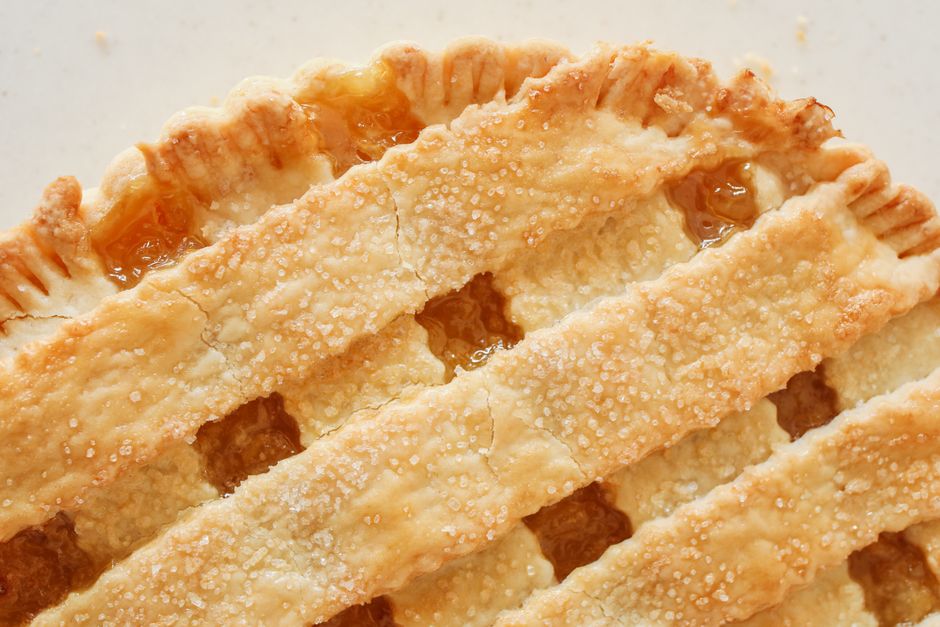
The Quest for the Perfect Pie Crust: A Deep Dive into Unrivaled Flakiness and Flavor
Achieving the "best ever" pie crust is a culinary Everest, a quest that has driven bakers for generations. It’s not merely about encasing a filling; it’s about creating a delicate, shatteringly crisp, and deeply flavorful foundation that elevates the entire pie experience. This article demystifies the science and art behind achieving unparalleled pie crust perfection, exploring essential ingredients, crucial techniques, and common pitfalls to avoid. We’ll dissect the fundamental elements that contribute to a truly transcendent crust, from the fat used to the temperature of the water, offering actionable advice for home bakers seeking to master this foundational pastry skill.
The cornerstone of any exceptional pie crust is the fat. Fat inhibits gluten development, which is paramount for tenderness. Too much gluten results in a tough, leathery crust; too little, and it might crumble excessively. The choice of fat dictates texture and flavor. Butter, the undisputed king in many baker’s arsenals, offers unparalleled flavor. Its high water content, however, can be a double-edged sword. The water in butter steams during baking, creating pockets of steam that contribute to flakiness. Yet, excessive moisture can lead to a soggy bottom or a dense crust if not handled carefully. For maximum flakiness, cold butter is essential. Cubes of butter, no larger than a pea, should be cut into the flour. This creates distinct pockets of fat that melt during baking, leaving behind airy layers. Some bakers advocate for chilling the butter for an extended period, even freezing it for a short duration, to ensure it remains solid throughout the mixing process. The objective is to coat the flour particles with fat without overworking them, preventing the formation of a cohesive dough too early. Browning butter adds a nutty depth of flavor, but this is typically reserved for more elaborate applications where a pronounced nutty note is desired, as it can overpower subtler fillings. For a truly versatile "best ever" crust, unsalted butter is generally preferred, allowing the baker to control the salt content precisely.
Lard, the traditional choice of many a grandmother, offers a unique textural advantage. Its higher melting point than butter means it stays solid longer in the oven, leading to exceptionally tender and flaky results. The fat molecules in lard are also larger and more uniform than in butter, contributing to a consistently delicate crumb. However, the flavor of lard can be a point of contention. While high-quality leaf lard is nearly flavorless, some commercial lard can impart a distinct, sometimes undesirable, porcine note. For those seeking the ultimate flakiness and are unconcerned about a potential subtle flavor, lard is a strong contender. Many modern recipes advocate for a blend of butter and lard, aiming to harness the flavor of butter with the textural superiority of lard. A 50/50 ratio is common, but variations exist depending on the desired outcome. This compromise can yield a crust that is both richly flavored and incredibly tender.
Vegetable shortening, while often maligned for its lack of flavor compared to butter or lard, excels in creating a tender and consistently flaky crust. Its higher melting point and uniform fat crystals contribute to ease of handling and predictable results. Shortening is exceptionally effective at inhibiting gluten formation, leading to a very tender product. However, its neutral flavor means it relies entirely on the flour and salt for its taste contribution. For a crust where the filling is meant to be the star, or for bakers who prioritize ease and reliability, shortening can be an excellent choice. It’s also a good option for vegans or those with dairy allergies. Achieving a truly superior crust with shortening often involves ensuring it is very cold and cut into small pieces, similar to butter. The absence of water in shortening means flakiness primarily comes from the separation of fat layers, rather than steam.
The type of flour is another critical component. All-purpose flour is the most common choice due to its availability and balanced protein content. A protein content of around 10-12% is generally ideal. Higher protein flours, like bread flour, will develop more gluten, leading to a tougher crust. Lower protein flours, such as cake flour, may result in a crumbly crust that is difficult to handle. For a supremely tender crust, some bakers advocate for using a portion of pastry flour, which has a lower protein content, or even cake flour, in conjunction with all-purpose flour. This strategy aims to reduce overall gluten development. The concept of "bleached" versus "unbleached" flour is also relevant. Unbleached flour, often preferred by artisanal bakers, undergoes a natural aging process that can improve its baking properties, including its ability to absorb moisture and develop flavor. The presence of certain enzymes in unbleached flour can also contribute to a slightly more tender crumb.
Hydration is arguably the most misunderstood and frequently mishandled aspect of pie crust making. The amount of liquid, typically ice water, is crucial. Too much water over-activates gluten development, leading to a tough crust. Too little water results in a dry, crumbly dough that is impossible to roll out without cracking. The goal is to hydrate the flour just enough to bring the dough together, creating a cohesive mass without developing extensive gluten strands. The temperature of the water is paramount. Ice water chills the fat, preventing it from melting prematurely, which is essential for flakiness. The rapid chilling effect also helps to slow down gluten formation. As a general rule, start with a smaller amount of ice water than you think you’ll need and add it gradually, a tablespoon at a time, until the dough just begins to come together. Some recipes suggest using a combination of water and vodka. Vodka, with its high alcohol content, doesn’t hydrate the flour as effectively as water, thus inhibiting gluten development. The alcohol evaporates during baking, leaving behind a tender and flaky crust.
The method of incorporating the fat into the flour is foundational. "Cutting in" the fat is the term used for this process. Using a pastry blender, two knives, or even your fingertips, the fat is worked into the flour until it resembles coarse meal with some larger, pea-sized pieces of fat remaining. These larger pieces are the key to flakiness. They will melt and create steam pockets during baking. Overworking the dough at this stage is a cardinal sin. The goal is to achieve a uniform coating of flour with distinct fat inclusions. Food processors can be used for cutting in fat, but they require extreme caution to avoid over-processing. Pulse the mixture in short bursts, checking frequently, and stopping as soon as the desired consistency is achieved. The coldness of the fat and the flour is paramount throughout this entire process.
Once the fat is incorporated, it’s time to add the liquid and form the dough. As mentioned, add the ice water gradually. Mix until the dough just begins to clump together. Do not knead the dough. Lightly gather the dough into a ball, then flatten it into a disk. This minimal handling is crucial for preventing gluten development. Over-mixing or over-handling the dough at this stage will result in a tough, rubbery crust. The goal is a shaggy, slightly unkempt appearance; it should not be smooth and elastic.
Chilling the dough is non-negotiable. After forming the disk, wrap it tightly in plastic wrap and refrigerate for at least 30 minutes, and preferably for an hour or more. This allows the gluten to relax, preventing shrinkage during rolling. It also firms up the fat, making the dough easier to handle and contributing to flakiness during baking. For even better results and improved flavor development, chilling the dough for 24-48 hours is recommended. Some bakers even freeze their dough, thawing it in the refrigerator before use.
Rolling out the dough requires a light touch and minimal pressure. Lightly flour your work surface and rolling pin. Roll from the center outwards, rotating the dough periodically to prevent sticking and ensure even thickness. If the dough starts to crack or tear, let it rest for a few minutes to allow it to soften slightly. If it becomes too soft and sticky, return it to the refrigerator to firm up. Aim for a thickness of about 1/8 to 1/4 inch. Over-rolling can compress the fat, diminishing flakiness.
Blind baking, or pre-baking the pie crust, is often necessary for fillings that are wet or do not require extensive baking time, such as custard or cream pies. This prevents a soggy bottom. Line the chilled crust with parchment paper or aluminum foil, filling it with pie weights, dried beans, or rice. Bake at a moderately high temperature (around 375-400°F or 190-200°C) until the edges are lightly golden. Remove the weights and parchment, then continue baking until the bottom is lightly golden and cooked through. For a fully baked crust, docking (pricking the bottom with a fork) is often done before blind baking to allow steam to escape.
The temperature of the oven plays a significant role in achieving a superior crust. A hot oven is crucial for initial puff and flakiness. The fat melts rapidly, creating steam that lifts the layers of dough. However, if the oven is too hot for too long, the crust can brown too quickly before the filling is cooked. Conversely, an oven that is too cool will not produce adequate steam for flakiness, resulting in a dense, undercooked crust. Many recipes call for starting at a higher temperature and then reducing it, or using a moderate to high temperature throughout. Utilizing a baking stone or steel can help ensure even heat distribution to the bottom of the pie, further preventing a soggy bottom.
Salt is a flavor enhancer in pie crust. It balances sweetness and adds a subtle complexity. The amount of salt can vary, but typically, 1 teaspoon per cup of flour is a good starting point. For a truly "best ever" experience, consider using a fine sea salt or a kosher salt. The precise particle size can affect its dissolution in the dough.
A touch of sugar can add a hint of sweetness and promote browning. However, too much sugar can make the crust tough or burn easily. For a savory pie crust, omit the sugar entirely. For sweet pies, a tablespoon or two per crust is usually sufficient.
The type of pie plate can also influence the outcome. A metal pie plate conducts heat efficiently, promoting browning. Glass pie plates offer visibility, allowing you to monitor the bottom crust. Ceramic or stoneware pie plates retain heat well but can sometimes lead to less browning. For optimal browning and crispness, a dark metal pie plate is often favored.
Finally, consider the ingredients’ quality. Using high-quality butter, fresh lard, or good flour can make a noticeable difference. The "best ever" pie crust is a culmination of careful attention to detail at every stage, from ingredient selection to the final bake. It’s about understanding the interplay of fat, flour, and liquid, and employing techniques that encourage tenderness and flakiness. Practice, patience, and a willingness to experiment are key to unlocking the secrets of this timeless pastry.
