
Dry Rub For Ribs
The Ultimate Guide to Crafting the Perfect Rib Dry Rub: Flavor, Technique, and Secrets to Barbecue Bliss
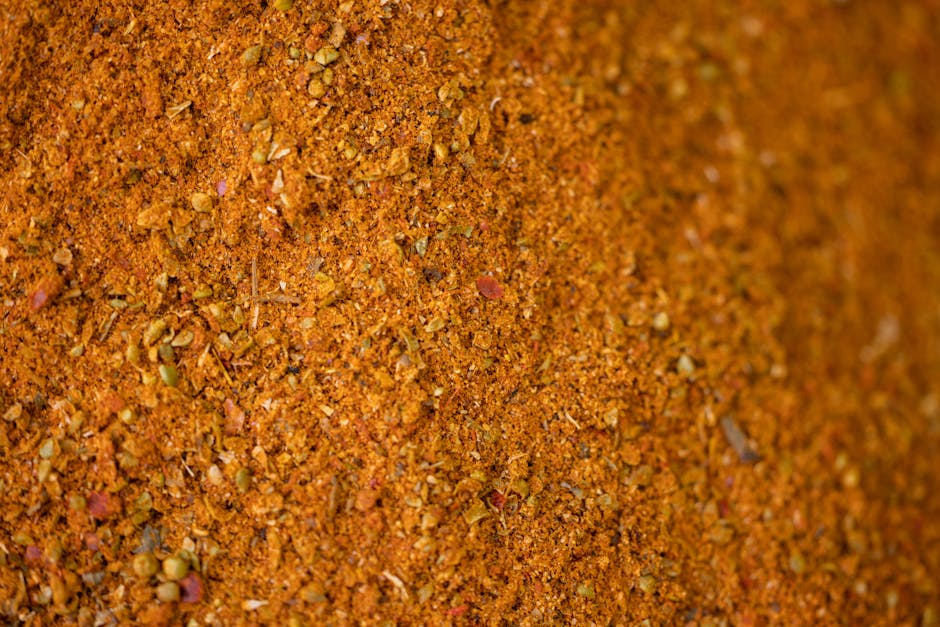
A meticulously crafted dry rub is the cornerstone of truly exceptional barbecue ribs. Far more than just a dusting of spices, a well-balanced dry rub forms a flavorful crust, tenderizes the meat, and lays the foundation for a complex, mouthwatering experience. This comprehensive guide delves deep into the art and science of rib dry rubs, exploring the essential components, how to customize your blend for optimal taste, and the techniques that ensure barbecue nirvana. Whether you’re a seasoned pitmaster or a backyard enthusiast, mastering the dry rub will elevate your rib game to championship levels. Understanding the interplay of sweet, savory, spicy, and smoky elements is crucial. The goal is to create a rub that not only adheres well to the rib surface but also penetrates slightly, infusing the meat with layers of flavor that develop beautifully during the low-and-slow cooking process.
The foundational elements of any great rib dry rub revolve around a strategic combination of sweet, savory, spicy, and aromatic components. Sugar, in various forms, is paramount for achieving that coveted sweet and savory crust, often referred to as the "bark." Brown sugar, particularly dark brown sugar, offers a molasses-rich sweetness and deep caramelization potential. Granulated sugar provides a cleaner, brighter sweetness. A touch of honey granules or even dehydrated honey can further enhance sweetness and contribute to a glossy finish. However, an overabundance of sugar can lead to burning, so moderation and careful consideration of cooking temperatures are essential. The savory backbone is typically provided by salt and, most importantly, paprika. Kosher salt or sea salt are preferred for their clean flavor and ability to draw out moisture, aiding in tenderization and bark formation. Paprika, in its many forms, offers color, mild sweetness, and a subtle earthy undertone. Smoked paprika, in particular, is a game-changer, imparting a deeply smoky flavor without the need for actual smoke during the rub application. Sweet paprika offers a milder, more approachable flavor, while hot paprika or cayenne pepper injects a welcome kick.
Beyond the core sweet and savory elements, a diverse array of spices contributes complexity and depth. Black pepper, freshly ground, is non-negotiable. Its pungent heat and aromatic qualities cut through richness and enhance other flavors. Garlic powder and onion powder are essential aromatics, providing a savory foundation that complements nearly any protein. Their dehydrated forms offer concentrated flavor without adding excess moisture. For a touch of warmth and earthiness, cumin is a popular choice, lending a slightly smoky, nutty note. Mustard powder, often overlooked, provides a sharp, tangy counterpoint that balances sweetness and can help tenderize the meat due to its enzymatic properties. A pinch of celery seed can add a subtle herbaceousness, reminiscent of celery’s fresh flavor. For those seeking heat, cayenne pepper is the go-to, offering a straightforward spicy punch. Chili powders, such as ancho or chipotle, provide more nuanced heat profiles with smoky and fruity undertones. The key is to achieve a harmonious balance; no single spice should dominate. Experimentation is encouraged, but starting with a solid base and gradually adding or adjusting ingredients is a wise approach.
The physical consistency and application of your dry rub are as important as its ingredient composition. A rub that is too coarse will not adhere well, leading to uneven flavor distribution. Conversely, a rub that is too fine can become pasty. Aim for a texture that is somewhere between coarse sand and fine table salt. A spice grinder or a mortar and pestle can help achieve the desired consistency, but a good quality whisk and a thorough mixing are often sufficient. When applying, ensure the ribs are patted dry with paper towels; moisture on the surface will prevent the rub from adhering. Apply the rub generously, ensuring full coverage on all sides, including under any membrane you may have removed. Gently press the rub into the meat to help it stick. Some pitmasters advocate for letting the rubbed ribs rest in the refrigerator for several hours, or even overnight, to allow the salt to penetrate the meat and the flavors to meld. This "dry brining" process can significantly enhance tenderness and flavor depth.
Customization is where the true art of the dry rub comes into play, allowing you to tailor the flavor profile to your specific preferences and the type of ribs you’re cooking. For a classic Memphis-style rub, focus on a balance of paprika, brown sugar, salt, and black pepper, with perhaps a hint of garlic and onion powder. This style is known for its dry, intensely flavored bark. For a Kansas City-style rub, lean into a sweeter profile with more brown sugar, molasses, and often a touch of chili powder or cayenne for subtle heat. This style is often associated with the sauced ribs, where the rub provides the initial flavor foundation for the sauce. Texas-style ribs often favor a simpler, bolder approach, emphasizing salt, black pepper, and garlic, allowing the inherent beefiness of the ribs to shine through. This minimalist approach creates a robust, peppery bark. For a spicier kick, increase the cayenne pepper or incorporate hotter chili powders. If you prefer a more complex, smoky flavor, experiment with different types of smoked paprika, chipotle powder, or even a small amount of ground coffee for an unexpected depth. Don’t be afraid to introduce a touch of fruitiness with ingredients like ground coriander or even a pinch of ground ginger.
Understanding the role of each ingredient is crucial for effective customization. Sugar provides caramelization and a sweet counterpoint to savory and spicy elements. Salt not only adds flavor but also acts as a tenderizer by breaking down protein structures. Peppers, both black and chili varieties, deliver heat and aromatic complexity. Aromatics like garlic and onion powder create a savory depth. Spices like cumin and coriander add earthy, sometimes smoky, notes. Mustard powder offers a tangy, slightly pungent element that can cut through richness. When adjusting proportions, consider the overall balance. If you find your rub too sweet, reduce the sugar and increase the savory or spicy components. If it lacks punch, add more black pepper or a hotter chili powder. If it’s too salty, adjust with more sugar or other non-salty spices. The goal is a symphony of flavors where each element plays its part without overpowering the others.
The "bark" is the holy grail of rib barbecue, and the dry rub is instrumental in its creation. The bark is the flavorful, slightly crispy, and often deeply colored crust that forms on the exterior of the ribs during the cooking process. This crust is a result of the Maillard reaction, a complex chemical process that occurs when sugars and amino acids interact at high temperatures. The sugar in your dry rub caramelizes, and the spices toast, contributing to the color and flavor. The salt in the rub draws out moisture, which then evaporates, leaving behind a concentrated layer of flavor and texture. A well-developed bark is not only delicious but also adds a textural contrast to the tender, juicy meat within. To maximize bark development, ensure your rub has a good proportion of sugar and paprika, and cook your ribs at the appropriate temperatures for the desired duration. Maintaining consistent heat is also crucial.
The technique of "mopping" or "basting" can further enhance flavor and moisture during the smoking process. While some purists argue against mopping as it can hinder bark development by introducing too much liquid, strategic mopping can be beneficial. Mops can range from simple apple cider vinegar and water to more complex concoctions involving butter, Worcestershire sauce, and other flavorings. The key is to apply the mop sparingly, primarily during the early stages of cooking, to avoid washing away the developing bark. Alternatively, consider using a spray bottle with apple cider vinegar or water. A light misting can help keep the ribs moist without saturating them, allowing the bark to form effectively. Some pitmasters also employ the "Texas Crutch" method, wrapping the ribs tightly in butcher paper or aluminum foil during the latter stages of cooking. This steaming effect helps tenderize the meat and accelerate the cooking process, but it can also soften the bark. If preserving a crispy bark is paramount, consider using butcher paper, which breathes better than foil, or only wrapping for a limited time.
Beyond the classic sweet and savory combinations, there are exciting avenues for creative dry rub experimentation. Consider incorporating umami-rich ingredients like mushroom powder or a small amount of MSG (monosodium glutamate) for an intensified savory experience. For a truly unique flavor profile, explore fruit-based ingredients such as dehydrated orange peel or a touch of ground apricot. These can add a subtle tang and sweetness that complements pork beautifully. Coffee grounds, finely ground, can lend a sophisticated bitterness and earthy depth. Even a hint of cocoa powder can add a surprising richness and subtle chocolate notes that pair well with smoky flavors. When venturing into these less traditional ingredients, start with very small amounts to avoid overwhelming the palate and to understand their impact on the overall flavor profile. Grinding these ingredients to a fine powder is essential for seamless integration into the rub.
The shelf life and storage of your dry rub are important considerations for maintaining freshness and flavor. Once your dry rub is mixed, store it in an airtight container in a cool, dark, and dry place. Properly stored, a dry rub can maintain its optimal flavor for several months, even up to a year. However, the volatile oils in spices can dissipate over time, so it’s always best to use the freshest ingredients possible. If you live in a humid climate, consider adding a tablespoon or two of cornstarch or arrowroot powder to your rub. These act as anti-caking agents and help absorb any ambient moisture, preventing your rub from clumping. When making large batches, it’s often advisable to divide it into smaller, more manageable portions and store the majority in the freezer. Freezing will significantly extend the shelf life and preserve the vibrant flavors of your spice blend.
Finally, the cooking method itself plays a crucial role in how your dry rub performs. Low-and-slow cooking, whether in a smoker, on a grill with indirect heat, or even in an oven, is essential for allowing the dry rub to work its magic. High heat will cause the sugars to burn before the flavors have a chance to penetrate the meat. The longer cooking times allow the salt to tenderize the meat and the spices to meld and develop complex flavor profiles. The indirect heat creates an environment where the rub can toast and caramelize, forming that sought-after bark without burning. Understanding the nuances of your cooking equipment and adjusting your rub accordingly is key. For instance, if you’re cooking at slightly higher temperatures, you might want to reduce the sugar content in your rub to prevent burning. Conversely, if you’re cooking at very low temperatures for extended periods, you can afford to be a little more generous with the sugar. The ultimate goal is a harmonious interplay between the dry rub, the rib meat, and the cooking process, culminating in a truly unforgettable barbecue experience.
