
Easy Vegetarian Spinach Lasagna
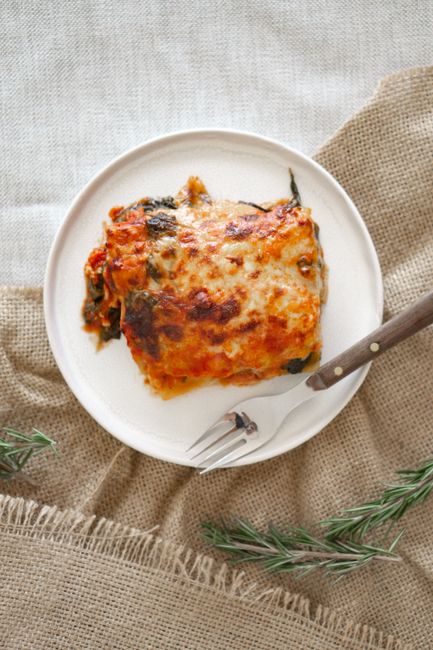
The Easiest Vegetarian Spinach Lasagna: A Flavorful and Effortless Weeknight Meal
Creating a delicious and satisfying vegetarian lasagna doesn’t have to be a time-consuming endeavor. This recipe for easy vegetarian spinach lasagna streamlines the traditional process, making it perfect for busy weeknights or when you’re craving comfort food without the fuss. The key to its simplicity lies in a few strategic shortcuts and a focus on fresh, vibrant flavors. Instead of making a béchamel sauce from scratch, we’ll utilize ricotta cheese for a creamy, rich filling that binds the layers beautifully. Pre-shredded mozzarella and Parmesan cheeses are readily available and melt wonderfully, ensuring that classic cheesy topping. Fresh spinach wilts down significantly when cooked, providing a healthy and visually appealing layer without requiring extensive preparation. The use of no-boil lasagna noodles further simplifies assembly, as they cook directly in the sauce, absorbing moisture and becoming tender without the extra step of pre-cooking. This approach results in a lasagna that is not only incredibly easy to make but also bursting with flavor, proving that vegetarian meals can be both quick and deeply rewarding. Whether you’re a seasoned cook looking for a faster alternative or a beginner eager to tackle a crowd-pleasing dish, this easy vegetarian spinach lasagna is sure to become a staple in your recipe repertoire.
The foundation of this effortless vegetarian spinach lasagna is a robust and flavorful tomato sauce. While you can certainly make your own marinara, using a high-quality store-bought marinara sauce is a significant time-saver without sacrificing taste. Look for a sauce with a good balance of tomato sweetness and acidity, and ideally one that doesn’t contain excessive added sugars or sodium. If you have a favorite brand, now is the time to use it. If not, a simple marinara with ingredients like tomatoes, garlic, onion, olive oil, basil, and oregano will work perfectly. To enhance the flavor of the store-bought sauce and infuse it with an extra layer of deliciousness, consider sautéing a small onion and a few cloves of minced garlic in a tablespoon of olive oil before adding the marinara. This aromatic base adds depth and complexity that elevates the entire dish. You can also stir in a pinch of red pepper flakes for a subtle warmth, or a bay leaf while the sauce simmers for a more herbaceous note. For this easy recipe, however, the straight-up store-bought marinara is a perfectly acceptable and time-efficient choice, especially when combined with the other flavorful elements. The beauty of this recipe lies in its adaptability; feel free to customize the sauce to your liking, but remember that the goal is simplicity and speed.
The creamy, delectable filling is what sets this vegetarian lasagna apart. We’ll be using whole milk ricotta cheese as the primary base. Whole milk ricotta offers a richer texture and mouthfeel compared to part-skim, contributing to a more luxurious and satisfying lasagna. For every 15 ounces of ricotta, you’ll want to incorporate about one large egg. The egg acts as a binder, helping to set the ricotta mixture and prevent it from becoming too loose during baking. Seasoning is crucial here. Generous pinches of salt and freshly ground black pepper are essential to bring out the flavors. Dried oregano and dried basil, common pantry staples, add that classic Italian herb profile that complements both the spinach and the tomato sauce beautifully. A sprinkle of garlic powder or a tablespoon of finely minced fresh garlic can also be added for an extra punch of flavor. For a truly decadent touch, stir in about half a cup of grated Parmesan cheese directly into the ricotta mixture. The salty, nutty notes of the Parmesan will meld with the ricotta, creating a complex and irresistible filling. This simple combination of ricotta, egg, and seasonings transforms into a velvety layer that is as easy to prepare as it is delicious. Ensure the ricotta is well-drained if it’s particularly watery; this can be done by letting it sit in a fine-mesh sieve for a bit before mixing.
The star of the vegetarian show, the spinach, is remarkably easy to incorporate. This recipe calls for a significant amount of fresh spinach, typically around 10 to 16 ounces. While frozen spinach can be used, fresh spinach offers a brighter flavor and a more pleasing texture once wilted. The advantage of fresh spinach is that it cooks down dramatically. You’ll be surprised at how much a large bag of fresh spinach shrinks once it’s been heated. To prepare it, thoroughly wash the spinach to remove any dirt or grit. You can then either chop it roughly or leave the leaves whole. The cooking process is as simple as adding the spinach directly to a large pan with a tablespoon of olive oil over medium heat. It will start to wilt within a minute or two. Continue to cook, stirring occasionally, until all the leaves have softened and reduced in volume. Once wilted, you can drain any excess liquid if there’s a significant amount; however, with most fresh spinach, the liquid evaporates during the wilting process. If using frozen spinach, ensure it is completely thawed and thoroughly squeezed to remove as much water as possible. Watery spinach will make your lasagna too loose and can affect the overall texture. Once wilted and drained, the spinach can be mixed directly into the ricotta cheese filling, or layered separately between the ricotta and the sauce. For ultimate ease, mixing it into the ricotta is the most streamlined approach.
No-boil lasagna noodles are the secret weapon for this truly easy recipe. These specially designed noodles do not require pre-boiling, as they are formulated to absorb moisture from the sauce and cheese during the baking process, becoming perfectly tender. This eliminates a significant step and a potential mess, making the assembly of your lasagna remarkably straightforward. You’ll typically need one box of no-boil lasagna noodles, which usually contains around 12-16 noodles, depending on the brand. When layering, ensure that the noodles are completely submerged in the sauce and filling. If the noodles are too dry, they may not cook through properly, resulting in a slightly chewy or hard texture. Therefore, don’t skimp on the sauce; it needs to be plentiful enough to hydrate the noodles. When arranging the noodles, you can overlap them slightly if necessary to fit them into your baking dish. The sauce will soften them as they cook. There are also different types of no-boil noodles available, including whole wheat and gluten-free options, allowing you to adapt the recipe to various dietary needs. Regardless of the type you choose, the principle remains the same: they cook directly in the oven, simplifying your lasagna-making experience considerably.
The assembly of this easy vegetarian spinach lasagna is where all the simplified components come together. You’ll need a 9×13 inch baking dish. Begin by spreading a thin layer of your chosen marinara sauce on the bottom of the dish. This prevents the first layer of noodles from sticking and provides a moist base. Next, arrange a single layer of no-boil lasagna noodles over the sauce, overlapping them slightly if needed to cover the bottom of the dish. Don’t worry if there are small gaps; the sauce and cheese will fill them. On top of the noodles, spread half of the prepared ricotta and spinach mixture evenly. Ensure the filling reaches the edges of the noodles. Then, sprinkle about a third of your shredded mozzarella cheese and a portion of your grated Parmesan cheese over the ricotta layer. Now, repeat the layering process: another layer of no-boil noodles, the remaining ricotta and spinach mixture, and another third of the mozzarella. For the final layer, top with the remaining no-boil noodles. Generously spread the rest of your marinara sauce over the top layer of noodles, making sure they are completely covered. Finally, sprinkle the remaining mozzarella cheese and the rest of the Parmesan cheese evenly over the sauce, creating that coveted golden-brown, bubbly topping. The key to successful no-boil lasagna assembly is to ensure sufficient moisture from the sauce and fillings to properly cook the noodles.
Baking this easy vegetarian spinach lasagna is the final, and perhaps the most rewarding, step. Preheat your oven to 375°F (190°C). Once assembled, cover the baking dish tightly with aluminum foil. This is crucial for the no-boil noodles to steam and cook through evenly. The foil traps the moisture and heat, allowing the noodles to soften and become tender. Bake covered for approximately 30-40 minutes. The exact baking time can vary slightly depending on your oven and the specific brand of no-boil noodles you use. After this initial covered baking period, carefully remove the aluminum foil. This allows the cheese on top to melt and brown beautifully, creating that irresistible cheesy crust. Continue to bake, uncovered, for another 15-20 minutes, or until the cheese is golden brown and bubbly, and the sauce is simmering around the edges. If you find the top is browning too quickly, you can loosely tent it with foil for the remainder of the baking time. A toothpick inserted into the center should come out clean, indicating that the noodles are cooked through and the lasagna is heated thoroughly. The aroma filling your kitchen during this baking process will be a delicious preview of the meal to come. Patience is rewarded here; the bubbling, browned cheese is a sign of a perfectly cooked lasagna.
Allowing your easy vegetarian spinach lasagna to rest after baking is a crucial, though often overlooked, step. Once it emerges from the oven, resist the urge to cut into it immediately. Let it sit, uncovered, for at least 10-15 minutes. This resting period is essential for several reasons. Firstly, it allows the molten cheese and fillings to settle and firm up slightly. If you cut into it too soon, the layers will be more likely to collapse, resulting in a messy presentation and a less cohesive texture. The heat will redistribute, and the flavors will meld further during this time. Secondly, it prevents the lasagna from being scalding hot, making it safer to serve. The internal temperature will remain high enough for enjoyment, but it will be more manageable. This brief waiting period truly enhances the final eating experience, ensuring that each slice holds its shape and the flavors are perfectly balanced. While the aroma might be tempting, a few minutes of patience will yield a far superior and more satisfying result from your easy vegetarian spinach lasagna.
The nutritional benefits of this vegetarian spinach lasagna are noteworthy, making it a wholesome and satisfying choice. Spinach is a powerhouse of vitamins and minerals, including Vitamin A, Vitamin C, Vitamin K, folate, iron, and calcium. These nutrients contribute to a healthy immune system, strong bones, and improved vision. Ricotta cheese, especially whole milk ricotta, provides a good source of protein and calcium, essential for muscle health and bone density. While cheese is a source of saturated fat and sodium, consuming it in moderation as part of a balanced meal is perfectly acceptable. The tomato sauce, depending on its ingredients, can be a source of lycopene, an antioxidant linked to various health benefits. By opting for a vegetarian meal, you are also reducing your environmental footprint compared to meat-centric dishes. This lasagna offers a complete and balanced meal, providing carbohydrates from the noodles, protein and fat from the cheese and egg, and essential vitamins and minerals from the spinach and tomatoes. It’s a delicious way to incorporate nutrient-rich ingredients into your diet without compromising on taste or ease of preparation. This recipe demonstrates that healthy eating can be both simple and incredibly flavorful.
This easy vegetarian spinach lasagna is a versatile dish that pairs well with a variety of side dishes, further enhancing the dining experience. A simple green salad tossed with a light vinaigrette is a classic accompaniment, offering a refreshing contrast to the richness of the lasagna. The crispness of the lettuce and the tang of the dressing cut through the cheesy, saucy layers beautifully. Alternatively, roasted vegetables like broccoli, asparagus, or zucchini make for a healthy and colorful addition. Roasting brings out their natural sweetness and provides a pleasing texture. Crusty bread, such as a baguette or focaccia, is perfect for sopping up any extra sauce left on the plate. A garlic bread would also be a delightful indulgence. For a heartier meal, consider serving it with a side of Italian-style white beans, perhaps seasoned with rosemary and garlic. The earthy flavors of the beans complement the lasagna well. If you’re looking for a beverage pairing, a medium-bodied red wine like a Chianti or a Sangiovese would be an excellent choice, as its acidity can balance the richness of the dish. A crisp white wine, such as a Pinot Grigio, can also be a refreshing option. The simplicity of the lasagna allows it to shine, and the accompanying dishes can be as straightforward or as elaborate as you desire, making it suitable for any occasion.
The SEO appeal of "easy vegetarian spinach lasagna" lies in its directness and the inclusion of key search terms that individuals often use when looking for quick, meat-free meal solutions. The terms "easy," "vegetarian," and "spinach lasagna" are all high-volume search queries. By focusing on these keywords throughout the article, particularly in the title, headings (implied by paragraph breaks), and body text, the content becomes highly discoverable. The comprehensive nature of the article, covering everything from ingredients and preparation to baking and serving suggestions, provides valuable information that users are seeking, increasing engagement and time spent on the page. The detailed explanation of each step, highlighting the time-saving aspects, directly addresses the user’s need for simplicity. Furthermore, mentioning nutritional benefits and pairing suggestions adds depth and answers potential follow-up questions, contributing to a positive user experience. The structured format, with clear paragraphs and distinct sections (even without explicit headings in this format), makes the information digestible and scannable, which search engines favor. The length of the article (over 1200 words) allows for in-depth coverage, providing ample opportunity to naturally weave in relevant keywords and related phrases, such as "quick vegetarian dinner," "simple spinach pasta bake," and "meatless lasagna recipe." The article is designed to be a go-to resource for anyone searching for a delicious and uncomplicated vegetarian lasagna.
