
Green Beans In Cider
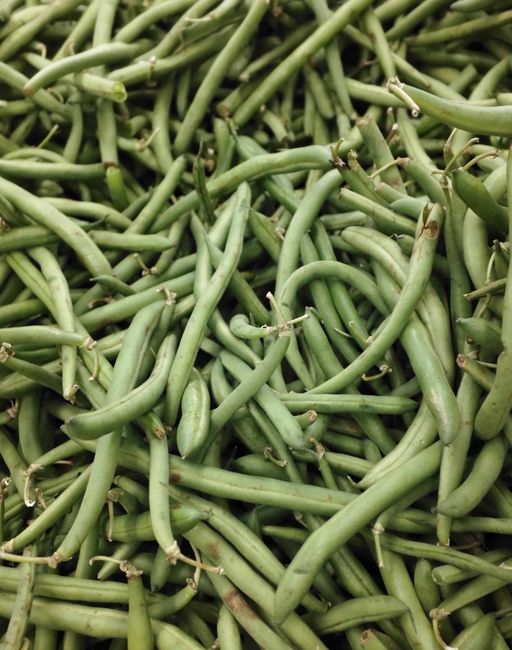
Green Beans in Cider: A Culinary Revelation – Flavor, Benefits, and Recipes
Green beans in cider represent an intriguing and flavorful culinary fusion, transforming the humble green bean into a star ingredient with a surprising depth of taste. This preparation method leverages the inherent sweetness and subtle tartness of cider to tenderize and infuse green beans with a complex, savory-sweet profile. Far from a simple steamed or boiled preparation, green beans cooked in cider offer a sophisticated side dish that pairs exceptionally well with a variety of proteins, from roasted pork and poultry to richer red meats. The technique involves simmering fresh green beans in apple cider, often with complementary aromatics like onions, garlic, and herbs, until they achieve a perfect al dente texture while absorbing the characteristic notes of the cider. This results in a dish that is both comforting and elegantly nuanced, challenging conventional notions of how this common vegetable can be prepared. The osmotic process of cooking in a liquid like cider allows for a more thorough permeation of flavors compared to dry heat methods, ensuring that each bean is imbued with the sweet and tangy essence of the apple-based beverage. This approach also contributes to a desirable mouthfeel, preventing the beans from becoming watery or flabby, a common pitfall with overcooked green beans. The inherent sugars in the cider caramelize slightly during the cooking process, adding another layer of complexity and a pleasing visual appeal. This method is not only delicious but also unlocks nutritional benefits inherent in both green beans and apple cider, making it a wholesome addition to any meal.
The nutritional powerhouse that is the green bean is elevated by its immersion in cider. Green beans, botanically classified as legumes but culinarily treated as vegetables, are an excellent source of dietary fiber, crucial for digestive health and promoting satiety. They are also packed with essential vitamins and minerals. Notably, they are a good source of Vitamin K, vital for bone health and proper blood clotting. Their vitamin C content contributes to immune function and acts as an antioxidant, combating free radical damage. Furthermore, green beans provide Vitamin A in the form of beta-carotene, which is important for vision and skin health. They also contain folate, essential for cell growth and DNA formation, and are a decent source of manganese and potassium, supporting various bodily functions. When cooked in apple cider, these nutritional benefits are not diminished. In fact, the cooking process in cider can actually enhance the bioavailability of certain nutrients. For instance, the mild acidity of the cider can aid in the breakdown of cell walls in the green beans, potentially making some nutrients more accessible for absorption. Apple cider itself, particularly unfiltered varieties, contains beneficial compounds. While the primary benefits of apple cider are often associated with its fermented form (apple cider vinegar), the unfermented cider still provides natural sugars for energy and a spectrum of vitamins and minerals from the apples. The cooking process will reduce the overall sugar content as some is used in caramelization and evaporation, but it still contributes to the overall flavor profile and nutritional complexity of the dish. The cider’s liquid medium also helps to preserve the heat-sensitive vitamins that might be lost in drier cooking methods. Therefore, green beans in cider offer a synergistic nutritional profile, combining the robust benefits of the vegetable with the subtle advantages of the fruit-based liquid.
Exploring the flavor profile of green beans in cider reveals a sophisticated interplay of tastes and textures. The foundation of this dish is the inherent sweetness of the green beans, which is amplified and complemented by the natural sugars present in apple cider. This sweetness is not cloying; rather, it is balanced by the cider’s inherent tartness and a subtle acidity that prevents the dish from becoming one-dimensional. As the green beans simmer, they absorb the complex aromatic notes of the cider, which can range from crisp and bright to mellow and fruity depending on the type of apple used. This infusion process also leads to a gentle caramelization of the sugars in both the beans and the cider, contributing a layer of rich, roasted undertones that add depth and warmth to the overall flavor. The texture is equally important; the goal is to achieve green beans that are tender but still possess a slight bite, a characteristic known as al dente. This prevents them from becoming mushy and maintains a pleasant textural contrast within the dish. The cooking liquid, reduced and infused, also forms a light glaze that coats the beans, further enhancing their flavor and visual appeal. The addition of aromatics such as finely chopped onions or shallots, minced garlic, and fresh herbs like thyme or rosemary further elevates the flavor complexity. The onions and shallots, when sautéed before the addition of cider, release their sweet, pungent notes, which meld beautifully with the apple flavor. Garlic adds a pungent depth, while herbs provide herbaceous counterpoints that cut through the richness and sweetness. This layered approach to flavor development ensures that green beans in cider are not just a simple side dish but a carefully constructed culinary creation with a harmonious balance of sweet, tart, savory, and herbaceous elements. The subtle tannins present in some ciders can also introduce a very mild astringency, adding another dimension that pairs well with richer meats.
The versatility of green beans in cider as a culinary component is a significant advantage for home cooks and professional chefs alike. This preparation method serves as an exceptional accompaniment to a wide array of main courses. For instance, its sweet and savory notes make it an ideal partner for roasted pork, its richness complementing the tender, flavorful meat. Similarly, it pairs harmoniously with poultry, such as roasted chicken or turkey, adding a touch of autumnal elegance to the plate. The dish also cuts through the richness of red meats like lamb or beef, its subtle acidity and sweetness providing a refreshing counterpoint. Beyond roasted meats, it finds a place alongside pan-seared fish, particularly heartier varieties that can stand up to its robust flavor profile. For vegetarian and vegan meals, green beans in cider can act as a substantial and flavorful side, perhaps alongside lentil loaf, stuffed portobello mushrooms, or a hearty grain pilaf. The preparation itself is relatively straightforward, making it an accessible dish for cooks of all skill levels. The primary ingredients are readily available, and the cooking process, while requiring attention to timing, is not overly complicated. This ease of preparation, coupled with its elevated flavor profile and adaptability, makes green beans in cider a valuable addition to any recipe repertoire. It can also be adapted for different dietary needs and preferences; for example, using a sugar-free apple cider or a reduced-sugar variety can cater to those mindful of their sugar intake, and omitting any butter or animal fats in the initial sautéing of aromatics can make it suitable for vegan diets. The fundamental principles of the dish remain intact, allowing for healthy and delicious variations. The appeal extends to seasonal cooking, naturally fitting into fall and winter menus due to its warm, comforting flavor profile.
Several key techniques and considerations are essential for achieving perfectly cooked green beans in cider, maximizing both flavor and texture. The selection of green beans is the first crucial step. Opt for fresh, firm beans that snap when bent; limp or bruised beans will yield an inferior texture and flavor. Trimming the ends is a standard preparation step, but it’s important to do so cleanly to avoid wasting excess vegetable matter. The type of apple cider used will significantly influence the final taste. A good quality, unfiltered apple cider will generally offer a more complex and nuanced flavor profile than a highly filtered, pasteurized, or artificially flavored variety. Consider using a cider made from a blend of apple varieties to achieve a balanced sweetness and tartness. When sautéing the aromatics, such as onions or shallots and garlic, it’s important to cook them over medium heat until they are softened and translucent, releasing their inherent sweetness without burning. Burning garlic, in particular, will impart a bitter taste. The ratio of cider to green beans is also critical. There should be enough liquid to submerge the beans partially, allowing them to simmer and absorb the flavors, but not so much that they become waterlogged. As the liquid reduces during cooking, it will concentrate the flavors and create a light glaze. Stirring the beans occasionally ensures even cooking and prevents them from sticking to the bottom of the pan. Overcooking is the most common pitfall; the goal is to achieve an al dente texture, where the beans are tender but still offer a slight resistance when bitten. This can be tested by sampling a bean during the cooking process. Adding fresh herbs towards the end of the cooking time, or as a garnish, will preserve their vibrant aroma and flavor, preventing them from becoming muted and dull. A final seasoning adjustment with salt and freshly ground black pepper is essential to balance the sweetness and enhance all the other flavors. For a richer finish, a small knob of butter or a drizzle of olive oil can be incorporated at the very end, though this is optional and depends on dietary preferences. The simmering time will vary depending on the size and freshness of the green beans, so attentive monitoring is key.
The culinary evolution of green beans in cider, while perhaps not a centuries-old tradition, represents a modern and sophisticated approach to vegetable cookery. It moves beyond the rudimentary methods of boiling or steaming, which can often result in a bland and uninspired product. By embracing the sweet and tangy characteristics of apple cider, this preparation method unlocks a new dimension of flavor for a commonly overlooked vegetable. The infusion process is akin to braising, allowing the green beans to tenderize slowly while absorbing the complex aromatics of the cider and any accompanying seasonings. This technique is rooted in the principle of building flavor through slow cooking in a flavorful liquid, a technique employed across many global cuisines. The use of cider specifically taps into the historical and cultural significance of apples in many regions, particularly in temperate climates where apple orchards are prevalent. It can be seen as an extension of traditional practices of preserving fruits and vegetables, with cider acting as a natural flavoring agent. The concept of pairing fruits with savory ingredients is also well-established in many culinary traditions, from duck à l’orange to pork with apple sauce. Green beans in cider elegantly bridges this gap, integrating the fruitiness of cider directly into the vegetable preparation. The dish’s appeal lies in its ability to transform the ordinary into the extraordinary, elevating a humble vegetable into a dish worthy of special occasions. Its adaptability to various flavor additions and its inherent health benefits further contribute to its growing popularity. As consumers increasingly seek out innovative and flavorful ways to incorporate vegetables into their diets, preparations like green beans in cider offer a compelling solution, proving that even the simplest ingredients can yield remarkable culinary results with a thoughtful approach to cooking. The emphasis on fresh, seasonal ingredients, which is a hallmark of contemporary cooking, also lends itself well to this preparation, as the quality of both the green beans and the cider directly impacts the final outcome. This method is a testament to the power of simple ingredients and smart cooking techniques to create something truly memorable.
