
Orange Chocolate Chip Cookies
The Ultimate Guide to Orange Chocolate Chip Cookies: Flavor, Variations, and Perfecting the Bake
Orange chocolate chip cookies represent a delightful fusion of classic comfort and vibrant citrus. The inherent sweetness of chocolate chips, a staple in any well-loved cookie recipe, finds an unexpected yet harmonious partner in the zesty tang of orange. This combination transcends the ordinary, offering a sophisticated flavor profile that appeals to both seasoned bakers and adventurous eaters. The bright, fragrant notes of orange complement the rich, sometimes slightly bitter, chocolate, creating a multi-layered taste experience that is both refreshing and indulgent. Unlike a purely sweet cookie, the citrus element provides a balancing acidity, preventing the overall flavor from becoming cloying. This article delves into the core components of an exceptional orange chocolate chip cookie, explores various flavor enhancements and textural considerations, and provides actionable advice for achieving bakery-quality results at home. Understanding the interplay of ingredients, mastering the baking process, and exploring creative variations are key to unlocking the full potential of this delightful cookie.
The fundamental building blocks of any successful cookie, including orange chocolate chip varieties, are the core ingredients: flour, fat, sugar, eggs, leavening agents, and flavorings. For orange chocolate chip cookies, the choice and preparation of these elements are crucial. All-purpose flour provides the necessary structure. A slight variation in protein content can affect chewiness; lower protein flour (cake flour) might lead to a more tender cookie, while higher protein flour (bread flour) could result in a chewier texture. For this specific recipe, all-purpose flour strikes a good balance. The fat, typically butter, contributes to richness, tenderness, and spread. Unsalted butter is preferred to control the salt content precisely. Softened butter, not melted, is essential for creaming with sugar, which incorporates air and contributes to a lighter texture. Sugar, a blend of granulated and brown sugar, is vital for sweetness, browning, and moisture. Granulated sugar promotes crispness, while brown sugar, with its molasses content, adds chewiness and a deeper caramel note. The ratio of these sugars can be adjusted to fine-tune the cookie’s texture. Eggs bind the ingredients, add richness, and contribute to leavening when whipped. For a standard batch, one or two large eggs usually suffice.
The leavening agents, baking soda and/or baking powder, are responsible for the cookie’s rise and spread. Baking soda, an alkali, reacts with acidic ingredients (like brown sugar or the orange zest/juice) to produce carbon dioxide gas, causing the cookie to spread and brown. Baking powder contains both an acid and a base, producing leavening upon contact with liquid and then again with heat. A combination of both is often used for optimal lift and texture. Now, for the stars of this specific cookie: the orange and the chocolate. Fresh orange zest is paramount. It imparts a pure, aromatic orange flavor without adding excess liquid. The zest, the brightly colored outer layer of the orange peel, contains the essential oils responsible for the characteristic citrus aroma and taste. Grating the zest finely ensures even distribution throughout the cookie dough. Freshly squeezed orange juice can be incorporated for a more intense orange flavor and a slightly tangier profile, but care must be taken to balance its moisture content. Too much juice can lead to a cakey or flat cookie. The type of chocolate chip is equally important. Semi-sweet chocolate chips are a classic choice, offering a good balance of sweetness and cocoa intensity. Dark chocolate chips provide a more robust, less sweet flavor that stands up well to the orange. White chocolate, while sweeter, can also be used for a creamier, milder contrast. Even a blend of different chocolate types can add complexity.
To achieve optimal flavor and texture, precise ingredient ratios and preparation methods are non-negotiable. A common ratio for a well-balanced cookie dough often involves a 1:1 ratio of butter to sugar (by weight), with flour and eggs adjusted accordingly. For orange chocolate chip cookies, consider the following foundational recipe framework: 1 cup (2 sticks) unsalted butter, softened; 3/4 cup granulated sugar; 3/4 cup packed light brown sugar; 2 large eggs; 1 teaspoon vanilla extract; zest of 1-2 large oranges (about 2-3 tablespoons); 2 1/4 cups all-purpose flour; 1 teaspoon baking soda; 1/2 teaspoon salt; 1 cup semi-sweet chocolate chips. Creaming the softened butter with the granulated and brown sugars until light and fluffy is a critical first step. This process, often taking 3-5 minutes with an electric mixer, incorporates air, which contributes to the cookie’s leavening and tender crumb. Beat in the eggs one at a time, ensuring each is fully incorporated before adding the next. Stir in the vanilla extract and the orange zest. In a separate bowl, whisk together the flour, baking soda, and salt to ensure even distribution of the leavening agent and salt. Gradually add the dry ingredients to the wet ingredients, mixing on low speed until just combined. Overmixing can develop the gluten in the flour, leading to tough cookies. Finally, fold in the chocolate chips.
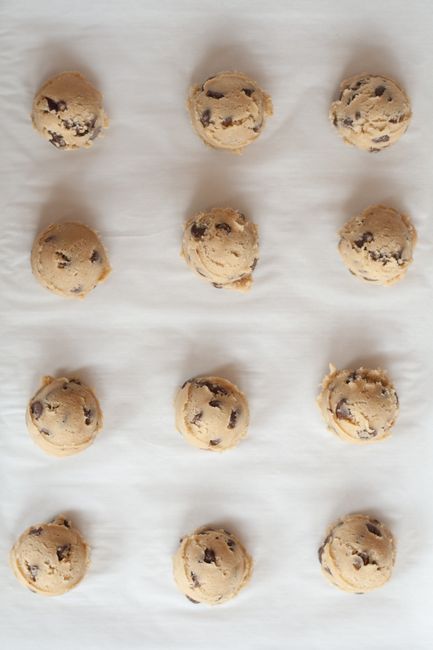
Chilling the dough is a crucial, yet often overlooked, step for achieving superior orange chocolate chip cookies. Refrigerating the dough for at least 30 minutes, and ideally 2-24 hours, allows the fats to solidify, preventing excessive spreading during baking. This also allows the flavors to meld and deepen, resulting in a more complex taste. When ready to bake, preheat your oven to 375°F (190°C). Line baking sheets with parchment paper to prevent sticking and ensure even browning. Scoop rounded tablespoons of dough onto the prepared baking sheets, leaving about 2 inches between each cookie to allow for spread. Bake for 9-12 minutes, or until the edges are golden brown and the centers are still slightly soft. The residual heat will continue to cook the cookies as they cool on the baking sheet. For a chewier cookie, underbake slightly; for a crisper cookie, bake a minute or two longer. Allow the cookies to cool on the baking sheet for 5 minutes before transferring them to a wire rack to cool completely. This allows them to firm up without breaking.
The magic of orange chocolate chip cookies lies in their inherent versatility and the numerous avenues for flavor enhancement and textural modification. Beyond the basic recipe, consider incorporating other citrus elements. A splash of freshly squeezed orange juice, approximately 1-2 tablespoons, can intensify the orange flavor and add a pleasant tang. However, this requires careful adjustment of other liquid ingredients to avoid a gummy texture. A touch of orange extract, used sparingly (1/4 to 1/2 teaspoon), can amplify the orange notes without adding significant liquid or pulp. Be cautious, as artificial orange extract can sometimes taste medicinal. For a deeper, more complex flavor profile, consider infusing the butter with orange. Gently heat butter with orange peels (avoiding the white pith) until fragrant, then strain and use the infused butter in the recipe. This method imbues a subtle, sophisticated orange essence.
The chocolate component also offers a spectrum of possibilities. Instead of standard chocolate chips, opt for chunks of high-quality dark, milk, or white chocolate. These melt more luxuriously, creating pools of chocolate throughout the cookie. A blend of different chocolate types can provide a dynamic flavor experience. For instance, semi-sweet chips paired with white chocolate chunks offer a pleasing contrast. Consider adding a pinch of cinnamon or cardamom to the dry ingredients. These warm spices can surprisingly complement the bright citrus and rich chocolate, adding a layer of autumnal or wintery complexity to the cookie. A touch of sea salt sprinkled on top of the cookies immediately after baking not only enhances the sweetness of the chocolate but also provides a delightful textural contrast and a sophisticated flavor counterpoint to the orange.
Texture can be significantly influenced by ingredient choices and baking techniques. For chewier cookies, increase the brown sugar to granulated sugar ratio and reduce the baking time, ensuring the cookies are removed from the oven when the edges are set but the centers are still soft. A higher proportion of eggs can also contribute to chewiness. For crisper cookies, increase the granulated sugar to brown sugar ratio and bake for slightly longer, until the edges are deeply golden. Substituting some of the all-purpose flour with bread flour can introduce more gluten, leading to a chewier cookie. Conversely, using cake flour can result in a more tender and delicate cookie. The chilling time of the dough plays a significant role in spread; longer chilling times lead to less spread and a thicker cookie. For a thinner, crispier cookie, omit the chilling step or bake the dough at a slightly higher temperature for a shorter duration.
Presentation and finishing touches can elevate orange chocolate chip cookies from homemade treats to artisanal delights. Before baking, pressing a few extra chocolate chips onto the tops of the dough balls ensures that the cookies appear generously studded with chocolate once baked. A light dusting of powdered sugar after cooling can add a touch of elegance and a subtle sweetness. For a truly indulgent experience, consider dipping the cooled cookies in a thin orange glaze made from powdered sugar and a small amount of orange juice. For a more robust flavor and visual appeal, incorporate dried orange pieces or candied orange peel into the dough or sprinkle them on top before baking.
Troubleshooting common baking issues is an integral part of perfecting any cookie recipe. If your orange chocolate chip cookies are spreading too much, common culprits include: too much sugar or butter, an oven temperature that is too low, or insufficient chilling of the dough. Conversely, if your cookies are not spreading enough, it could be due to too much flour, an oven temperature that is too high, or overworked dough. Flat, cakey cookies can result from too much liquid (from orange juice), overmixing the dough, or using melted butter instead of softened butter. Dry, crumbly cookies often stem from too much flour, overbaking, or insufficient fat. For cookies that taste bland, ensure you are using fresh orange zest and consider adding a pinch of extra salt. Overpowering orange flavor can be mitigated by reducing the amount of zest or juice in future batches and ensuring the chocolate is of good quality to provide a counterpoint. The key to consistently excellent orange chocolate chip cookies lies in understanding the function of each ingredient, mastering the techniques, and being willing to experiment and adapt based on your preferred flavor and texture profile. By paying attention to the details, from the freshness of the zest to the exact moment of removal from the oven, you can consistently create these delightful citrus-infused chocolate chip cookies that are sure to impress.
