
Guinness And Chocolate Cheesecake 3
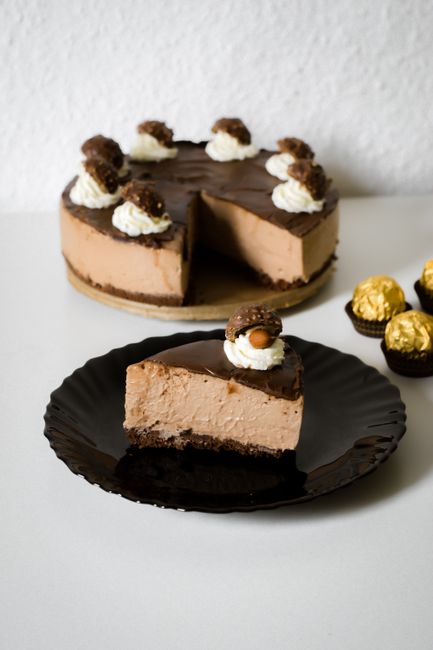
Guinness and Chocolate Cheesecake: A Decadent Fusion of Flavors
The allure of a rich, creamy cheesecake is undeniable, but when infused with the dark, malty depths of Guinness stout and the intense sweetness of dark chocolate, it transcends mere dessert and becomes an experience. This Guinness and Chocolate Cheesecake recipe is a testament to the power of unexpected pairings, creating a flavor profile that is both sophisticated and utterly comforting. The stout not only lends a subtle bitterness and complex roasted notes but also contributes a moistness and a unique character that distinguishes it from any ordinary chocolate cheesecake. The dark chocolate, meanwhile, provides the essential backbone of sweetness and a velvety texture, forming a harmonious dance with the stout’s inherent qualities. This is not just a dessert; it’s a celebration of bold flavors and indulgent textures, perfect for special occasions or simply for treating yourself to something truly extraordinary.
The foundation of any exceptional cheesecake lies in its crust, and for this Guinness and Chocolate iteration, a dark chocolate cookie crust is the ideal canvas. Crushed chocolate sandwich cookies, such as Oreos, provide an intense chocolate flavor and a satisfyingly crumbly texture. The key to a great cookie crust is the right binder, and melted butter is the undisputed champion. It coats the cookie crumbs, allowing them to hold their shape when pressed into the pan, and ensures a crisp, firm base once baked. A touch of sugar can be added to enhance sweetness, though the cookies themselves are already quite sweet, so it’s a matter of personal preference. For an extra layer of flavor, consider adding a pinch of salt to the cookie crumbs; it acts as a flavor enhancer, balancing the sweetness and bringing out the deeper notes of the chocolate. Pressing the crust evenly into the bottom and up the sides of a springform pan is crucial for a professional-looking finish and ensures that the filling is contained and bakes uniformly. A blind bake for about 10 minutes prior to adding the filling helps to set the crust and prevent it from becoming soggy, a common pitfall for cheesecakes.
The heart of this dessert, the cheesecake filling, is where the magic of Guinness and chocolate truly comes alive. The base of any classic cheesecake is cream cheese, and using full-fat, brick-style cream cheese is non-negotiable for achieving the desired creamy, dense texture. Softened cream cheese is essential for a smooth, lump-free filling. Overmixing, however, can incorporate too much air, leading to cracking during baking. The incorporation of sugar provides the necessary sweetness to balance the bitterness of the Guinness and dark chocolate. Eggs are the binders, providing structure and richness. They should be added one at a time and mixed in just until combined, again to avoid overmixing. The star ingredients, Guinness stout and dark chocolate, are introduced next. The Guinness, reduced to a concentrate, intensifies its flavor without adding excessive liquid. This reduction process is key; simmering the stout on low heat until it has thickened and its volume has significantly decreased concentrates its malty, roasted character, making it a potent flavor enhancer. Dark chocolate, melted and cooled slightly, adds depth and richness. Using a good quality dark chocolate, with a cacao percentage of 60-70%, strikes a balance between intense chocolate flavor and sweetness. The combination of these two powerful ingredients creates a filling that is both complex and incredibly satisfying. A touch of vanilla extract enhances the overall flavor profile, and a pinch of salt, as mentioned before, amplifies the chocolate and Guinness notes.
Achieving a perfectly baked cheesecake requires patience and a gentle approach. The water bath, or bain-marie, is the secret weapon for ensuring even baking and preventing cracks. Wrapping the springform pan tightly in foil to prevent water from seeping in is a crucial preparatory step. Placing the wrapped pan in a larger roasting pan and filling the roasting pan with hot water halfway up the sides of the springform pan creates a humid, steamy environment. This controlled heat allows the cheesecake to cook gently and evenly, minimizing the risk of overcooking the edges while leaving the center underdone. The oven temperature should be moderate, typically around 325°F (160°C). Baking time will vary depending on the oven and the size of the cheesecake, but it’s usually around 60-80 minutes. The cheesecake is done when the edges are set and slightly puffed, but the center still has a slight wobble. This residual wobble is important, as the cheesecake will continue to set as it cools.
The cooling process is just as critical as the baking for a flawless cheesecake. Once baked, the oven door should be slightly ajar, and the cheesecake should be left to cool in the oven for about an hour. This gradual cooling prevents sudden temperature changes that can cause cracks. After the initial cooling period in the oven, remove the cheesecake from the water bath and let it cool completely on a wire rack at room temperature. Once cooled to room temperature, the cheesecake needs to chill in the refrigerator for at least 6 hours, preferably overnight. This chilling period is essential for the flavors to meld and for the cheesecake to firm up to its characteristic dense, creamy texture. Trying to slice into a warm cheesecake will result in a messy, unappealing presentation. Patience during the chilling phase is paramount.
The crowning glory of this Guinness and Chocolate Cheesecake is its luscious topping, which further amplifies the decadent flavors. A rich chocolate ganache is the perfect complement, providing a smooth, glossy finish and an intense chocolate punch. The ganache is surprisingly simple to make, requiring only two ingredients: good quality dark chocolate and heavy cream. The ratio of chocolate to cream can be adjusted to achieve the desired consistency. For a pourable ganache, a 1:1 ratio by weight is common. For a thicker, more spreadable ganache, use more chocolate than cream. Gently heating the heavy cream until it just begins to simmer, then pouring it over chopped dark chocolate, allows the chocolate to melt slowly and evenly. Stirring until smooth and glossy creates the luxurious ganache. A touch of Guinness can be whisked into the ganache for an extra layer of complexity, further tying the topping to the cheesecake’s core flavors. Allowing the ganache to cool slightly before pouring it over the chilled cheesecake ensures it sets up beautifully without melting the cheesecake itself. The ganache can be poured over the entire cheesecake, allowing it to drip artfully down the sides, or spread smoothly across the top.
For an extra flourish and an even more intense Guinness and chocolate experience, consider adding a Guinness whipped cream or a chocolate drizzle as a garnish. Whipping heavy cream with a touch of powdered sugar and a splash of Guinness can create a light, airy topping that offers a delightful contrast to the dense cheesecake. Alternatively, a simple drizzle of melted dark chocolate can add visual appeal and an additional layer of chocolate flavor. Edible chocolate shavings or a dusting of cocoa powder can also elevate the presentation.
The flavor profile of a Guinness and Chocolate Cheesecake is remarkably complex and nuanced. The inherent bitterness and roasted notes of the Guinness stout are beautifully balanced by the sweetness of the chocolate and the creamy richness of the cheesecake filling. The malty undertones of the stout add a depth that is often missing in traditional chocolate cheesecakes. The dark chocolate provides an intense, almost brooding chocolate flavor, which is then softened and enriched by the creamy texture of the cheesecake. The contrast between the slightly bitter stout and the sweet chocolate is what makes this dessert so compelling. It’s a sophisticated balance of sweet, bitter, and creamy, with subtle notes of roasted malt and deep chocolate that linger on the palate.
The versatility of this Guinness and Chocolate Cheesecake makes it a standout dessert for various occasions. It’s an ideal choice for holiday celebrations, birthday parties, or as a show-stopping dessert for dinner parties. Its rich and indulgent nature makes it perfect for a romantic dessert for two, and its unique flavor profile is sure to impress even the most discerning palates. It pairs exceptionally well with a glass of Guinness stout, allowing diners to experience the synergistic flavors. However, it also complements other beverages, such as a rich red wine or a robust coffee. The key is to allow the cheesecake to be the star, so when considering beverage pairings, opt for drinks that will enhance, rather than compete with, its complex flavor.
In terms of SEO, incorporating keywords naturally throughout the article is crucial. Terms like "Guinness cheesecake," "chocolate cheesecake," "stout cheesecake," "decadent dessert," "easy cheesecake recipe," "no-bake cheesecake" (if applicable, though this recipe is baked), "rich chocolate ganache," "water bath cheesecake," and "best cheesecake recipe" should be woven into the narrative. High-quality images of the finished cheesecake would also significantly enhance its online appeal and shareability. The structure of the article, with clear headings and subheadings (even if not explicitly denoted by H tags in this format, the distinct paragraphs serve a similar purpose), makes it easy for readers and search engines to digest the information. The emphasis on the unique flavor combination and the step-by-step breakdown of the recipe caters to both those seeking a specific culinary experience and those looking to replicate it. The detailed explanation of the baking and cooling process addresses common concerns and provides valuable insights, further optimizing the content for search. The inclusion of garnish and pairing suggestions adds further value and expands the keyword reach. The overarching theme of "decadent fusion" and "bold flavors" provides a strong narrative anchor that can be leveraged in meta descriptions and titles. The focus on the "why" behind each step, such as the purpose of the water bath or the reduction of Guinness, adds an educational element that can attract a wider audience searching for more than just a recipe.
