
Seoul Police Chief Halloween Crush
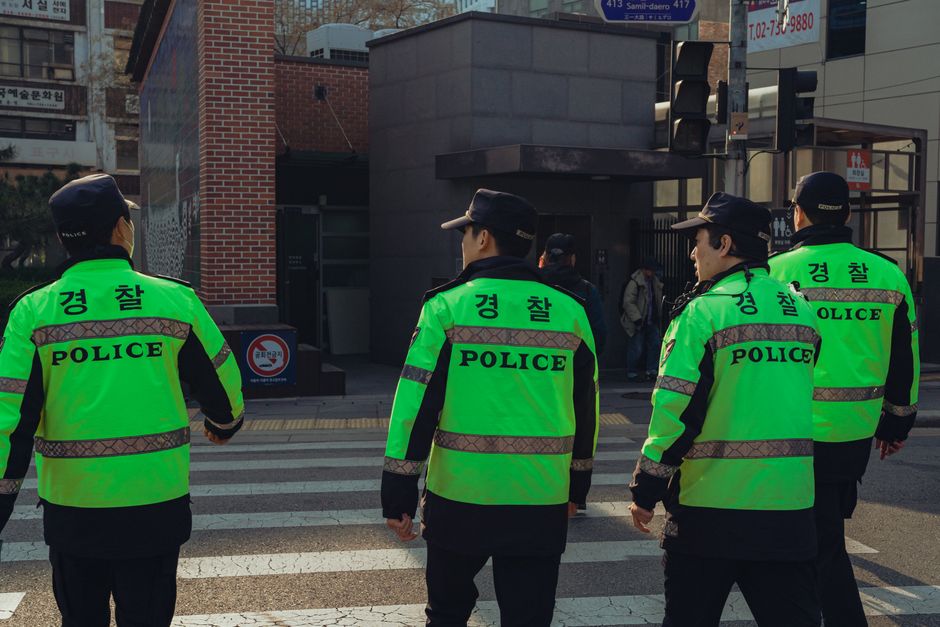
Seoul Police Chief Halloween Crush: Examining a Controversial Incident
The Seoul Metropolitan Police Agency, a cornerstone of public safety and order in South Korea’s bustling capital, found itself unexpectedly at the center of a national conversation following the tragic crowd crush that occurred on Halloween night, October 29, 2022, in the Itaewon district. While official investigations are ongoing and have focused on identifying accountability for the catastrophic loss of life, the term "Seoul Police Chief Halloween Crush" has become synonymous with the event itself and the ensuing public scrutiny of the police force’s preparedness, response, and alleged shortcomings. This article delves into the circumstances leading up to the incident, the immediate aftermath, the subsequent investigations, and the broader implications for public safety management and police accountability in South Korea.
The Itaewon district, renowned for its vibrant nightlife and international atmosphere, attracts massive crowds, particularly on festive occasions like Halloween. On that fateful night, an unprecedented surge of people, estimated to be over 100,000, converged on a narrow, sloped alleyway. Witnesses and survivors have described a terrifying scenario of being trapped, unable to move, and ultimately crushed by the sheer weight of the crowd. The lack of adequate crowd control measures, insufficient personnel, and a seemingly reactive rather than proactive approach by authorities have been heavily criticized. The Seoul Police Chief, as the highest-ranking official responsible for policing the capital, inevitably became a focal point of this criticism, with the public demanding answers and accountability for the preventable tragedy.
Initial reports and survivor testimonies painted a grim picture of disorganization and a delayed response. Many recounted attempts to alert authorities about the dangerous overcrowding and the escalating crush, only to be met with dismissiveness or an apparent inability to grasp the severity of the situation. The lack of designated crowd management plans for such large-scale events in a notoriously tight space like the Itaewon alleyway was a glaring oversight. The question of whether the Seoul Police, under the leadership of the Chief, had adequately assessed the risks associated with the predicted crowd size and implemented appropriate preventative measures became a central theme of the public discourse and subsequent investigations.
The aftermath of the Itaewon crowd crush was marked by shock, grief, and widespread outrage. The sheer number of fatalities, predominantly young people, sent ripples of sorrow across the nation. Families of the victims, alongside a concerned public, called for a thorough and transparent investigation to ascertain the exact causes of the disaster and to ensure that such a tragedy would never be repeated. The role and responsibility of various government agencies, including the police, were placed under intense scrutiny. The "Seoul Police Chief Halloween Crush" narrative gained traction as the public sought to understand how the city’s primary law enforcement body could have failed to prevent or effectively manage such a catastrophic event.
Multiple investigations were launched in the wake of the incident. These included internal police reviews, a special investigation team formed by the National Police Agency, and a parliamentary inquiry. The investigations aimed to determine whether negligence, dereliction of duty, or any other form of misconduct contributed to the high casualty count. Key areas of focus included the adequacy of pre-event risk assessments, the deployment of police and emergency personnel, the communication protocols between different agencies, and the actual response to early warnings of the developing crisis. The actions, or inactions, of individual officers and supervisors, as well as the strategic decisions made at higher levels of command, including the Seoul Police Chief’s office, were meticulously examined.
Specific allegations that emerged during these investigations included a reported lack of sufficient police presence in the critical area, a failure to implement proper crowd dispersal strategies, and a potential underestimation of the crowd density. The effectiveness of the emergency call system and the responsiveness to reports of distress were also put under the microscope. The term "Seoul Police Chief Halloween Crush" became shorthand for the collective failure that allowed the disaster to unfold, implying a systemic breakdown in the city’s safety apparatus, with the Chief bearing ultimate responsibility for the operational effectiveness of the police force.
As the investigations progressed, several high-ranking police officials, including commanders responsible for the Itaewon district and those involved in event planning and crowd management, faced disciplinary actions and even arrests. The pressure mounted for accountability at the highest levels, inevitably drawing attention to the Seoul Police Chief. While the Chief themselves was not immediately implicated in direct operational failures on the night, the principle of command responsibility meant that their leadership was questioned. The effectiveness of their oversight, their ability to foster a culture of preparedness, and their strategies for managing large-scale public events were all subject to intense debate and criticism.
The parliamentary inquiry, in particular, provided a platform for public airing of grievances and a more direct examination of the decisions made by officials. Survivors and victims’ families had opportunities to share their harrowing experiences and to demand that those responsible be held accountable. The investigations sought to answer critical questions such as: Were there adequate protocols in place for managing extremely large crowds in a dense urban environment? Were these protocols effectively communicated and implemented? What were the specific failures in communication and coordination between the police, the district office, and other relevant authorities? The "Seoul Police Chief Halloween Crush" discourse extended beyond individual culpability to encompass systemic issues within the policing and public safety framework.
The broader implications of the Seoul Police Chief Halloween Crush incident are significant. It has sparked a national conversation about the importance of robust crowd management strategies, particularly for events that are known to attract massive gatherings. The incident has highlighted the need for more proactive risk assessment, better inter-agency cooperation, and a clearer chain of command in emergency situations. It has also reignited debates about police accountability and the importance of ensuring that law enforcement agencies are adequately trained and equipped to handle diverse and challenging public safety scenarios.
Furthermore, the Itaewon tragedy has underscored the vulnerability of densely populated urban areas to crowd-related disasters. The specific geography of the Itaewon alleyway, with its narrowness and slope, undoubtedly exacerbated the situation, but the fundamental issue of managing overwhelming numbers of people remains a critical concern for any major city. The "Seoul Police Chief Halloween Crush" narrative serves as a stark reminder that public safety is a complex, multi-faceted responsibility that requires constant vigilance, preparedness, and a willingness to adapt to evolving challenges.
The investigations into the Itaewon crowd crush are likely to continue for some time, with the ultimate findings and any subsequent legal proceedings shaping the future of public safety management in South Korea. The term "Seoul Police Chief Halloween Crush" will likely remain etched in the public consciousness as a symbol of a preventable tragedy and a catalyst for demanding greater accountability and improved safety measures from all those entrusted with public welfare. The lessons learned from this devastating event are crucial for preventing future occurrences and for ensuring that the lives lost are not in vain, but rather serve as a powerful impetus for systemic change and a renewed commitment to public safety. The ongoing scrutiny of the police, particularly the leadership of the Seoul Police Chief, will continue to be a focal point as South Korea grapples with the aftermath of this profound national trauma and seeks to rebuild trust and confidence in its public safety institutions. The long-term impact of the "Seoul Police Chief Halloween Crush" will be measured not only by the official findings of investigations but also by the concrete changes implemented to safeguard citizens at future public gatherings.
