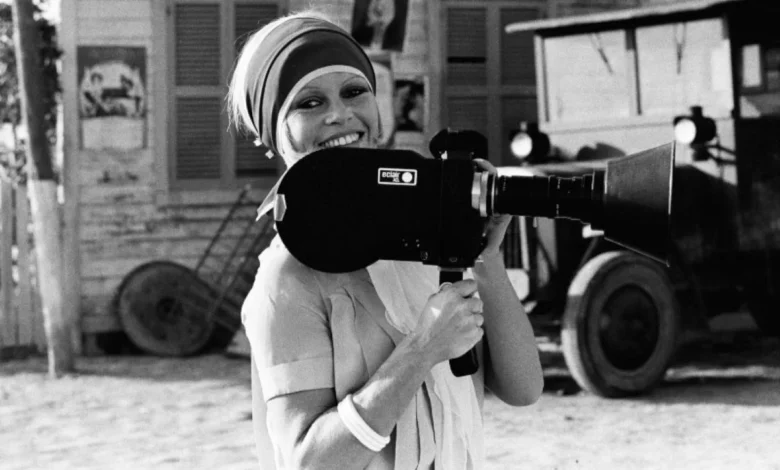
PARIS – Brigitte Bardot, the legendary French actress whose bombshell image and provocative roles defined an era and who later became a fierce advocate for animal rights, has died at the age of 91. The news was confirmed by her eponymous foundation, which announced her passing with profound sorrow. Bardot died on Sunday, December 28th, at her home in La Madrague, Saint-Tropez, a picturesque coastal town in the south of France. In the months preceding her death, she had been largely absent from public view, having undergone medical treatment at a hospital in Toulon.
Born Brigitte Anne-Marie Bardot on September 28, 1934, in Paris, she rose to international stardom in the 1950s, becoming a global sex symbol and a significant cultural force. Her striking beauty, unconventional persona, and liberated spirit captured the imagination of audiences worldwide, earning her the moniker "B.B." and cementing her status as a pop culture icon.
A Career That Defined an Era
Bardot’s journey into the limelight began at a young age. Growing up in a bourgeois Parisian family, she displayed an early aptitude for the arts, particularly dance and music. Her path took a decisive turn when, at just 15 years old, she graced the cover of Elle magazine. This pivotal moment opened the doors to the world of cinema, and by 1952, Bardot had made her acting debut. Her career soon blossomed, transcending French borders and reaching Hollywood.
Her international breakthrough arrived with the 1956 film "And God Created Woman" (Et Dieu… créa la femme), directed by Roger Vadim, who was also her husband at the time. The film was a critical and commercial success, though it also courted controversy due to its daring and sensual portrayal of female sexuality. Bardot’s character, Juliette Hardy, embodied a free-spirited woman whose uninhibited nature challenged the societal norms of the era. This role, in particular, positioned Bardot as a symbol of female emancipation and sexual liberation, a concept later explored by philosopher Simone de Beauvoir, who saw Bardot as representing a form of "absolute freedom."
Throughout her prolific acting career, Bardot starred in a diverse array of films that showcased her versatility and enduring appeal. Her filmography includes notable titles such as:
- "Le Trou Normand" (1952)
- "Love Is My Profession" (Les Amants de Montparnasse, 1959)
- "Contempt" (Le Mépris, 1963), a seminal work by Jean-Luc Godard.
- "Viva Maria!" (1965)
- "The Women" (1969)
- "Les Novices" (1970)
While many of her prominent film roles were in the mid to late 20th century, her presence in cinema continued to be felt, with later appearances in documentaries and biographical works, including "Maria by Calls" (2017) and the anticipated biographical film "Bardot" (2025).
Beyond her cinematic achievements, Bardot became a global fashion icon. Her signature style – characterized by naturally tousled blonde hair, a penchant for off-the-shoulder dresses, and a confident allure – launched trends that continue to be celebrated. The "Bardot neckline," a style that exposes the shoulders, remains a timeless testament to her influence on fashion.
A Profound Shift: Dedication to Animal Welfare
At the zenith of her fame, at the age of 39, Bardot made a profound decision to step away from her glittering acting career. She chose to dedicate her life and considerable energy to the cause of animal rights. This dramatic shift marked the beginning of her second, equally impactful, public life.
Her activism focused on a range of critical issues, including campaigning against the hunting of seals, protesting the use of animals in laboratory experiments, and opposing the sending of animals into space. Bardot became a vocal and often uncompromising champion for the voiceless, utilizing her global platform to raise awareness and advocate for legislative changes.
The Brigitte Bardot Foundation, established by the actress herself, became the central vehicle for her animal welfare efforts. Through this organization, she tirelessly worked to promote the protection of animals worldwide. Her advocacy was not without its challenges; Bardot often faced controversy and sharp criticism, with accusations of racism and homophobia surfacing at various points, which sometimes cast a shadow over her public image. Despite these criticisms, her commitment to animal welfare remained unwavering.
Her dedication to this cause was recognized with prestigious honors, including France’s highest civilian award, the "Légion d’honneur." For Bardot, her profound love for animals became the guiding principle of a life she considered to be her most free and meaningful.
A Legacy of Influence and Controversy
The passing of Brigitte Bardot leaves a void in both the world of cinema and the realm of animal advocacy. Her life story is one of remarkable transformation, from a captivating film star to a tireless humanitarian. Her influence on 20th-century cinema and popular culture is undeniable, shaping perceptions of beauty, freedom, and female identity.
The Brigitte Bardot Foundation, in its official statement, conveyed its deep grief: "The Brigitte Bardot Foundation, with profound sadness, announces the passing of our founder and president, Madame Brigitte Bardot. She was a world-renowned actress and singer who chose to leave her brilliant career to dedicate her life and energy to the welfare of animals through her foundation." This sentiment highlights the dual legacy Bardot leaves behind – one as a cinematic icon and the other as a passionate defender of animal rights.
Her life, however, was not without its complexities. Bardot’s outspoken nature and controversial statements, particularly in her later years, led to significant debate and criticism. These aspects of her public persona are often intertwined with her more widely celebrated achievements, creating a multifaceted and often debated legacy.
Yet, her impact on societal norms and her pioneering role in bringing animal welfare issues to the forefront of public consciousness are enduring. Her ability to transcend the boundaries of entertainment to become a powerful voice for a cause she deeply believed in underscores her unique place in cultural history.
Brigitte Bardot’s journey from the silver screen to the front lines of animal activism serves as a powerful narrative of a life lived with passion and purpose. Her passing at 91 marks the end of an era, but her influence on cinema, fashion, and the global conversation around animal rights will undoubtedly continue to resonate.
Timeline of Brigitte Bardot’s Life and Career
1934: Born Brigitte Anne-Marie Bardot on September 28 in Paris, France.
1949: Appears on the cover of Elle magazine at age 15, marking her entry into the public eye.
1952: Makes her acting debut in "Le Trou Normand."
1956: Achieves international stardom with the release of "And God Created Woman," directed by Roger Vadim.
1950s-1970s: Stars in numerous successful films, solidifying her status as a global icon and sex symbol. Notable films include "Love Is My Profession" (1959), "Contempt" (1963), and "Viva Maria!" (1965).
1973: At age 39, announces her retirement from acting to dedicate her life to animal rights.
1986: Founds the Brigitte Bardot Foundation to advocate for animal welfare.
Ongoing: Becomes a prominent and often controversial activist for animal protection, campaigning against various forms of animal cruelty.
Late 2024: Reports indicate she had been undergoing medical treatment in Toulon.
December 28, 2024: Dies at her home in La Madrague, Saint-Tropez, at the age of 91.
Reactions and Wider Impact
The news of Brigitte Bardot’s death has elicited widespread reactions from across the globe. Tributes have poured in from figures in the arts, politics, and the animal rights community. French President Emmanuel Macron, in a statement, acknowledged her as a "timeless icon" and a "passionate defender of animals." Similar sentiments have been echoed by international celebrities and organizations dedicated to animal welfare, who have lauded her lifelong commitment to the cause.
The implications of Bardot’s passing extend beyond mere remembrance. Her legacy serves as a powerful reminder of the potential for individuals to leverage fame for social impact. The Brigitte Bardot Foundation, which she steered for decades, continues its vital work, and her passing is likely to galvanize further support for its mission. The complexities of her life and advocacy also invite ongoing discussion about celebrity activism, public discourse, and the challenges of navigating controversial stances while championing important causes. Her life story, in its entirety, remains a compelling subject for analysis and reflection on the evolving role of public figures in society.