
Fossil Fuel Ban Climate
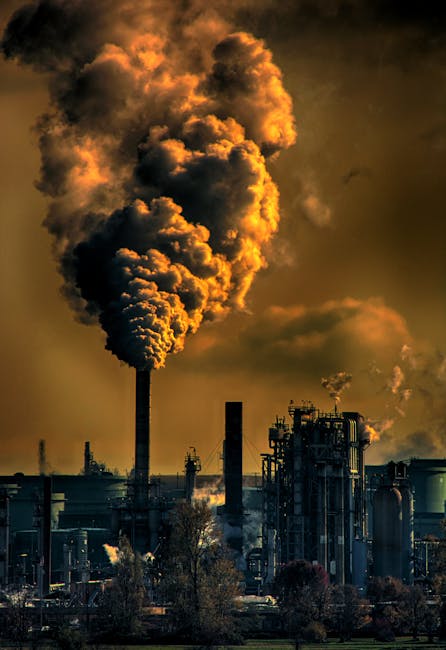
The Imperative of a Fossil Fuel Ban: Confronting Climate Change
The scientific consensus is unequivocal: the burning of fossil fuels—coal, oil, and natural gas—is the primary driver of anthropogenic climate change. This has led to a growing global imperative for a comprehensive ban on fossil fuel extraction, production, and consumption. Such a ban is not merely an environmental policy; it is an economic, social, and existential necessity to avert catastrophic warming and its cascading consequences. The Intergovernmental Panel on Climate Change (IPCC) reports consistently detail the accelerating pace of global temperature rise, directly correlated with greenhouse gas emissions, predominantly carbon dioxide and methane released from fossil fuel combustion. These emissions trap heat in the atmosphere, leading to a spectrum of severe impacts including more frequent and intense heatwaves, altered precipitation patterns, sea-level rise, ocean acidification, and extreme weather events such as hurricanes, droughts, and floods. The economic costs associated with these disasters are already substantial and projected to escalate dramatically, impacting infrastructure, agriculture, water resources, and human health. Transitioning away from fossil fuels is therefore not a choice but a critical intervention required to secure a habitable planet for current and future generations.
The economic arguments against a rapid fossil fuel ban often center on potential job losses in traditional energy sectors and the perceived disruption to established industries. However, this perspective fails to account for the burgeoning opportunities within the renewable energy sector and the long-term economic benefits of mitigating climate change. The transition to clean energy sources like solar, wind, geothermal, and hydropower is already creating millions of jobs globally. These “green jobs” span manufacturing, installation, maintenance, research and development, and grid modernization. Furthermore, investing in renewable energy infrastructure stimulates innovation and technological advancement, fostering new economic sectors and export markets. Conversely, the economic risks of inaction on climate change are immense. The increasing frequency and severity of extreme weather events lead to billions of dollars in damages, disrupt supply chains, and necessitate costly adaptation measures. The long-term costs of climate change, including widespread displacement, resource scarcity, and geopolitical instability, far outweigh the short-term investment required for a fossil fuel ban and subsequent transition. Moreover, fossil fuel price volatility, often exacerbated by geopolitical factors, creates economic uncertainty for businesses and consumers alike, whereas the operational costs of renewable energy sources are largely predictable once infrastructure is in place.
The social implications of a fossil fuel ban are profound and necessitate careful planning and equitable implementation. Historically, fossil fuel extraction and combustion have disproportionately impacted marginalized communities, leading to environmental injustices characterized by localized pollution, health disparities, and economic vulnerability. A just transition framework is therefore essential to ensure that the shift away from fossil fuels does not exacerbate these existing inequalities. This involves providing robust support for workers and communities historically reliant on the fossil fuel industry, including retraining programs, investment in diversified local economies, and direct financial assistance. Furthermore, access to affordable and reliable clean energy must be a priority, particularly for low-income households and developing nations. Policies aimed at ensuring energy equity can include subsidies for renewable energy installations in disadvantaged communities, community ownership models for clean energy projects, and investments in public transportation powered by clean energy. The displacement of populations due to sea-level rise and climate-induced disasters also presents a significant social challenge that a comprehensive climate strategy must address.
Technological advancements are rapidly making a fossil fuel ban not only feasible but increasingly advantageous. The cost of renewable energy technologies, particularly solar photovoltaics and wind turbines, has plummeted over the past decade, making them competitive with, and often cheaper than, fossil fuel-based electricity generation in many regions. Battery storage technology is also evolving rapidly, addressing the intermittency challenges of solar and wind power and enabling greater grid stability. Furthermore, innovations in areas like green hydrogen production, advanced geothermal systems, and carbon capture and utilization technologies offer pathways to decarbonize hard-to-abate sectors such as heavy industry and long-haul transportation. Electric vehicles are becoming increasingly mainstream, with declining battery costs and expanding charging infrastructure. Sustainable aviation fuels and advancements in electric and hydrogen propulsion are also poised to decarbonize air travel. The development of smart grids and advanced energy management systems will optimize the integration of distributed renewable energy sources and enhance overall energy efficiency. These technological developments provide a strong foundation for phasing out fossil fuels and building a resilient, sustainable energy system.
The geopolitical landscape is deeply intertwined with fossil fuel reliance. Nations rich in fossil fuel reserves often wield significant geopolitical influence, leading to complex international relations, resource conflicts, and economic dependencies. A global shift away from fossil fuels has the potential to de-escalate geopolitical tensions and promote greater energy independence and security for all nations. Countries that invest heavily in renewable energy and energy efficiency can reduce their vulnerability to volatile global energy markets and the political machinations often associated with fossil fuel trade. This transition can foster new forms of international cooperation focused on shared climate goals, technological development, and the deployment of clean energy solutions. The development of international standards and frameworks for renewable energy deployment and carbon pricing mechanisms can further facilitate a coordinated global transition. Moreover, the economic and social stability fostered by a move away from fossil fuels can contribute to a more peaceful and prosperous world.
The environmental imperative for a fossil fuel ban is the most direct and urgent. Continued reliance on fossil fuels exacerbates the climate crisis, leading to irreversible environmental damage. Rising global temperatures drive the melting of glaciers and ice sheets, contributing to sea-level rise that threatens coastal communities and ecosystems. Ocean acidification, caused by the absorption of excess atmospheric carbon dioxide, imperils marine life, including coral reefs, and disrupts marine food webs. The extraction and transportation of fossil fuels also carry significant environmental risks, including oil spills, habitat destruction, and water pollution. Methane leakage from oil and gas operations is a potent greenhouse gas, and its reduction is critical for near-term climate mitigation. A fossil fuel ban directly addresses these drivers of environmental degradation, halting the release of greenhouse gases and reducing the physical footprint of fossil fuel extraction and infrastructure. This allows for the natural regeneration of ecosystems and the restoration of biodiversity.
The policy mechanisms required to implement a fossil fuel ban are multifaceted and require a comprehensive, coordinated approach at local, national, and international levels. Key policy instruments include outright bans on new fossil fuel exploration and extraction, phased shutdowns of existing fossil fuel infrastructure, carbon pricing mechanisms (such as carbon taxes or cap-and-trade systems) to internalize the externalities of fossil fuel use, and robust subsidies and incentives for renewable energy deployment and energy efficiency measures. The establishment of ambitious, legally binding targets for emissions reductions and renewable energy deployment is crucial. International agreements, such as strengthened versions of the Paris Agreement, are vital for coordinating global efforts and ensuring that all nations contribute to the transition. Furthermore, regulatory frameworks that support the development and integration of clean energy technologies, such as streamlined permitting processes for renewable energy projects and grid modernization investments, are essential. The role of public procurement in driving demand for clean energy and phasing out fossil fuel-intensive products and services should also be leveraged.
The challenges of implementing a global fossil fuel ban are significant, but they are not insurmountable. Overcoming vested interests within the fossil fuel industry, managing the economic and social transition for affected workers and communities, and ensuring equitable access to clean energy globally require strong political will, innovative policy design, and broad public support. The scientific evidence and the increasing economic viability of clean energy solutions provide a compelling case for accelerated action. A fossil fuel ban is not a radical proposal; it is a pragmatic and necessary response to an existential threat. It represents an opportunity to build a more sustainable, equitable, and prosperous future, free from the devastating impacts of climate change and the volatile, polluting legacy of fossil fuels. The time for incremental change has passed; a decisive and comprehensive ban on fossil fuels is now the imperative.
