
Boeing Max 9 Door Plug
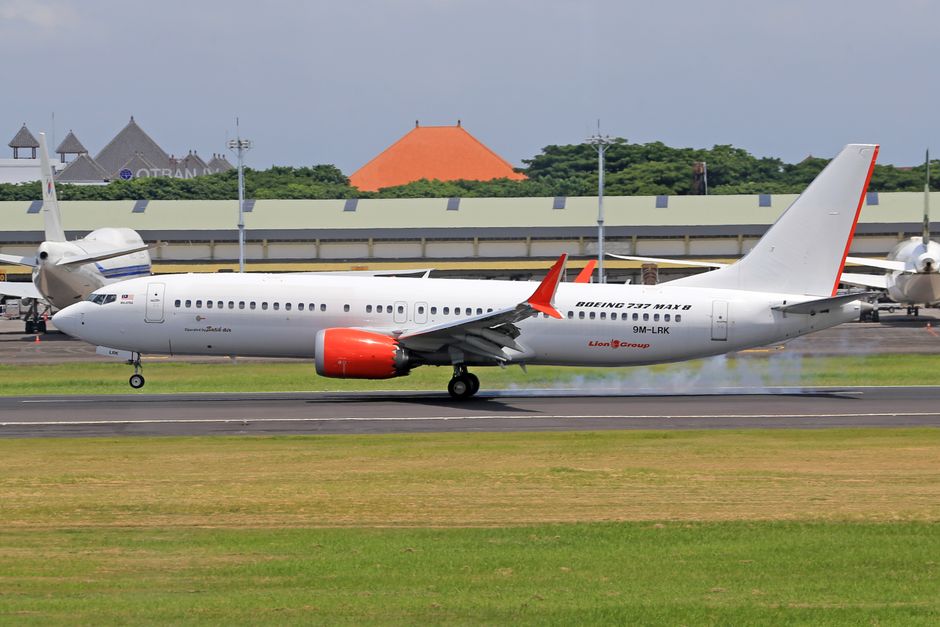
Boeing 737 MAX 9 Door Plug Incident: A Deep Dive into the Alaska Airlines Mid-Flight Event and its Ramifications
The mid-flight incident involving an Alaska Airlines Boeing 737 MAX 9 on January 5, 2024, sent shockwaves through the aviation industry and the public consciousness. A section of the fuselage, specifically a plug door, detached shortly after takeoff from Portland, Oregon, exposing passengers and crew to the elements and forcing an emergency landing. This event, while thankfully not resulting in fatalities or serious injuries, has reignited scrutiny on Boeing’s manufacturing processes and the safety of the 737 MAX 9 variant. Understanding the intricacies of this incident, its causes, and its far-reaching consequences is crucial for assessing the current state of aviation safety and the future of this prominent aircraft model.
The Boeing 737 MAX 9 is a stretched variant of the original 737 MAX family, designed for longer ranges and higher passenger capacity. The specific component that detached was an unused emergency exit door, known as a “door plug.” These plugs are installed in certain configurations of the 737 MAX 9 where additional exits are not required by the passenger capacity. Their purpose is to maintain the structural integrity of the fuselage by sealing off these otherwise unused openings. In the Alaska Airlines flight 1282 incident, the door plug, manufactured by Spirit AeroSystems, a key supplier to Boeing, was not properly secured to the aircraft. This failure to secure allowed the cabin pressurization to exert force on the plug, ultimately leading to its separation from the airframe at cruising altitude.
The immediate aftermath of the incident saw the Federal Aviation Administration (FAA) grounding all Boeing 737 MAX 9 aircraft operating in the United States. This grounding order, initially for a few days, was extended as the FAA launched a thorough investigation into the root cause of the failure. The investigation focused on the manufacturing and assembly process of the door plug and its installation onto the aircraft. Early indications pointed towards a critical flaw in the installation process, specifically concerning the bolts and locking mechanisms that should have secured the plug in place. The absence or improper installation of these fasteners meant the plug was not integrated into the aircraft’s structure as intended, leaving it vulnerable to the forces of pressurization.
Spirit AeroSystems, the manufacturer of the fuselage section containing the door plug, quickly became a central figure in the investigation. The company, which has faced financial and operational challenges in recent years, acknowledged that it was responsible for the manufacturing and installation of the plug. Boeing, in turn, has stated that it is working closely with Spirit to address the issues and implement corrective actions. The relationship between Boeing and its suppliers is a complex and often scrutinized aspect of aircraft manufacturing. Failures at the supplier level can have significant implications for the final product’s safety and airworthiness, as demonstrated by this incident.
The investigation delved into the quality control procedures at both Spirit AeroSystems and Boeing. This included examining the detailed work instructions, the training of personnel involved in the installation process, and the oversight mechanisms in place to ensure that critical components were fitted correctly. The fact that the door plug detached mid-flight suggests a significant lapse in these quality control measures. Investigators are meticulously reviewing records, interviewing personnel, and conducting physical examinations of the affected aircraft and similar door plug installations to identify exactly where the breakdown occurred.
The implications of the Alaska Airlines MAX 9 incident extend far beyond the immediate grounding of aircraft. It has cast a shadow over Boeing’s reputation, which has been struggling to regain full confidence following two fatal 737 MAX crashes in 2018 and 2019, attributed to a faulty flight control system known as MCAS. While this new incident is structurally different from the MCAS failures, it raises renewed concerns about Boeing’s overall quality assurance and production standards. The company has implemented significant changes and increased oversight in the wake of the previous crashes, and this event suggests that further improvements are still necessary.
For airlines operating the 737 MAX 9, the grounding represented a significant operational and financial challenge. Alaska Airlines, the launch customer for the MAX 9, was particularly affected, having to reroute flights and adjust schedules. Other airlines that operate the MAX 9, such as United Airlines, also faced disruptions. The need for thorough inspections and modifications before the aircraft could return to service meant that airlines had to dedicate resources and time to ensure compliance with the FAA’s directives.
The FAA’s role in overseeing aircraft certification and ongoing airworthiness is paramount. The agency’s decision to ground the MAX 9 demonstrated its commitment to prioritizing safety. However, the incident has also sparked debate about the rigor of the FAA’s oversight processes, particularly in relation to Boeing’s production lines. The FAA has publicly stated its intention to increase its presence and oversight at Boeing facilities. This heightened scrutiny is a direct consequence of the repeated safety concerns surrounding Boeing aircraft.
The 737 MAX 9 door plug issue also highlights the importance of proper maintenance and pre-flight checks by airlines. While the primary responsibility for manufacturing defects lies with the manufacturer and its suppliers, airlines are responsible for ensuring that their aircraft are airworthy before each flight. The fact that a critical structural component could be improperly installed and go unnoticed during routine checks raises questions about the effectiveness of current airline inspection protocols for this specific type of installation.
The long-term outlook for the Boeing 737 MAX 9 hinges on the successful resolution of these safety concerns. Boeing must demonstrate a sustained commitment to improving its manufacturing quality and its relationship with suppliers. The company has announced plans for enhanced quality control measures, including increased internal audits and a greater focus on employee training and accountability. The effectiveness of these measures will be closely monitored by regulators, airlines, and the flying public.
Furthermore, the incident has underscored the critical role of independent safety advocates and investigative bodies in holding manufacturers accountable. Organizations like the National Transportation Safety Board (NTSB) play a vital role in investigating aviation accidents and incidents, providing crucial data and recommendations that drive safety improvements. The NTSB’s findings in this case will be instrumental in shaping future regulatory action and industry best practices.
The economic impact of this incident cannot be understated. Boeing’s stock price has been affected, and its ability to deliver aircraft to customers could be impacted. Airlines, dependent on a reliable fleet, will be wary of placing future orders for aircraft from a manufacturer perceived to have ongoing quality issues. This can have ripple effects throughout the global aerospace supply chain.
The incident also has implications for passenger confidence. While aviation remains one of the safest modes of transportation, high-profile incidents can erode public trust. The repeated safety challenges with the 737 MAX family have likely contributed to this erosion. Boeing and the aviation industry as a whole have a responsibility to communicate transparently with the public about the steps being taken to ensure safety.
In conclusion, the Boeing 737 MAX 9 door plug incident is a complex event with multifaceted causes and consequences. It serves as a stark reminder that in the aviation industry, there is no room for complacency when it comes to safety. The investigation into the Alaska Airlines flight 1282 incident will undoubtedly lead to further scrutiny of manufacturing processes, quality control, and regulatory oversight. The ability of Boeing and its suppliers to address these issues comprehensively and transparently will be critical to restoring confidence in the 737 MAX 9 and in Boeing’s broader commitment to aviation safety. The focus must remain on ensuring that every aircraft that takes to the skies is built to the highest possible standards, prioritizing the well-being of passengers and crew above all else. The ongoing dialogue between manufacturers, regulators, airlines, and the public will be essential in navigating this challenging period and reinforcing the unwavering commitment to airworthiness.
