Ensuring Food Safety: Expert Guidance on Properly Washing Leafy Green Vegetables to Prevent Foodborne Illness


Leafy green vegetables such as lettuce, spinach, kale, and broccoli are widely recognized for their exceptional nutritional profiles, packed with essential vitamins, minerals, and dietary fiber. However, these vibrant greens also present a significant food safety challenge, being highly susceptible to contamination that can lead to foodborne illnesses. Recent analyses and expert advisories highlight the critical importance of proper washing and preparation techniques to mitigate the risks associated with consuming these healthy foods, particularly when eaten raw.
The inherent nature of how leafy greens grow, close to the soil surface, makes them vulnerable to exposure from a variety of environmental contaminants. These include soil particles, contaminated irrigation water, and animal feces. The growing concern over foodborne outbreaks linked to produce, especially those consumed without cooking, has prompted health and food safety organizations to reiterate best practices for consumers. Francisco Diez-Gonzalez, Director of the Center for Food Safety and a professor of food science at the University of Georgia, emphasizes that the very reasons for their nutritional value—their raw consumption and proximity to the ground—also contribute to their susceptibility. "Leafy greens are frequently implicated in foodborne illness outbreaks because they are consumed without a step that could kill microorganisms after harvest from the field," Diez-Gonzalez stated.
While it is virtually impossible to eliminate all microorganisms from produce, experts agree that a multi-faceted approach involving careful selection, thorough washing, and appropriate storage can significantly reduce the risk of food poisoning. This guidance is particularly relevant given the increasing global consumption of fresh produce and the growing awareness of its health benefits. The Centers for Disease Control and Prevention (CDC) in the United States, for instance, consistently reports produce as a leading source of foodborne illness outbreaks, with leafy greens frequently appearing on the list of implicated foods.
The Critical Steps of Washing Leafy Greens
The consensus among food safety experts is unequivocal: all leafy green vegetables must be washed before consumption, regardless of whether they are purchased pre-washed or appear clean. This initial step is fundamental in removing visible debris and reducing the microbial load on the surface of the leaves.
"The washing process can reduce about 90 percent of the microbes attached to the surface of the leaves, and drying them with a towel helps to complete the process," explained Diez-Gonzalez. This two-step process—washing followed by drying—is crucial for maximizing the effectiveness of home preparation.
The recommended washing procedure generally involves several key actions:
- Separating Leaves: For vegetables like lettuce and spinach, it is advisable to separate the leaves to ensure thorough cleaning of each surface. This allows water to reach all nooks and crannies where contaminants might be present.
- Rinsing Under Cold Running Water: A thorough rinse under cool, running tap water is essential. This helps to dislodge soil particles, bacteria, and other potential contaminants. Gentle agitation of the leaves during rinsing can further enhance the removal of debris.
- Using a Colander: Washing greens in a colander placed in the sink allows for effective rinsing while also draining away the contaminated water.
- Drying Thoroughly: After rinsing, drying the leaves is a critical but often overlooked step. Moisture can create a favorable environment for bacterial growth. Using clean paper towels or a salad spinner to remove excess water is highly recommended. A salad spinner not only removes water but also helps to maintain the crispness of the greens.
The Role of Blanching for Sturdier Greens
For leafy greens with a more robust texture, such as kale, broccoli, and spinach, experts suggest an additional safety measure: blanching. This involves a brief immersion in boiling water, followed by an immediate transfer to ice water.
The blanching process, while primarily used in food preservation to deactivate enzymes and maintain color and texture before freezing, also serves a significant sanitizing purpose. "Blanching also destroys germs, so it does have a sanitation function," noted Martin Bucknavage, a food safety expert from Penn State University.
The procedure is straightforward:
- Bring a pot of water to a rolling boil.
- Submerge the sturdy leafy greens for a very short period, typically 30 seconds to two minutes, depending on the type of vegetable.
- Immediately remove the greens from the boiling water and plunge them into a bowl of ice water. This rapid cooling stops the cooking process and helps preserve the vegetable’s color and texture.
Bucknavage also pointed out that blanching is a common practice in commercial food processing before vegetables are frozen, contributing to their shelf-life and quality after thawing.
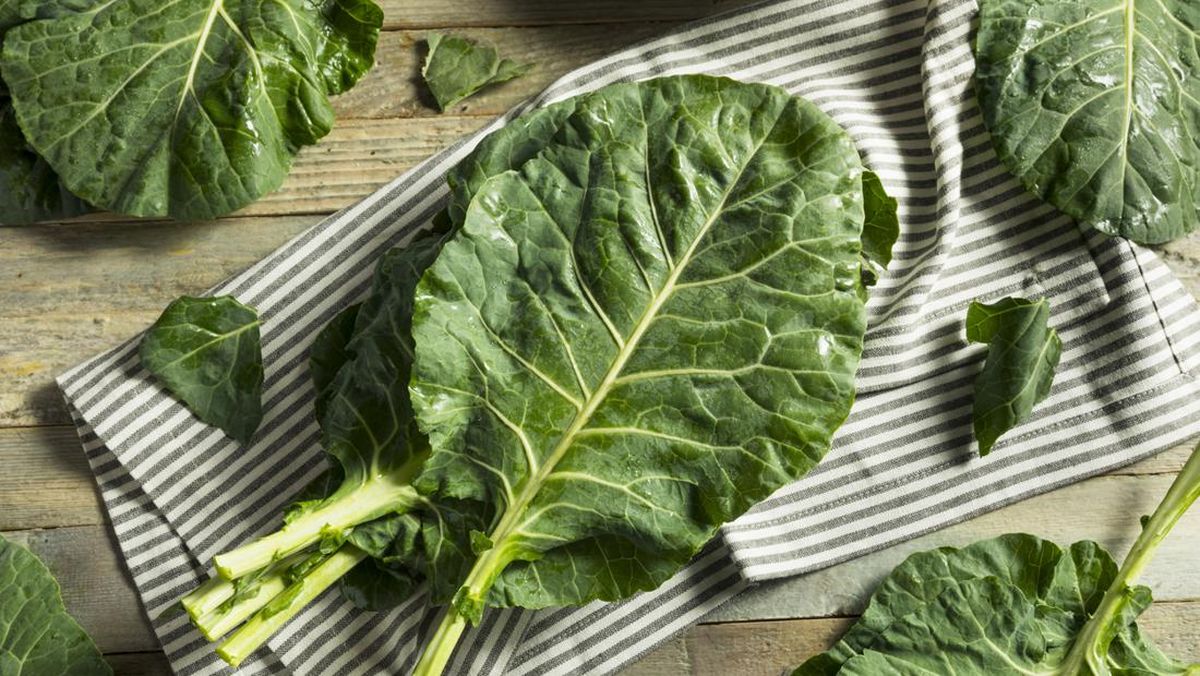
However, this method is not recommended for delicate greens like lettuce. The heat from blanching would significantly degrade their crisp texture and delicate flavor, rendering them unsuitable for salads and other raw preparations.
Avoiding Harmful Cleaning Agents
A crucial warning issued by food safety professionals is to refrain from using household cleaning products such as soaps, detergents, bleach, or other chemical cleaners on produce. These substances are not designed for consumption and can be absorbed by the porous surface of leafy greens, posing a risk of chemical contamination. Residues from these cleaners can be harmful if ingested and can negate the health benefits of consuming fresh vegetables.
Background and Broader Context
The concern over foodborne illnesses linked to produce is not new. Historically, outbreaks have been traced back to contaminated fruits and vegetables, leading to widespread public health advisories and recalls. For instance, in the past decade, several significant outbreaks of E. coli and Salmonella infections in the United States and Europe have been associated with contaminated romaine lettuce and other leafy greens. These events underscore the vulnerability of the food supply chain and the importance of vigilance at every stage, from farm to fork.
The complexity of modern food distribution systems, which often involve produce traveling long distances from diverse growing regions, adds another layer of challenge to ensuring food safety. Factors such as weather patterns, agricultural practices, and post-harvest handling can all influence the microbial load on fresh produce. Regulatory bodies worldwide, including the U.S. Food and Drug Administration (FDA) and the European Food Safety Authority (EFSA), continuously work to establish and enforce food safety standards, but consumer practices at home remain a critical control point.
Data and Statistics
Globally, the consumption of fresh produce has been on the rise, driven by increasing awareness of its health benefits and a growing trend towards plant-based diets. According to data from the Food and Agriculture Organization of the United Nations (FAO), global fruit and vegetable production has seen a steady increase over the past two decades. This expansion in consumption, while beneficial for public health, also amplifies the potential for widespread illness if contamination issues are not effectively managed.
The economic impact of foodborne illnesses is also substantial. Beyond the immediate health consequences, outbreaks can lead to significant financial losses for the agricultural sector through product recalls, trade disruptions, and damage to consumer confidence. Studies by public health agencies estimate that foodborne illnesses cost billions of dollars annually in medical expenses and lost productivity.
Expert Analysis and Implications
The persistent association of leafy greens with foodborne illnesses highlights the need for a comprehensive food safety strategy that involves producers, regulators, and consumers. While advancements in agricultural technology and food processing have improved safety measures at the production level, the final stages of preparation and consumption by individuals remain a critical vulnerability.
The fact that many leafy greens are consumed raw means that any pathogens present are not inactivated by heat. This places a greater onus on consumers to ensure their produce is clean and safe. Diez-Gonzalez’s emphasis on reducing microbial load by 90% through washing and drying underscores that while complete elimination may not be feasible, significant risk reduction is achievable through diligent practices.
The recommendation for blanching sturdier greens offers an additional layer of protection for specific types of vegetables, demonstrating a tiered approach to safety based on vegetable characteristics. However, the clear distinction made for delicate greens ensures that consumers can still enjoy their preferred textures and flavors without compromising safety.
The warning against using household cleaners is a vital reminder of the specific nature of food safety. Unlike dishes or countertops, food surfaces absorb substances, making it imperative to use only food-grade methods for cleaning edible items.
Looking Ahead: Continued Vigilance
As global food systems become increasingly interconnected, the importance of consistent and effective food safety practices cannot be overstated. For consumers, this translates to a commitment to understanding and implementing recommended washing and preparation techniques for all produce, especially leafy greens. Continued public health education campaigns, coupled with ongoing research into more effective methods for pathogen detection and removal from produce, will be crucial in ensuring that the health benefits of these nutritious foods are realized without the risk of illness. The collective effort of all stakeholders—from the farm to the consumer’s kitchen—is essential in maintaining a safe and healthy food supply.