The Government of Indonesia, through the Ministry of Social Affairs (Kemensos), has officially transitioned its social welfare tracking to the National Social and Economic Single Data (DTSEN) system, making the determination of social assistance (Bansos) recipients more digitized and transparent. As of July 2026, the status of a household’s welfare is no longer a matter of opaque administrative records but is categorized into a specific ranking system known as "deciles." For millions of Indonesian citizens relying on programs such as the Family Hope Program (PKH), Non-Cash Food Assistance (BPNT), and National Health Insurance (JKN-KIS) subsidies, understanding one’s position within these deciles is critical. The Ministry has streamlined this process by allowing individuals to check their status using their National Identification Number (NIK), ensuring that aid is distributed to those who fall within the lowest economic brackets.
The implementation of DTSEN represents a significant leap in the country’s "Satu Data" (One Data) initiative. By integrating various databases from the Directorate General of Population and Civil Registration (Dukcapil) and the Central Bureau of Statistics (BPS), the government aims to eliminate data duplication and "exclusion errors," where eligible citizens are left out of assistance programs. The decile system serves as the primary metric for this sorting process, dividing the population into ten equal groups based on their socio-economic standing. Understanding how to navigate this system is the first step for any citizen looking to verify their eligibility or appeal their current welfare status.
Understanding the Decile System in DTSEN
The DTSEN decile system is a statistical tool used to rank the welfare level of all households in Indonesia. In this framework, the entire population is divided into ten groups, each representing 10 percent of the total number of households. These rankings are not static; they are updated periodically based on field surveys, village-level deliberations (Musyawarah Desa), and integrated data from various ministries.
Desil 1 represents the bottom 10 percent of the population, categorized as the "extremely poor." These households are the highest priority for all forms of government intervention. Desil 2 encompasses the next 10 percent, generally classified as "poor," followed by Desil 3 and Desil 4, which represent the "near-poor" or vulnerable groups. Most social assistance programs in Indonesia, including fuel subsidies and food aid, are targeted specifically at households falling within Desil 1 through Desil 4. Conversely, Desil 7 through Desil 10 represent the middle to upper-income brackets, who are generally ineligible for social welfare transfers.
The dynamic nature of these deciles is a cornerstone of the 2026 welfare policy. Economic shifts—such as a breadwinner losing a job or a family experiencing a natural disaster—can cause a household to move down into a lower decile, triggering eligibility for aid. Conversely, improved economic circumstances can move a household up the rankings, allowing the government to redirect funds to those more in need. This "graduation" process is essential for the sustainability of the national budget and the effectiveness of poverty reduction strategies.
Step-by-Step Guide: Checking DTSEN Status via the Official Website
For citizens who wish to check their decile status without the need for complex registrations, the Ministry of Social Affairs provides a web-based portal. This platform is designed for high-volume traffic and offers a straightforward interface for NIK-based queries.
- Access the Portal: Open a web browser and navigate to the official site at
cekbansos.kemensos.go.id. It is recommended to use a stable internet connection, as the site handles massive amounts of data in real-time. - Enter Regional Data: Users must select their province, regency or city, district (kecamatan), and village (desa/kelurahan) from the drop-down menus. This localized data helps the system narrow down the search within the massive national database.
- Provide Personal Identification: Enter the full name of the individual as it appears on their Resident Identity Card (KTP). Accuracy is paramount here, as even a minor spelling discrepancy can lead to a "Data Not Found" result.
- Solve the Security Captcha: Type the alphanumeric code displayed on the screen. This step is a security measure to prevent automated "bots" from overwhelming the server.
- Execute the Search: Click on the "Cari Data" (Search Data) button. The system will then cross-reference the input with the DTSEN records.
- Interpret the Results: If the individual is registered, the screen will display their name, age, and the types of assistance they are currently receiving (e.g., PKH, BPNT, PBI-JK). Crucially, it will indicate the welfare decile associated with the household.
Utilizing the ‘Cek Bansos’ Mobile Application
For more comprehensive features, including the ability to propose oneself or others for assistance, the Ministry offers the "Cek Bansos" mobile application. This app is available on major digital storefronts and requires a one-time account verification.
The process begins with downloading the application and selecting "Create New Account." Users must provide their NIK, Family Card (KK) number, and a valid email address. A unique requirement for the app is the submission of a "selfie" holding the KTP and a photo of the KTP itself. This biometric and document verification prevents identity theft and ensures that the person accessing the data is the rightful owner. Once the account is verified—a process that typically takes 24 to 48 hours—users can log in to view their detailed DTSEN profile, including their decile ranking and history of aid disbursement.
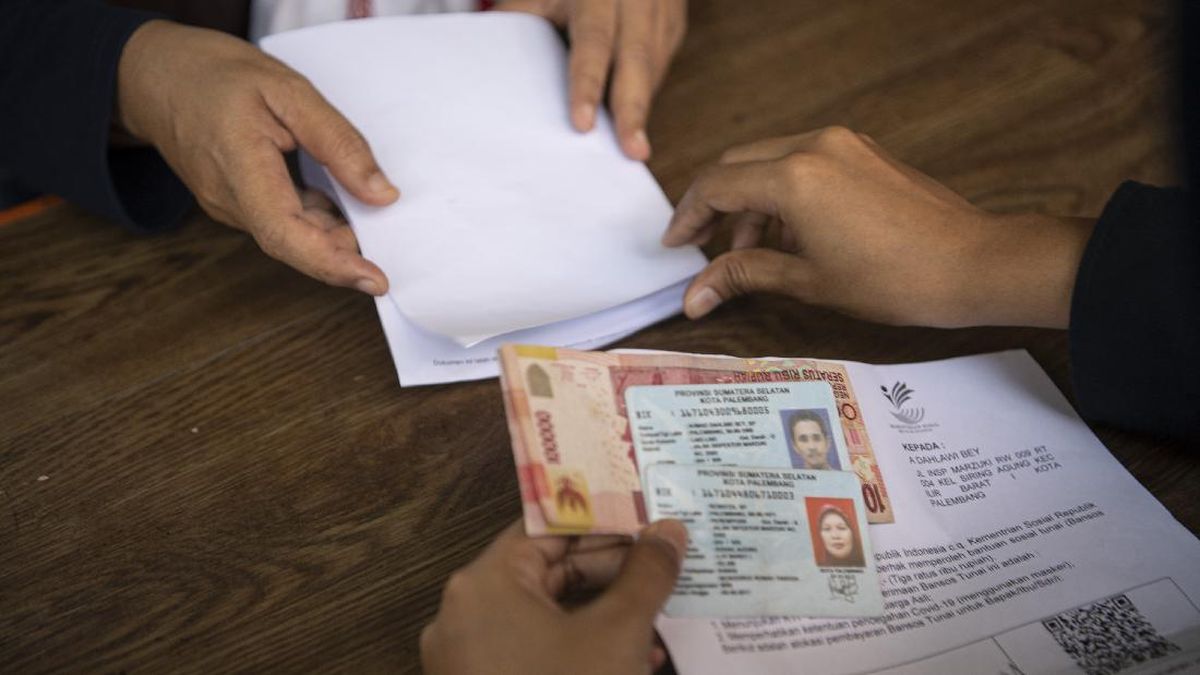
The application also features a "Propose and Object" (Usul-Sanggah) mechanism. If a citizen notices that a wealthy neighbor is receiving aid (an "inclusion error") or that they themselves have been unfairly excluded, they can use the app to submit a report accompanied by photographic evidence. This crowdsourced data is then verified by local social workers and the Ministry to refine the accuracy of the DTSEN.
The Evolution of Social Data: From DTKS to DTSEN
The transition to the DTSEN in 2026 is the culmination of years of data refinement. Previously, the government relied on the Integrated Social Welfare Data (DTKS). While revolutionary at its inception, DTKS faced criticism for being updated too slowly and for discrepancies between central government data and local reality.
The DTSEN addresses these issues by incorporating "real-time" data streams. It integrates electricity consumption data from PLN, asset ownership records from the National Land Agency (BPN), and vehicle registration data. For instance, if a household in Desil 1 suddenly registers a new luxury vehicle, the DTSEN system flags this anomaly, potentially moving the household to a higher decile and suspending their eligibility for poverty-focused aid. This level of integration ensures that the Rp 400–500 trillion typically allocated for social protection in the national budget is utilized with maximum efficiency.
Addressing Common Challenges and Troubleshooting
Despite the technological advancements, users often encounter hurdles when checking their decile status. The Ministry of Social Affairs has identified several common issues and provided standardized solutions:
- NIK Not Found: This is often the result of data "anomalies" where the NIK in the social database does not match the NIK in the Dukcapil database. Citizens are advised to visit their local Civil Registry office to ensure their NIK is "active" and "online."
- Server Congestion: During peak periods, such as the week before Eid al-Fitr or at the start of a new school semester when aid is often disbursed, the website may slow down. Accessing the portal during off-peak hours (late night or early morning) is the most effective workaround.
- Data Mismatch: If a citizen believes their decile (e.g., Desil 7) does not reflect their actual poverty (e.g., they have lost their home), they cannot change this online. They must initiate a "Musyawarah Desa" (Village Meeting). This is a formal process where local leaders verify the person’s condition and submit a formal request for a data update to the Ministry.
Chronology of Data Updates and Distribution
The lifecycle of a decile ranking follows a strict quarterly chronology to ensure accuracy. Every three months, the Ministry of Social Affairs opens a "window" for local governments to upload updated citizen data.
In the first month of the quarter, village officials conduct field checks. In the second month, this data is verified at the Regency/City level and then passed to the Provincial government. By the third month, the Ministry of Social Affairs synchronizes this data with the national NIK database and calculates the new decile rankings. Once the deciles are finalized, the Ministry of Finance releases the budget to the distributing banks (Himbara) and PT Pos Indonesia. This cycle ensures that by the time the next round of assistance is disbursed, the list of recipients reflects the most current socio-economic reality of the nation.
Implications for National Poverty Reduction
The use of DTSEN deciles has profound implications for Indonesia’s goal of achieving "zero percent extreme poverty." By 2026, the government aims to have a "Social Clearing House" where all subsidies—including energy, fertilizer, and education—are tied to the DTSEN decile.
Economic analysts suggest that this targeted approach could save the state billions of dollars by reducing "leakage" to the middle class. "The decile system allows for surgical precision in social spending," says a senior researcher at the Institute for Development of Economics and Finance (INDEF). "When we know exactly who is in Desil 1 and 2, we can provide not just cash, but also vocational training and capital to help them move up the ladder."
Ultimately, the ability for a citizen to check their own decile with a NIK is more than just a technical convenience; it is a tool for empowerment. It fosters a culture of accountability where the government and the citizenry work together to ensure that the national safety net is strong, fair, and transparent. As Indonesia continues to modernize its digital infrastructure, the DTSEN stands as a benchmark for how data can be used to promote social justice and economic stability.