US Iran Strikes Middle East News Update
US Iran strikes Middle East news is dominating headlines, igniting global concern. This complex situation involves a tangled history between the two nations, escalating tensions, and the ripple effects on regional stability. Understanding the past, present, and potential future of these interactions is crucial to grasping the implications for the Middle East and beyond.
Recent actions and statements from both sides have sharply increased the already tense atmosphere. Economic sanctions and potential military responses are among the potential consequences. The impact on global markets, regional alliances, and humanitarian issues is significant and warrants careful consideration.
Historical Context of US-Iran Relations
The United States and Iran have a complex and often fraught history, marked by periods of cooperation and significant conflict. From the early 20th century to the present day, their relationship has been shaped by geopolitical maneuvering, ideological clashes, and shifting global power dynamics. This intricate history provides crucial context for understanding the current state of hostility between the two nations.The relationship began with a degree of cooperation, though often intertwined with American interventionism in Iranian affairs.
However, as Iran’s political landscape evolved and its leadership’s ideology diverged from the perceived interests of the United States, tensions escalated. This evolution eventually led to the deep-seated distrust and animosity that define the current relationship.
Key Events and Turning Points
The relationship between the US and Iran has been profoundly influenced by a series of events. From the early 20th century to the Islamic Revolution, these events have created a foundation for the current state of affairs. The 1953 Iranian coup d’état, orchestrated by the US and the UK, played a pivotal role in shaping the trajectory of the relationship.
This intervention aimed to restore the pro-Western Shah, Mohammad Reza Pahlavi, leading to a deep-seated resentment within Iran. Subsequent events, such as the 1979 Iranian Revolution, further solidified the divide, culminating in the establishment of a theocratic Islamic Republic.
Evolution of Tensions and Conflicts
The rise of Islamic fundamentalism in Iran, coupled with the Shah’s authoritarian regime and American involvement, led to a rapid deterioration of relations. The 1979 hostage crisis, the subsequent rise of anti-American sentiment, and the US’s support for Iraq during the Iran-Iraq War, all contributed significantly to escalating tensions. These events further entrenched mistrust and solidified the foundation for the present-day conflict.
Significant Milestones in Diplomatic Interactions
Despite the deep-seated hostility, there have been moments of dialogue and attempts at diplomacy. These efforts have frequently been short-lived, reflecting the persistent underlying issues. Several failed attempts at negotiations and diplomatic resolutions highlight the significant obstacles to reconciliation.
Factors Contributing to the Current State of Hostility
Several factors have contributed to the current state of hostility. The Iranian nuclear program, regional conflicts, and differing geopolitical ambitions are key contributors. US sanctions and the perception of American interference in Iranian affairs continue to fuel the animosity.
Timeline of Major Incidents Affecting the Middle East
A crucial aspect of understanding the complex US-Iran relationship is recognizing the broader context of Middle Eastern events. This requires examining a timeline of major incidents.
- 1953 Iranian Coup d’état: The US and UK orchestrated the overthrow of the democratically elected Iranian Prime Minister Mohammad Mosaddegh, installing the Shah in power. This event had a lasting impact on Iranian public opinion, fostering distrust and resentment towards the West, particularly the United States.
- 1979 Iranian Revolution: The overthrow of the Shah and the establishment of an Islamic Republic led to a significant shift in Iran’s political landscape. This revolution, along with the subsequent hostage crisis, dramatically altered the relationship between the US and Iran, marking a turning point towards hostility.
- 1980-1988 Iran-Iraq War: The conflict between Iran and Iraq, a period of devastating violence and regional instability, further complicated the relationship. The US’s support for Iraq during this war, while not directly involving military engagement, fueled further anti-American sentiment in Iran.
- 1980s-present: The Iranian nuclear program, regional conflicts, and US sanctions have all contributed to maintaining the current level of hostility. These issues have solidified the perception of conflict and mistrust between the two nations.
Recent US-Iran Tensions: Us Iran Strikes Middle East News
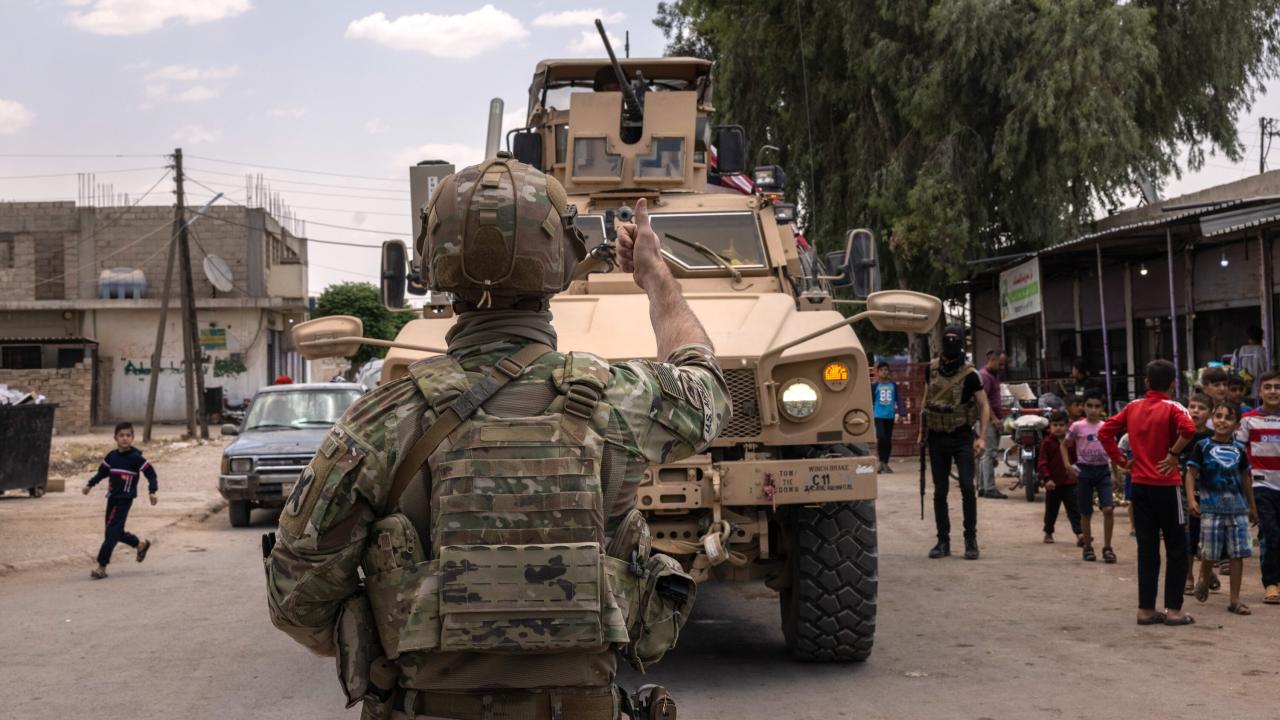
The simmering tensions between the United States and Iran have intensified in recent months, marked by a series of actions and statements from both sides. These escalating exchanges raise concerns about the potential for further conflict in the Middle East and its wider implications for global stability and security. The recent trajectory of these relations necessitates a careful examination of the specific actions and rhetoric employed by both nations.The recent uptick in tensions between the US and Iran is characterized by a complex interplay of political, economic, and strategic factors.
The escalating US-Iran tensions in the Middle East are causing ripples across the globe. Amidst the geopolitical drama, it’s worth considering the impact on everyday workers. A “right to disconnect law” could offer crucial protections for employees, preventing work-related stress from spilling into personal time. This could be a critical consideration for those dealing with the ever-present anxiety surrounding these escalating international conflicts, particularly in the Middle East.
Perhaps, by prioritizing work-life balance, we can contribute to a more peaceful and productive environment, even amidst the ongoing US-Iran strikes. The potential of a “right to disconnect law” to mitigate these effects warrants further discussion. Check out this article on the right to disconnect law for more information.
The two countries have historically held deeply adversarial positions, marked by mistrust and suspicion, with past interactions shaping the present context. Understanding the nuances of these interactions requires careful consideration of the recent events and the actors involved.
Recent Actions and Statements Escalating Tensions
The escalation of tensions is largely driven by a series of actions and pronouncements from both sides. These actions include military exercises, assertive rhetoric, and accusations of interference in regional affairs. The frequency and intensity of these interactions have contributed significantly to the current heightened state of tension.
- The US has increased its military presence in the region, conducting joint exercises with regional allies. These exercises are often perceived by Iran as a direct challenge to its regional influence and security interests.
- Iran has responded with its own military maneuvers and pronouncements, emphasizing its determination to defend its interests and resist perceived US aggression. These actions are often viewed by the US as a deliberate attempt to destabilize the region.
- Both sides have issued statements accusing each other of supporting extremist groups and interfering in internal affairs. These accusations often lack concrete evidence and further fuel mutual distrust.
Comparison of Rhetoric Used by Both Sides
The rhetoric employed by both the US and Iran in recent communications has been highly charged and accusatory. The language used often reflects deep-seated mistrust and hostility, and the escalating tone exacerbates the situation. The specific phrases used often serve to portray the other side as a threat to regional security and global stability.
- The US has frequently used language emphasizing the need for a stronger presence in the region to counter Iranian influence and safeguard regional stability. This rhetoric often invokes the need to deter further escalation and safeguard US interests.
- Iran has employed rhetoric emphasizing its right to self-defense and resistance against perceived US aggression. This rhetoric often emphasizes its commitment to regional security and stability, while portraying the US as the instigator of the conflict.
- The use of highly charged and emotionally-laden language by both sides creates a climate of fear and distrust, making diplomatic solutions harder to achieve. Such an environment often escalates tension.
Key Players and Their Roles
Several key actors play significant roles in the current conflict. These actors have varied motivations and interests, often leading to conflicting agendas and strategies. The interactions between these actors influence the course of the conflict.
- Regional actors like Saudi Arabia and Israel are often drawn into the conflict, with their interests and concerns intertwined with the US-Iran dynamic. Their responses and actions often influence the overall trajectory of the conflict.
- International organizations and powers also play a crucial role in mediating the situation. Their attempts to de-escalate tensions and promote dialogue often face challenges due to the deep-seated animosity between the US and Iran.
Economic and Political Consequences for the Region
The ongoing tensions have significant economic and political consequences for the region. These consequences include disruptions to trade, increased instability, and potential for further conflict.
- Disruptions to trade routes and economic activity in the region can have significant global repercussions. The disruption of trade routes can impact global supply chains and increase the cost of goods.
- Increased instability in the region can lead to further refugee crises and displacement. These humanitarian crises often necessitate international assistance and strain resources.
- The potential for further conflict can result in loss of life and property damage. The humanitarian costs of conflict are immense and can have long-lasting effects on the affected populations.
Impact on Global Markets
The heightened tensions between the US and Iran can significantly impact global markets. The uncertainty surrounding the conflict can lead to volatility in financial markets and impact the global economy.
- Uncertainty about the future course of events can lead to fluctuations in oil prices. Increased uncertainty can cause prices to spike as investors react to the potential for supply disruptions.
- The impact on global trade can result in increased costs for businesses and consumers. Disruptions in supply chains and increased geopolitical risk can lead to a general rise in prices for goods and services.
Impact on the Middle East
US-Iran tensions have profoundly destabilized the Middle East, creating a complex web of regional conflicts, shifting alliances, and humanitarian crises. The ripple effects extend beyond the immediate protagonists, impacting neighboring nations and altering the geopolitical landscape. This instability often escalates into armed conflicts, further exacerbating existing tensions and humanitarian suffering.The escalating tensions between the United States and Iran have created a volatile environment across the Middle East.
The actions of both countries have direct and indirect consequences for regional players, often triggering a chain reaction of responses and counter-responses. This dynamic has affected regional stability, impacting economies, and creating humanitarian challenges.
Regional Instability and Conflict
The ongoing conflict between the US and Iran has directly and indirectly fueled conflicts and tensions across the Middle East. This includes proxy wars where regional actors, often backed by one side or the other, engage in armed conflicts. These conflicts often involve irregular warfare tactics, leading to civilian casualties and a deterioration of living conditions.
The escalating US-Iran tensions in the Middle East are definitely a major concern, but it’s important to remember that events like the recent tragic shooting at the Super Bowl in Kansas City, super bowl kansas city shooting , highlight the need for broader discussions on safety and security in public spaces. While these issues are vastly different, both situations emphasize the delicate balance of global affairs and the ripple effects they can have on communities worldwide.
These Middle Eastern conflicts continue to demand attention and solutions.
Impact on Regional Alliances
The US-Iran conflict has profoundly reshaped alliances and partnerships across the Middle East. Some nations, fearing repercussions from either side, have adopted a cautious stance. Others have shifted their allegiances to align with perceived strategic advantages. These shifts have weakened regional cooperation and fostered an environment of mistrust.
Humanitarian Consequences
Conflicts in the Middle East, often exacerbated by US-Iran tensions, have devastating humanitarian consequences. The displacement of populations, destruction of infrastructure, and interruption of essential services create severe hardships for civilians. These crises frequently lead to humanitarian disasters, necessitating international aid and support. Examples include the Syrian civil war, where the conflict has been significantly impacted by the larger geopolitical tensions, including US-Iran tensions.
Potential for Escalation
The risk of escalation remains significant in the Middle East due to the US-Iran conflict. Miscalculations, unintended consequences of actions, and the involvement of other regional actors can easily trigger wider conflicts. The use of proxies and escalating rhetoric further increase the likelihood of miscalculation and unintended consequences. History offers numerous examples of regional conflicts escalating into larger wars due to miscommunication and mistrust, highlighting the importance of de-escalation and diplomatic solutions.
Media Coverage Analysis
Dissecting the narrative surrounding US-Iran tensions requires a critical examination of media coverage. Different outlets often present contrasting perspectives, shaping public opinion in varying ways. This analysis delves into the portrayal of this complex issue by major news sources, identifying potential biases and exploring the influence of social media.The media landscape plays a crucial role in how the public perceives international conflicts.
How news outlets frame the conflict – emphasizing certain aspects while downplaying others – directly impacts public understanding and potential responses. This analysis aims to provide a nuanced view of the various narratives presented by news sources, highlighting the nuances and potential biases within the reporting.
Analysis of Major News Outlets
Examining the coverage of US-Iran tensions in prominent news organizations reveals distinct approaches. The choice of words, the emphasis on specific events, and the inclusion or exclusion of certain perspectives all contribute to shaping the overall narrative. News outlets often adopt different angles, ranging from emphasizing diplomatic efforts to highlighting potential military confrontations.
The escalating US-Iran tensions in the Middle East are definitely keeping me on the edge of my seat. It’s all a bit unsettling, to be honest. But, oddly enough, I’ve been more captivated by the latest drama on Vanderpump Rules, specifically the storyline surrounding Ann Maddox, and how she’s navigating her relationship and career. Ann Maddox’s Vanderpump Rules journey is a compelling distraction from the geopolitical situation, but the reality is, the Middle East situation remains a major concern.
- Different news outlets present various narratives concerning the conflict. For instance, some outlets might focus on diplomatic efforts, while others might emphasize potential military escalation. This difference in emphasis shapes public perception and can influence policy decisions.
- Comparing the language used by different outlets is critical. A focus on accusations or threats might skew the narrative towards a more confrontational perspective, while a focus on dialogue or de-escalation might portray a more diplomatic stance.
- The inclusion or exclusion of specific perspectives also contributes to the overall narrative. If a particular group’s viewpoint is absent or marginalized, the coverage might be incomplete or biased.
Social Media’s Role in Shaping Public Opinion
Social media platforms have become significant amplifiers of news and opinions. The rapid dissemination of information, often unfiltered or with misinformation, has a substantial impact on public discourse. Online discussions can polarize opinions, creating echo chambers that reinforce existing biases.
- Social media platforms provide an unprecedented ability to disseminate information, including news about US-Iran tensions, rapidly. This rapid spread, however, can also lead to the dissemination of misinformation or biased viewpoints, potentially distorting public perception.
- Social media users often share news articles, opinions, and commentary, often without critical evaluation. This can create echo chambers where individuals are primarily exposed to information reinforcing their existing beliefs, potentially hindering a balanced understanding of the conflict.
- The immediacy and widespread reach of social media often outpace traditional media outlets, leading to the dissemination of information that is not verified or fact-checked. This lack of verification can contribute to the spread of misinformation and can exacerbate tensions.
Comparative Table of Media Narratives
This table provides a concise overview of the narratives presented by various news outlets regarding US-Iran tensions.
| News Source | Narrative | Tone | Potential Bias |
|---|---|---|---|
| CNN | Focuses on diplomatic efforts and potential escalation, emphasizing both sides’ perspectives. | Neutral to cautious. | Potentially leans towards a balanced approach, but could reflect a perceived need to remain objective. |
| Fox News | Emphasizes the threat posed by Iran, highlighting perceived aggressive actions and the need for a strong US response. | Cautious, but often assertive. | Potential bias towards hawkish views and a more nationalistic stance. |
| Al Jazeera | Presents the conflict from a Middle Eastern perspective, highlighting regional implications and the impact on ordinary citizens. | Balanced, but sometimes critical of US actions. | Potential bias towards representing the perspective of the Middle East. |
Possible Outcomes and Future Scenarios
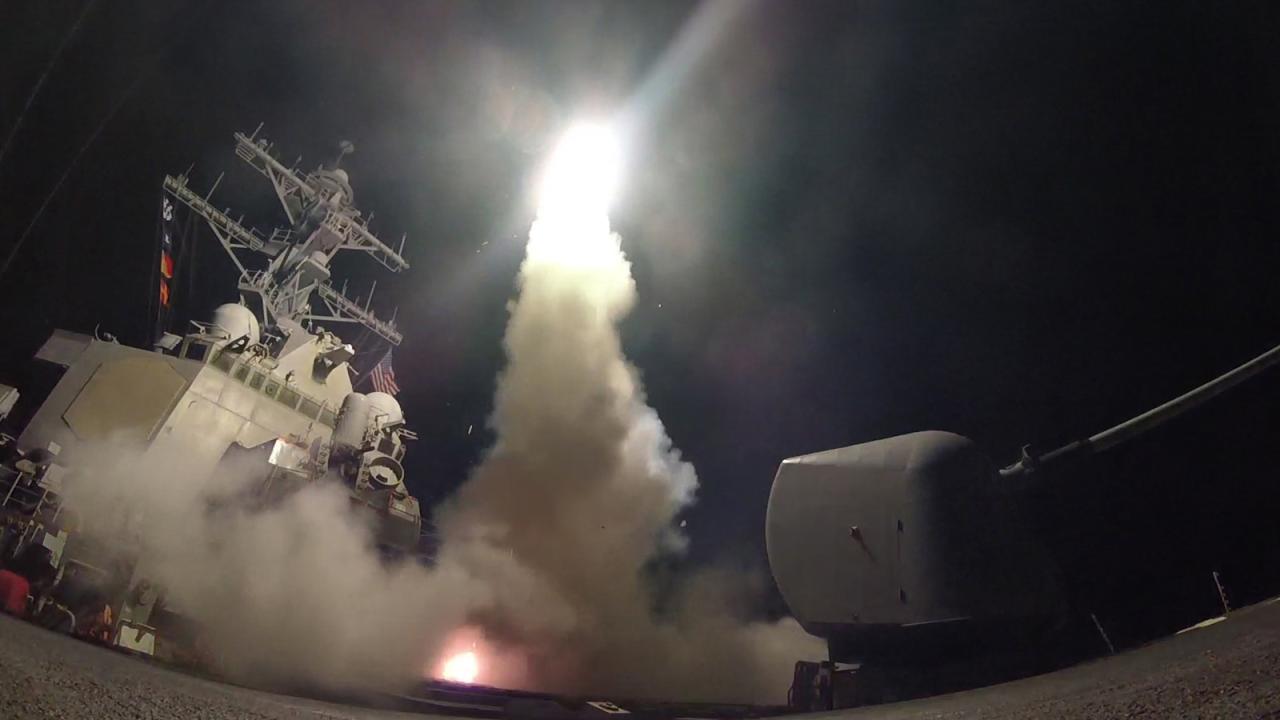
The escalating tensions between the United States and Iran, coupled with the complex geopolitical landscape of the Middle East, present a multitude of potential futures. Predicting the precise trajectory is impossible, but analyzing various scenarios and their potential consequences allows for a deeper understanding of the challenges and opportunities for diplomatic solutions. The actions of both sides, and the reactions of other regional players, will significantly shape the outcome.Understanding the interplay of political will, economic pressures, and regional alliances is crucial to evaluating the likelihood and potential impact of each scenario.
Previous diplomatic efforts, successes and failures, offer valuable insights into the complexities of resolving such conflicts. This analysis explores potential scenarios, the actions that might lead to them, and the potential implications for the stability of the Middle East.
Potential Scenarios for the Future of US-Iran Relations
The future of US-Iran relations hinges on a complex interplay of factors, including the willingness of both nations to engage in meaningful dialogue, the influence of regional actors, and the prevailing global climate. A range of outcomes are conceivable, ranging from cautious engagement to heightened confrontation.
Possible Consequences of Different Actions by Both Sides
The actions taken by both the US and Iran will significantly influence the trajectory of their relationship. Escalating military actions, for instance, risk a wider conflict, while diplomatic overtures can lead to de-escalation. Economic sanctions, either imposed or lifted, can exert significant pressure, potentially impacting the domestic political landscapes of both countries.
Implications of Various Diplomatic Strategies
Different diplomatic strategies, from direct negotiations to mediation by third parties, can yield varied outcomes. The success of any diplomatic initiative hinges on the commitment of both sides to find common ground and address underlying concerns. The experiences of past diplomatic solutions to similar conflicts can offer guidance and illustrate the potential benefits and pitfalls of various approaches.
Examples of Past Diplomatic Solutions to Similar Conflicts
Historical precedents offer valuable insights into potential pathways to de-escalation. The Iran nuclear deal, while ultimately unsuccessful, demonstrated the potential for multilateral agreements to address complex issues. Other regional conflicts have witnessed instances of successful mediation and negotiated settlements. Analyzing these past attempts, recognizing their successes and failures, can inform the development of strategies for future engagement.
Table of Possible Scenarios and Their Likelihoods
| Scenario | Likelihood | Key Players | Potential Outcomes |
|---|---|---|---|
| Continued Escalation and Potential Conflict | Moderate | US, Iran, regional proxies | Increased regional instability, heightened risk of miscalculation, potential for wider conflict. |
| Negotiated De-escalation and Limited Engagement | High | US, Iran, potential mediators | Reduced tensions, limited cooperation on specific issues, cautious steps towards normalization. |
| Further Isolation of Iran | Low | US, international community | Increased economic hardship for Iran, potential for internal dissent, increased risk of extremist actions. |
| Increased Regional Cooperation (without US/Iran direct engagement) | Low | Regional states, international organizations | Potential for stability in specific regions, but unlikely to resolve fundamental tensions. |
Economic Implications
The US-Iran conflict casts a long shadow across the Middle East, profoundly impacting its economies. Sanctions, geopolitical instability, and fluctuating energy markets create ripple effects that reverberate globally. The economic fallout, far from being confined to the immediate region, touches upon vital global trade routes and investment strategies. This analysis delves into the intricate web of economic consequences stemming from this complex relationship.
Sanctions and Their Consequences
Sanctions imposed by the US on Iran have historically targeted specific sectors of the Iranian economy, including oil, banking, and shipping. These measures aim to curtail Iran’s ability to support its government and its military. However, they also create significant hardship for the Iranian people and severely disrupt trade within the region. The consequences of these sanctions are multifaceted, leading to shortages of essential goods, decreased industrial output, and a decline in overall economic activity.
Examples include the crippling effect of sanctions on Iranian oil exports, resulting in a drastic reduction in its revenue and economic stability.
Impact on Global Energy Markets, Us iran strikes middle east news
The US-Iran conflict significantly affects global energy markets. The conflict often leads to uncertainties in the supply of oil from the Middle East, creating volatility in global oil prices. This instability can impact energy-dependent economies worldwide, affecting consumers through higher fuel costs and impacting industries reliant on oil and gas. The ripple effects extend to various sectors, such as transportation, manufacturing, and energy production.
The escalating US-Iran tensions in the Middle East are definitely grabbing headlines. While the geopolitical situation is serious, it’s interesting to see how seemingly disparate events can connect. For instance, a fashion show like Willy Chavarria’s New York Fashion Week collection, willy chavarria new york fashion week , offers a fascinating glimpse into creative expression amidst global events.
Regardless of the runway shows or political posturing, the Middle East situation remains complex and unpredictable.
For instance, fluctuations in oil prices can influence inflation rates and economic growth in many countries.
Effects on Trade and Investment
The geopolitical tensions between the US and Iran have deterred trade and investment flows in the Middle East. Companies are hesitant to engage in business activities in the region due to the uncertainty surrounding the political climate and the potential for sanctions. This reluctance can hinder economic growth and development within the region. For instance, the hesitancy of international companies to invest in Iranian infrastructure projects has severely impacted the region’s potential for economic growth and development.
This reduced investment also restricts the availability of new technologies and modern facilities.
The escalating US-Iran tensions in the Middle East are definitely a hot topic right now. It’s all very concerning, but it’s important to remember that issues like these can have ripple effects on so many different areas. For instance, the recent legal battles over frozen embryos in Alabama, like the cases highlighted in alabama frozen embryos children , raise crucial questions about reproductive rights and family planning.
Ultimately, these kinds of situations highlight how interconnected the world really is, and how seemingly disparate events can have profound consequences, all impacting the current global climate surrounding US-Iran strikes.
Economic Effects on Other Nations Involved
The conflict’s economic repercussions extend beyond the US and Iran. Countries with trade ties to either nation face challenges. For example, nations heavily reliant on Iranian oil imports may struggle to find alternative sources or face higher energy costs. Furthermore, the economic downturn in Iran can negatively impact neighboring countries, affecting trade and creating regional instability. This illustrates the interconnected nature of global economies and how regional conflicts can have widespread consequences.
Countries in the region, like Iraq and others, often suffer indirect economic consequences, such as decreased trade volume and diminished investment opportunities.
Illustrative Examples
The complexities of the US-Iran relationship are evident in numerous events throughout history. Understanding these events, from attacks to diplomatic efforts, provides crucial context for evaluating the current dynamic and potential future scenarios. Analyzing these examples illuminates the patterns of escalation and de-escalation that have characterized this fraught relationship.
The 1980 US Embassy Siege in Tehran
The 1980 Iranian hostage crisis, a defining moment in US-Iran relations, began with the storming of the US embassy in Tehran by Iranian students. This event unfolded amidst heightened anti-American sentiment in Iran following the Iranian Revolution and the perceived support of the US for the Shah’s regime. The siege lasted for 444 days, culminating in the release of the hostages after the inauguration of President Ronald Reagan.The immediate impact was a profound crisis of confidence in the US government and a significant strain on US-Iranian relations.
Long-term effects included the hardening of US foreign policy towards Iran and a legacy of mistrust that persists today. The siege was met with condemnation by many international organizations, including the United Nations. The Iranian government defended the action as a response to perceived US interference, while the US viewed it as an act of aggression.
Visual Representation: A stark black and white photograph of the embassy being stormed, overlaid with a timeline highlighting the duration of the siege and key events. Flags of the US and Iran are prominently displayed. The image would be accompanied by a caption that summarizes the event and its significance. A small map of Tehran could also be included to show the location of the embassy.
The image would also show the reaction of the surrounding buildings, with signs of unrest and the presence of crowds.
The 2015 Iran Nuclear Deal
The Joint Comprehensive Plan of Action (JCPOA), or the Iran nuclear deal, was a landmark agreement negotiated between Iran and several world powers, including the US. It aimed to limit Iran’s nuclear program in exchange for the lifting of sanctions. The agreement was signed in Vienna, Austria, in 2015, amidst intense negotiations involving various countries and diplomats.The immediate effect of the deal was a significant reduction in international tensions and a potential for improved relations between Iran and the US.
However, the deal was viewed differently by various stakeholders. The long-term effects are still being assessed. The deal’s implementation required careful oversight, and its long-term impact hinged on adherence to the agreement by all parties. Reactions from key players were mixed. International organizations like the IAEA played a crucial role in monitoring Iran’s compliance.
Visual Representation: A graph showcasing the change in Iran’s uranium enrichment capacity and the number of centrifuges before and after the JCPOA. The graph would be complemented by a table illustrating the sanctions relief granted to Iran. The visual would also show the differing reactions from the US and Iranian governments, depicted through contrasting colors and imagery. An image of the participants in the negotiation would also be helpful.
Concluding Remarks
In conclusion, the US-Iran conflict’s impact on the Middle East is profound and multifaceted. The historical context, recent tensions, and potential outcomes are all intertwined, with significant implications for global stability. This situation underscores the urgent need for diplomacy and understanding to prevent further escalation and mitigate the humanitarian consequences. The ongoing media coverage and diverse perspectives are vital to a comprehensive understanding.
Helpful Answers
What are the key historical turning points in US-Iran relations?
Significant events, such as the Iranian Revolution, the Iran-Iraq War, and various nuclear agreements, have shaped the current dynamic. These events have left a legacy of distrust and conflict, contributing to the current tense climate.
How do these tensions affect regional alliances?
The escalating tensions between the US and Iran impact regional alliances, potentially leading to shifts in power dynamics and instability within the Middle East. The involvement of other nations in the region adds another layer of complexity.
What are the potential economic consequences of further escalation?
Increased sanctions, trade disruptions, and volatility in global energy markets are among the possible economic consequences. The effects could extend beyond the immediate region and impact global economies.
What are some past diplomatic solutions to similar conflicts?
Historical examples of successful diplomatic solutions to international conflicts, like the Iran nuclear deal, can offer valuable insights for future negotiations. Examining past agreements and understanding their context can provide useful frameworks for finding solutions.