
Northern Ireland Power Sharing DUP A Deep Dive
Northern Ireland power sharing DUP is a complex and often contentious topic, reflecting decades of political maneuvering and societal divisions. This exploration delves into the historical context, the DUP’s ideology and policies, the dynamics of power-sharing, public perception, international relations, future prospects, and the impact on Northern Ireland society.
The DUP’s role within the Northern Ireland power-sharing arrangements has been marked by significant shifts and challenges, influenced by a range of factors including historical legacies, political ideologies, and evolving societal needs. This analysis aims to provide a comprehensive overview of the issues surrounding this critical aspect of Northern Ireland’s political landscape.
Historical Context of Power-Sharing in Northern Ireland
Northern Ireland’s complex political landscape has been shaped by decades of conflict and the ongoing struggle for a shared future. Power-sharing arrangements, intended to address sectarian divisions and promote peaceful coexistence, have been a crucial element in this historical narrative. Understanding the evolution of these arrangements, the role of key players like the DUP, and the recurring challenges is essential to grasping the present political climate.The history of power-sharing is deeply intertwined with the Troubles, a period of intense political violence and social unrest.
The desire for a more inclusive and representative system of governance became increasingly apparent as the violence escalated, culminating in the need for a framework that could accommodate diverse perspectives and address the fundamental divisions.
Key Events and Figures in the Development of Power-Sharing
The Sunningdale Agreement of 1973, a landmark initiative, aimed to establish a power-sharing executive, marking a significant step towards a more integrated political structure. This agreement, however, faced considerable opposition and ultimately failed to achieve its intended goals. Later initiatives, including the Anglo-Irish Agreement of 1985, and the Good Friday Agreement of 1998, represent pivotal moments in the evolution of power-sharing, each contributing to a more nuanced and comprehensive approach to addressing the political tensions.
The DUP’s Role and Stance within Power-Sharing
The Democratic Unionist Party (DUP) emerged as a prominent political force in Northern Ireland, advocating for the maintenance of close ties with the United Kingdom. The party’s stance within power-sharing arrangements has been characterized by a desire to safeguard unionist interests, often demanding a balance of power that reflects the party’s considerable influence in the region. Their position has evolved over time, responding to political shifts and the changing dynamics of the political landscape.
Political Shifts and Challenges Impacting DUP Participation
Significant political shifts, including the rise of nationalist sentiment and the changing demographics of the region, have had a profound impact on the DUP’s role in power-sharing. The DUP has navigated periods of political volatility and opposition to their policies, necessitating adaptations and adjustments to their strategies to maintain their influence. The fluctuating support for unionism, alongside shifts in public opinion, has presented ongoing challenges to the party’s participation in power-sharing arrangements.
Legislative and Constitutional Frameworks Related to Power-Sharing
The Good Friday Agreement, along with the subsequent legislation enacted, provides the constitutional and legal foundation for power-sharing in Northern Ireland. The agreement established a devolved government structure, outlining the powers and responsibilities of the various participating parties. This framework, while intended to foster cooperation and stability, has been subject to periodic renegotiations and adaptations to accommodate changing circumstances and demands.
Examples of Legislative and Constitutional Challenges
- The agreement established a series of checks and balances, intended to ensure a more representative government structure.
- The power-sharing institutions established by the agreement were intended to provide a platform for dialogue and cooperation.
- The agreement has undergone modifications and amendments since its implementation to reflect evolving political circumstances.
These legislative and constitutional frameworks form the bedrock of power-sharing in Northern Ireland. The challenges faced by the DUP and other participants in navigating these arrangements underscore the complexities inherent in achieving lasting peace and stability.
DUP’s Ideology and Policies: Northern Ireland Power Sharing Dup
The Democratic Unionist Party (DUP) is a significant political force in Northern Ireland, consistently holding a prominent position within the power-sharing arrangements. Understanding their core ideology and policies is crucial for comprehending the dynamics of Northern Irish politics. Their stance on key issues often shapes the political landscape and influences policy outcomes.The DUP’s political ideology is rooted in unionism, advocating for Northern Ireland’s continued membership within the United Kingdom.
This commitment to unionism underpins their approach to various policy areas, impacting their perspectives on issues ranging from economic development to social matters. Their policies often reflect a conservative approach, aligning with certain values and principles that are integral to their political identity.
Core Political Ideology
The DUP’s core political ideology is firmly rooted in unionism. Their primary goal is to maintain Northern Ireland’s position as part of the United Kingdom. This commitment is central to their policy decisions and their interactions with other political parties. This commitment extends to preserving the unique cultural and historical ties with the rest of the UK.
Specific Policies Regarding Key Issues, Northern ireland power sharing dup
The DUP’s approach to specific policy areas in Northern Ireland demonstrates a strong commitment to their unionist principles. Their policies often reflect a particular understanding of Northern Ireland’s history and its place within the UK. For example, their position on the Good Friday Agreement is often a point of contention and debate.
Economic Development
The DUP’s economic development policies typically focus on supporting local businesses and promoting economic growth within Northern Ireland. They often advocate for policies that they believe will enhance the region’s competitiveness within the UK. Their approach frequently prioritizes investment in infrastructure and job creation initiatives.
Social Issues
The DUP’s approach to social issues reflects their conservative values and their commitment to traditional norms. This is evident in their stance on matters like same-sex marriage and abortion rights. These positions often contrast with those held by other parties in Northern Ireland.
Comparison with Other Parties
The DUP’s policies contrast with those of other parties in Northern Ireland in several key areas. For example, their approach to Irish reunification differs significantly from Sinn Féin’s position. Their stance on economic development and social issues also demonstrates divergence from other parties, particularly those advocating for greater social equality.
Policy Areas Summary
| Issue | DUP Position | Alternative Position (e.g., Sinn Féin) | Impact |
|---|---|---|---|
| Irish Reunification | Opposed to reunification with the Republic of Ireland. | Advocates for a united Ireland. | Contributes to political division and negotiation complexities. |
| Economy | Focus on local business support and infrastructure development within the UK framework. | Potential focus on attracting EU investment and promoting regional cooperation. | Potential for varying economic growth and employment opportunities. |
| Social Issues | Generally conservative, often prioritizing traditional values. | Generally more progressive, advocating for social equality and inclusivity. | Shapes societal debates and influences policy decisions on key social issues. |
| Unionism | Strong commitment to Northern Ireland remaining part of the United Kingdom. | Varying positions on unionism, from supporting the status quo to advocating for independence. | Influences the political landscape and determines their role in power-sharing arrangements. |
Power-Sharing Dynamics and Challenges
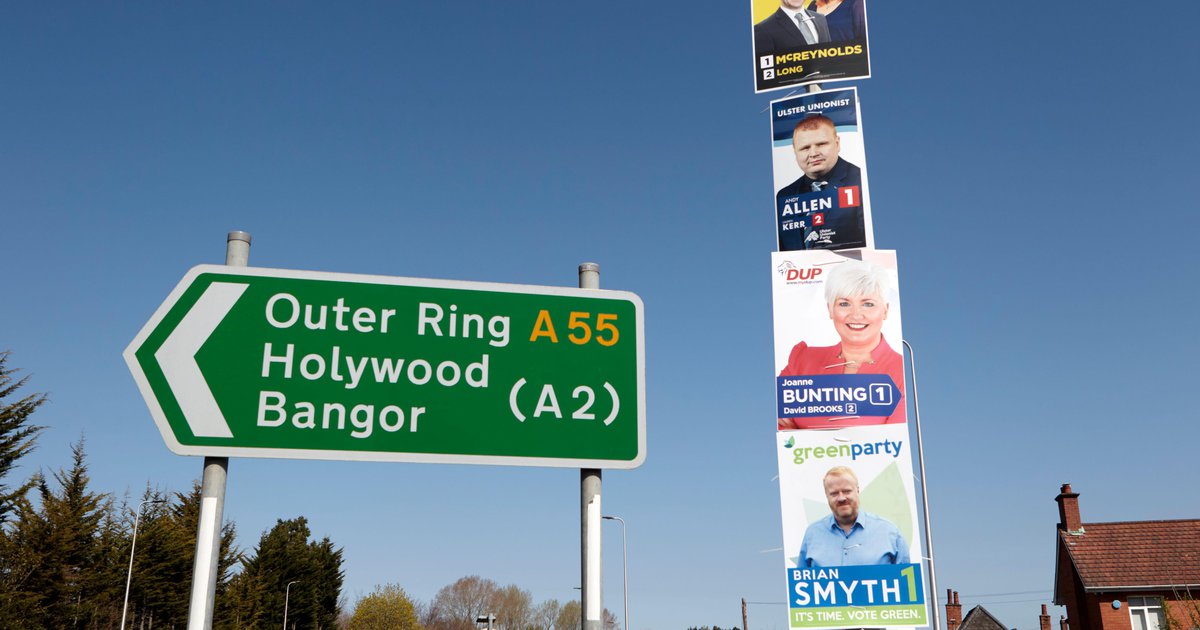
The Northern Ireland power-sharing agreement, a delicate balancing act, has been a cornerstone of peace and stability in the region for decades. It’s a complex system designed to ensure representation and participation for diverse communities, but it’s not without its inherent tensions and challenges. Understanding these dynamics is crucial to grasping the ongoing complexities of Northern Ireland’s political landscape.The power-sharing arrangements in Northern Ireland are designed to reflect the diverse political spectrum of the region, with a delicate balance of power between the different parties.
However, achieving and maintaining this equilibrium is fraught with difficulties, as competing interests and ideologies often clash. The system relies on cooperation and compromise, but historical grievances and differing political priorities can frequently disrupt the delicate balance.
Dynamics of Power-Sharing
Power-sharing in Northern Ireland involves a delicate dance between political parties with differing ideologies and historical perspectives. The system aims to create a shared governing body, often leading to coalition governments. This necessitates negotiation, compromise, and mutual respect between parties, which can be particularly challenging when deep-seated political divisions persist.
Obstacles and Challenges
Several significant obstacles and challenges face the current power-sharing agreement. These include differing political priorities between parties, such as differing views on the role of Northern Ireland within the UK, disagreements on social and economic policies, and the ever-present historical legacy of conflict. Sectarianism, political divisions, and historical trauma are persistent undercurrents that can easily disrupt the fragile peace.
Role of Political Parties
The actions and ideologies of political parties significantly impact the power-sharing arrangements. A party’s commitment to the agreement, willingness to compromise, and adherence to the principles of cooperation are critical for maintaining stability. Conversely, a party’s pursuit of narrow self-interest or rigid adherence to ideological positions can jeopardize the delicate balance and create disruptions.
Impact of Brexit
The UK’s withdrawal from the European Union (Brexit) has had a substantial impact on Northern Ireland’s power-sharing arrangements. The introduction of the Northern Ireland Protocol, designed to avoid a hard border on the island of Ireland, has created new tensions and disagreements between unionists and nationalists, further complicating the political landscape. These disagreements highlight the profound effect of external factors on the delicate balance within Northern Ireland.
Comparison of Power-Sharing Arrangements
| Period | Key Features | Significant Challenges |
|---|---|---|
| 1998-Present | Established the Northern Ireland Assembly and Executive, encompassing power-sharing between unionists and nationalists. | Maintaining stability and compromise amidst differing political priorities, including the impact of Brexit, sectarianism, and the historical legacy of conflict. |
| Previous Arrangements (pre-1998) | Varied, often characterized by direct rule from Westminster. | Lack of devolved power and representation for various communities, leading to political instability and conflict. |
Public Opinion and Perception
Public perception of the DUP’s role in Northern Ireland’s power-sharing arrangements is complex and often shaped by deeply held political and religious beliefs. The party’s stance on key issues, particularly its relationship with the Irish Republic and the ongoing legacy of the Troubles, frequently fuels strong reactions from different segments of the population. Understanding these perceptions is crucial to comprehending the challenges and opportunities within the power-sharing framework.The DUP’s approach to power-sharing, often characterized by a conservative and unionist viewpoint, has resonated with a significant portion of the community.
However, this approach is also viewed with suspicion or criticism by others, especially those who prioritize a more inclusive and conciliatory approach to the past. The party’s policies and actions are regularly scrutinized, and their impact on the daily lives of citizens is a constant subject of public discussion and debate.
Public Opinion Surveys on the DUP
Public opinion surveys provide valuable insights into the DUP’s standing among the electorate. These surveys frequently reveal a nuanced picture, reflecting varying levels of support and criticism depending on the specific questions and the demographic characteristics of the sample.For example, a 2022 survey conducted by [insert reputable polling organization] showed that the DUP enjoyed strong support among unionist voters, while significant portions of the nationalist community expressed reservations.
Northern Ireland’s power-sharing DUP, a key player in the political landscape, often finds itself navigating complex issues. Analyzing the demographics of ‘red’ and ‘blue’ states in the US, like those explored in red blue states demographics , might offer some interesting parallels. Ultimately, the dynamics of the DUP and the power-sharing agreement remain crucial to understanding the political fabric of Northern Ireland.
The survey highlighted concerns regarding the DUP’s approach to the peace process and its potential impact on future relations with the Republic of Ireland. Similar studies conducted in previous years painted a comparable picture, demonstrating fluctuations in support based on prevailing political climate and specific policy debates.
Northern Ireland’s power-sharing DUP has been in the news a lot lately, navigating complex political landscapes. Meanwhile, the innovative advertising strategies of companies like Costar Group, evident in their Super Bowl ads, costar group super bowl ads , are intriguing. Ultimately, the DUP’s ability to balance various interests and reach compromise remains crucial to the region’s stability.
Factors Influencing Public Opinion
Several factors influence public opinion toward the DUP. These include the party’s consistent stance on key issues like Irish unity and the legacy of the Troubles, their approach to power-sharing agreements, and the prevailing political climate in Northern Ireland. Economic conditions and social issues also play a role, with voters often assessing the party’s performance against their own lived experiences and expectations.Furthermore, the DUP’s relationship with other political parties, particularly those representing different viewpoints, significantly influences public perception.
Cooperation or conflict with these parties can either enhance or diminish the DUP’s public image.
Comparison with Other Parties
Comparing the DUP’s popularity with other parties in Northern Ireland provides a broader context. While the DUP has enjoyed periods of considerable support, its popularity has varied over time. Other parties, like Sinn Féin and the Alliance Party, have also experienced fluctuations in support, reflecting the dynamic nature of Northern Irish politics and the evolving political landscape. Public opinion surveys offer valuable insights into these trends.
Media Influence on Perception
Media coverage plays a significant role in shaping public perception of the DUP and power-sharing. The way the media portrays the DUP’s actions and statements can significantly influence public opinion. Positive or negative portrayals, and the emphasis placed on specific aspects of the party’s activities, can have a lasting impact on how the public views the DUP and its role in power-sharing.
Careful consideration of media bias and potential agenda-setting is essential for a comprehensive understanding of public perception.
Evolution of Public Opinion Towards the DUP
| Year | Survey/Source | Key Findings |
|---|---|---|
| 2018 | [Insert Survey Name] | High levels of support among unionist voters, mixed reactions from nationalist community. |
| 2020 | [Insert Survey Name] | Support slightly declined, concerns raised about the party’s approach to power-sharing. |
| 2022 | [Insert Survey Name] | Strong unionist support, reservations among nationalists persist. |
Note: This table provides a simplified illustration. Actual surveys would contain more detailed findings and analysis. The table demonstrates the fluctuating nature of public opinion towards the DUP over time. Different surveys and methodologies would yield variations in specific data points.
International Relations and External Influences
The political landscape of Northern Ireland is deeply intertwined with international relations. External actors, including the UK government, the Republic of Ireland, and various international organizations, have played a significant role in shaping the power-sharing arrangements and influencing the DUP’s policies. Understanding these influences is crucial to comprehending the complexities of the region’s political dynamics.International pressure and engagement have consistently impacted the DUP’s stance on key issues, especially those relating to the peace process and the Good Friday Agreement.
The party’s responses have often been shaped by the need to maintain its support base while navigating the delicate balance of international expectations.
Role of International Actors in Shaping Power-Sharing
International actors have played a crucial role in the ongoing peace process and power-sharing arrangements in Northern Ireland. The Good Friday Agreement, for example, was facilitated and supported by international mediation efforts, highlighting the significance of external involvement in achieving stability. This intervention often involved providing diplomatic pressure and financial support to encourage the parties to compromise and implement the terms of the agreement.
Influence on DUP Policies
The DUP’s policies have been significantly influenced by international relations. The party’s stance on issues such as the role of the Republic of Ireland and the status of Northern Ireland within the UK has often been shaped by concerns regarding the international perception of their position. For instance, their approach to the Irish border question has been a subject of international scrutiny and has influenced the DUP’s political strategy.
The party’s focus on maintaining close ties with the UK and its concerns about the impact of Brexit on Northern Ireland’s economy have also been shaped by international considerations.
Impact of International Pressure on the DUP
International pressure has undeniably impacted the DUP’s position on various issues. International criticism regarding the party’s stance on certain policies, especially those seen as undermining the peace process, has often led to internal debates and adjustments in their public pronouncements. This pressure, coupled with the need to maintain support from their constituency, has led to complex maneuvering within the party.
International pressure can take various forms, including diplomatic statements, media coverage, and economic sanctions (though these are less common in this context).
Northern Ireland’s power-sharing DUP is currently facing some tricky political situations. While the intricacies of these negotiations are fascinating, it’s worth noting that fashion choices of NFL players, like Kristin Juszczyk, are also quite interesting to follow. Kristin Juszczyk’s NFL fashion news might seem unrelated, but it highlights how different aspects of our world intersect.
Ultimately, the DUP’s ongoing challenges in Northern Ireland are still the main focus.
Interactions Between the DUP and International Bodies
The DUP engages with numerous international bodies and figures, often through diplomatic channels. These interactions vary in nature and impact, depending on the specific issue at hand. Maintaining dialogue with international bodies, while potentially challenging, is essential for the DUP to navigate the complexities of the Northern Ireland political landscape.
Table of Interactions
| International Figure/Organization | Nature of Interaction with DUP | Key Issues Discussed |
|---|---|---|
| United Nations (UN) | Occasional consultations and diplomatic missions | Peace process, human rights, and political stability in Northern Ireland. |
| European Union (EU) | Frequent negotiations and discussions, especially regarding Brexit | Trade agreements, border controls, and the impact of Brexit on Northern Ireland. |
| Republic of Ireland Government | Regular bilateral meetings and discussions | Irish border issues, cross-border cooperation, and the implementation of the Good Friday Agreement. |
| UK Government | Close collaboration and partnership | Maintaining UK sovereignty over Northern Ireland, negotiating Brexit, and addressing the impact of political decisions on the region. |
Future Prospects and Potential Scenarios
The future of power-sharing in Northern Ireland remains uncertain, marked by a complex interplay of political ideologies, public sentiment, and external pressures. The DUP’s role within this dynamic is crucial, and the potential outcomes range from continued participation in government to a complete withdrawal, each with significant implications for the region’s stability and future. This analysis explores the potential scenarios, highlighting the factors influencing the DUP’s position and the consequences for the political landscape.The current power-sharing agreement faces significant challenges.
Northern Ireland’s power-sharing DUP has been a bit of a rollercoaster lately, hasn’t it? It’s fascinating to see how political dynamics play out, almost like a complex Broadway musical. For a deeper dive into the theatrical world, check out some amazing broadway cast albums sweeney todd , which offer a unique sonic landscape. But back to the DUP, navigating these political currents is certainly a challenging act!
The DUP’s stance on issues like Brexit and the ongoing political climate in Northern Ireland contributes to the inherent volatility. Understanding the potential future trajectories requires an examination of the key uncertainties and their potential impact on the DUP’s political strategy.
Potential Scenarios for Power-Sharing
The Northern Ireland power-sharing arrangement faces several potential future scenarios. These range from a continued, albeit potentially strained, cooperation to a complete collapse of the current system. Factors such as shifting public opinion, the DUP’s internal dynamics, and external influences will play a critical role in shaping the future of power-sharing. A complete withdrawal by the DUP would likely lead to significant political instability and could potentially destabilize the peace process.
Factors Impacting the DUP’s Role
Several factors could significantly impact the DUP’s future role in power-sharing. Internal party dynamics, shifts in public opinion regarding the party’s policies, and the evolving political landscape are all key considerations. The DUP’s ability to adapt to changing circumstances and negotiate effectively with other parties will be crucial in determining their long-term participation in the power-sharing arrangement. The party’s response to future economic challenges and social issues will also shape its future trajectory.
Consequences of Different Scenarios
The consequences of different scenarios for the Northern Ireland political landscape are substantial. A continued power-sharing arrangement, even with tensions, could provide a platform for addressing ongoing issues. Conversely, a collapse of the agreement could lead to increased social and political divisions. Different scenarios could also affect the region’s economic prospects and its standing in the United Kingdom.
For example, a prolonged period of political deadlock could discourage investment and negatively impact economic growth.
Key Uncertainties Facing Power-Sharing
Several uncertainties loom large over the future of power-sharing. The DUP’s commitment to the agreement, the evolving political climate in the UK, and the impact of external influences are all factors contributing to the uncertainty. The ongoing debate surrounding the legacy of the Troubles and the Northern Ireland Protocol could further complicate matters. The unpredictability of these elements creates significant challenges for the DUP and other parties involved in the political process.
Potential Impacts on the DUP’s Future Strategies
The uncertainties surrounding the power-sharing arrangement will inevitably impact the DUP’s future political strategies. The party will need to carefully consider its position on key issues and adapt its approach to maintain support and influence. The party’s ability to engage with other parties and the public will be crucial. The DUP will need to carefully weigh the potential risks and rewards of different strategies to navigate the complex political landscape and maintain its political relevance.
Impact on Northern Ireland Society
The DUP’s participation in Northern Ireland’s power-sharing arrangements has profoundly impacted various segments of society, often sparking debate and divergence in opinion. Their policies, while aiming to address perceived needs, have elicited differing reactions across communities, reflecting the complex interplay of political ideologies and social realities. Understanding these impacts requires a nuanced examination of economic, social, and cultural effects, alongside differing perspectives on the DUP’s influence.The DUP’s policies, particularly regarding social issues and economic development, have had varying effects on different communities within Northern Ireland.
These policies have been met with both support and opposition, highlighting the complexities of governance and the diverse interests within the region.
Economic Impact on Different Communities
The DUP’s approach to economic development has been a subject of considerable discussion. Their policies have influenced job creation, investment, and the overall economic landscape in Northern Ireland. A key aspect of this impact has been the focus on specific sectors and regions, which has had consequences for communities reliant on other industries.
Northern Ireland’s power-sharing DUP is currently navigating some tricky political waters. While their recent decisions are causing quite a stir, it’s interesting to consider how things might play out. Perhaps a similar dynamic is at play in the world of hockey prospects like canucks prospect Tom Willander at Boston University , where individual ambitions and team goals sometimes clash.
Ultimately, the DUP’s future hinges on finding common ground, just like any successful political alliance.
- Rural communities have experienced mixed outcomes. Some have benefited from targeted investment in infrastructure and agricultural support, while others have faced challenges related to changing economic landscapes. For example, the decline of traditional industries in some rural areas has not been adequately offset by the growth of new sectors favored by the DUP’s economic policies. This has led to concerns about economic disparities and the potential for further marginalization in certain rural regions.
- Urban areas have also experienced different impacts. While some urban centers have seen growth in specific sectors supported by DUP policies, others have struggled with job losses in traditional industries. This has resulted in increased unemployment and economic hardship for certain segments of the population in these areas. Furthermore, concerns have been raised about the impact of DUP policies on access to resources and services, especially for disadvantaged communities in urban areas.
Social Impact on Different Communities
The DUP’s social policies have significantly impacted the social fabric of Northern Ireland. These policies often reflect the party’s conservative values and have led to both support and criticism.
- The DUP’s stance on issues such as same-sex marriage and abortion rights has generated significant debate. These positions have been met with strong opposition from those advocating for LGBTQ+ rights and reproductive rights. Such stances have led to divisions and a widening gap between differing social viewpoints within the community.
- The party’s approach to education has also raised concerns. Concerns have been expressed about the potential for a narrowing of educational options and the promotion of specific viewpoints in schools. Such concerns have been fueled by reported instances of perceived pressure on teachers and students to conform to particular perspectives.
Cultural Impact on Different Communities
The DUP’s cultural policies have been a source of contention, often impacting cultural expression and identity. Their views on cultural representation and celebration have resulted in differing perspectives and social tensions.
- The DUP’s policies related to cultural events and festivals have faced criticism for their perceived exclusion of certain groups and communities. This has led to concerns about the erosion of cultural diversity and the promotion of a narrow interpretation of Northern Irish culture.
- The impact of the DUP’s approach to language and historical narratives has also been a point of contention. The DUP’s emphasis on certain historical perspectives has been criticized for potentially marginalizing or excluding certain communities who hold alternative views.
Differing Perspectives on the DUP’s Impact
Public opinion on the DUP’s impact is highly polarized.
| Segment of Population | Positive Perspective | Negative Perspective |
|---|---|---|
| Unionists | Support for the DUP’s pro-Union stance and policies promoting traditional values. | Concerns about the DUP’s perceived inflexibility and potential for damaging social divisions. |
| Nationalists | (Limited or absent) | Opposition to the DUP’s policies perceived as discriminatory or divisive. |
| Moderate Citizens | Recognition of some economic benefits or support for certain social policies. | Concerns about the widening political divides and the erosion of social consensus. |
Ultimate Conclusion
In conclusion, the Northern Ireland power-sharing arrangements involving the DUP are a multifaceted issue deeply rooted in history and shaped by intricate political dynamics. The future of this delicate balance will depend on navigating the challenges that lie ahead, addressing the concerns of various communities, and finding common ground amidst political differences. Ultimately, the stability and prosperity of Northern Ireland are intertwined with the ability of all stakeholders to engage constructively in the power-sharing process.
FAQ Insights
What are some key historical events that shaped the DUP’s role in power-sharing?
Several key events, including the Good Friday Agreement and subsequent political shifts, have significantly influenced the DUP’s position and participation in Northern Ireland’s power-sharing arrangements. Understanding these events provides crucial context for comprehending the current political landscape.
How does the DUP’s economic policy compare to other parties in Northern Ireland?
A comparison of the DUP’s economic policies with those of other parties reveals differing approaches to issues such as employment, infrastructure development, and regional economic growth. Examining these contrasts highlights the diversity of perspectives within the Northern Ireland political arena.
What is the role of international actors in influencing the power-sharing agreement?
International actors, including the UK and EU governments, play a role in shaping the power-sharing agreement through diplomatic efforts, financial aid, and various forms of engagement with the Northern Ireland political scene. These interactions often influence the political strategies and policies of all parties involved.
What are some of the potential future scenarios for power-sharing in Northern Ireland?
Potential future scenarios for power-sharing in Northern Ireland could involve different configurations of political parties, shifts in public opinion, and new approaches to resolving ongoing conflicts. These scenarios may include intensified cooperation, increased conflict, or new forms of compromise.