Forest Bathing Emerges as a Powerful Natural Therapy for Stress Reduction and Immune Support

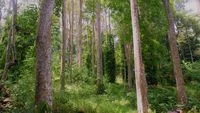
The practice of immersing oneself in nature, known as forest bathing, is gaining significant traction globally as a profound method for alleviating stress and bolstering overall well-being. Originating from Japan as "shinrin-yoku," which translates to "forest bathing," this therapeutic approach transcends mere outdoor recreation. It involves a mindful engagement with the natural environment, utilizing all senses to foster a deep connection and promote healing. This article delves into the origins, benefits, practical application, and broader implications of forest bathing, a practice that offers a natural antidote to the pressures of modern life.
The Genesis of Shinrin-Yoku
The concept of shinrin-yoku emerged in Japan in the early 1980s, a period marked by increasing urbanization and a growing awareness of the health implications of high-stress lifestyles. The Japanese Forestry Agency recognized the need for a practice that could reconnect people with nature and counter the detrimental effects of modern living. They coined the term "shinrin-yoku" and began promoting it as a form of preventative healthcare. The underlying philosophy draws from ancient Japanese traditions that emphasize harmony with nature, incorporating concepts such as "yugen" (a profound, mysterious sense of the beauty of the universe and the painful awareness of its transience), "komorebi" (sunlight filtering through trees), and "wabi-sabi" (the appreciation of beauty that is imperfect, impermanent, and incomplete).
Unlike strenuous hikes or athletic pursuits, forest bathing is characterized by a slow, deliberate pace. The primary objective is not physical exertion but rather a state of heightened awareness and presence. As clinical psychologist Susan Albers explains, the sensory input from a forest—its sights, sounds, and smells—guides individuals to the present moment, effectively halting the cyclical nature of anticipatory, retrospective, and worry-driven thought patterns. This mindful engagement allows the mind to quiet down, fostering a sense of peace and tranquility.
Scientific Backing for Nature’s Healing Power
A growing body of scientific research is substantiating the profound positive impacts of forest bathing, particularly on mental and physical health. Studies have consistently demonstrated its efficacy in reducing physiological markers of stress and enhancing psychological well-being.
Reducing Stress Hormones
One of the most well-documented benefits of forest bathing is its ability to lower cortisol levels, the body’s primary stress hormone. Research published by institutions like Stanford Lifestyle Medicine has indicated that spending time in green spaces can effectively mitigate the effects of chronic stress. By shifting the brain’s focus away from stressors and immersing it in a calming natural environment, forest bathing helps to break the cycle of overthinking and anxiety. This reduction in stress hormones can have far-reaching benefits, contributing to improved sleep quality, enhanced mood, and a greater sense of overall resilience.
Boosting Mood and Combating Depression
The restorative power of nature extends to its capacity to uplift mood and alleviate symptoms of mild depression. Exposure to verdant environments has been shown to trigger positive emotional responses, leading to a more stable and balanced emotional state. The calming presence of trees and the gentle sounds of nature can act as a balm for the soul, offering respite from the emotional burdens of daily life. This effect is particularly valuable in urban settings where access to nature may be limited, highlighting the importance of urban green spaces for mental health initiatives.
Strengthening the Immune System
Beyond its mental health benefits, forest bathing has also been linked to significant improvements in immune function. A seminal study conducted in 2010 revealed that individuals who spent time walking in forests experienced an increase in Natural Killer (NK) cells, a type of white blood cell crucial for fighting infections and cancer. The researchers found that these elevated levels of immune-boosting proteins and cells persisted for up to a week after the forest visits. This phenomenon is attributed, in part, to the inhalation of phytoncides, airborne chemicals emitted by trees, which are believed to have antimicrobial and immune-enhancing properties.
Enhancing Cognitive Function
The fresh, oxygen-rich air found in forest environments can significantly contribute to improved cognitive functions. Studies have indicated that forest bathing can enhance concentration, boost creativity, and promote mental clarity. The immersive experience of nature can act as a cognitive reset, allowing the brain to recover from the demands of constant stimulation and information overload. This is particularly beneficial for individuals experiencing mental fatigue or struggling with focus in their daily lives.
Cardiovascular Benefits
Research has also pointed to the positive effects of forest bathing on cardiovascular health. A 2011 study, for instance, found that forest therapy interventions were beneficial in lowering blood pressure and improving adiponectin levels. Adiponectin is a protein hormone that plays a vital role in regulating blood glucose levels and has been associated with reduced inflammation and improved insulin sensitivity. These findings suggest that forest bathing can be a valuable complementary approach to managing cardiovascular risk factors.

Practical Application of Forest Bathing
The beauty of forest bathing lies in its accessibility and adaptability. While the ideal setting is a natural forest or woodland, the principles can be applied in various natural settings, even within urban environments.
In Natural Forests and Woodlands
The most immersive forest bathing experience is undoubtedly found in pristine natural forests. Here, individuals can fully engage with the environment by:
- Mindful Walking: Strolling at a slow, unhurried pace, paying attention to the sensation of your feet on the ground, the sounds of birdsong, and the rustling of leaves.
- Sensory Engagement: Actively noticing the visual textures of bark and leaves, the scent of pine needles and damp earth, the feel of a gentle breeze, and the warmth of sunlight.
- Stillness and Observation: Finding a comfortable spot to sit or stand and simply observe the natural world without judgment. This could involve watching insects, observing the movement of clouds, or listening to the subtle sounds of the forest.
- Breathing Exercises: Deep, conscious breathing exercises can enhance the calming effects of the natural environment.
Adapting Forest Bathing in Urban Settings
For those living in densely populated urban areas, forest bathing doesn’t have to be an unattainable luxury. The core principles can be adapted to accessible green spaces:
- City Parks: Even a small urban park can offer a sanctuary from the concrete jungle. Focus on the presence of trees, the sounds of birds, and the feeling of grass beneath your feet.
- Green Roofs and Balcony Gardens: If outdoor access is extremely limited, even tending to a few plants on a balcony or visiting a green rooftop can provide a sense of connection to nature.
- Botanical Gardens and Arboretums: These curated spaces offer a concentrated dose of nature and can be excellent locations for mindful exploration.
- Indoor Plants and Nature Sounds: In situations where direct nature exposure is impossible, bringing plants into indoor spaces and playing nature sound recordings can offer some degree of restorative benefit.
The key is to approach these environments with the same intention of mindful engagement and sensory awareness as one would in a remote forest.
Broader Implications and Future Outlook
The growing recognition of forest bathing as a legitimate therapeutic practice carries significant implications for public health and environmental policy. As scientific evidence continues to mount, there is a growing call for the integration of nature-based therapies into mainstream healthcare systems.
Public Health Initiatives
Governments and public health organizations are increasingly exploring ways to leverage the benefits of nature for population well-being. This could involve developing more accessible urban green spaces, promoting nature prescriptions as a complementary treatment for various health conditions, and investing in research to further understand the mechanisms behind nature’s healing effects. The cost-effectiveness of such interventions, compared to traditional medical treatments for stress-related illnesses, is also a compelling factor driving interest.
Environmental Conservation
The appreciation for forests fostered by practices like forest bathing can also translate into stronger support for environmental conservation efforts. As more people experience the profound benefits of natural environments, there is a heightened awareness of the importance of preserving these ecosystems for future generations. This can lead to increased advocacy for protected areas, sustainable forestry practices, and initiatives to combat deforestation and climate change.
The Future of Wellness
Forest bathing represents a paradigm shift in how we approach wellness, moving away from purely medical interventions towards a more holistic, preventative, and nature-integrated model. It underscores the intrinsic connection between human health and the health of the planet. As the demands of modern life continue to grow, the need for practices that promote balance, reduce stress, and foster a sense of well-being will only intensify. Forest bathing, with its roots in ancient wisdom and its validation through modern science, is poised to play an increasingly vital role in this evolving landscape of health and wellness.
While forest bathing offers immense potential, it is crucial to remember that it is not a substitute for professional medical treatment. However, as a safe, accessible, and profoundly beneficial lifestyle practice, it stands as a powerful tool for managing everyday stress, enhancing emotional resilience, and nurturing a deeper connection with the natural world. The simple act of walking amongst trees, with mindful intention, can unlock a cascade of physical and psychological benefits, offering a potent and natural path to a healthier and more balanced life. The ongoing research promises to further illuminate the intricate ways in which nature heals, solidifying forest bathing’s place as a cornerstone of modern well-being.
Related posts: