
Veal Scaloppini With Lemon Cream Sauce
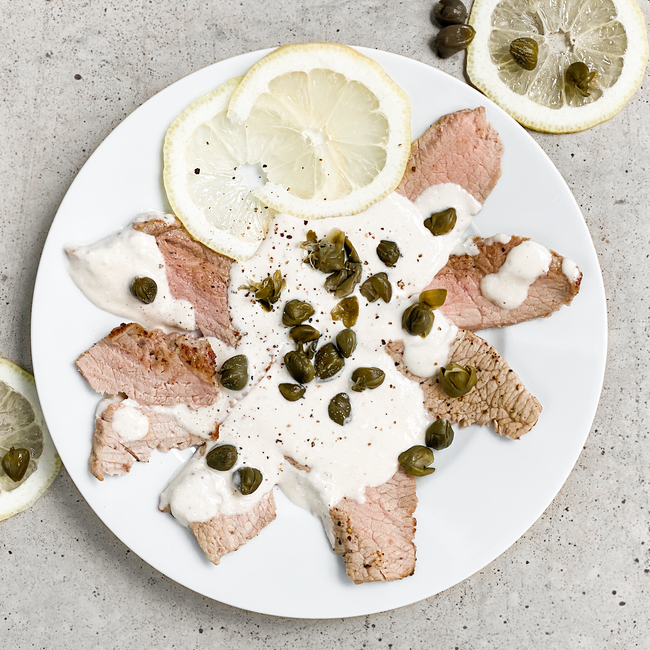
Veal Scaloppini with Lemon Cream Sauce: An Elegant Italian Classic
Veal scaloppini with lemon cream sauce represents a cornerstone of Italian-American cuisine, lauded for its delicate flavors, quick preparation, and elegant presentation. This dish, often found on restaurant menus, is surprisingly approachable for home cooks, offering a taste of sophisticated dining without requiring advanced culinary techniques. The fundamental concept involves thinly pounded veal cutlets, pan-seared to a tender perfection, and then bathed in a luscious, bright lemon cream sauce. The beauty of scaloppini lies in its versatility; while the classic lemon cream is a perennial favorite, variations abound, reflecting regional Italian influences and personal preferences. Understanding the nuances of each component – the veal, the searing technique, and the sauce – is key to mastering this delightful dish.
The foundation of veal scaloppini is, unequivocally, the veal itself. For optimal results, opt for high-quality veal cutlets specifically designated for scaloppini or cutlets from the top round or leg. The key characteristic of scaloppini is its thinness, typically no more than a quarter-inch thick. This thinness is achieved through a process called pounding, or "battuto" in Italian. Placing the cutlets between two sheets of plastic wrap or parchment paper, and then using the flat side of a meat mallet or even a heavy saucepan, gently but firmly pound the meat. The goal is to achieve uniform thickness without tearing the delicate fibers of the veal. This process not only tenderizes the meat but also ensures even cooking. Over-pounding can result in mushy or shredded meat, so a controlled, even pressure is essential. The quality of the veal directly impacts the final flavor and texture. Look for veal with a pale pink hue and minimal marbling. The source of the veal is also a consideration; ethically raised and sustainably sourced veal often boasts superior flavor and texture. The cut of veal is important as well. While top round is commonly used due to its leanness and ability to be pounded thin, cuts like the sirloin can also yield excellent results, offering a slightly richer flavor. Regardless of the specific cut, proper pounding is paramount.
The searing of the veal scaloppini is a critical step that dictates both texture and flavor. A hot pan, typically a stainless steel or cast-iron skillet, is essential for achieving a beautiful sear. A moderate amount of fat, such as olive oil or a combination of butter and olive oil, should be used. The fat should be shimmering, indicating it’s hot enough to create a quick sear. The veal cutlets should be seasoned generously with salt and freshly ground black pepper just before they hit the pan. Over-salting can draw out too much moisture, leading to a dry scaloppini. Once the fat is hot, place the seasoned cutlets into the skillet, ensuring not to overcrowd the pan. Overcrowding will steam the meat rather than sear it, resulting in a less desirable texture and color. Cook each side for approximately 1 to 2 minutes, or until golden brown and cooked through. The thinness of the scaloppini means they cook very quickly, so vigilance is key to prevent overcooking, which can render the veal tough and dry. The goal is a tender, slightly browned exterior with a juicy, tender interior. The Maillard reaction, responsible for the browning and much of the flavor development, occurs rapidly on these thin cutlets. Remove the seared scaloppini from the pan and set them aside on a plate, keeping them warm. This brief cooking time is a hallmark of scaloppini dishes and contributes to their reputation as quick and elegant meals.
The lemon cream sauce, the vibrant heart of this dish, requires careful attention to balance and flavor. The base of the sauce is typically formed by deglazing the pan used for searing the veal. This process captures all the flavorful browned bits – the fond – left behind from the searing. Typically, this is done with a liquid such as white wine or chicken broth. A dry white wine, like Pinot Grigio or Sauvignon Blanc, adds a pleasant acidity and depth of flavor. The wine should be allowed to simmer and reduce slightly, evaporating some of the alcohol and concentrating its flavor. Following the wine, heavy cream is introduced, forming the luxurious base of the sauce. The cream should be allowed to simmer gently and thicken, creating a rich and velvety texture. It’s important not to boil the cream vigorously, as it can separate. The acidity from the lemon juice is crucial for cutting through the richness of the cream and providing a bright, zesty counterpoint. Freshly squeezed lemon juice is always preferred over bottled for its superior flavor. The amount of lemon juice can be adjusted to personal preference, but it should be prominent without being overwhelmingly sour. Seasoning with salt and white pepper (to avoid dark flecks in the sauce) is essential. Some recipes also incorporate a touch of butter at the end to further emulsify and enrich the sauce. The addition of fresh herbs, most commonly parsley or chives, at the very end adds a burst of freshness and visual appeal. The consistency of the sauce is also important; it should be thick enough to coat the back of a spoon but still pourable.
Variations on the classic lemon cream sauce abound, offering diverse flavor profiles. One popular rendition includes capers, their briny tang providing a delightful contrast to the richness of the sauce. Another common addition is mushrooms, sautéed separately and then incorporated into the sauce, adding an earthy depth. Some chefs opt for a touch of Dijon mustard for a subtle bite and emulsifying properties. For those seeking a dairy-free alternative, a coconut milk or cashew cream base can be employed, though the flavor profile will naturally shift. The key to any successful variation is to maintain a balance of richness, acidity, and seasoning. The introduction of additional ingredients should complement, not overpower, the delicate flavor of the veal. For instance, when adding mushrooms, sautéing them until golden brown before incorporating them into the sauce will maximize their flavor. Similarly, capers should be rinsed if they are particularly salty. The versatility of the sauce allows for experimentation, making it a dynamic component of the dish.
Serving veal scaloppini with lemon cream sauce is an opportunity to create an elegant presentation. The seared scaloppini are typically arranged on the plate, and the warm lemon cream sauce is generously spooned over them. Garnish is key to elevating the dish. Freshly chopped parsley or chives are classic choices, adding a vibrant splash of green. A wedge of fresh lemon on the side allows diners to add an extra burst of citrus if desired. Traditional accompaniments include simple side dishes that complement the richness of the scaloppini without competing for attention. Steamed or sautéed asparagus, tender green beans, or a light risotto are excellent choices. A simple side salad with a vinaigrette dressing can also provide a refreshing contrast. The color palette of the dish – the pale pink of the veal, the creamy white sauce, and the green garnish – is inherently appealing. When plating, consider creating visual layers, perhaps placing the scaloppini slightly overlapping, and allowing the sauce to cascade over them. The aroma of the lemon and cream, combined with the subtle scent of the seared veal, contributes to the overall dining experience.
The nutritional profile of veal scaloppini with lemon cream sauce is worth noting. Veal is a good source of protein, B vitamins (particularly B12 and niacin), and minerals like zinc and iron. However, the presence of heavy cream and butter in the sauce contributes to its fat and calorie content. For those mindful of dietary intake, modifications can be made. Using a lighter cream or a milk and flour roux can reduce fat. Opting for a leaner cut of veal, though the pounding process generally tenderizes even lean cuts. The lemon juice, while providing flavor, also contributes vitamin C. The overall healthfulness of the dish is dependent on portion size and the specific ingredients and preparation methods employed. Understanding the macronutrient breakdown allows for informed decisions when preparing or consuming this dish. While often considered an indulgence, it can be made more health-conscious with careful ingredient choices.
From a culinary history perspective, scaloppini is a testament to the Italian philosophy of maximizing flavor from simple, high-quality ingredients. While the exact origin is debated, the technique of pounding thin cuts of meat and creating a pan sauce is deeply ingrained in Italian cooking traditions. The "alla Milanese" preparation, featuring breaded and fried veal cutlets, is a well-known cousin, showcasing the versatility of veal. The lemon cream sauce, with its bright, herbaceous notes, speaks to the Mediterranean influences of Italian cuisine. The adaptation of this dish in Italian-American restaurants has cemented its place in global culinary consciousness. The evolution of scaloppini reflects the migration of culinary traditions and their adaptation to new ingredients and palates. The timeless appeal of this dish lies in its ability to transport diners to a trattoria in Italy with every bite.
The wine pairing for veal scaloppini with lemon cream sauce is an important consideration for enhancing the dining experience. The delicate nature of the veal and the bright acidity of the lemon cream sauce call for wines that can complement, rather than overpower, these flavors. Crisp, dry white wines are generally the preferred choice. Italian whites like Pinot Grigio or Gavi are excellent options, their minerality and citrus notes harmonizing with the lemon. A Vermentino, with its slight salinity and herbal undertones, also pairs beautifully. For those who prefer a touch more body, a well-chilled Chardonnay that has not been heavily oaked can work, provided its acidity is still present. The oak should be subtle, allowing the fruit and lemon notes to shine. If red wine is desired, opt for a very light-bodied, low-tannin option. A young Beaujolais or a Valpolicella can be suitable, but white wine remains the more traditional and often more successful pairing. The key is to choose a wine that has enough acidity to cut through the richness of the cream sauce and enough fruit to complement the lemon. Avoid heavy, tannic reds, which will clash with the delicate flavors of the veal and sauce.
Mastering veal scaloppini with lemon cream sauce offers a rewarding culinary skill. The emphasis on precise pounding, swift searing, and balanced sauce creation contributes to a dish that is both impressive and accessible. The principles learned in preparing this dish – managing heat, deglazing, and emulsifying sauces – are transferable to countless other culinary endeavors. The ability to create an elegant meal from relatively few, high-quality ingredients is a hallmark of accomplished cooking. The satisfaction derived from presenting a perfectly executed scaloppini, bathed in its luminous lemon cream sauce, is immense. It’s a dish that celebrates simplicity, quality, and the enduring appeal of Italian flavors. The journey from raw cutlet to finished masterpiece is a testament to culinary artistry and the joy of creating delicious food.