
Irish Soda Bread And Whiskey Butter
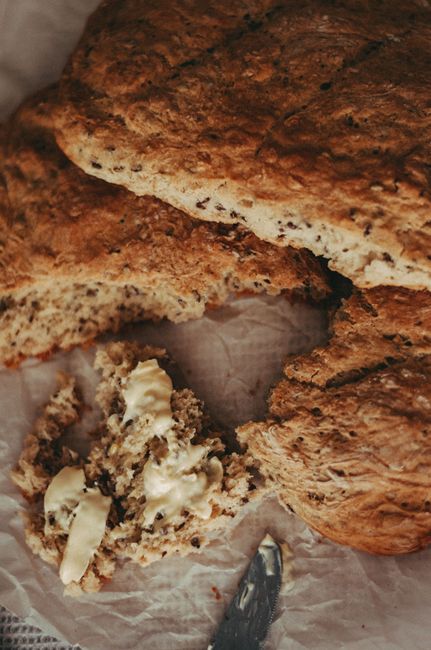
Irish Soda Bread and Whiskey Butter: A Culinary Cornerstone of Irish Tradition
Irish soda bread, a staple in Irish households for centuries, is a testament to simplicity and resourcefulness. Its origin is intrinsically linked to the readily available ingredients in a traditional Irish kitchen: flour, buttermilk, baking soda, and salt. Unlike yeast-leavened breads that require time for proofing and rising, soda bread’s magic lies in the chemical reaction between the acidic buttermilk and alkaline baking soda, producing carbon dioxide gas that leavens the dough quickly. This expediency was crucial in times when fuel for ovens was scarce and precious. The quintessential Irish soda bread is a rustic, dense loaf with a distinctive cross scored into its top before baking. This cross, often said to be for warding off evil spirits or simply to allow the heat to penetrate the dense dough evenly, is a visual hallmark of this beloved bread. Its crust is typically hearty and browned, offering a satisfying crunch, while the interior remains moist and slightly crumbly, with a subtle tang from the buttermilk. While the basic recipe remains remarkably consistent, regional variations exist. Some bakers incorporate caraway seeds for a hint of anise, while others add dried fruit like raisins or currants to create a sweeter, more dessert-like version. The unfussy nature of soda bread makes it incredibly versatile. It is traditionally served alongside hearty stews, enjoyed with a generous slathering of butter at breakfast, or simply torn and eaten as a snack. Its ease of preparation, coupled with its comforting and filling nature, has cemented its status as a culinary icon, representing a direct link to the humble yet resilient spirit of Irish cooking.
Whiskey butter, often referred to as ‘butterscotch’ by some, is a decadent accompaniment that elevates the simple pleasure of Irish soda bread to an entirely new level. This rich, sweet, and subtly boozy spread is the perfect foil to the slightly tangy and earthy notes of the soda bread. At its core, whiskey butter is a simple emulsion of softened butter, sugar, and Irish whiskey. The magic lies in the quality of the ingredients and the balance of flavors. Unsalted butter provides a creamy base, ensuring a smooth and luscious texture. The sugar, typically granulated or brown sugar, provides the sweetness that complements the savory bread and the warmth of the whiskey. The star ingredient, of course, is Irish whiskey. The choice of whiskey can significantly influence the final flavor profile. A mild, smooth Irish whiskey will impart a gentle warmth and subtle oak notes, while a more robust expression can introduce hints of spice and fruit. The alcohol content of the whiskey also plays a role, contributing to the overall aroma and taste. Traditionally, whiskey butter is made by simply creaming together softened butter and sugar until light and fluffy, then gradually incorporating the whiskey until well combined. Some recipes may suggest adding a touch of vanilla extract for added complexity, or even a pinch of salt to enhance the sweetness. The result is a spread that is both comforting and sophisticated, a testament to the Irish appreciation for simple yet impactful flavor combinations. The natural pairing of Irish whiskey and dairy is a long-standing tradition, evident in numerous Irish desserts and beverages, and whiskey butter is a prime example of this harmonious relationship.
The historical context of Irish soda bread is deeply rooted in the agricultural and economic realities of Ireland. Prior to the widespread availability of commercial yeast and reliable ovens, baking was a more laborious and resource-intensive process. The introduction of baking soda in the 19th century revolutionized bread-making for many households. Baking soda, an alkaline compound, reacts with acidic ingredients to produce carbon dioxide gas, which causes dough to rise. Buttermilk, a natural byproduct of butter making, was readily available in Irish farmsteads and provided the necessary acidity. This chemical reaction meant that a loaf of bread could be mixed and baked in a fraction of the time required for yeast-leavened bread, a significant advantage when fuel was limited. The simple, four-ingredient recipe – flour, baking soda, salt, and buttermilk – made it accessible to even the most modest of kitchens. The scarcity of ingredients and the need for efficient methods of food preparation fostered an innovative spirit in Irish cooking, and soda bread stands as a shining example of this ingenuity. The iconic cross scored onto the top of the bread is not merely decorative; it served a practical purpose. In dense, unleavened doughs, the cross helped the heat penetrate more evenly, ensuring that the center of the loaf cooked through without the crust becoming overdone. It was also believed to have a symbolic significance, a nod to Christian traditions and a way to bless the bread and protect the home. The rustic nature of soda bread, with its hearty crust and dense crumb, reflects the sustenance it provided to a population often facing hardship.
The evolution of Irish soda bread has seen it transcend its humble origins to become a celebrated culinary export. While the traditional recipe remains popular, numerous variations have emerged, catering to diverse palates and preferences. The inclusion of ingredients like raisins, currants, caraway seeds, or even whole wheat flour has added layers of flavor and texture to the classic formula. The addition of fruit, such as in a "spotted dog" (a soda bread studded with raisins), transforms the loaf into a sweeter, more dessert-appropriate treat, often enjoyed with afternoon tea. Caraway seeds, with their distinctive anise-like flavor, offer a savory counterpoint, complementing the bread’s inherent tanginess. Whole wheat flour, while altering the texture to be denser and nuttier, appeals to those seeking a more wholesome option. The popularity of soda bread has also led to its incorporation into modern baking trends, with chefs and home bakers experimenting with infused butters, glazes, and even savory additions like cheese and herbs. However, the essence of true Irish soda bread lies in its simplicity and its connection to tradition. The act of making and sharing soda bread often evokes a sense of nostalgia and community, a tangible link to generations past. It’s a bread that requires no fussy kneading, no long proofing times, just a quick mix and a bake. This accessibility makes it an ideal recipe for home bakers of all skill levels, further contributing to its enduring appeal.
The pairing of Irish soda bread with whiskey butter is not merely a culinary suggestion; it’s a cultural statement that speaks to the heart of Irish gastronomy. Both elements are deeply intertwined with the Irish identity and have a shared history of resourcefulness and simple, yet profound, pleasures. The traditional Irish diet, historically reliant on staple crops like potatoes and grains, was often supplemented by dairy products and, of course, the omnipresent whiskey. The creation of whiskey butter is a natural extension of this culinary landscape. The practice of infusing spirits into food and drink is a long-standing tradition in many cultures, and Ireland is no exception. Whiskey, with its warming qualities and complex flavor profile, readily lends itself to such an application. The process of making whiskey butter is elegantly straightforward, allowing the inherent qualities of the butter and whiskey to shine. Softened butter, with its rich mouthfeel, serves as the perfect canvas for the sweetness of sugar and the distinctive notes of Irish whiskey. The sugar not only provides sweetness but also helps to emulsify the butter and whiskey, creating a smooth and spreadable consistency. The type of whiskey used can subtly alter the final flavor. A lighter, more delicate Irish whiskey will impart a gentle warmth and subtle oak undertones, while a bolder, more robust whiskey might introduce hints of spice, peat, or fruit. The interplay between the slightly tangy soda bread and the sweet, boozy butter creates a symphony of flavors and textures that is uniquely Irish. It’s a pairing that speaks of comfort, warmth, and the simple joy of good food and drink.
The creation of a truly exceptional whiskey butter hinges on several key elements, emphasizing quality and balance. The butter itself is paramount. Opting for a high-quality, unsalted butter is crucial. Unsalted butter allows for greater control over the salt content of the final spread, and its pure, creamy flavor profile provides an excellent base. The fat content of the butter also plays a role in its texture and ability to emulsify with the whiskey and sugar. Sugar, while providing sweetness, also contributes to the texture and stability of the butter. Granulated sugar is a common choice, but brown sugar can add a lovely caramel note and a slightly chewier texture. The choice of Irish whiskey is arguably the most impactful decision. While any Irish whiskey can technically be used, selecting one with a flavor profile that complements the butter and bread is key. A smooth, approachable blend like Jameson or Bushmills Original will offer a gentle warmth and subtle oak notes without overpowering the other ingredients. For a more complex flavor, consider a small-batch pot still whiskey which might introduce hints of spice and fruit. Single pot still whiskeys, with their distinct character, can also be a delightful choice, adding depth and nuance. The method of incorporation is also important. Softening the butter to room temperature is essential for achieving a smooth, lump-free consistency. Gradually adding the sugar and whiskey, while creaming the mixture, ensures a well-emulsified spread. Some recipes may suggest a pinch of salt to enhance the sweetness or a dash of vanilla extract for added aroma. The ratio of butter, sugar, and whiskey is a matter of personal preference, but a good starting point often involves equal parts butter and sugar, with whiskey added incrementally until the desired flavor and consistency are achieved.
The versatility of Irish soda bread and whiskey butter extends far beyond their traditional roles. While undeniably a perfect pairing for a hearty Irish stew or a comforting breakfast, their applications can be more expansive. Soda bread, with its inherent robustness, stands up beautifully to savory applications. Grated cheese, such as sharp cheddar or even a crumbly Dubliner, can be incorporated directly into the dough for a savory loaf. Fresh herbs like chives or parsley, or even a touch of garlic powder, can transform it into a delightful accompaniment to roasted meats or hearty vegetable dishes. The dense crumb also makes it an excellent base for croutons or breadcrumbs. For a sweeter application, beyond the classic "spotted dog," consider a light glaze of honey or a dusting of confectioners’ sugar. The whiskey butter itself, with its rich and complex flavor, can be used in a multitude of ways. Beyond its obvious use on soda bread, it can be a fantastic spread for other rustic breads, scones, or even pancakes. Its inherent sweetness and boozy undertones make it a delightful addition to a charcuterie board, offering a unique contrast to savory cheeses and cured meats. It can also be melted and drizzled over desserts like apple crumble or baked pears, adding an unexpected layer of flavor. For a truly indulgent treat, consider incorporating a small amount of whiskey butter into cookie dough or muffin batter. The residual warmth and subtle sweetness can elevate simple baked goods to something truly special.
The enduring appeal of Irish soda bread and whiskey butter lies in their profound connection to Irish heritage and their ability to evoke a sense of warmth, comfort, and authenticity. They are more than just food; they are edible stories, passed down through generations, embodying the resilience, resourcefulness, and simple pleasures that define Irish culture. The unpretentious nature of soda bread, born out of necessity and honed by tradition, speaks to a deep appreciation for sustenance and the joy of sharing. Its rapid preparation and satisfying texture have made it a constant in Irish kitchens, a reliable source of comfort and nourishment. Whiskey butter, in its sweet and spirited simplicity, complements this perfectly. It is a testament to the Irish affinity for enhancing the everyday with a touch of indulgence and a nod to their national spirit. Together, they represent a harmonious culinary partnership, a testament to the power of simple ingredients, expertly combined, to create something truly memorable. In a world often dominated by complex culinary trends, the enduring popularity of these traditional pairings is a powerful reminder of the timeless appeal of honest, flavorful food that tells a story.
