
Banana Pudding With Ladyfingers
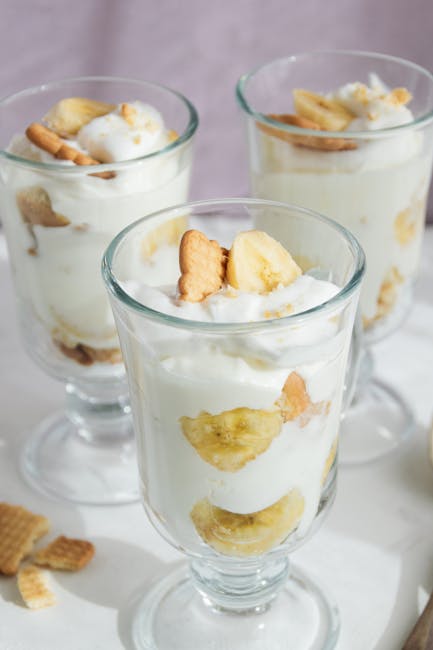
The Ultimate Guide to Perfect Banana Pudding with Ladyfingers: A Creamy, Dreamy Southern Classic
Banana pudding with ladyfingers represents a cornerstone of Southern dessert culture, a deceptively simple yet profoundly satisfying creation that hinges on the harmonious interplay of creamy custard, ripe bananas, and delicate ladyfingers. This iconic dessert transcends mere ingredients; it’s a comforting embrace, a nostalgic journey, and a testament to the power of accessible, humble components elevated to culinary stardom. The inherent charm of this dessert lies in its textural contrasts and nuanced flavors. The smooth, velvety richness of the vanilla custard, often infused with egg yolks for an extra layer of decadence, provides a luscious base. This is punctuated by the subtle sweetness and yielding texture of perfectly ripe bananas, their natural sugars intensifying with ripeness. Finally, the ladyfingers, those elegant, crisp biscuits, absorb the surrounding moisture, transforming into tender, cake-like morsels that bind the entire dessert together. Mastering this classic involves understanding the nuances of each element and how they contribute to the overall symphony of taste and texture. From selecting the ripest bananas to achieving the perfect custard consistency and thoughtfully assembling the layers, every step plays a crucial role in creating a truly memorable banana pudding experience. This guide delves deep into the intricacies of crafting this beloved dessert, offering insights, tips, and variations to ensure your banana pudding is nothing short of spectacular.
The foundation of exceptional banana pudding with ladyfingers lies in the quality and preparation of its core components: the custard, the bananas, and the ladyfingers. Each element, while seemingly straightforward, requires attention to detail for optimal results.
The Custard: The Creamy Heart of the Dessert
The custard is the soul of banana pudding, providing its signature creamy, luscious texture. A traditional homemade vanilla custard is typically made with milk (whole milk is preferred for richness), egg yolks, sugar, cornstarch or flour as a thickener, and vanilla extract.
- Milk Selection: While 2% milk can be used, whole milk yields a richer, more decadent custard. For an even more luxurious version, a blend of whole milk and heavy cream can be employed.
- Egg Yolks: These are critical for imparting richness, color, and a smooth texture to the custard. Separating eggs carefully to avoid any shell fragments is essential. The yolks are whisked with sugar until pale and slightly thickened.
- Thickener: Cornstarch is the most common and reliable thickener for banana pudding custard. It produces a smooth, glossy finish. Flour can also be used, but it might impart a slightly pasty texture if not cooked thoroughly. The cornstarch is typically whisked into the milk mixture to prevent lumps before heating.
- Sugar: Granulated sugar provides sweetness. The amount can be adjusted to personal preference.
- Vanilla: High-quality pure vanilla extract is paramount for authentic flavor. Vanilla bean paste or a scraped vanilla bean can elevate the flavor profile even further, adding a more intense, complex vanilla aroma and flavor.
- Cooking the Custard: The milk mixture is heated gently. The egg yolk and sugar mixture is then tempered by gradually whisking a small amount of the hot milk into it. This prevents the eggs from scrambling. The tempered egg mixture is then returned to the saucepan with the remaining milk and cooked over medium-low heat, stirring constantly, until the custard thickens enough to coat the back of a spoon. Overcooking can lead to a scrambled egg texture, so vigilance is key.
- Cooling the Custard: Once thickened, the custard is removed from the heat, and the vanilla extract is stirred in. To prevent a skin from forming on the surface, it’s advisable to press a piece of plastic wrap directly onto the custard’s surface before allowing it to cool completely. Chilling the custard thoroughly is crucial before assembly, as a warm custard will make the ladyfingers soggy too quickly.
The Bananas: Sweetness and Softness
The choice and ripeness of bananas significantly impact the final flavor and texture.
- Ripeness is Key: For the ideal banana pudding, use bananas that are yellow with some brown spots. These bananas are at their peak sweetness and have a softer texture that complements the custard. Overripe bananas can become mushy and overpower the dessert with an overly fermented flavor. Underripe, green bananas lack sweetness and will be too firm.
- Slicing: Bananas should be sliced into uniform rounds, about ¼ to ½ inch thick. This ensures even distribution throughout the layers and consistent texture.
The Ladyfingers: The Delicate Starch Absorbers
Ladyfingers, also known as savoiardi, are dry, crisp, finger-shaped sponge cakes. Their porous nature is what makes them perfect for absorbing the custard and becoming tender.
- Quality Matters: Opt for good quality, firm ladyfingers. Soft, pre-moistened ladyfingers will result in a pudding that is too mushy.
- Arrangement: Ladyfingers can be arranged in a single layer or broken into pieces to fit the dish. They are typically placed with the curved side down to maximize surface area for custard absorption. Some recipes call for a brief dip in milk or even a liqueur, but for a classic version, their natural absorption is sufficient.
Assembly: Building Layers of Deliciousness
The art of assembling banana pudding with ladyfingers lies in creating balanced layers that allow for proper moisture distribution and texture development.
- The Base: Begin with a layer of ladyfingers at the bottom of your chosen serving dish. A 9×13 inch baking dish is a common choice, but individual ramekins also work beautifully.
- Banana Layer: Arrange a layer of sliced bananas over the ladyfingers.
- Custard Layer: Spoon a generous amount of the chilled custard over the bananas and ladyfingers, ensuring everything is well-covered.
- Repeat Layers: Continue layering ladyfingers, bananas, and custard until the dish is filled, typically ending with a layer of custard.
- Chilling Time: This is perhaps the most critical step after assembly. Banana pudding with ladyfingers requires significant chilling time, ideally at least 4-6 hours, or even overnight. This allows the ladyfingers to soften beautifully, the flavors to meld, and the dessert to set to the desired consistency. Rushing this process will result in a pudding with distinct layers of hard ladyfingers and loose custard.
Topping Variations: Elevating the Classic
While a simple custard-topped pudding is classic, toppings can add another dimension of flavor and texture.
- Meringue Topping: A classic Southern banana pudding often features a toasted meringue topping. This is made by whipping egg whites with sugar until stiff peaks form, then spreading it over the pudding and toasting it under the broiler or with a culinary torch until golden brown. The light, airy meringue contrasts beautifully with the rich custard.
- Whipped Cream: A simpler, equally delicious alternative is a generous dollop of freshly whipped cream. Sweetened whipped cream, perhaps with a hint of vanilla, provides a cooling, creamy counterpoint.
- Toasted Coconut: For a tropical twist, sprinkle toasted shredded coconut over the top.
- Caramel Drizzle: A drizzle of salted caramel sauce can add a sophisticated, sweet-and-salty element.
Troubleshooting Common Banana Pudding Pitfalls
Even experienced bakers can encounter issues. Here are some common problems and their solutions:
- Soggy Ladyfingers: This usually occurs due to insufficient chilling time, allowing the ladyfingers to absorb too much moisture too quickly, or using overly moist ladyfingers to begin with. Ensure adequate chilling and use firm ladyfingers.
- Gritty Custard: This can happen if the cornstarch or flour isn’t fully dissolved in the milk before heating, or if the custard is overcooked, causing the egg proteins to seize. Whisk the thickener thoroughly and cook the custard gently, stirring constantly.
- Scrambled Egg Custard: This is a result of adding the egg mixture to the hot milk too quickly without tempering. Always temper the eggs by gradually whisking in hot liquid before returning the mixture to the heat.
- Flavorless Pudding: This can be due to using underripe bananas, insufficient vanilla extract, or not allowing the flavors to meld during chilling. Use ripe bananas, a generous amount of good quality vanilla, and allow ample chilling time.
- Ladyfingers Not Softening: Conversely, if the ladyfingers remain too firm, it could be due to a custard that is too thick, or insufficient chilling time. Ensure the custard is spread evenly and allow plenty of time for absorption.
Variations on a Theme
While the classic recipe is beloved, there are numerous delicious variations to explore.
- Chocolate Banana Pudding: Incorporate unsweetened cocoa powder into the custard for a rich chocolate flavor. Consider adding chocolate chips or shavings as well.
- Butterscotch Banana Pudding: Use brown sugar instead of white sugar in the custard and add a touch of butterscotch extract for a caramel-like flavor.
- Bourbon Banana Pudding: A splash of good quality bourbon added to the custard after cooking imparts a subtle warmth and complexity.
- Salted Caramel Banana Pudding: Drizzle salted caramel sauce between layers and over the top.
- No-Bake Banana Pudding: For a quicker version, a no-bake pudding can be made using instant pudding mix. While convenient, it won’t achieve the same depth of flavor and silken texture as a cooked custard.
The Nutritional Aspect and Serving Suggestions
Banana pudding with ladyfingers is undoubtedly a rich dessert, but it does offer some nutritional benefits from its core ingredients. Bananas are a good source of potassium, vitamin B6, and fiber. The milk provides calcium and protein, and the eggs contribute protein and essential vitamins. However, it’s important to consider the sugar and fat content.
Serving banana pudding is an experience in itself. It’s a perfect dessert for potlucks, holiday gatherings, family dinners, or simply as a comforting treat. It pairs well with coffee, tea, or a glass of cold milk. Serve it chilled, directly from the refrigerator, to best enjoy its creamy, jiggly texture.
The Enduring Appeal of Banana Pudding with Ladyfingers
The enduring appeal of banana pudding with ladyfingers lies in its comforting familiarity and its ability to evoke cherished memories. It’s a dessert that speaks of home, of warmth, and of simple pleasures. The ease of its preparation, using readily available ingredients, makes it an accessible indulgence. The textural dance between the creamy custard, the yielding bananas, and the softened ladyfingers creates a sensory experience that is both complex and satisfying. Whether you prefer the traditional meringue-topped version or a simpler whipped cream delight, mastering the art of banana pudding with ladyfingers is a rewarding culinary endeavor that will undoubtedly be a hit with family and friends. This guide provides the blueprint for creating this beloved Southern classic, empowering you to craft a dessert that is not only delicious but also a true testament to the power of simple ingredients transformed into something extraordinary. The journey from raw ingredients to a perfectly set, deeply flavorful banana pudding is a testament to patience, technique, and the magic that happens when simple components are brought together with care and intention.
