
Everything But The Blackberry Cobbler
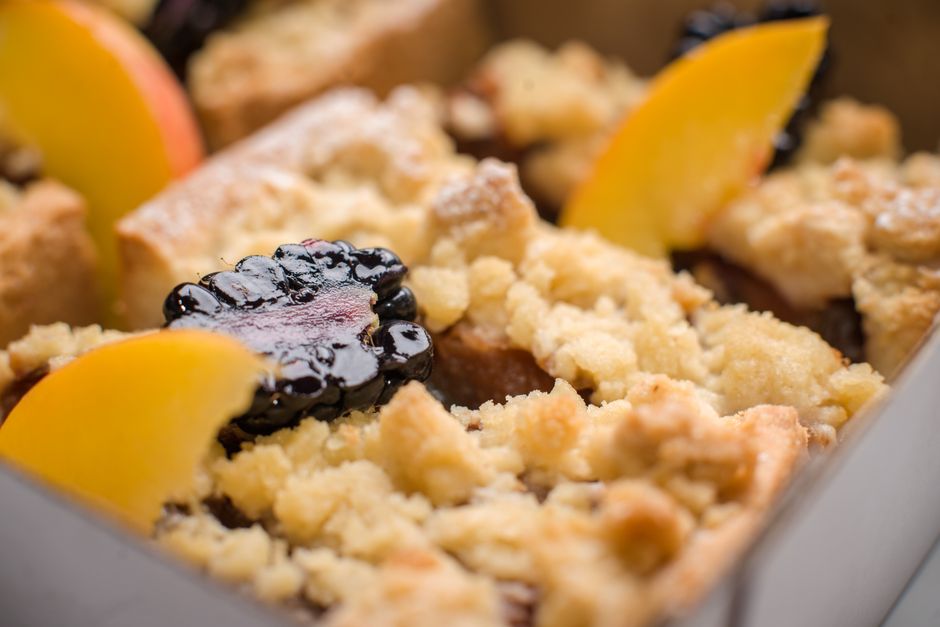
The Art and Science of Fruit Cobbler: A Deep Dive Beyond the Berry
Cobbler, a rustic and comforting baked dessert, boasts a lineage far richer and more diverse than the singular focus on blackberry might suggest. At its core, a cobbler is defined by its topping, which traditionally consists of large, irregular pieces of dough or biscuit that are "cobbled" together over a bed of fruit. This simplicity is its strength, allowing for a vast array of fruit combinations and topping variations. The fundamental structure involves a fruit filling, seasoned and sweetened, then cloaked in a tender, often slightly crisp, biscuit-like crust. The magic lies in the interplay of textures and temperatures – the warm, yielding fruit against the slightly chewy, sometimes crumbly, topping.
The foundational element of any fruit cobbler, aside from the fruit itself, is the topping. While the term "biscuit" is often used interchangeably, true cobblers often feature a dough that is richer and more biscuit-like than a scone, and less cakey than a dumpling topping. The ideal cobbler topping should be tender on the inside, with a slightly browned, perhaps even a little crisp, exterior where it has made contact with the hot fruit juices. Common ingredients for this topping include all-purpose flour, a leavening agent like baking powder or baking soda, a fat source (butter, shortening, or lard), and a liquid, typically milk or buttermilk. The fat is crucial for creating flakiness and tenderness; it is usually cut into the dry ingredients until the mixture resembles coarse crumbs. The liquid is then added sparingly to bring the dough together, taking care not to overwork it, which would result in a tough crust. Some recipes incorporate sugar into the topping for added sweetness and browning, while others rely solely on the fruit for sweetness.
The fruit filling is where the true versatility of cobbler shines. While blackberries are a popular choice, the possibilities are nearly endless, limited only by the seasonal availability and personal preference. Stone fruits like peaches, cherries, plums, and apricots are classic contenders, their natural sweetness and slight tartness creating a harmonious balance with the topping. Berries beyond blackberries, such as blueberries, raspberries, and strawberries, also lend themselves beautifully to cobbler. Even less common fruits can be transformed into delicious cobblers. Pears, apples (though often relegated to pies), and even tropical fruits like pineapple and mango can be adapted. The key to a successful fruit filling is achieving the right balance of sweetness and acidity. Too much sugar can make the filling cloying, while too little can result in a bland or overly tart dessert. A touch of acidity, often from lemon juice or a tart fruit component, brightens the flavors and cuts through the richness of the topping.
Seasoning the fruit filling is as important as selecting the fruit itself. Beyond sugar and acid, a selection of spices can elevate the flavor profile significantly. Cinnamon is a ubiquitous companion to many fruits, offering warmth and a comforting aroma. Nutmeg, allspice, and cloves add deeper, more complex notes, particularly with autumnal fruits like apples and pears. Ginger, both fresh and ground, provides a zesty kick, especially effective with peaches and plums. Vanilla extract is another essential flavor enhancer, its subtle sweetness bridging the gap between the fruit and the topping. For a more sophisticated flavor, a splash of liqueur can be added; brandy or rum are excellent choices for stone fruits and apples, while amande or kirsch complement cherries. Thickening the fruit filling is also a critical step to prevent a watery dessert. Cornstarch, flour, or tapioca starch are commonly used. The amount of thickener needed will vary depending on the moisture content of the fruit; juicier fruits will require more.
The baking process is where the transformation from raw ingredients to a delightful cobbler occurs. The fruit filling is typically placed in a baking dish, often a cast-iron skillet, a ceramic casserole dish, or a pie plate. The topping is then spooned or dropped over the fruit, ensuring it covers most, if not all, of the surface. Some bakers prefer to gently press the topping into the fruit, while others prefer a more freeform arrangement. The oven temperature for cobblers is generally moderate, around 375-400°F (190-200°C). This allows the topping to cook through and brown evenly while the fruit becomes tender and its juices bubble. Baking time will vary depending on the size of the dish, the type of fruit, and the thickness of the topping, but typically ranges from 30 to 50 minutes. The cobbler is done when the topping is golden brown and cooked through, and the fruit filling is bubbling around the edges.
Beyond the classic biscuit-style topping, variations abound. A more cake-like topping, often referred to as a "dump cake," is achieved by adding a cake mix and melted butter over the fruit. This results in a sweeter, more cakey texture. Another popular variation is the "crisp" or "crumble," which features a topping made from oats, flour, butter, and sugar, often with nuts added for extra crunch. While technically distinct, these desserts share the same spirit of baked fruit goodness. The distinction often lies in the texture and composition of the topping. A cobbler, in its purest form, emphasizes the doughy, biscuit-like element.
Serving a cobbler is an experience in itself. It is almost universally served warm, directly from the oven or after a short rest. The contrast between the warm fruit and the warm topping is essential. Accompaniments are crucial for maximizing the enjoyment of this humble dessert. Vanilla ice cream is the undisputed champion, its creamy sweetness melting into the warm fruit juices, creating a delightful textural and temperature contrast. Whipped cream, whether homemade or from a can, offers a lighter, airy sweetness. A dollop of crème fraîche or sour cream can provide a tangy counterpoint to the sweetness. For those who prefer a richer experience, a drizzle of caramel sauce or a sprinkle of toasted nuts can further enhance the flavor and texture.
The history of cobbler is intertwined with the history of baking and the availability of ingredients. Its origins are widely believed to be in the American colonies, where British settlers adapted their traditional fruit pies and puddings to available ingredients and simpler cooking methods. The "cobbled" appearance likely arose from necessity, using available dough scraps to top baked fruit, rather than meticulously crafted pie crusts. This resourceful approach is a hallmark of comfort food, emphasizing flavor and satisfaction over elaborate presentation. The term "cobbler" itself is thought to have emerged in the mid-19th century, solidifying its place in American culinary lexicon.
The nutritional profile of cobbler, like many baked goods, can be understood through its primary components. The fruit provides vitamins, minerals, and fiber, with the specific nutrients varying based on the type of fruit used. Berries are rich in antioxidants, while peaches offer vitamin A. The topping, primarily composed of flour, fat, and sugar, contributes carbohydrates and fats. The leavening agents, such as baking powder, are inert once baked. The overall calorie count and macronutrient breakdown will depend heavily on the proportions of fruit to topping, the type and amount of fat and sugar used, and any accompanying additions like ice cream or whipped cream. It’s a dessert that, in moderation, can certainly be enjoyed as part of a balanced diet.
The science behind a successful cobbler involves understanding the role of each ingredient and the principles of baking. The gluten in the flour develops structure when hydrated and exposed to heat. The fat coats the flour particles, inhibiting excessive gluten development and contributing to tenderness. Leavening agents produce gas bubbles, causing the topping to rise and become light and airy. The heat of the oven causes the sugars in the fruit and topping to caramelize, contributing to browning and complex flavors. The pectin in the fruit, when heated with acid and sugar, gels and thickens the juices. Achieving the right balance of moisture, heat, and ingredient ratios is key to preventing a soggy bottom or an undercooked topping.
Ultimately, the appeal of fruit cobbler lies in its inherent simplicity and profound satisfaction. It’s a dessert that evokes warmth, comfort, and a sense of home. Whether it’s a summertime peach cobbler bursting with ripe fruit or a wintertime apple cobbler fragrant with cinnamon, the core experience remains the same: a delightful interplay of sweet, tender fruit enveloped in a tender, golden topping. Exploring the vast landscape of fruit cobblers beyond the singular focus on blackberry reveals a culinary tradition that is both adaptable and enduring, a testament to the enduring power of simple, honest ingredients transformed by heat and time.
