
Flaky Food Processor Pie Crust
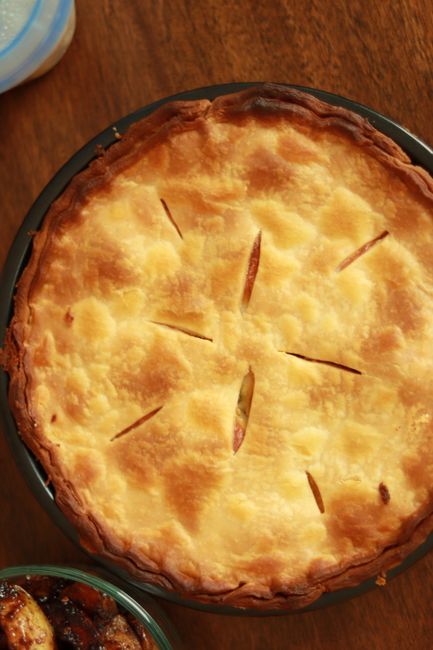
Flaky Food Processor Pie Crust: A Comprehensive Guide to Achieving Perfect Texture
Achieving a truly flaky pie crust is a culinary goal for many home bakers, and the food processor is an invaluable tool in simplifying this process. Unlike traditional methods that rely on manual cutting and blending of fat into flour, a food processor can rapidly achieve the ideal consistency for a tender, shatteringly flaky crust. The key lies in understanding the science behind flakiness and mastering the specific techniques for using your appliance. This comprehensive guide will delve into the elements that contribute to a flaky crust, the optimal ingredients and their roles, precise food processor operation, troubleshooting common issues, and advanced tips for elevating your pie-making.
The Science of Flakiness: Fat Distribution is Paramount
Flakiness in pie crust is not simply about tenderness, although the two are related. True flakiness is a result of layers of dough separated by pockets of unmelted fat. When the pie bakes, the water within the dough turns to steam, expanding and lifting these dough layers. Simultaneously, the fat melts, creating a barrier that prevents the layers from fusing completely, thus producing that desirable brittle, flaky texture. The food processor excels at incorporating fat in a way that creates these distinct pieces, essential for layer formation. Overworking the dough or using fat that is too warm will lead to the fat fully incorporating into the flour, creating a mealy texture rather than flaky layers. The goal is to have visible pieces of fat, often described as pea-sized or slightly larger, suspended within the flour mixture.
Essential Ingredients for Flaky Pie Crust
- All-Purpose Flour: This forms the structural backbone of the crust. Its gluten development, while generally to be minimized for tenderness, provides enough integrity to hold the flaky layers together during baking. Avoid using cake flour or bread flour; their gluten content is not ideal for pie crust.
- Fat (Butter, Shortening, or Lard): This is the star ingredient for flakiness.
- Butter: Offers superior flavor but has a lower melting point, making it trickier to work with. It requires very cold butter, cut into small cubes, to prevent it from melting too quickly during processing. The water content in butter also contributes to steam production, aiding flakiness.
- Vegetable Shortening: Has a higher melting point and is more forgiving. It yields a consistently flaky crust but lacks the nuanced flavor of butter. Often, a blend of butter and shortening is used to balance flavor and ease of use.
- Lard: Historically, lard was the fat of choice for its exceptional flakiness and tenderizing properties. It has a high melting point and creates very delicate layers. However, concerns about sourcing and preference for other fats have made it less common.
- Ice Water: Crucial for keeping the fat cold and controlling gluten development. The colder the water, the better. It’s essential to add water gradually, as too much will lead to a tough crust.
- Salt: Enhances flavor and contributes slightly to crust browning and tenderness.
- Sugar (Optional): A small amount of sugar can aid in browning and add a hint of sweetness, but it’s not essential for flakiness. Too much sugar can make the crust brown too quickly and become tough.
- Vinegar or Lemon Juice (Optional): A small amount of acid can tenderize the dough by inhibiting gluten development. This is a secret weapon for some bakers seeking ultimate tenderness.
Food Processor Technique: The Art of Pulse and Chill
Mastering the food processor for pie crust involves precise pulsing and understanding the visual cues of fat incorporation.
-
Preparation is Key:
- Cold Ingredients: Ensure your flour, fat, and water are thoroughly chilled. For butter, cut it into ½-inch cubes and chill in the freezer for at least 15-20 minutes. Flour can be chilled in the freezer for 30 minutes. Ice water is essential; you can even add a few ice cubes to your water measurement to ensure it stays frigid.
- Food Processor Bowl and Blade: Ensure the bowl and blade are clean and dry.
-
Initial Flour and Fat Incorporation:
- Add the chilled flour and salt (and sugar, if using) to the food processor bowl.
- Pulse a few times to combine and aerate the dry ingredients.
- Add the chilled, cubed fat.
- Pulse in short bursts. The goal here is to cut the fat into the flour. You are looking for a mixture that resembles coarse meal with some larger, pea-sized pieces of fat still visible. This is where the food processor shines; it rapidly achieves this without overworking the dough. Avoid letting the processor run continuously. Stop and check the texture frequently. If the fat starts to look like fine sand or paste, you’ve gone too far.
-
Adding the Liquid:
- With the processor running on its lowest setting, or using very short pulses, gradually drizzle in the ice water, one tablespoon at a time.
- The Crucial Indicator: Stop adding water as soon as the dough begins to clump together. You should still see visible pieces of fat. The dough should not be wet or sticky; it should just barely hold together when squeezed. A common mistake is to add too much water, leading to a tough crust. It’s better to have a slightly dry dough that you can bring together with a few extra drops of water than a wet, overhydrated dough.
-
Bringing the Dough Together:
- Once the dough starts to clump, stop the processor.
- Turn the dough out onto a lightly floured surface.
- Gently gather the dough into a ball. Do not knead. If it seems crumbly, add a tiny bit more ice water, just a teaspoon at a time, and gently bring it together. The less you handle the dough at this stage, the more tender and flaky it will be.
-
Chilling the Dough:
- Divide the dough in half (for a double-crust pie).
- Flatten each half into a disc, about 1 inch thick. This makes it easier to roll out later.
- Wrap each disc tightly in plastic wrap.
- Essential Chill Time: Refrigerate for at least 1 hour, and up to 2-3 days. This chilling period is critical. It allows the gluten to relax (preventing toughness) and, most importantly, solidifies the fat pieces. These cold fat pieces are what create steam pockets during baking, resulting in flakiness.
Troubleshooting Common Food Processor Pie Crust Issues
- Tough Crust: This is almost always due to overworking the flour, leading to excessive gluten development, or adding too much water. Ensure you are pulsing the fat into the flour, not running the processor continuously, and only adding enough water for the dough to just come together. Cold ingredients and adequate chilling are also vital.
- Mealy Crust (not flaky): This occurs when the fat is worked into the flour too finely, resembling sand or a paste. The food processor can do this quickly if you’re not careful. Aim for visible, distinct pieces of fat.
- Crumbly Dough that Won’t Hold Together: This usually means not enough water was added. Add more ice water, one teaspoon at a time, gently working it in until the dough just begins to cohere.
- Greasy Crust: This can happen if the fat is too warm when processed or if too much fat was used. Ensure your fat is very cold.
- Shrinking Crust: This is often a sign of underdeveloped gluten. Ensuring the dough is well-chilled and rested (at least 30 minutes to an hour) before rolling, and then chilling the rolled-out crust again before baking, can help prevent shrinkage. Avoid stretching the dough excessively while rolling.
Advanced Tips for Maximizing Flakiness
- The Double-Fat Method: For ultimate flavor and flakiness, consider using a blend of ½ butter and ½ vegetable shortening. Chill both fats thoroughly.
- Blind Baking with a Vent: If you are blind baking (pre-baking the crust), ensure you properly dock (prick with a fork) the bottom and sides of the crust and use pie weights or beans. For double-crust pies, ensure adequate vents are cut into the top crust to allow steam to escape, preventing soggy bottoms.
- Chill After Rolling: After rolling out your dough discs, place them on parchment paper, cover loosely, and chill for another 15-30 minutes before transferring them to your pie plate or baking. This firms up the fat one last time.
- The Power of a Cold Baking Sheet: For blind baking, place your pie crust on a preheated baking sheet in the oven. The direct heat from the bottom can help set the crust quickly and promote flakiness.
- Temperature Control During Rolling: If your kitchen is warm, work quickly and keep the dough chilled. If the dough becomes too soft and sticky while rolling, return it to the refrigerator for 15-20 minutes before continuing.
- Don’t Overfill: An overfilled pie can lead to a soggy bottom crust, even with a well-made flaky crust. Ensure your filling isn’t excessively wet.
The food processor is a modern baker’s ally for achieving a flaky pie crust, provided its capabilities are understood and utilized correctly. By focusing on cold ingredients, precise pulsing, and allowing adequate chilling time, you can consistently produce a crust that is tender, buttery, and wonderfully flaky, elevating any pie to gourmet status. The key is to strike the right balance of fat distribution, controlled gluten development, and proper hydration, all of which are significantly streamlined with this indispensable kitchen appliance. Experimentation with fat ratios and chilling times will ultimately lead to your personal perfect flaky food processor pie crust recipe.